What Is Granular Packaging Equipment and Who Needs It
Granular packaging equipment refers to the category of machinery designed to measure, fill, seal, and package free-flowing granular or particulate materials into bags, pouches, bottles, cans, or other containers. The term covers a wide range of machine types — from simple volumetric fillers to fully automated form-fill-seal lines — and is used across industries wherever bulk granular products need to be divided into consumer or industrial portions with consistent weight, appearance, and package integrity. Common products packaged on granular packaging machines include sugar, salt, coffee, rice, seeds, fertilizers, pet food, plastic pellets, sand, spices, and chemical granules.
The need for dedicated granular packing equipment arises from the physical characteristics of granular materials themselves. Unlike liquids, which flow predictably, or solids, which can be handled individually, granular products behave somewhere in between — they flow under gravity or vibration, but they also bridge, segregate, and vary in bulk density depending on particle size, shape, moisture content, and handling conditions. Equipment designed for granular products must account for these behaviors to deliver accurate fill weights at production speeds that make manual packaging economically unviable beyond the smallest scales.
Main Types of Granular Packaging Machines
Granular packaging machinery comes in several distinct configurations, each suited to different product types, package formats, accuracy requirements, and production speeds. Understanding the main machine types and their respective strengths is the starting point for any equipment selection process.
Vertical Form-Fill-Seal (VFFS) Machines
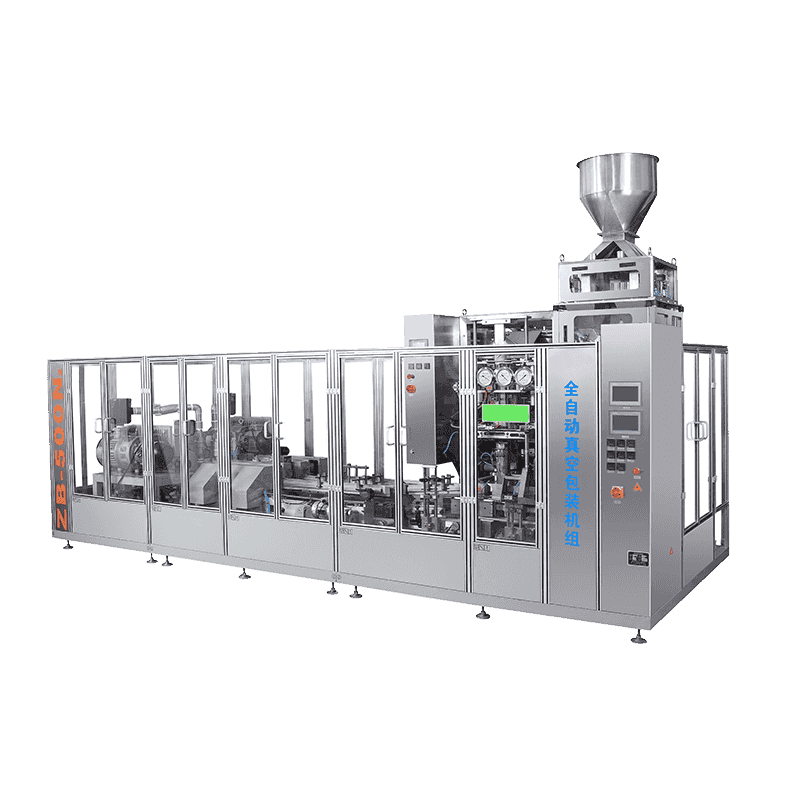
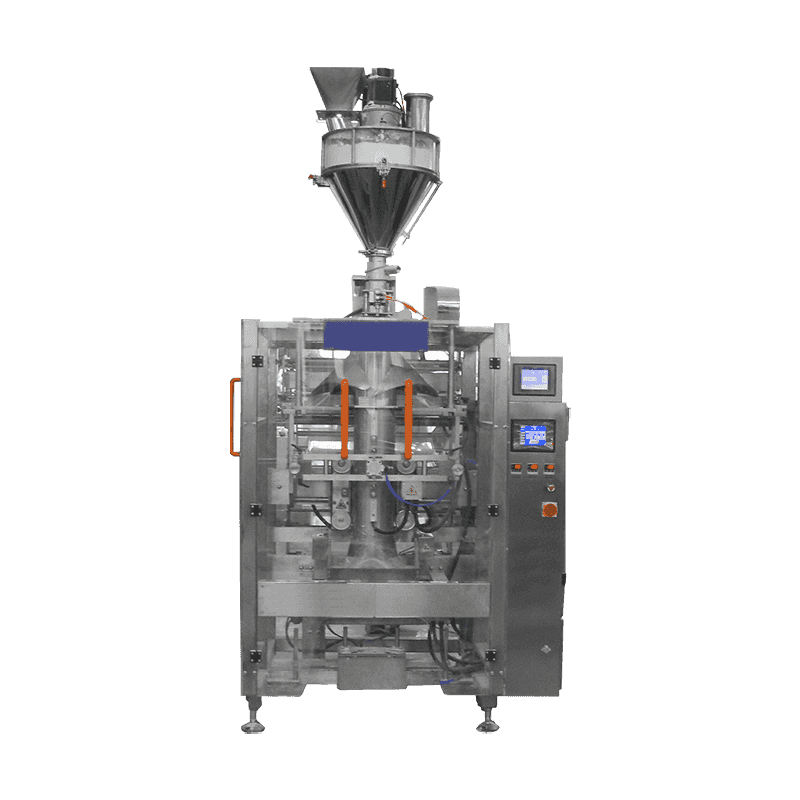
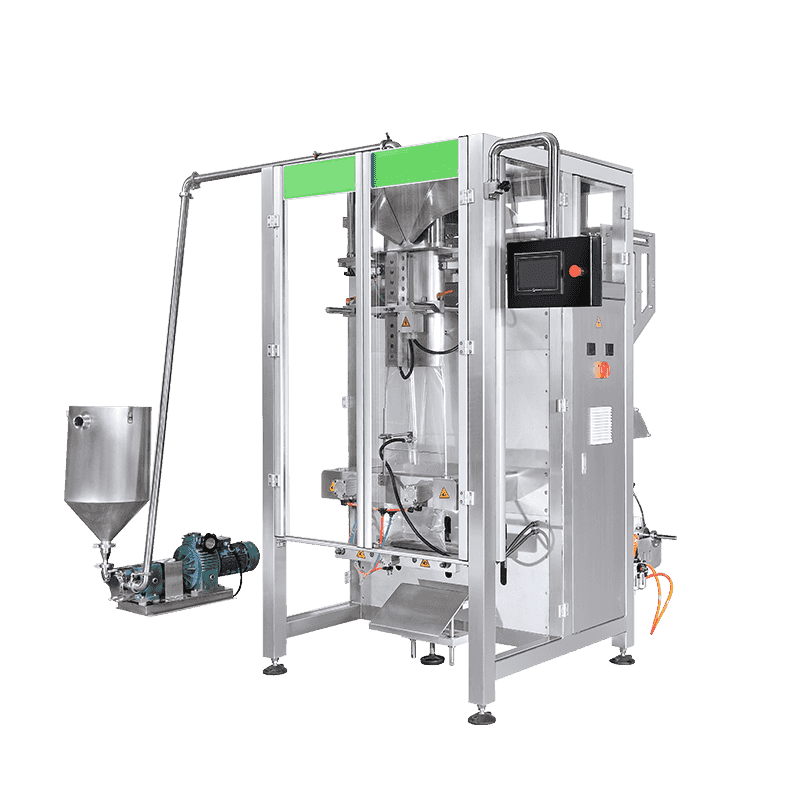
Vertical form-fill-seal machines are the most widely used type of granular bag packaging equipment in the food, agriculture, and chemical sectors. In a VFFS system, a continuous roll of flat film is fed vertically over a forming collar, shaped into a tube around a fill tube, sealed along the back seam, and then bottom-sealed to form a bag. Granular product is dispensed from a weigher or volumetric filler into the open bag above, and the top seal closes the package before it is cut and discharged. The entire sequence repeats continuously at speeds ranging from 20 to over 120 bags per minute depending on bag size, product characteristics, and machine configuration. VFFS machines are highly versatile in terms of bag styles — pillow bags, gusseted bags, quad-seal bags, and stand-up pouches can all be produced on compatible platforms.
Multihead Combination Weighers
Multihead weighers are not packaging machines in themselves, but they are the dominant weighing and dispensing technology used with VFFS and other granular packaging systems in the food industry. A multihead weigher uses 10, 14, 16, or more individual weigh buckets arranged in a ring, each independently filling and weighing small charges of product. A computer continuously calculates which combination of buckets will produce a total weight closest to the target, opens those buckets simultaneously, and discharges the combined product into the bag below. This combination-weighing principle delivers extremely high accuracy — typically within ±0.5 to 1 gram of target — at speeds that no single-head weigher can match. Multihead weighers are standard equipment for snack foods, frozen vegetables, candy, nuts, seeds, and similar products where weight accuracy and throughput are both critical.
Auger Fillers
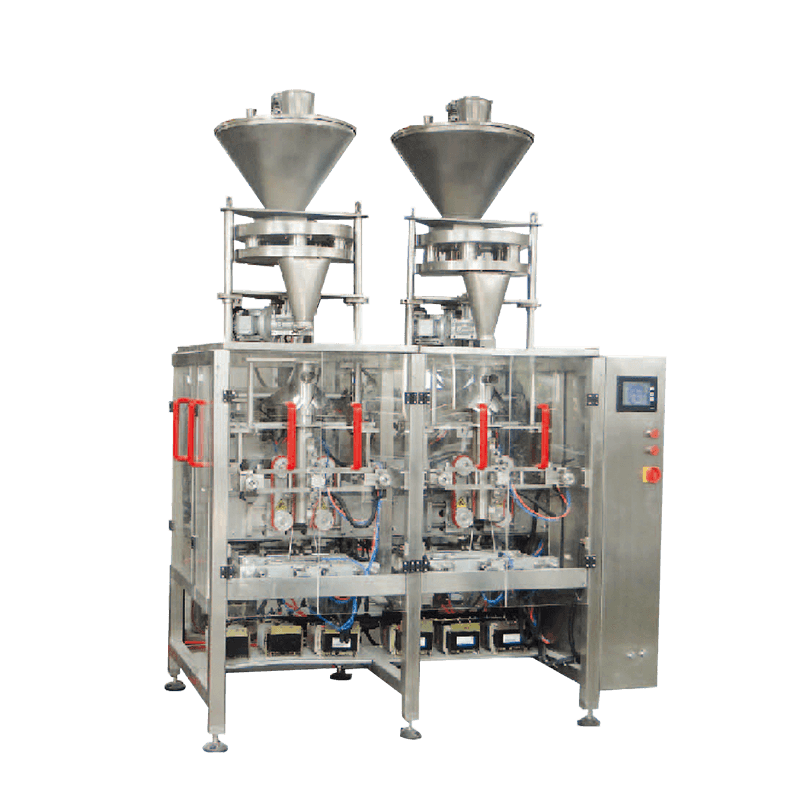
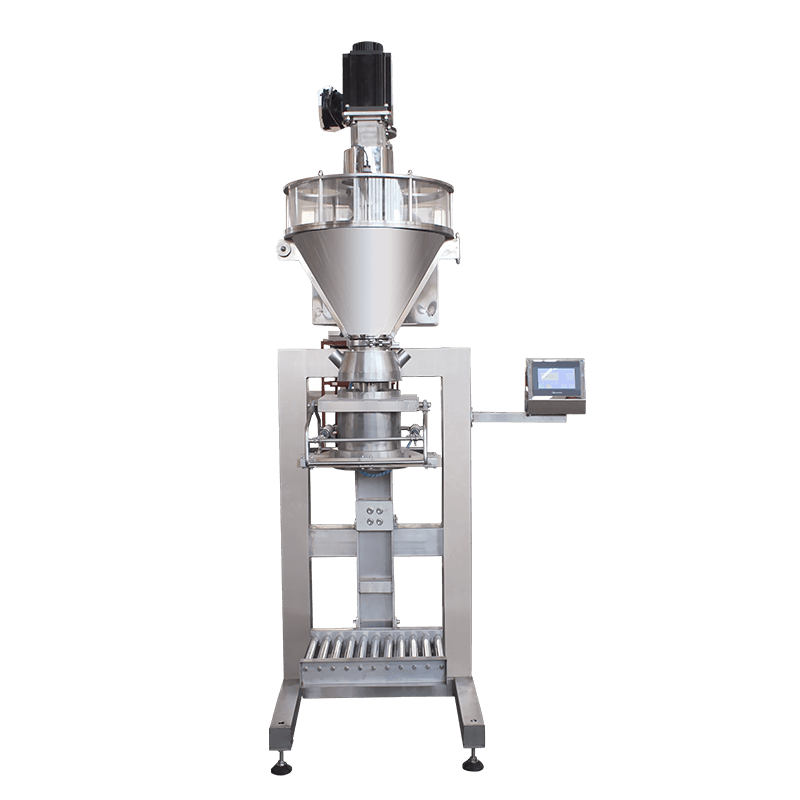
Auger filling machines use a rotating screw (auger) inside a hopper to dispense a controlled volume of product per rotation into bags or containers below. Auger fillers are particularly well suited to fine granular products — such as powdered sugar, flour, salt, spices, and fine chemical granules — where the consistent screw pitch provides reliable volumetric dispensing. They are less appropriate for very coarse granules or products that include fragile particles that could be damaged by the screw mechanism. Auger fillers are commonly integrated into VFFS lines, premade pouch filling machines, and canister or jar filling systems. Their fill accuracy is good — typically ±1–2% by volume — though they are generally less accurate than weighing-based systems for products with variable bulk density.
Net Weight Fillers
Net weight filling machines weigh each individual package fill directly on a scale integrated into the filling head, dispensing product until the target weight is reached, then cutting off flow. This approach delivers high weight accuracy and is particularly valuable for heavier packages — typically above 500 grams and up to 50 kg or more — where the cost of overfill across thousands of packages is significant. Net weight granular fillers are widely used for rice, sugar, coffee, pet food, fertilizer, and seed packaging. They operate at lower speeds than multihead combination weighers but are more cost-effective for large package sizes where a single-head filling station is sufficient to meet production requirements.
Premade Pouch Filling and Sealing Machines
Premade pouch packaging equipment for granular products uses pre-manufactured pouches — including stand-up pouches, flat bottom bags, and zip-lock pouches — which are opened, filled with granular product, and then sealed in a rotary or linear machine. This approach is chosen when the package format or material is difficult to form on a VFFS machine, or when premium pouch aesthetics are a priority. Premade pouch lines typically operate at lower speeds than VFFS systems but offer greater flexibility in pouch style and allow the use of complex multilayer laminate materials with features like resealable zippers, tear notches, and spout fitments.
Bulk Bag Filling Stations (FIBC Fillers)
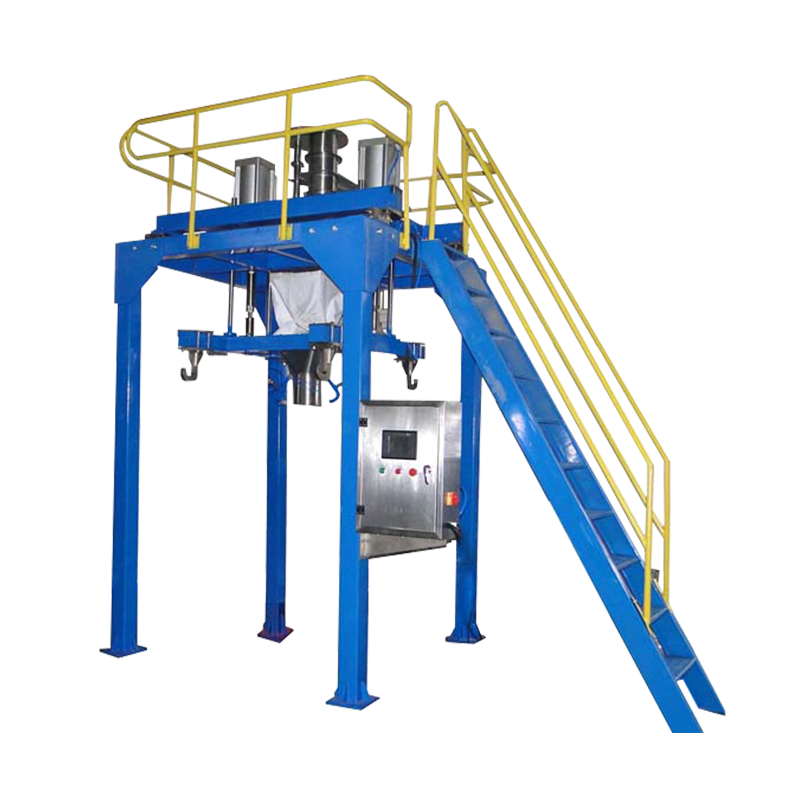
For industrial granular products — including fertilizers, plastic resins, minerals, and construction materials — bulk bag filling equipment fills large flexible intermediate bulk containers (FIBCs or "big bags") with capacities of 500 to 2,000 kg or more. These systems incorporate a filling head, a weighing platform, a bag-hanging frame, and dust containment features. Bulk granule packaging at this scale is a fundamentally different process from consumer packaging, with an emphasis on worker safety, dust control, accurate weight certification, and handling of abrasive or hazardous materials.
Key Performance Specifications to Evaluate
When comparing granular packaging systems from different manufacturers or evaluating whether a machine is appropriate for a specific application, several performance specifications deserve close attention. These numbers directly translate into production output, operating costs, and package quality.
| Specification |
What It Means |
Why It Matters |
Typical Range |
| Filling Speed |
Packages produced per minute |
Determines production capacity and labor efficiency |
5–120+ bags/min |
| Fill Weight Accuracy |
Deviation from target fill weight |
Affects product giveaway and regulatory compliance |
±0.5–2% of target |
| Fill Range |
Min/max fill weight per package |
Determines product SKU flexibility on one machine |
10g–50kg depending on type |
| Bag Width Range |
Package width the machine can handle |
Limits the package sizes and formats producible |
50–600mm typical for VFFS |
| Film Compatibility |
Packaging materials the machine can run |
Affects barrier properties, sustainability options |
PE, PP, laminates, kraft |
| Changeover Time |
Time to switch between product/bag size |
Critical for multi-SKU production flexibility |
15 min–2 hours |
| Power Consumption |
Electrical energy usage per hour |
Ongoing operating cost factor |
2–15 kW typical |
How Product Characteristics Influence Equipment Selection
The physical properties of the granular product being packaged are among the most important factors in determining which type of granular filling equipment will perform reliably and accurately. Specifying a machine based on throughput and price without thoroughly characterizing the product is one of the most common and costly mistakes in packaging line procurement.
Particle Size and Uniformity
Coarse, uniform granules — such as dried beans, pet kibble, or plastic pellets — flow freely and are well suited to most granular packaging systems, including multihead weighers and belt-fed VFFS lines. Fine granular products below about 500 microns — such as salt, sugar, or fine spices — may aerate during handling, causing bulk density variation that affects volumetric filling accuracy and requires additional degassing or settling time. Fibrous or irregularly shaped granules can bridge in hoppers or jam in screw conveyors. Products with mixed particle sizes may segregate during handling, causing inconsistent product distribution in packages.
Bulk Density and Variability
Bulk density — the mass of product per unit volume — directly determines how much product occupies a given package volume and affects the accuracy of volumetric filling systems. More critically, bulk density variability between batches or even within a single batch (due to settling, aeration, or moisture absorption) means that volumetric filling systems may deliver inconsistent fill weights unless they are frequently recalibrated. For products with variable bulk density, gravimetric (weight-based) filling systems are almost always the better choice over volumetric alternatives, despite their higher equipment cost.
Fragility and Breakage Sensitivity
Products that are brittle or prone to breakage during handling — including some cereals, snack foods, dried fruits, and certain chemical granules — require equipment that minimizes drop heights, impact velocities, and mechanical contact. Multihead weighers with gentle-handling radial chutes, low-speed bucket conveyors, and reduced product travel distances are preferred for fragile granular products. Auger fillers and screw conveyors are generally avoided for breakage-sensitive materials.
Stickiness, Hygroscopicity, and Clumping
Granular products that are sticky, hygroscopic, or prone to clumping present particular challenges for granular packing machines. Sugar, for instance, can clump in humid environments and stick to equipment surfaces. Dried fruit tends to stick to weigh buckets and chutes. Products with high fat content can coat equipment surfaces over time. Machines handling these products require easy-clean designs, food-grade surface finishes (typically polished stainless steel), and often temperature-controlled contact surfaces or vibration-assisted flow aids to maintain consistent handling behavior. Regular CIP (clean-in-place) or tool-free washdown capability is a priority for sticky or food-grade granular products.
Industries That Rely on Granular Packaging Equipment
Granular packaging machines serve a broad range of industries, and the specific requirements in each sector shape the machine features and standards that matter most during the selection process.
- Food and beverage: The largest market for granular bag packaging equipment, covering sugar, rice, pasta, salt, coffee, tea, snack foods, breakfast cereals, nuts, seeds, spices, and frozen vegetables. Food-grade machines must comply with hygiene standards including FDA, EU food contact regulations, and often 3-A or EHEDG certification for direct food contact components. Washdown capability, stainless steel construction, and IP65 or higher electrical protection are standard requirements.
- Agriculture and horticulture: Seed packaging, fertilizer filling, and animal feed portioning require robust equipment capable of handling abrasive materials at high throughput with accurate weight measurement for trade compliance. Dusty conditions and variable bulk density are common challenges in agricultural granule packaging applications.
- Chemical and industrial: Plastic resins, detergent granules, mineral granules, construction materials, and specialty chemicals are packaged in everything from small retail bags to large bulk bags. Dust containment, explosion-proof electrical systems for combustible dusts, and corrosion-resistant materials are key requirements in chemical granule packaging equipment.
- Pharmaceutical and nutraceutical: Granular supplements, pharmaceutical granules, and health food powders require packaging equipment that meets GMP (Good Manufacturing Practice) standards, provides validated fill weight accuracy, and is designed for thorough cleaning and cross-contamination prevention between product runs.
- Pet food: Dry kibble, treats, and litter packaging involves products with irregular shapes and varying bulk densities packed into bags ranging from small trial sizes to 20 kg retail sacks. Multihead weighers and VFFS lines with gusseted or quad-seal bags are the standard platform for retail pet food packaging.
Automation Levels and Integration With Packaging Lines
Modern granular packaging equipment ranges from standalone semi-automatic units operated by a single worker to fully integrated automated production lines that require minimal human intervention. Choosing the appropriate automation level depends on production volume, labor costs, product mix complexity, and capital budget.
Semi-Automatic Granule Packaging Machines
Semi-automatic granular packaging systems handle the weighing and sealing steps automatically while requiring an operator to place bags, initiate fill cycles, or remove finished packages. These machines are appropriate for small to medium production volumes, typically below 10–15 bags per minute, and offer lower capital cost with simpler maintenance requirements. They are commonly used by small food manufacturers, agricultural cooperatives, specialty product producers, and contract packagers handling low-volume SKUs. While labor costs are higher per package compared to automated systems, semi-automatic machines offer flexibility to handle a wide variety of package sizes and product types without significant changeover investment.
Fully Automatic Granular Packaging Lines
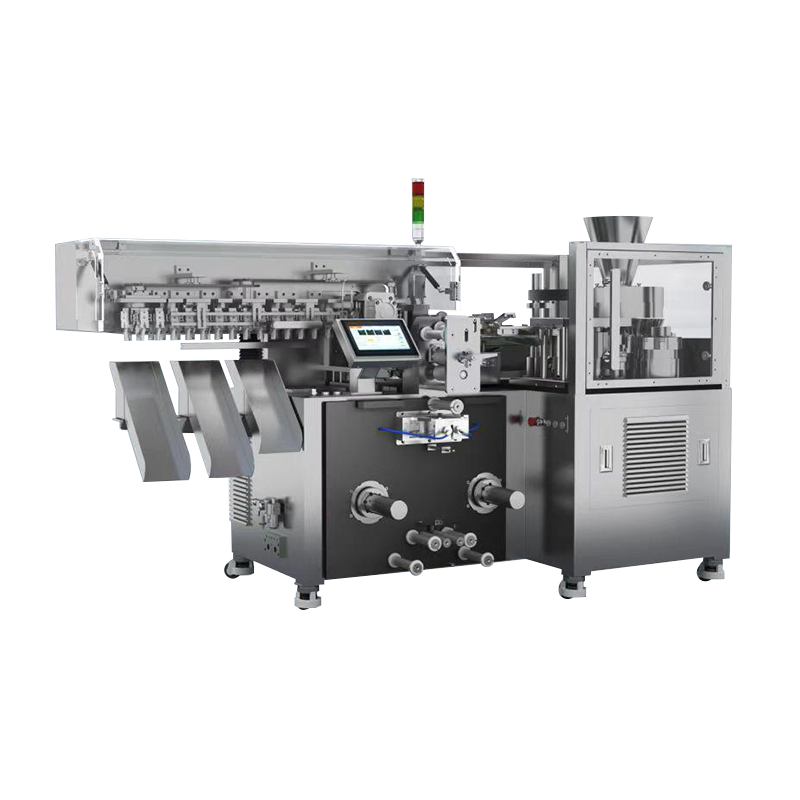
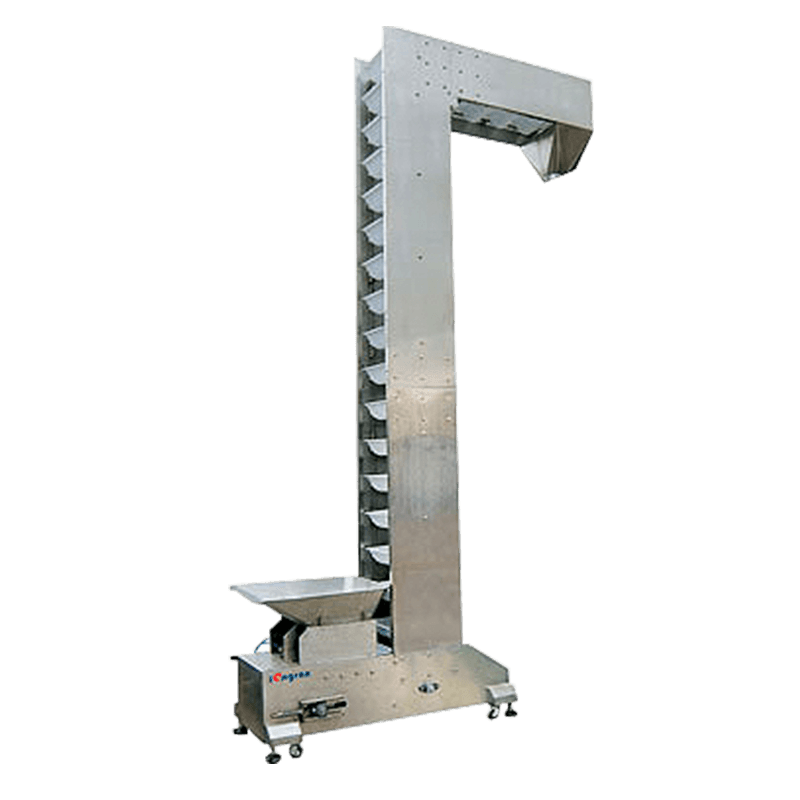
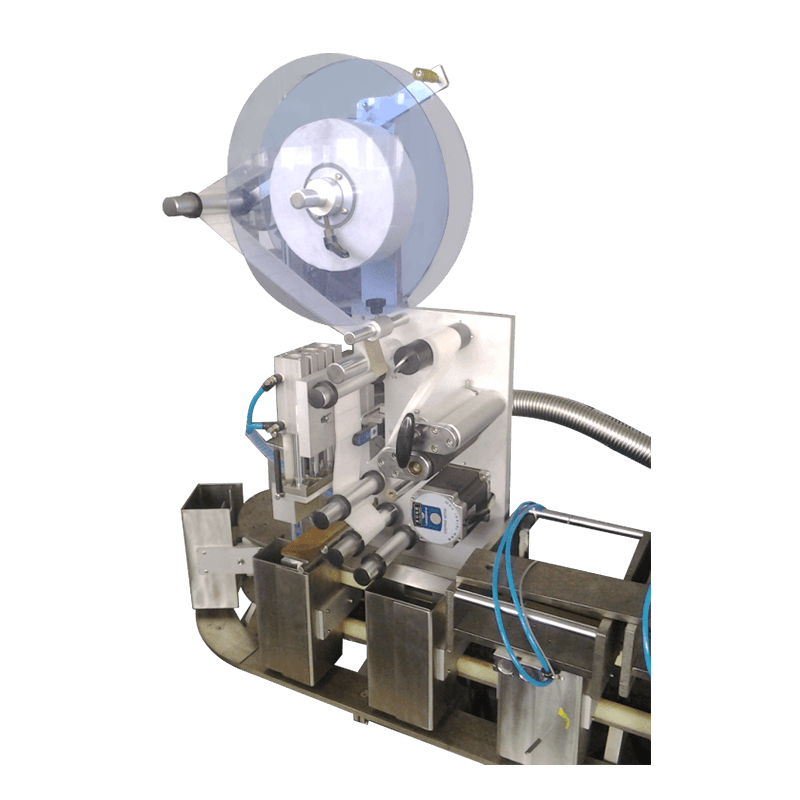
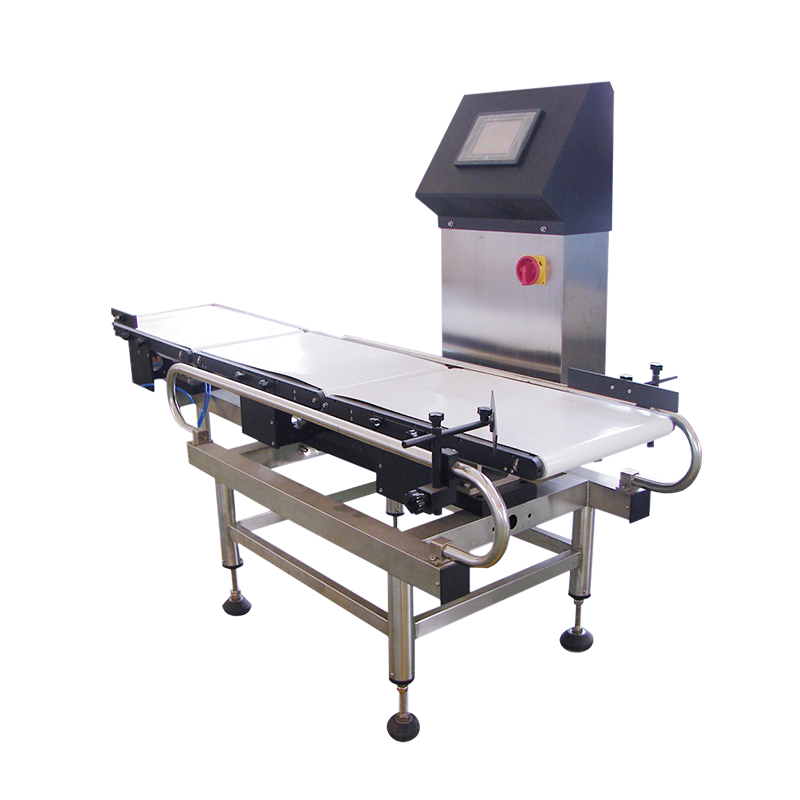
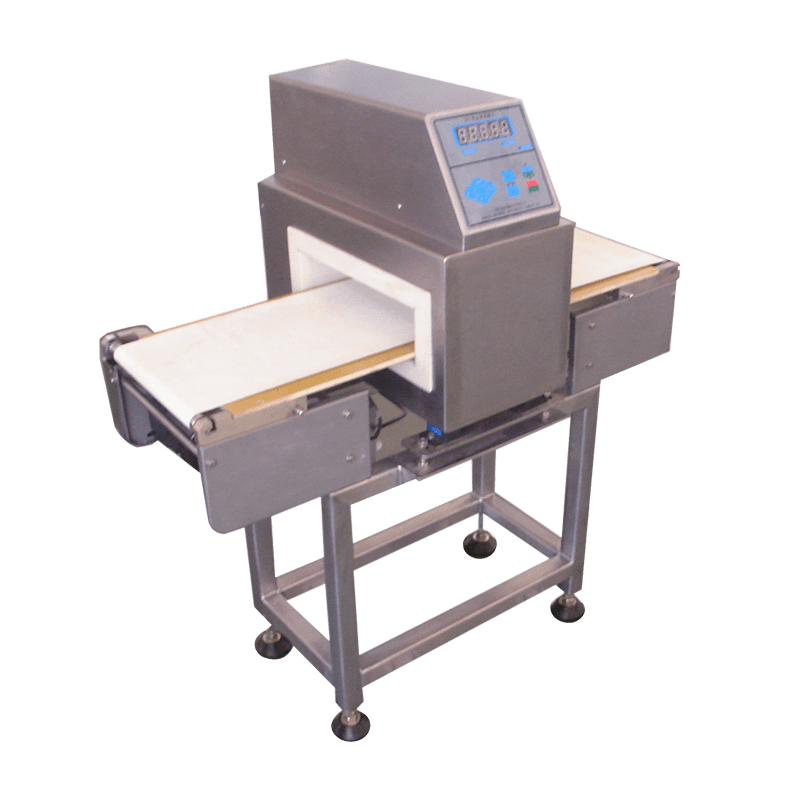
Fully automated granule packing systems integrate product feeding, weighing, bag forming, filling, sealing, coding, checkweighing, and end-of-line handling into a continuous, minimally supervised process. These lines are justified for high-volume production — typically above 20–30 bags per minute — where labor savings, consistency, and throughput efficiency deliver clear return on investment. Key components of a full line typically include a product infeed conveyor or hopper system, a multihead weigher or net weight filler, a VFFS or premade pouch machine, an inkjet or laser coding system, a checkweigher for 100% weight verification, a metal detector or X-ray inspection system, and a case packer or palletizer for secondary packaging.
Data Integration and Industry 4.0 Connectivity
Modern granular packaging equipment increasingly incorporates PLC-based control systems with HMI touchscreens, recipe storage for quick product changeovers, and data output capabilities for integration with plant-level MES (Manufacturing Execution Systems) or ERP systems. OEE (Overall Equipment Effectiveness) tracking, remote diagnostics, and predictive maintenance alerts are becoming standard features on mid-to-high-end granular packaging machines. For manufacturers operating under food safety or pharmaceutical regulatory requirements, data logging of fill weights, seal temperatures, and production counts for batch traceability is not just a convenience — it is a compliance requirement.
Common Mistakes to Avoid When Buying Granular Packaging Equipment
Investing in granular packaging machinery is a significant capital decision, and several recurring mistakes lead to underperforming equipment, unexpected costs, or premature replacement. Being aware of these pitfalls before the purchasing process begins helps buyers make better-informed decisions.
- Specifying for current volume only: A machine that barely meets today's production requirements will become a bottleneck within a few years as volumes grow. Build in a throughput margin of at least 20–30% above current peak production needs when specifying speed and capacity requirements.
- Neglecting product trials before purchase: No reputable granular packaging equipment manufacturer should expect a buyer to commit to a machine without conducting product trials with their actual product. Insist on running your specific product on the proposed equipment — or a closely comparable demonstration machine — before signing a purchase order. Paper specifications do not reveal bridging, sticking, or accuracy issues that only emerge with real product.
- Underestimating changeover complexity: If your production involves multiple SKUs with different bag sizes, fill weights, or products, changeover time and ease are as important as running speed. Ask specifically about changeover procedures, the number of tools required, and whether recipe changes require re-qualification runs.
- Overlooking total cost of ownership: The purchase price of granular packing equipment is only part of the total cost. Spare parts availability and pricing, consumable costs (sealing jaws, belts, sensors), energy consumption, planned maintenance requirements, and the cost and availability of local technical support should all be factored into the economic comparison between competing equipment options.
- Ignoring hygiene and cleanability requirements upfront: Retrofitting food safety features onto equipment that wasn't designed for them is expensive and often impractical. If your product or market requires washdown capability, allergen cleaning procedures, or specific material certifications, specify these requirements at the outset rather than discovering incompatibilities after delivery.
- Choosing the lowest-cost option without evaluating after-sales support: Granular packaging equipment that breaks down and cannot be serviced promptly costs far more in lost production than any upfront price saving. Evaluate the supplier's local service network, typical spare parts lead times, remote support capabilities, and training programs as seriously as the machine specifications themselves.
Maintenance Practices That Keep Granular Packaging Equipment Running
Granular packaging machines operate in demanding conditions — constant vibration, product dust, heat cycling at sealing stations, and high cycle rates all contribute to wear over time. A structured preventive maintenance program is essential to maintaining equipment accuracy, throughput, and package quality over the long term.
- Daily cleaning and inspection: Remove product residue from hoppers, chutes, weigh buckets, and sealing areas at the end of each production shift. Inspect sealing jaws for wear, product buildup, or damage that could compromise seal integrity. Check film path components for alignment and wear.
- Regular calibration of weighing systems: Multihead weighers and net weight fillers should be calibrated against certified test weights on a defined schedule — typically daily for food production environments or after any significant product change. Document calibration results as part of your quality management system.
- Sealing jaw maintenance: Jaw heater elements, thermocouples, and jaw coating (PTFE tape or serrated surfaces) are wear items that affect seal quality directly. Replace PTFE jaw tape on a scheduled basis rather than waiting for seal failures to appear in production.
- Lubrication and drive component inspection: Follow the manufacturer's lubrication schedule for bearings, chains, cams, and gearboxes. Inspect drive belts and chains for stretch or wear at defined intervals and replace before failure rather than after.
- Film tension and tracking adjustment: Incorrect film tension causes registration errors, seal misalignment, and film breakage. Check and adjust film tension and tracking guides at the start of each new film roll and whenever bag quality issues are observed.


 English
 Español
 عربى
عربى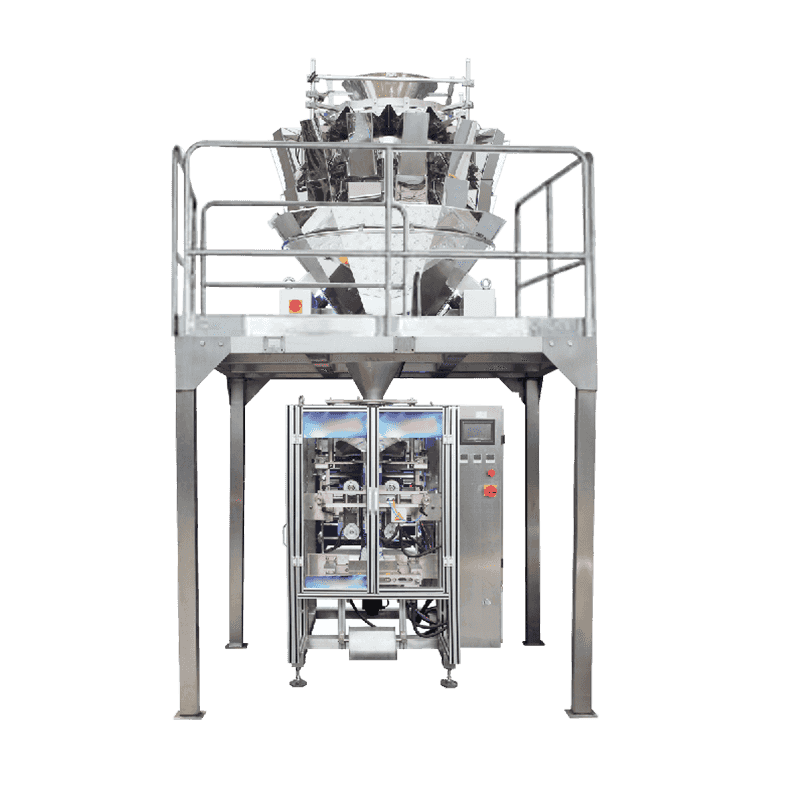



Contact Us