Why Businesses Are Switching to Automatic Powder Packaging Machines
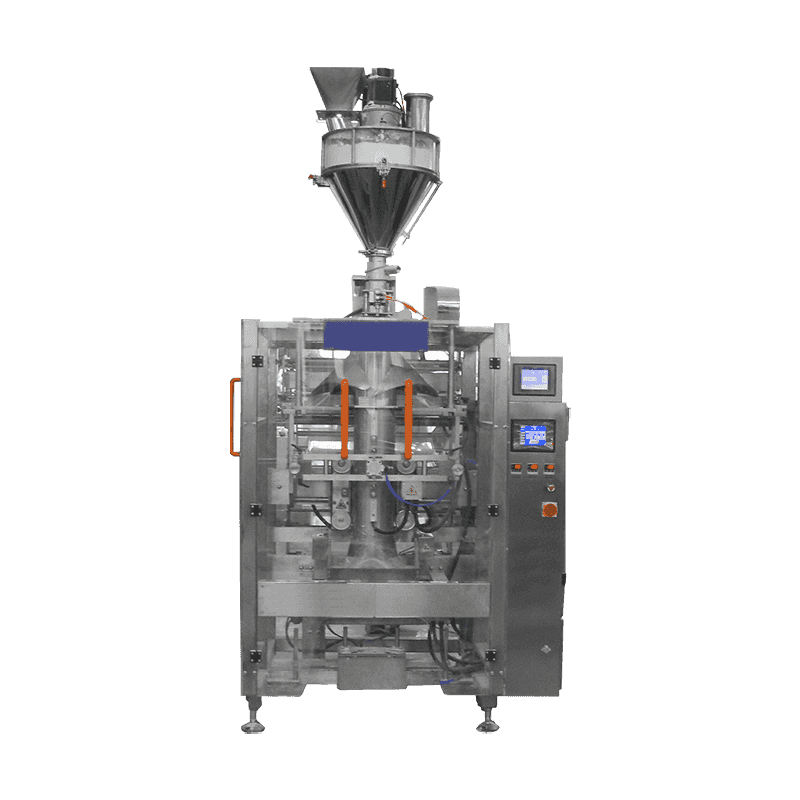
Manual powder filling might seem like a reasonable starting point for a small operation, but it quickly becomes a bottleneck as order volume grows. Workers scooping and weighing powder by hand introduce inconsistency, slow down production, and increase the risk of spillage or contamination. An automatic powder packaging machine solves these problems by standardizing every fill cycle, which means every bag or pouch that leaves the line contains nearly identical weight and appearance.
Beyond consistency, a powder packing machine also protects product integrity. Many powders, such as infant formula, protein blends, or pharmaceutical compounds, are sensitive to moisture and airborne contamination. Automated filling systems minimize the powder's exposure to open air, reducing the chance of clumping, spoilage, or cross-contamination between production batches.
How Much Does a Powder Packaging Machine Cost
Pricing for powder packaging equipment varies enormously based on automation level, output speed, and construction quality. Buyers new to this equipment are often surprised by how wide the price range can be, so it helps to understand roughly where different machine categories fall before requesting quotes from suppliers.
| Machine Type |
Typical Price Range |
Best Suited For |
| Manual Dosing Machine |
$1,500 - $5,000 |
Startups and very low volume production |
| Semi-Automatic Powder Filler |
$5,000 - $20,000 |
Small to mid-size businesses |
| Fully Automatic VFFS Line |
$20,000 - $80,000 |
Mid to large scale manufacturers |
| High-Speed Multi-Head System |
$80,000+ |
Large industrial operations with high output demands |
Understanding the Filling Mechanisms Behind Powder Packing Equipment
Not every powder packaging machine measures product the same way, and choosing the wrong filling mechanism for your powder's characteristics is one of the most common and costly mistakes buyers make. Each mechanism has strengths suited to specific powder textures and flow properties.
Auger Screw Filling
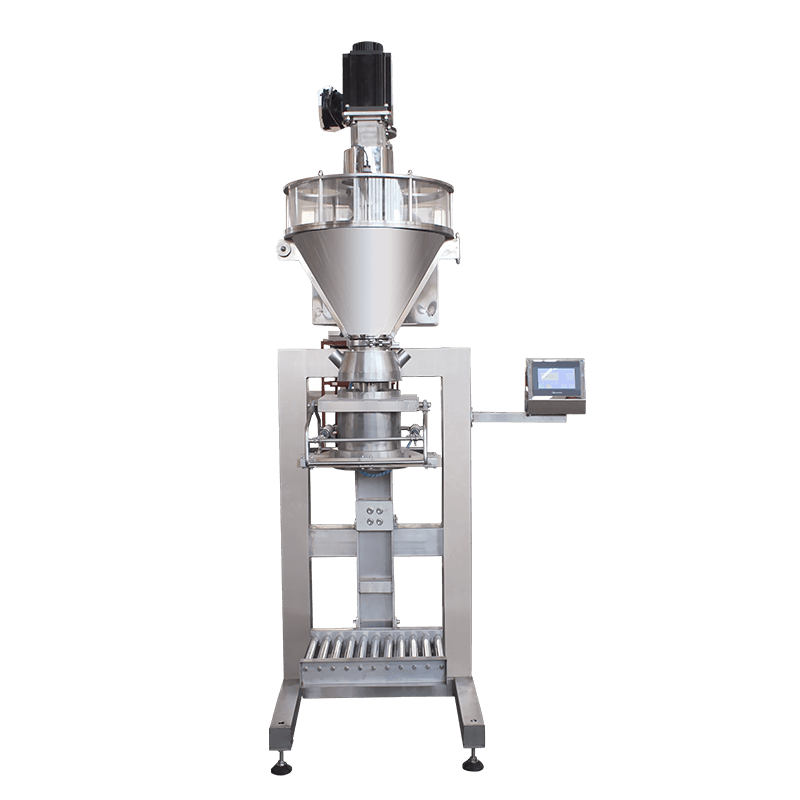
This method uses a rotating screw to push a measured volume of powder through a tube. It works exceptionally well for fine, dry powders like flour, cocoa, or milk powder, offering tight accuracy even at high speeds.
Volumetric Cup Filling
A volumetric cup filler measures powder by volume using adjustable cups rather than a screw mechanism. It handles free-flowing granular powders well, such as instant coffee or powdered detergent, and tends to run faster than auger systems for these product types.
Net Weigh Filling
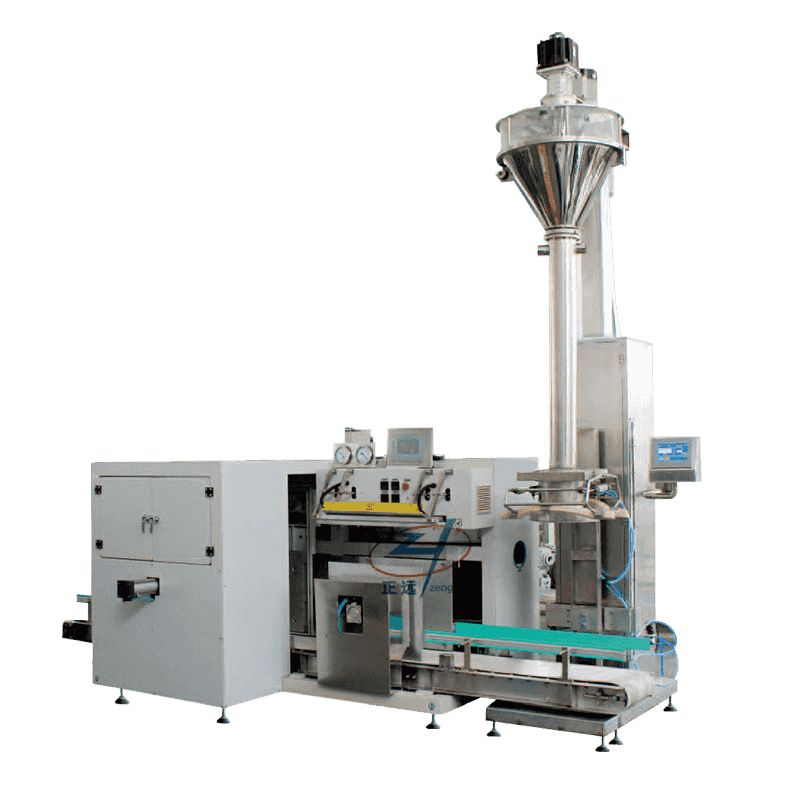
Net weigh systems use load cells to measure the exact weight of powder dispensed, making them the most accurate option available. This filling method is typically chosen for high-value products like pharmaceutical powders or nutritional supplements, where precise weight compliance is legally required.
Mistakes Buyers Commonly Make When Purchasing a Powder Packaging Machine
A significant number of businesses end up dissatisfied with their first powder packing machine purchase, not because the equipment was defective, but because of avoidable planning errors made before the purchase. Recognizing these mistakes in advance can save considerable time and money.
- Choosing a machine based on price alone without testing it with an actual product sample
- Underestimating future production needs and buying a machine with no room to scale
- Ignoring bag or pouch film compatibility, leading to sealing issues after installation
- Failing to budget for spare parts, consumables, and routine maintenance costs
- Overlooking after-sales technical support, especially for machines imported from overseas suppliers
Maintenance Practices That Extend the Life of a Powder Packaging Line
Like any industrial equipment, a powder packaging machine requires consistent upkeep to maintain accuracy and avoid unplanned downtime. Establishing a simple maintenance routine early on prevents small issues from developing into expensive repairs.
Daily cleaning of the filling nozzle and hopper prevents powder residue from hardening and affecting fill accuracy over time. Weekly inspection of seals, gaskets, and sensors helps catch wear before it causes leaks or inconsistent sealing. It's also worth scheduling a full calibration check on load cells or auger settings on a monthly basis, since even minor drift in measurement accuracy can lead to compliance issues with labeled net weight over time.
Questions to Ask Before Signing a Purchase Agreement
Before finalizing a deal with any powder packaging equipment supplier, it's worth asking a focused set of questions to avoid unpleasant surprises after delivery. These questions help clarify exactly what you're paying for and what happens if something goes wrong.
- Can the machine be tested with my actual powder sample before purchase
- What is the expected lead time for spare parts and technical support
- Does the machine come with installation and operator training included
- What warranty period is offered and what does it specifically cover
- Is the machine compatible with future packaging format changes, such as different bag sizes


 English
 Español
 عربى
عربى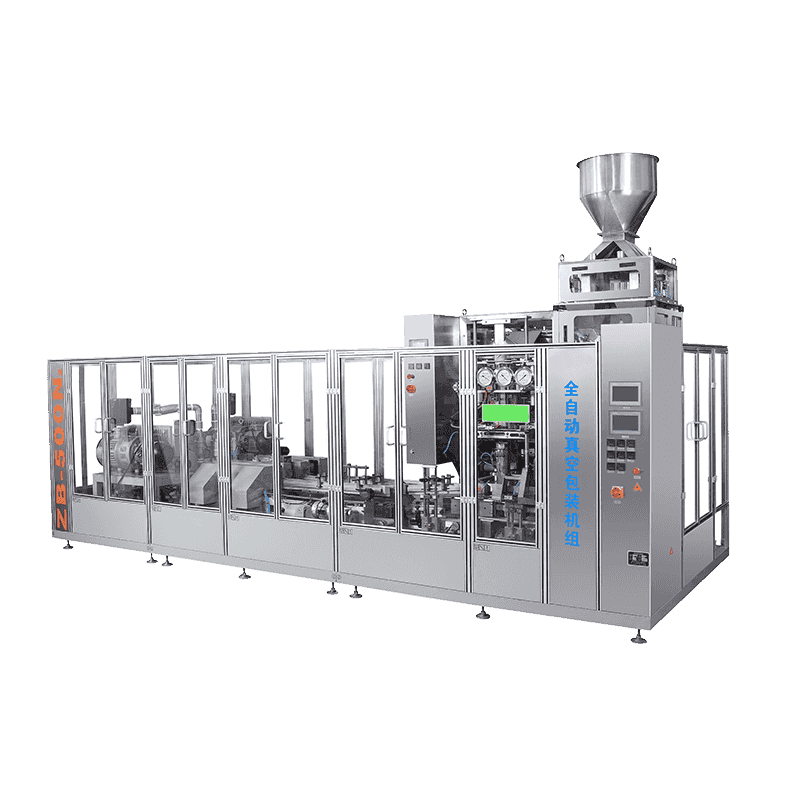



Contact Us