What a Vacuum Granule Packaging Machine Actually Does
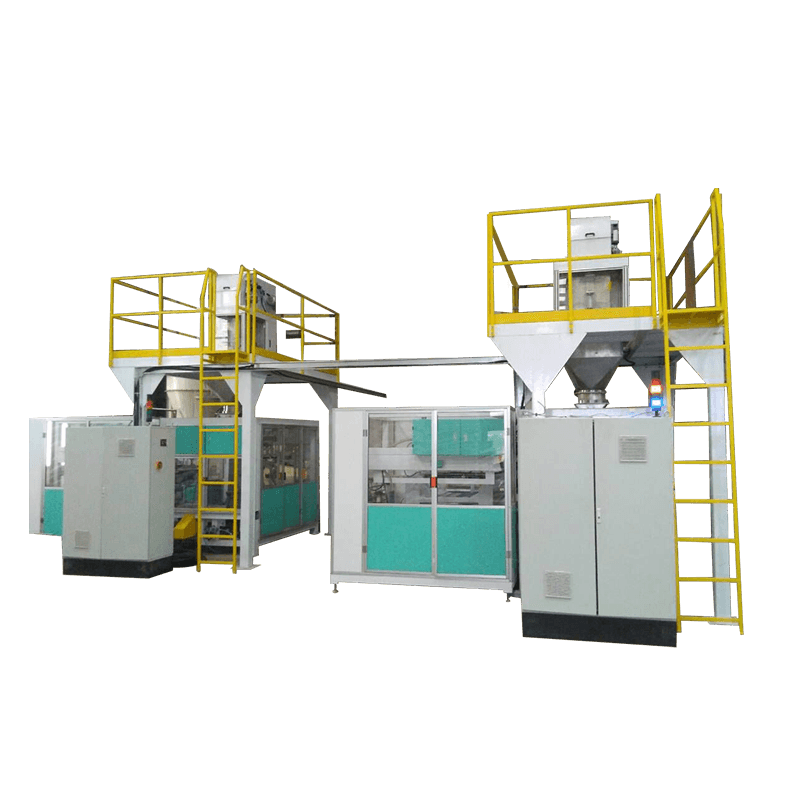
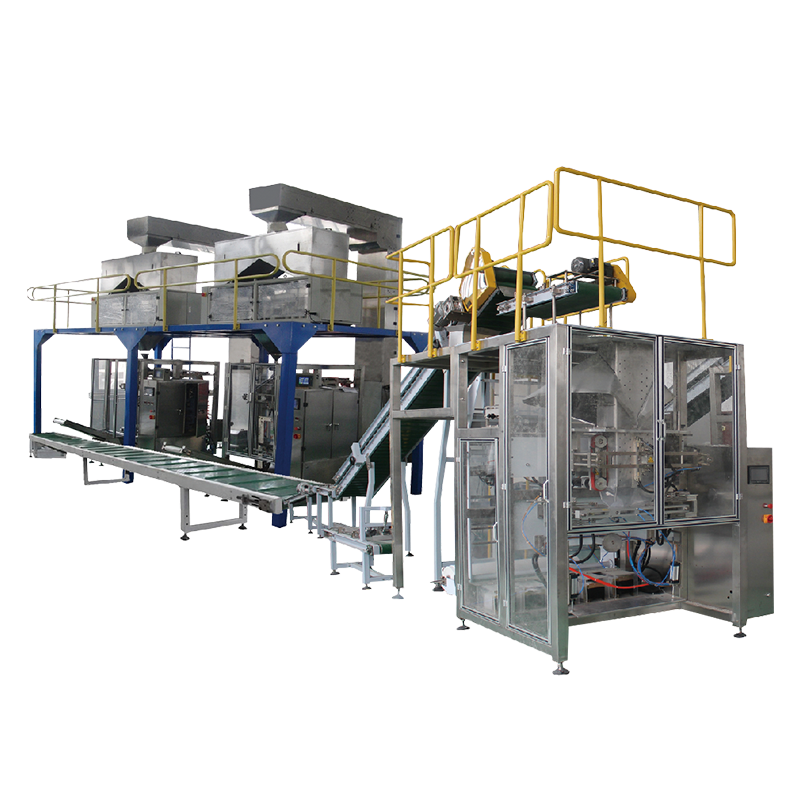
A vacuum granule packaging machine is a piece of packaging equipment that fills a measured quantity of granular product into a bag or pouch, evacuates the air from inside the package, and then heat-seals the opening — all in a single integrated process cycle. The vacuum step is what distinguishes this category from standard granule filling and sealing equipment. By removing oxygen from the package headspace before sealing, the machine creates a low-oxygen environment that significantly slows oxidation, microbial growth, and moisture-driven degradation of the product inside.
The granule format covers a wide range of product types — anything from rice, coffee beans, nuts, and spice granules in the food sector to polymer pellets, chemical granules, fertilizer prills, and pharmaceutical granules in industrial and technical applications. What these products share is a particulate form that flows and measures differently from powders or liquids, and that typically benefits from oxygen exclusion to preserve quality, extend shelf life, or maintain precise physical properties during storage and transit.
The integrated nature of the vacuum granule packing machine — combining weighing or volumetric filling, vacuum evacuation, and heat sealing in one sequence — is what makes it more complex than a simple bag sealer, and understanding how each subsystem works is essential for selecting the right machine configuration and maintaining consistent output quality in production.
Machine Types: Matching Equipment Configuration to Production Needs
Vacuum granule packaging machines are available in several configurations that differ in automation level, throughput capacity, bag format compatibility, and footprint. Selecting the right configuration starts with understanding what each type is designed for.
Single-Chamber Vacuum Packaging Machines
Single-chamber machines are the simplest category of vacuum granule packager. The operator places a pre-filled or simultaneously filled bag inside a vacuum chamber, the lid closes, the chamber is evacuated, and the bag is sealed before the chamber re-pressurizes and opens. Single-chamber machines are compact, relatively low in cost, and appropriate for small-to-medium production volumes where output requirements can be met with manual or semi-automatic operation. Their limitation is throughput — because the vacuum and sealing cycle happens one chamber-load at a time, output rates are constrained by the cycle time, typically 20 to 40 seconds per pack.
Double-Chamber Vacuum Packaging Machines
Double-chamber machines operate two chambers alternately — while one chamber is under vacuum and sealing, the operator is loading the second chamber. This alternating cycle nearly doubles effective throughput compared to a single-chamber machine of equivalent size without requiring a fully automatic feeding system. Double-chamber vacuum granule packaging machines are widely used in food processing operations running medium production volumes, particularly for products like nuts, dried fruit, and coffee where manual loading is acceptable but higher output than a single-chamber machine can sustain is needed.
Rotary Vacuum Packaging Machines
Rotary machines mount multiple vacuum chambers on a rotating turntable that indexes through filling, vacuum, sealing, and discharge stations continuously. Each chamber progresses through the cycle while the others are at different stages simultaneously, producing a near-continuous output stream. Rotary vacuum granule packing machines deliver significantly higher throughput than chamber-based alternatives — typically 20 to 60 packages per minute depending on chamber count and cycle time — and are the standard configuration for high-volume food and industrial granule packaging lines. Capital cost and footprint are correspondingly higher.
Form-Fill-Seal Vacuum Packaging Machines
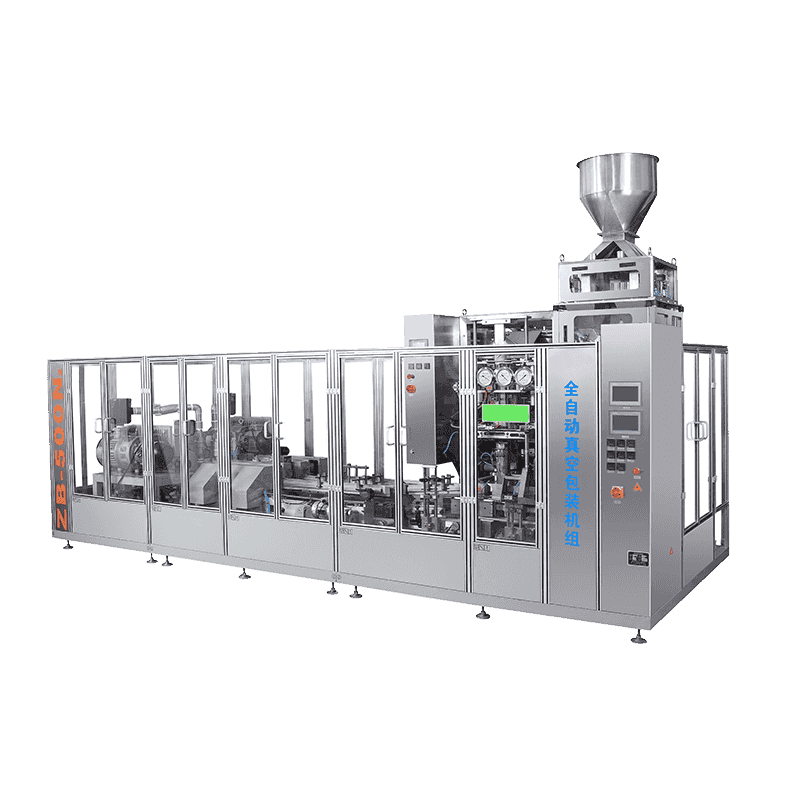
Form-fill-seal (FFS) vacuum machines form the bag from a roll of flat or tubular film, fill it with granules, apply vacuum, and seal — all inline and automatically. This configuration eliminates the need to pre-make or pre-load bags, reduces packaging material handling, and achieves the highest automation level and lowest per-unit labor cost of any vacuum granule packaging machine type. Vertical FFS machines are common for free-flowing granules at medium pack weights; horizontal FFS configurations handle larger or heavier packs. FFS machines require higher capital investment and more technical maintenance capability than chamber-type machines.
Granule Filling Systems: Weighing vs. Volumetric Methods
The filling system in a vacuum granule packaging machine determines dose accuracy, which directly affects product give-away (overfilling), package uniformity, and regulatory compliance for declared net weight. Two principal filling methods are used: weighing-based filling and volumetric filling.
Multihead Weigher Filling
Multihead combination weighers are the most accurate and highest-throughput filling method for granular products. A multihead weigher — typically with 10, 14, or 16 weighing heads — divides the product stream into multiple portions, weighs each simultaneously, and then selects the combination of heads whose total weight is closest to the target. This combinatorial approach achieves filling accuracies of ±0.5g to ±2g depending on product characteristics and target weight, and can deliver fill rates of 40 to 120 weighing cycles per minute. Multihead weighers are the standard for food-grade granule products where weight accuracy and speed are both critical — nuts, rice, coffee, snack foods, and similar products.
Single-Head Checkweigher Filling
Single-head weigher filling systems use one load cell-based weighing hopper that accumulates product to target weight before releasing the dose into the bag. These systems are slower than multihead weighers but significantly less expensive, making them appropriate for lower-speed lines or for products where the output rate of a multihead weigher is more than required. Fill accuracy is typically ±1g to ±5g, which is adequate for most industrial granule packaging applications and for food products where target weights are larger and percentage accuracy tolerance is correspondingly wider.
Volumetric Cup Filling
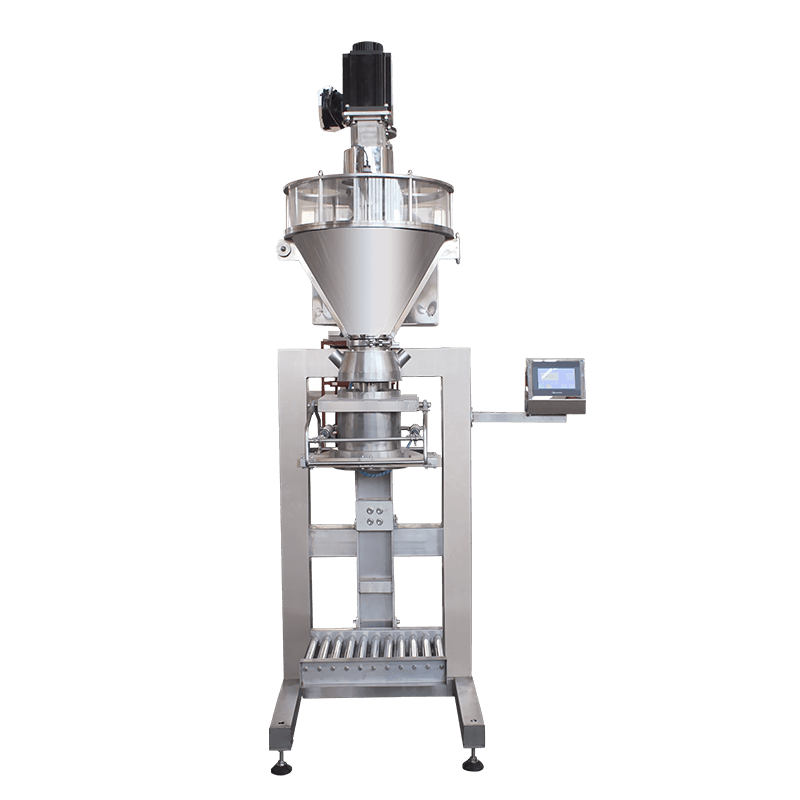
Volumetric fillers dispense a fixed volume of product per cycle rather than a fixed weight. This method is faster and mechanically simpler than weigher-based filling, but fill accuracy is entirely dependent on consistent product bulk density — if the granule density varies between batches (due to moisture content changes, particle size variation, or temperature effects), the dispensed weight will vary even though the volume is constant. Volumetric filling is appropriate for free-flowing, uniform granules with stable bulk density where weight tolerance requirements are moderate, and for applications where approximate fill quantity is acceptable.
Vacuum Pump Systems: Performance Specs That Determine Package Quality
The vacuum pump is the component that defines the actual vacuum performance of a granule vacuum packing machine, and pump specifications directly determine the residual oxygen level inside the sealed package. For products where oxygen exclusion is the primary reason for vacuum packaging — oxidation-sensitive foods, pharmaceutical granules, hygroscopic chemicals — the pump system is the most critical performance component on the machine.
| Pump Type |
Ultimate Vacuum |
Cycle Speed |
Best For |
| Oil-Sealed Rotary Vane |
0.5–2 mbar |
Fast |
Food, pharmaceutical, high-vacuum applications |
| Dry Claw Pump |
50–100 mbar |
Medium |
Industrial granules, chemical products, low maintenance priority |
| Roots Blower (booster) |
0.1–1 mbar (with backing pump) |
Very Fast |
High-throughput lines requiring deep vacuum quickly |
| Oil-Free Rotary Vane |
5–20 mbar |
Medium |
Clean room, food-grade environments avoiding oil contamination risk |
Oil-sealed rotary vane pumps are the most widely used in food-grade vacuum granule packaging machines because they achieve the deep vacuum levels — typically below 5 mbar residual pressure — needed to reduce package oxygen content below 1%, and they do so quickly enough to maintain the cycle times required on production lines. The trade-off is that oil-sealed pumps require regular oil changes, and oil mist separators must be maintained to prevent oil vapor from contaminating the food production environment. Dry claw pumps eliminate the oil maintenance requirement but achieve shallower vacuum levels, making them better suited to industrial granule packaging where moderate vacuum is sufficient.
Pump displacement capacity — expressed in m³/hour — determines how quickly the chamber reaches target vacuum level. Undersized pumps extend cycle time; correctly sized pumps reach target vacuum within the allotted cycle window. When evaluating a vacuum granule packaging machine, request the pump displacement specification alongside the target vacuum level, and verify that the combination is achievable within the stated cycle time for the chamber volume of the specific machine being considered.
Sealing Systems and What Affects Seal Integrity on Granule Packs
The seal is the final barrier between the vacuumed package interior and the outside atmosphere, and seal failure — whether immediate or delayed — renders the entire vacuum packaging process ineffective. Granule products present specific challenges to seal formation that differ from liquid or solid product packaging, and understanding those challenges is essential for specifying the right sealing system and maintaining seal quality in production.
Heat Sealing Bar Configuration
Most vacuum granule packaging machines use impulse or constant-heat sealing bars that apply heat and pressure to the bag film at the seal zone to melt and fuse the inner film layers together. Bar width, temperature, dwell time, and cooling time are all adjustable parameters that need to be optimized for the specific film material and thickness being used. Wider seal bars produce more robust seals by creating a wider fused zone, which is particularly important for heavy or sharp-edged granules that can stress the seal area during package handling. Dual-bar sealing — applying a double seal with a cut between the two seals — provides a redundant barrier and is standard on packaging lines for products where seal failure has significant quality or safety consequences.
Granule Contamination at the Seal Zone
The most common cause of seal failure in granule vacuum packaging is product contamination of the seal area — granules or granule dust trapped between the film layers at the point where the seal is formed. Even a single granule in the seal zone creates a channel through which air can re-enter the package over time, destroying the vacuum. This is particularly problematic for dusty granules, fine-particle products, and granules that generate fines during filling. Mitigation approaches include using bag formats with wider empty headspace above the fill line before sealing, installing vibration or tapping mechanisms to settle product away from the seal zone before the seal cycle, and applying a gentle air purge across the bag opening before vacuum is applied to clear loose particles from the seal area.
Film Material Compatibility
Not all flexible packaging films seal reliably under vacuum conditions, and film selection must be considered alongside machine sealing system capability. High-barrier multilayer films — typically PA/PE (nylon/polyethylene) or PA/EVOH/PE laminates — are the standard for vacuum granule packaging because they combine the oxygen barrier properties needed to maintain vacuum integrity with the sealability needed for heat-sealing equipment. PA/PE films seal reliably across a sealing temperature range of 130–160°C and are the most widely compatible with standard vacuum packaging machine seal bar configurations. Thicker gauge films (90–120 micron) are preferred for heavy or sharp granule products that risk puncturing thinner packaging during transit.
Applications Across Industries: Where Vacuum Granule Packaging Is Used
The application range for vacuum granule packaging machines spans food production, industrial manufacturing, agriculture, and specialty chemicals. While the machines share common engineering principles across applications, the specific configuration — vacuum level, filling system, hygienic design standard, and output rate — varies significantly by industry and product type.
- Coffee and tea: Roasted coffee beans and ground coffee are among the most oxygen-sensitive granule products packaged under vacuum. Whole bean coffee packs typically use vacuum combined with a one-way degassing valve to allow CO₂ off-gassing from freshly roasted beans without re-admitting oxygen. Granule vacuum packing machines for coffee are specified for rapid vacuum cycle times and precise fill weights to meet declared net weight requirements.
- Nuts, seeds, and dried fruits: High fat content makes these products highly susceptible to rancidity through lipid oxidation. Vacuum packaging reduces residual oxygen to levels that dramatically extend shelf life — from weeks in standard packaging to months or years under vacuum — without refrigeration. Multihead weigher filling is standard for this product category due to the combination of irregular particle size, variable bulk density, and strict weight accuracy requirements.
- Rice, grains, and cereals: Vacuum packaging of rice and grain products primarily targets insect infestation prevention and moisture exclusion rather than oxidation. The vacuum environment is lethal to insects at all life stages and eliminates the atmospheric moisture that drives mold development in stored grain products.
- Pharmaceutical granules: Drug intermediates and granulated pharmaceutical formulations are vacuum-packed to prevent moisture uptake that can affect dissolution rates and active ingredient stability. Pharmaceutical vacuum granule packaging machines operate under GMP conditions with stainless steel contact surfaces, CIP (clean-in-place) capability, and full batch traceability documentation.
- Chemical and polymer granules: Hygroscopic chemical granules, catalyst pellets, and polymer resin pellets are vacuum-packaged to prevent moisture absorption during storage and transit that would alter reactivity, processing behavior, or physical properties. Industrial vacuum granule packaging machines for these applications are configured for compatibility with chemical-resistant materials and are not required to meet food-grade hygienic design standards.
- Fertilizers and agricultural inputs: Specialty fertilizer granules and coated seed products are vacuum-packaged in larger format bags — typically 1kg to 25kg — to maintain coating integrity and prevent caking from moisture exposure during extended storage before the growing season.
Key Specifications to Compare When Evaluating Machines
When comparing vacuum granule packaging machines from different manufacturers or for different production requirements, a structured specification comparison prevents the common mistake of evaluating machines on headline throughput figures alone while overlooking parameters that have equal or greater impact on actual production performance.
| Specification |
What to Check |
Why It Matters |
| Output rate (packs/min) |
Verified at target product and pack weight |
Headline rates are often quoted at optimal conditions |
| Vacuum level achievable |
Residual pressure in mbar at rated cycle time |
Determines actual O₂ exclusion performance |
| Filling accuracy |
±g at target weight with actual product |
Affects give-away and regulatory compliance |
| Pack weight range |
Min and max weights without tooling change |
Affects flexibility for SKU range changes |
| Bag format compatibility |
Flat pouch, stand-up pouch, gusset bag, pillow bag |
Limits or enables packaging design options |
| Changeover time |
Minutes required to change pack size or product |
Critical for operations running multiple SKUs |
| Hygienic design standard |
Food-grade SS, IP rating, CIP capability |
Required for food and pharmaceutical applications |
Maintenance Requirements and Factors That Affect Machine Longevity
A vacuum granule packaging machine is a capital investment that needs to sustain consistent output quality over years of production use. Maintenance requirements are not uniform across machine types and configurations, and understanding what a given machine needs before purchase — rather than discovering it after installation — is part of a sound capital equipment decision.
- Vacuum pump oil changes: Oil-sealed rotary vane pumps require oil changes at manufacturer-specified intervals — typically every 500 to 1,000 operating hours. Running degraded pump oil reduces ultimate vacuum level, extends cycle time, and accelerates pump wear. Oil change intervals should be tracked in the machine's maintenance log and adjusted downward if the product being packaged generates significant moisture or dust loading on the pump.
- Sealing element replacement: Sealing bars, Teflon seal tape, and silicone sealing gaskets are consumable components that degrade with use. Sealing tape should be inspected daily for surface damage, discoloration, or deformation, and replaced on a scheduled basis rather than reactively after seal failures begin appearing in production.
- Chamber seal and gasket condition: The perimeter seal on vacuum chamber lids prevents atmospheric air from leaking into the chamber during the vacuum cycle. Worn or damaged chamber gaskets extend vacuum cycle time as the pump compensates for leakage, and eventually prevent the machine from reaching target vacuum. Chamber gaskets should be inspected monthly and replaced at the first sign of compression set or surface damage.
- Filling system calibration: Weigher load cells and volumetric cup mechanisms drift over time and require periodic calibration verification against certified reference weights. In food production environments, filling accuracy checks should be performed at the start of each production shift and documented as part of the quality management system.
- Granule residue cleaning: Product buildup inside the machine — particularly in filling chutes, bag-holding mechanisms, and around the vacuum chamber interior — is a hygiene risk in food production environments and can cause mechanical interference in any application. Cleaning schedules should match product characteristics: dusty or sticky granule products may require daily cleaning; free-flowing, non-hygroscopic granules may allow weekly cleaning cycles.
- Spare parts availability: Before purchasing, confirm that the machine supplier holds local or regional inventory of key consumable and wear parts — sealing elements, pump components, sensors, and control modules. Machines sourced from manufacturers without accessible spare parts support generate significantly higher downtime costs when components need replacement.


 English
 Español
 عربى
عربى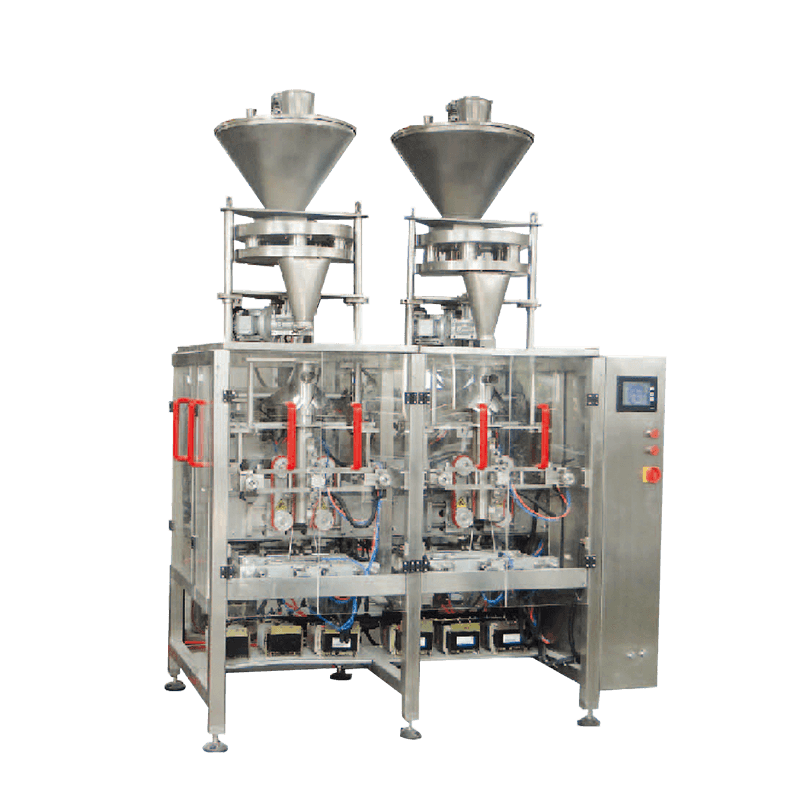


Contact Us