Understanding the Mechanics of Modern Powder Packaging Equipment
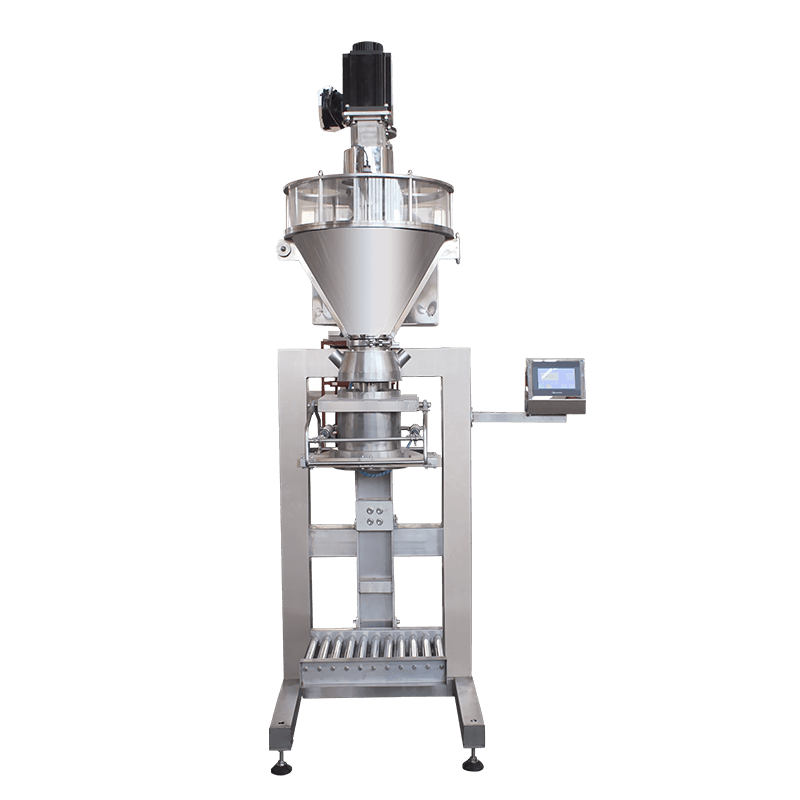
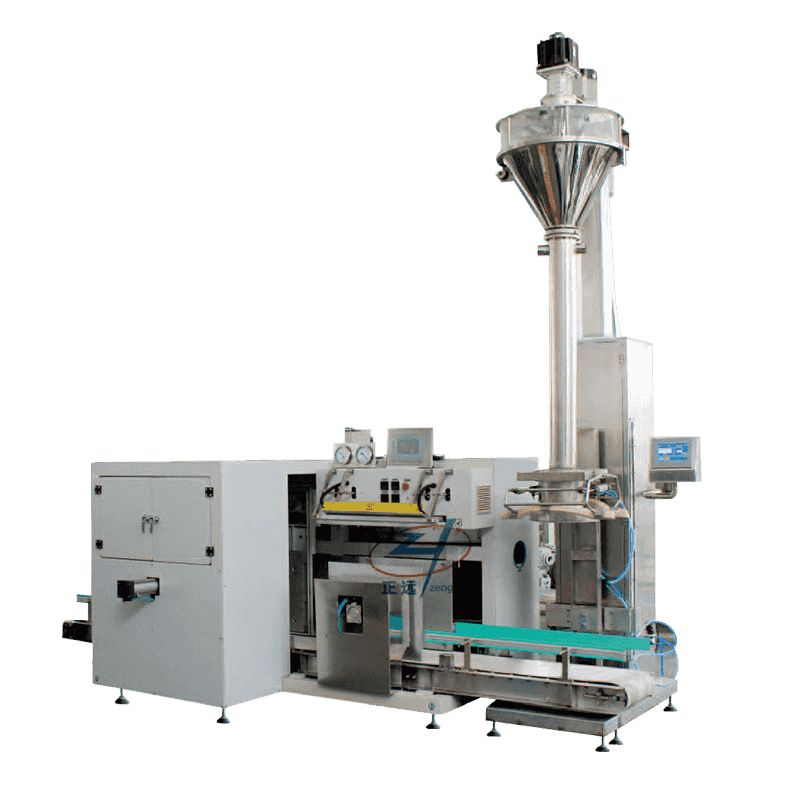
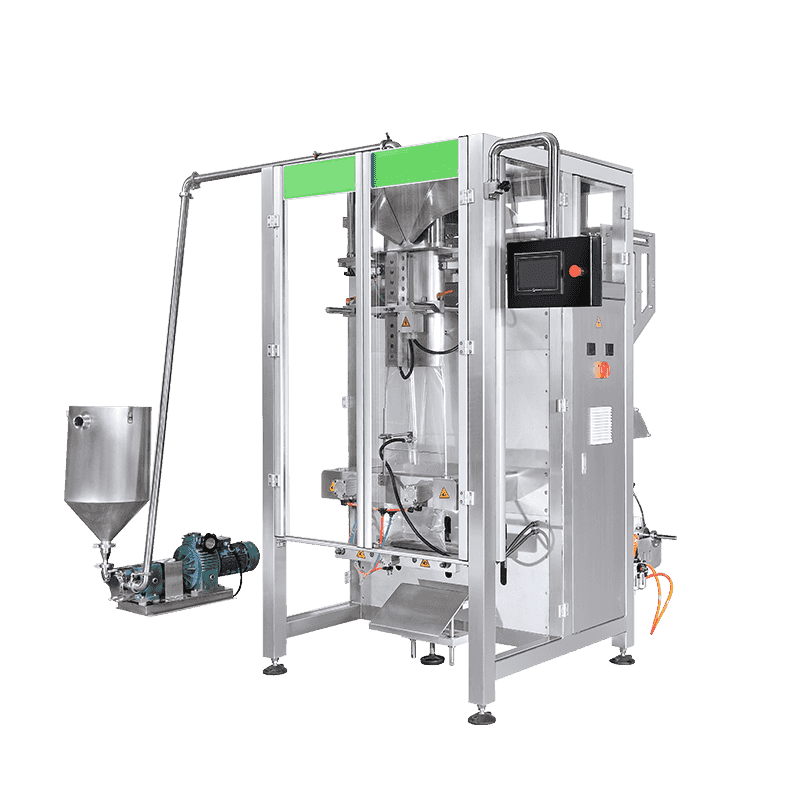
A powder packaging machine is a sophisticated piece of industrial equipment designed to automate the process of filling and sealing fine-grained materials into various containers. Unlike liquid or solid fillers, powder systems must contend with unique challenges such as dust control, product density variations, and flowability issues. These machines typically utilize an auger filler or a volumetric cup system to ensure that every pouch or bottle receives the exact weight required, minimizing product giveaway and maximizing profitability for manufacturers across the food, pharmaceutical, and chemical industries.
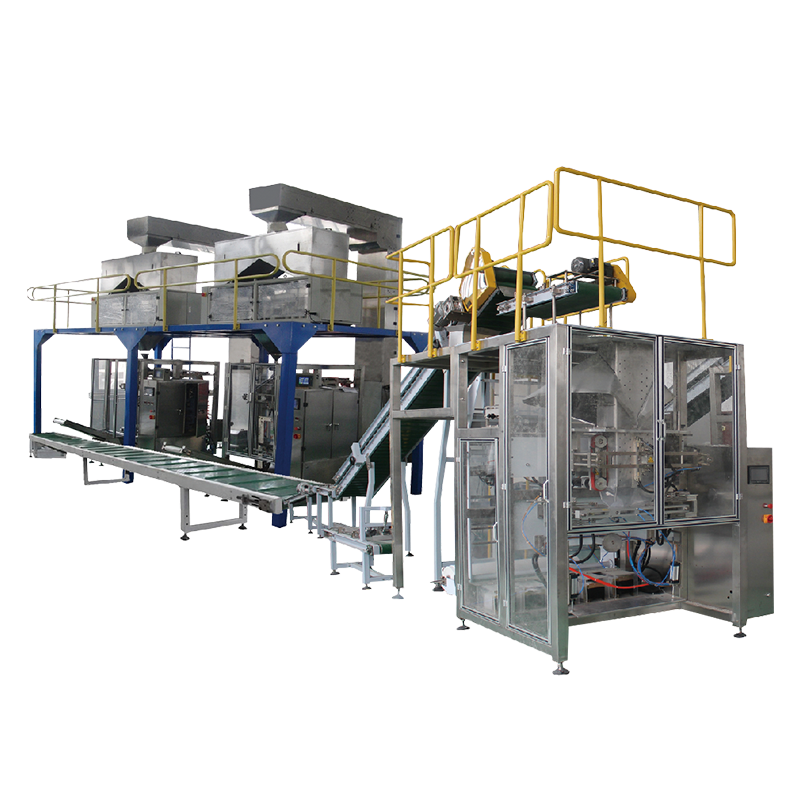
The integration of a high-speed powder packing system allows businesses to transition from labor-intensive manual filling to a streamlined, airtight process. By using advanced sensors and PLC (Programmable Logic Controller) systems, the machine can detect the presence of a container before dispensing, ensuring that no product is wasted. This level of precision is essential when handling high-value powders like protein supplements, infant formula, or specialized chemical reagents.
Key Components of an Efficient Powder Filling System
The Auger Filler Assembly
The heart of most powder packaging machines is the auger filler. This component consists of a vertical screw that rotates at a controlled speed to move the powder through a funnel. The number of rotations determines the volume of the product dispensed. For non-free-flowing powders like flour or milk powder, the auger provides the necessary force to move the product consistently, while an agitation blade prevents the material from bridging or clogging in the hopper.
Dust Extraction and Sealing Units
Managing airborne particles is a critical safety and hygiene requirement. Modern automatic powder fillers are equipped with dust extraction hoods that pull fine particulates away from the sealing area. This ensures that the heat-seal on the bag is not contaminated by powder residue, which could lead to leaks or spoilage. Once filled, the bags are moved to a sealing station where heat and pressure are applied to create a tamper-evident, shelf-ready finish.
Comparison of Powder Packaging Machine Types
Selecting the right equipment depends heavily on the production volume and the type of container being used. The following table highlights the differences between common configurations:
| Machine Type |
Ideal Application |
Key Benefit |
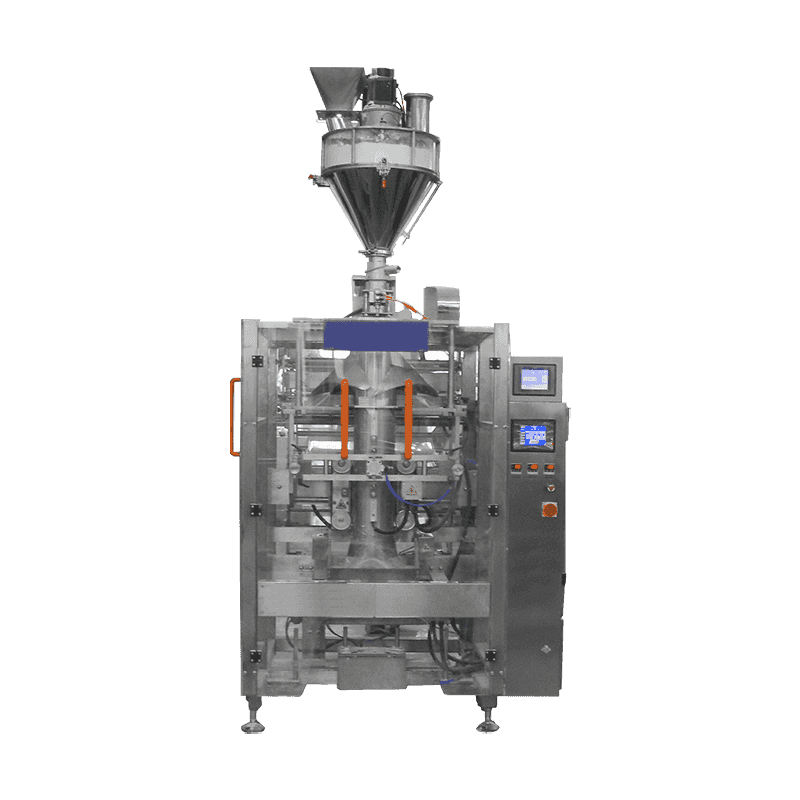
| VFFS (Vertical Form Fill Seal) |
Flexible Pouches & Sachets |
High speed and compact footprint |
| Pre-made Pouch Filler |
Stand-up (Doypack) Bags |
Premium aesthetic and reclosable zippers |
| Auger Bottle Filler |
Rigid Jars and Canisters |
Rigid container stability and accuracy |
Critical Advantages of Automating Your Powder Packaging
Transitioning to automated powder packaging machinery offers a range of operational benefits that directly impact the bottom line. Beyond simple speed, these machines provide a level of consistency that is impossible to achieve through manual labor.
- Enhanced Hygiene: Stainless steel construction (typically SUS304 or SUS316L) ensures compliance with food safety and pharmaceutical regulations.
- Reduced Labor Costs: One operator can often manage multiple automated lines, significantly lowering the cost per unit produced.
- Versatility: Many machines feature quick-changeover parts, allowing a single line to package different powder types and bag sizes in the same day.
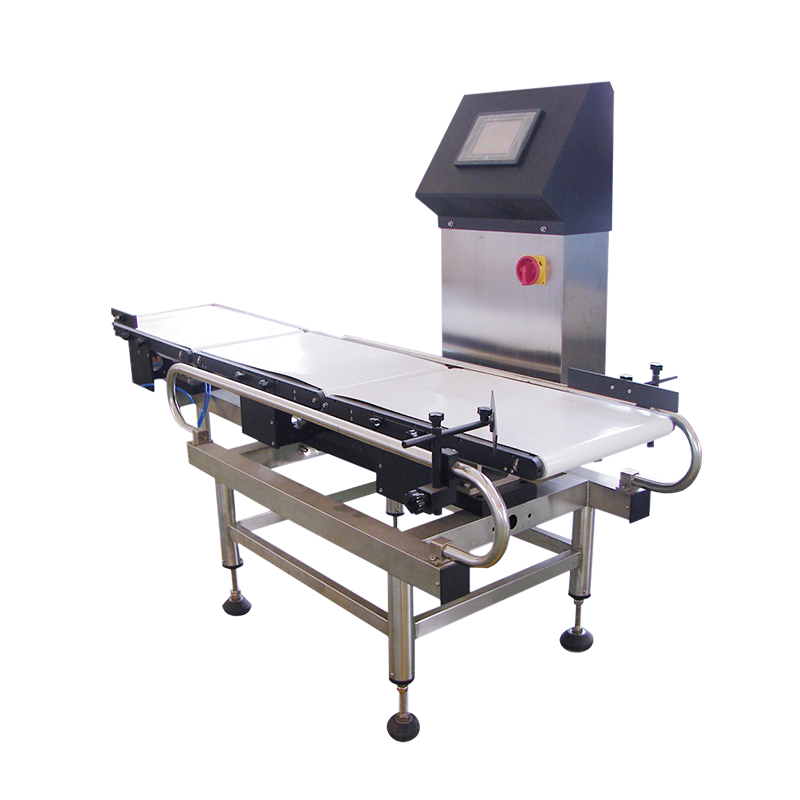
- Weight Accuracy: Integrated check-weighers provide real-time feedback to the auger filler, adjusting the screw rotations automatically to maintain tight tolerances.
Maintenance Best Practices for Longevity
To ensure your powder packaging machine remains in peak condition, a proactive maintenance schedule is required. Because powders can be abrasive or hygroscopic (moisture-absorbing), regular cleaning of the hopper and auger is necessary to prevent buildup. Checking the tension on drive belts and inspecting the heating elements of the sealing jaws will prevent unexpected downtime. Always ensure that the air pressure levels are stable, as many pneumatic components rely on clean, dry air to function without stuttering or failing during a high-speed run.


 English
 Español
 عربى
عربى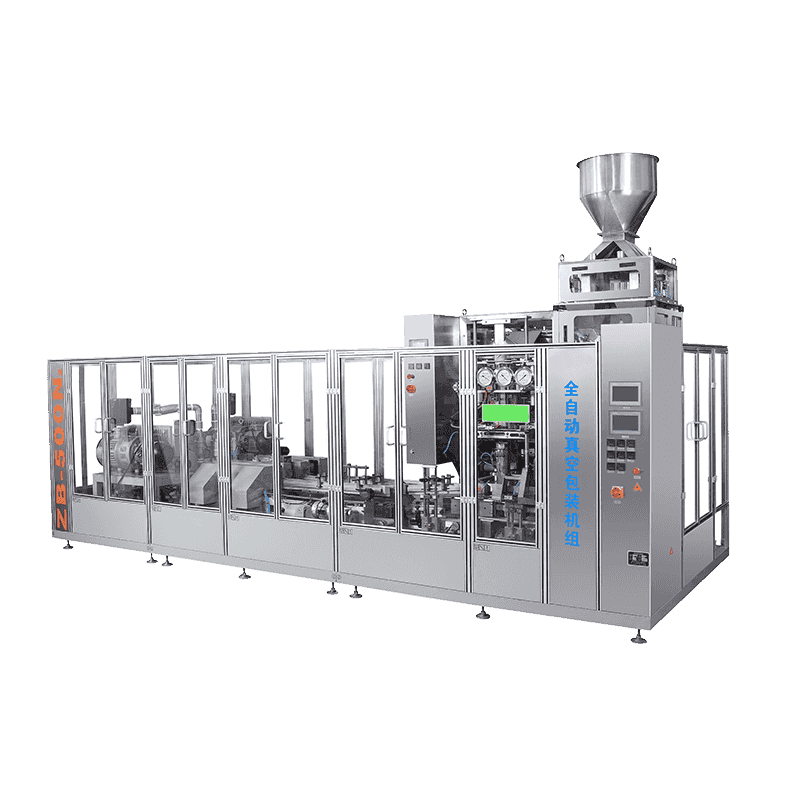



Contact Us