Why auxiliary systems deserve a closer look
When people talk about a packaging line, the main filling or bagging machine usually gets the attention. It is the piece that fills the bag, forms the pouch, or seals the carton. But in our experience, the machines around that main unit often decide whether the line runs smoothly day after day. A checkweigher that quietly rejects an underweight pack, a metal detector that catches a stray fragment, a labeler that puts the right information in the right place, or a conveyor that keeps material moving at a steady pace can matter just as much as the main packer.
That is the practical role of a packaging machinery auxiliary system. It is not one machine. It is the group of support devices that feed, inspect, identify, transfer, and prepare finished packs for shipment. In this guide, we will look at what these systems include, where they sit in a line, how to choose them, and how to keep them working without turning them into a daily headache.
What a packaging machinery auxiliary system includes
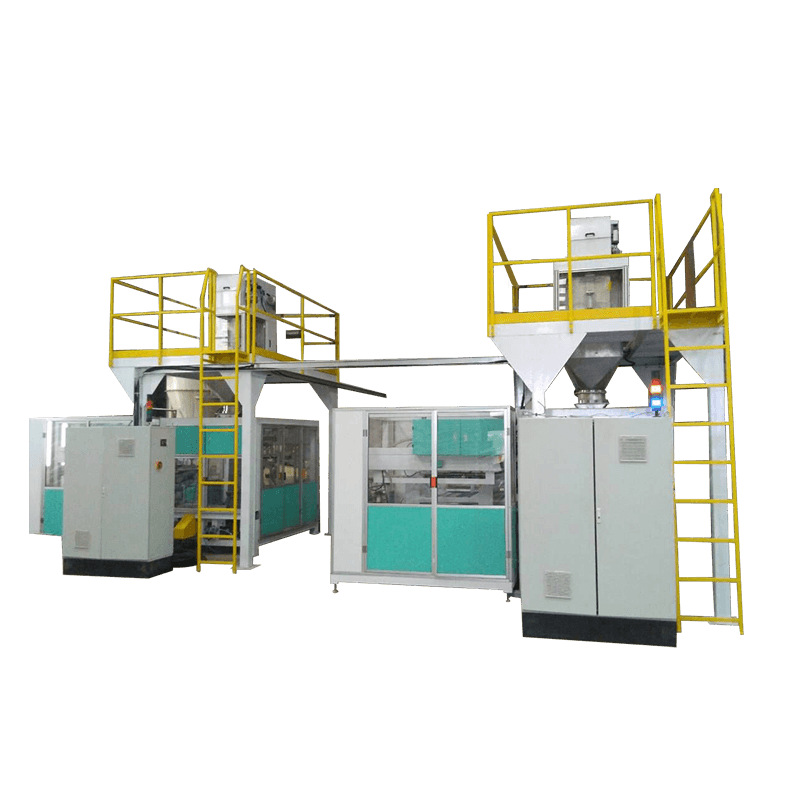
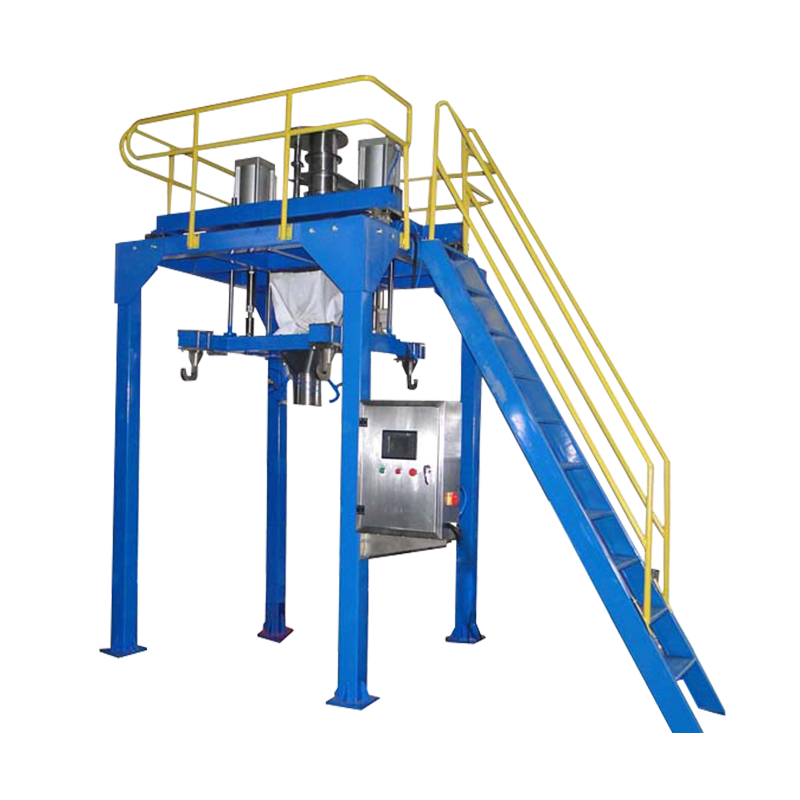
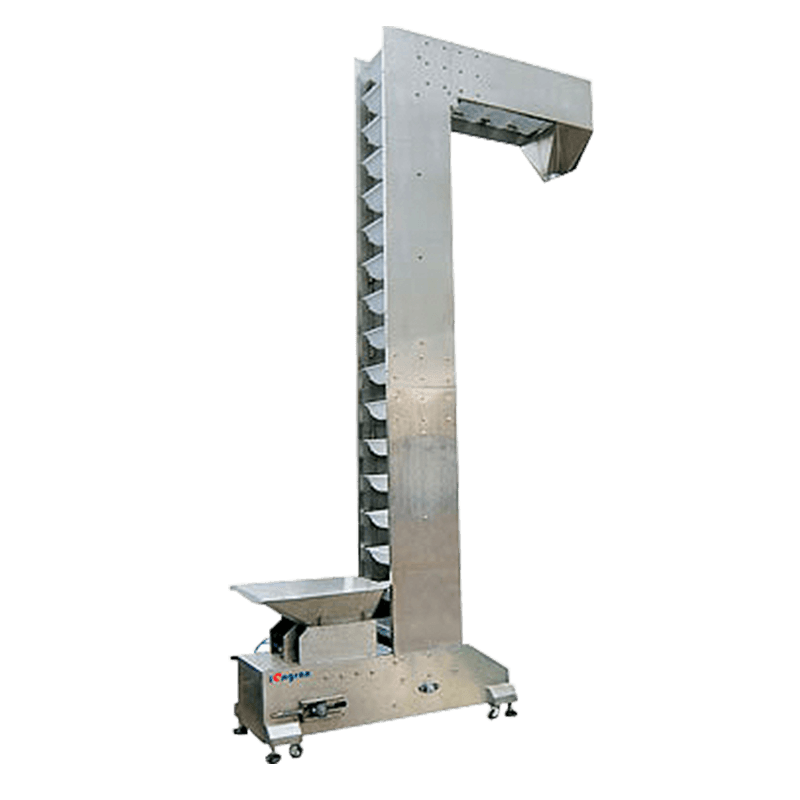
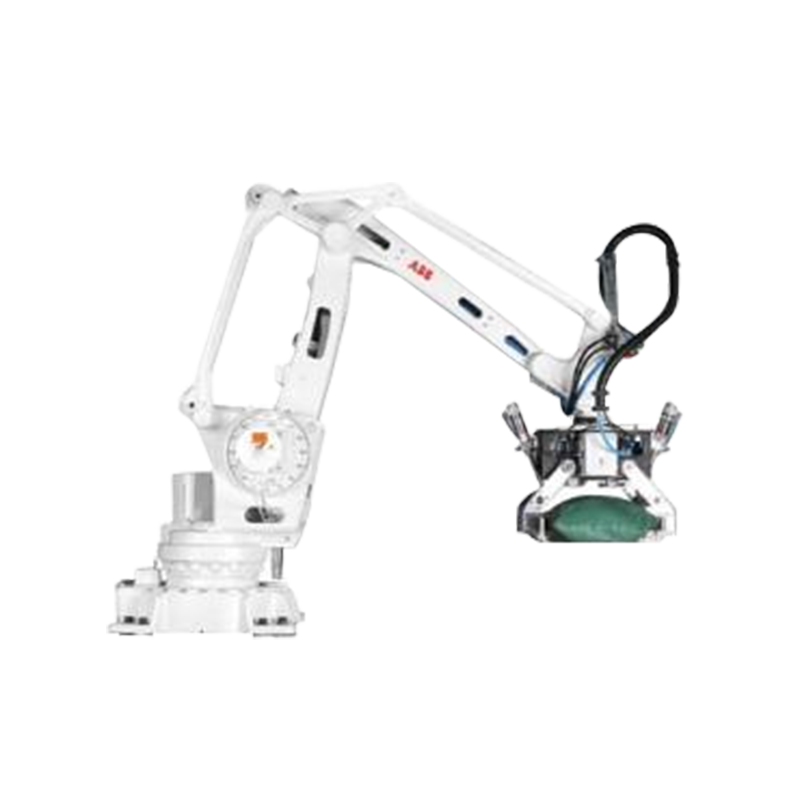
A useful way to think about auxiliary equipment is by the job it does around the core packaging machine. On one side, you have material handling: bucket elevators, feeders, and conveyors that bring granules, powder, or liquid to the filling point. In the middle, you have inspection and identification: checkweighers, metal detectors, labelers, and coding or marking systems. At the end, you have transfer and palletizing equipment that moves finished cases or bags away from the line. These are all part of the auxiliary systems family, and they are usually selected after the main packaging machine, but they should not be treated as an afterthought.
This is especially true when the line handles more than one product form. A powder line may need dust control and gentle handling, while a granule line may need careful transfer to avoid breakage. A food line may need washdown-friendly equipment and clear reject confirmation. A pharmaceutical or chemical line may need tighter traceability and more robust separation of good and rejected packs. The auxiliary system is where many of those practical details are solved.
Where each system sits in the line
Material conveying sits upstream, inspection and labeling usually sit after the primary pack is formed, and palletizing sits at the end. The exact order depends on the product and package, but the principle is simple: each auxiliary device should add control, not complexity. If an extra device slows the line, creates a new bottleneck, or makes changeover harder, it needs a better integration plan.
The jobs auxiliary systems actually do
It helps to separate the work into four practical areas: moving, checking, marking, and preparing for shipment. The table below gives a simple map of the most common auxiliary systems and the production risks they help control.
A simple map of auxiliary systems and the production risks they help control.
| Auxiliary system |
Primary job |
What it protects |
| Checkweigher |
Checks pack weight and rejects out-of-range products |
Weight compliance and material yield |
| Metal detector |
Detects metal contamination and removes affected packs |
Product safety and brand trust |
| Labeler and coder |
Applies labels or prints batch, date, and traceability data |
Identification accuracy and recall readiness |
| Bucket elevator or conveyor |
Moves material or packs between process stages |
Stable flow and reduced manual handling |
| Palletizer |
Builds and transfers finished cases or bags |
End-of-line pace and operator safety |
The checkweigher is a good example of how much value sits in a small footprint. It does not fill the bag, but it confirms that the bag matches the target weight. A good checkweigher also handles reject confirmation, so the operator knows that an out-of-range pack has actually left the line. For a deeper look at precision and rejection logic, this article on checkweigher precision is a useful read.
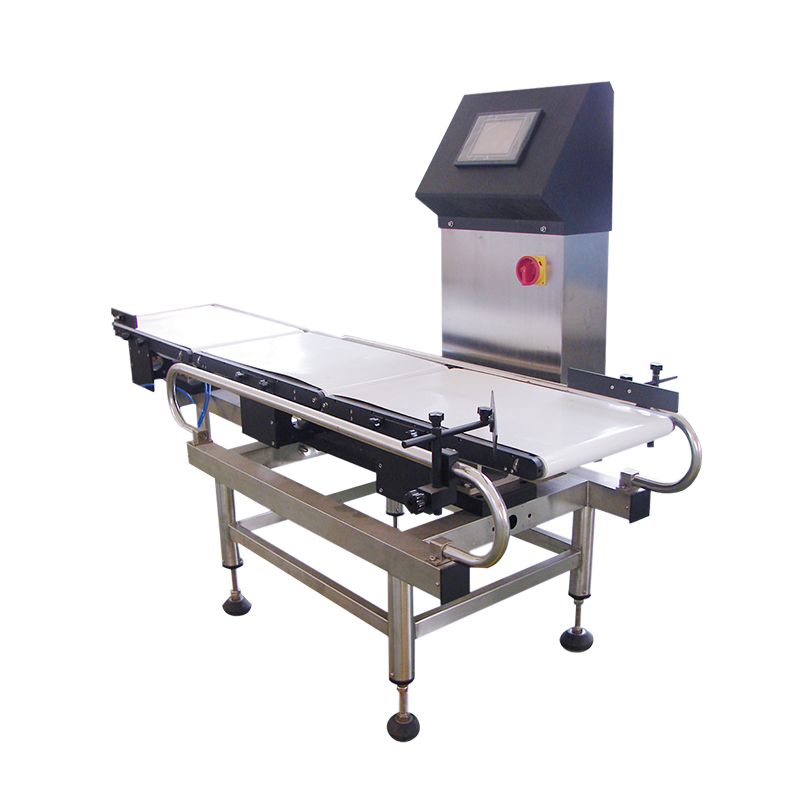 MP-CJB200/CJB2000/CJB30K Automatic Checkweigher and Rejection SystemThis IP66 automatic checkweigher performs dynamic online weighing and automatic rejection, with model options covering different weight ranges and speeds.View Product →
Metal detection follows a similar logic. The device needs to fit the product, the package, and the line speed. A detector that is too sensitive may reject good packs, while one that is poorly placed may miss contaminated products altogether. The reject system matters as much as the detector head. If the reject bin is not checked, or the alarm is easy to ignore, the system is not really protecting anything.
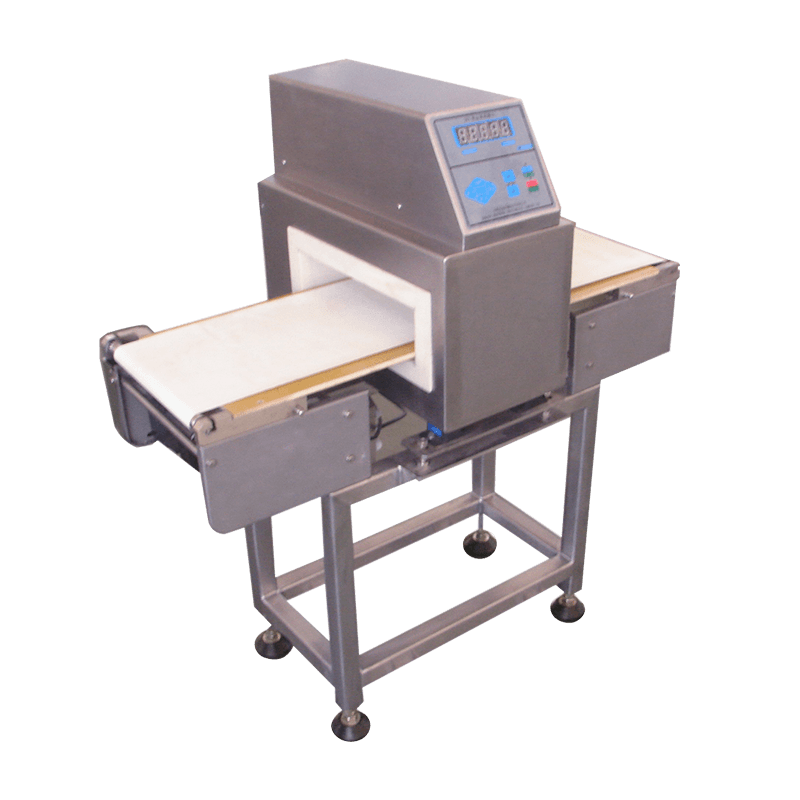 MP-JST2000A/JST2000B/JST5000/V Metal Detector and Reject SystemThis interference-resistant metal detector series offers product memory, automatic reject options, and multiple models for bulk, bagged, bottled, and boxed packaging.View Product →
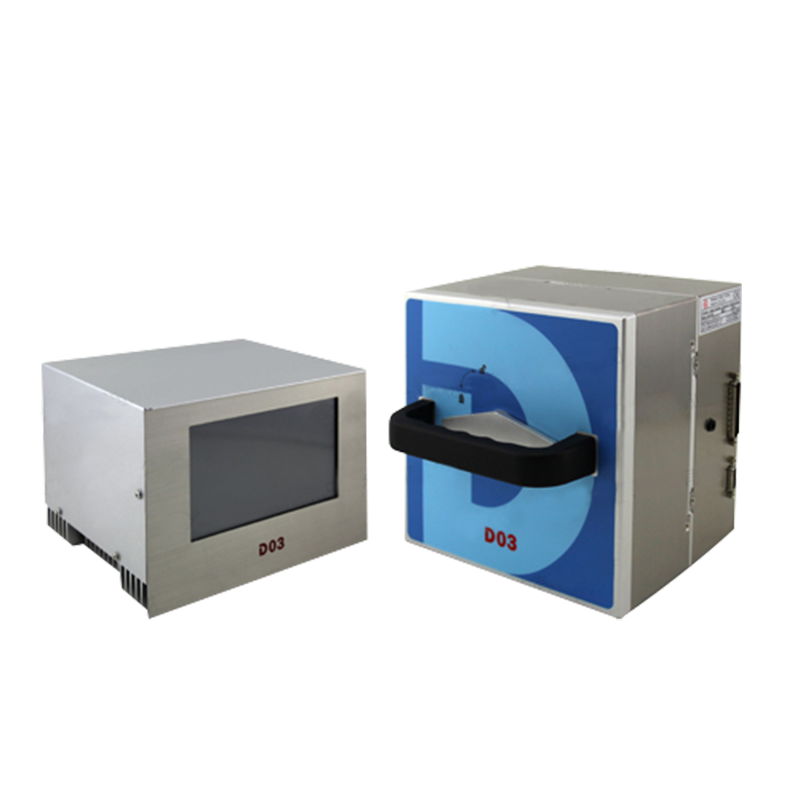
Labeling and coding are just as practical. A missing date code or a misplaced label can stop a shipment, trigger a recall, or create a customer complaint. The best labeling system is not the one with the most features. It is the one that places the label consistently, handles the line speed, and gives the operator a clear way to reload and verify.
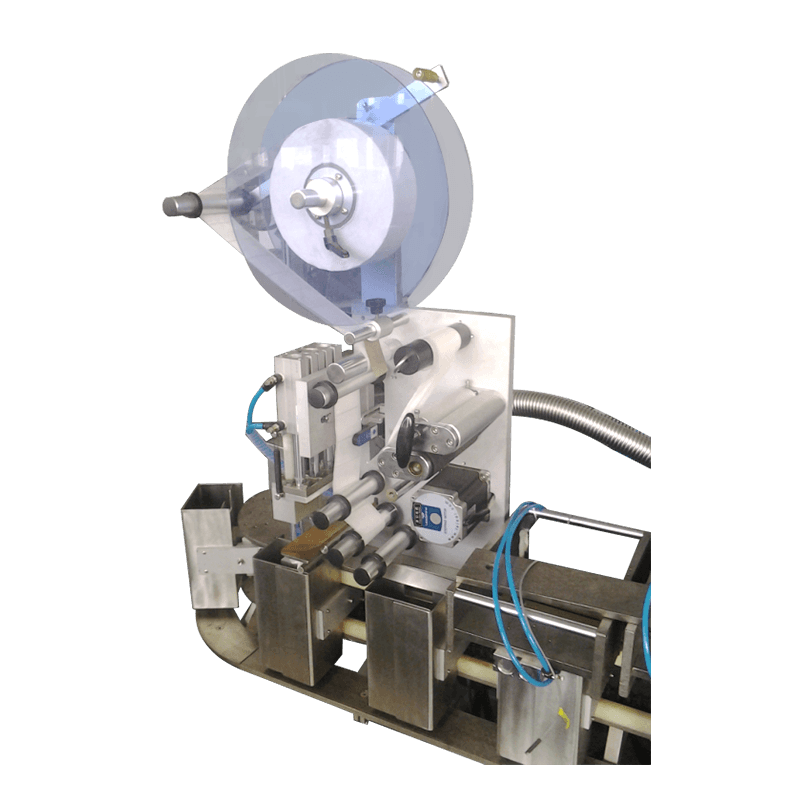 MP-L150 High Precision Automatic Labeling MachineThis automatic labeler is designed for precise, high-speed labeling, with ±1 mm accuracy and a 40–150 pieces/min speed range for production lines.View Product →
Why integration matters more than a spec sheet
An auxiliary system is only as good as its connection to the rest of the line. This is where many projects succeed or fail. A checkweigher may have excellent accuracy in a demo, but if it is installed after a transfer point that shakes the pack, the readings will be unstable. A metal detector may work well on a sample, but if the product has a high moisture content or the package includes metallized film, the settings need careful validation. A labeler may run perfectly on one package size, but changeover to a smaller pack may expose weak guide settings.
In our experience, the best integration work is quiet. The reject confirmation is clear. The alarm is visible but not confusing. The conveyor transfers the pack without tipping it. The sensor windows are easy to reach for cleaning. The operator does not need to guess what the machine is doing. That kind of design comes from thinking about the full line, not just the auxiliary device as a standalone product.
The line is the real machine
When a customer asks for a faster packaging machine, the honest answer is sometimes that the main machine is not the bottleneck. The bottleneck may be a manual case pack, an undersized conveyor, or a labeler that needs frequent adjustment. A line study can reveal those gaps before a large purchase. It can also show where a small auxiliary upgrade will deliver more benefit than a new primary machine.
Choosing auxiliary systems for your product and plant
There is no universal auxiliary package. The right choice depends on the product, the package, the plant environment, and the people who will run the line. These are the questions we usually walk through with a customer:
- What is the product form: fine powder, granules, liquid, or a mixed pack?
- What is the package type and target weight or volume?
- What line speed must the auxiliary system support without becoming the constraint?
- Will the equipment see dust, moisture, washdown, static, or temperature variation?
- Does the auxiliary system need to communicate with an existing packaging machine or plant system?
- Who will clean, calibrate, and check the reject bin, and how often?
- Are spare belts, sensors, print heads, or label rolls easy to source locally?
Food, pharmaceutical, and chemical plants often answer these questions differently. A food line may prioritize washdown and quick changeover. A pharmaceutical line may prioritize traceability and validation. A chemical line may prioritize dust control and heavy-duty construction. The auxiliary system should reflect those priorities instead of being copied from another plant.
Maintenance and operator habits that keep systems useful
Auxiliary systems are often judged by how little attention they need. In reality, they need small, regular attention. A checkweigher that is never verified will drift. A metal detector that is never tested may fail without anyone noticing. A labeler that is never cleaned will eventually misplace labels. The goal is not to create more work. It is to build a short routine that catches problems before they reach the customer.
- Start each shift with a visual check of belts, guides, sensors, and reject bins.
- Verify checkweigher accuracy with known test weights at the start and end of production.
- Run a metal detector test piece through the system and confirm the reject mechanism works.
- Check label placement and code quality on the first few packs and after every changeover.
- Keep a simple log of adjustments, faults, and spare parts used.
These habits also help with troubleshooting. When an operator can say that the reject count changed after a belt replacement, or that label placement shifted after a roll change, the maintenance team can solve the problem much faster. Small records make a big difference.
Phasing an auxiliary upgrade without stopping production
Not every plant needs a full line replacement. Many projects start with one weak point: a manual inspection step, a labeling station that causes rework, or an end-of-line palletizing task that is hard on operators. A phased upgrade can add a checkweigher, a metal detector, or a labeling system without touching the main packaging machine. The key is to plan the interface, the space, and the reject path before the equipment arrives.
At Mach Packing, we prefer to look at the whole line before recommending an auxiliary device. Sometimes the best answer is a different conveyor layout. Sometimes it is a checkweigher with a larger reject bin. Sometimes it is a simple training plan for the shift team. The point is to solve the production problem, not just add another machine to the floor.
The difference between a machine that packs and a line that ships
A packaging machine can fill a bag. A well-designed auxiliary system helps that bag leave the plant correctly, safely, and on time. Checkweighers, metal detectors, labelers, conveyors, and palletizers are not the most visible parts of a packaging line, but they are often the parts that protect quality, compliance, and uptime. When they are chosen with the product and the people in mind, they become quiet contributors to a smoother operation. When they are treated as add-ons, they become daily interruptions. The choice is usually made long before the first pack comes off the line.


 English
 Español
 عربى


Contact Us