Understanding the Core Mechanics of a Weighing Filling Machine
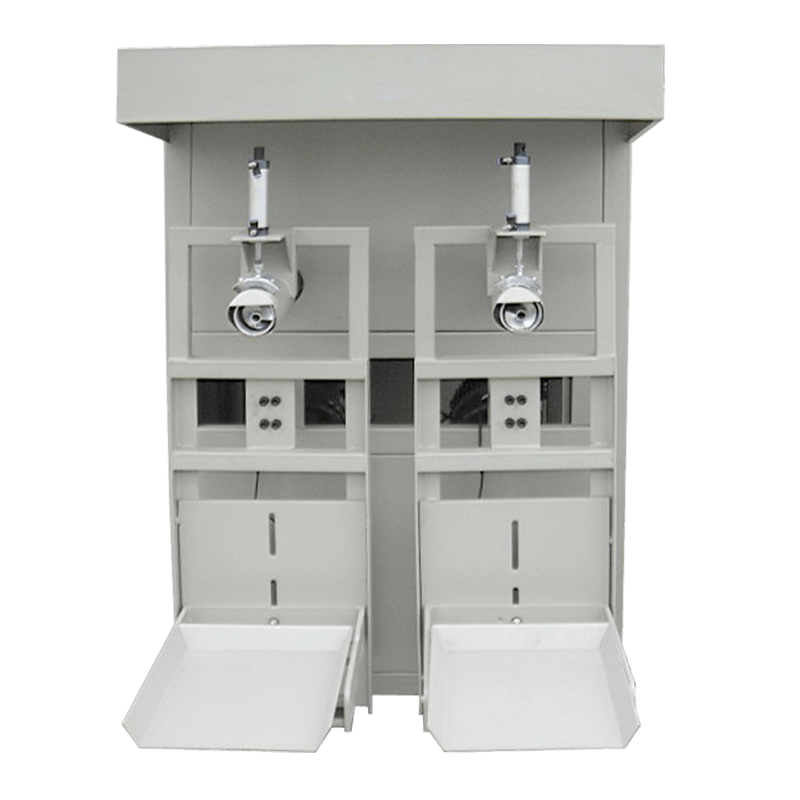
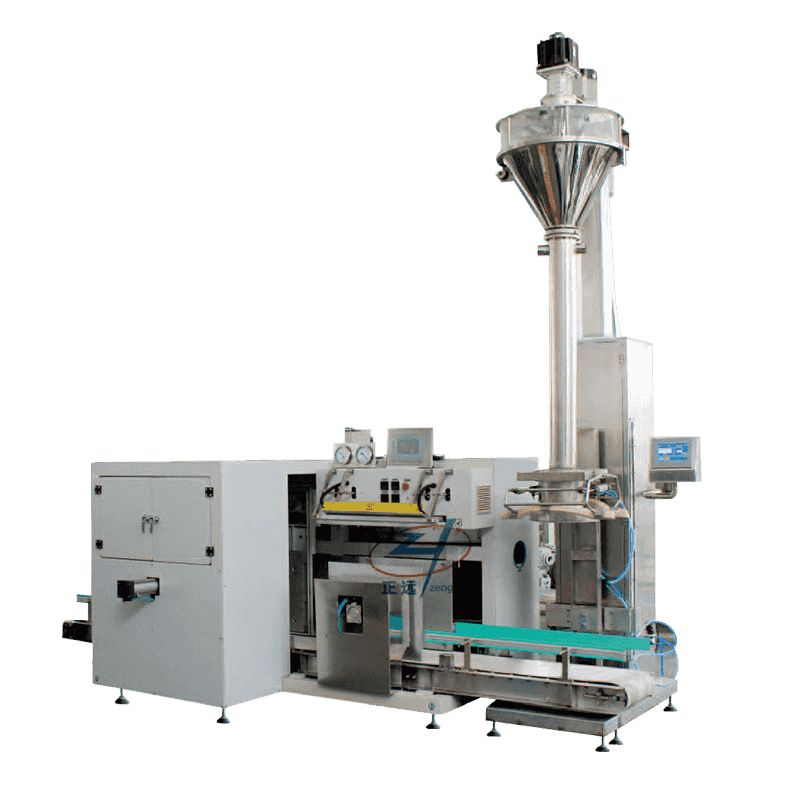
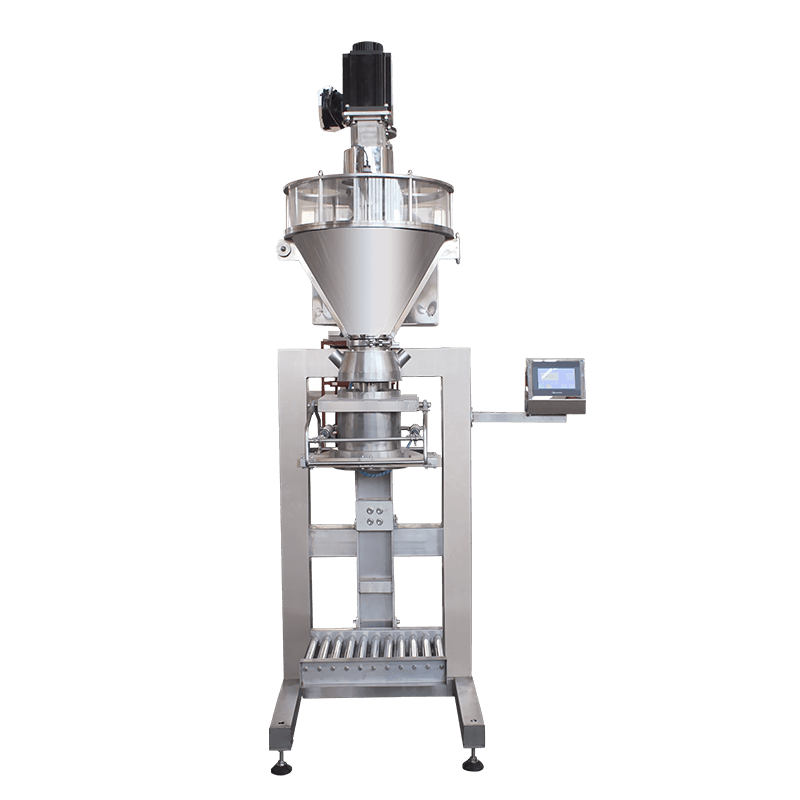
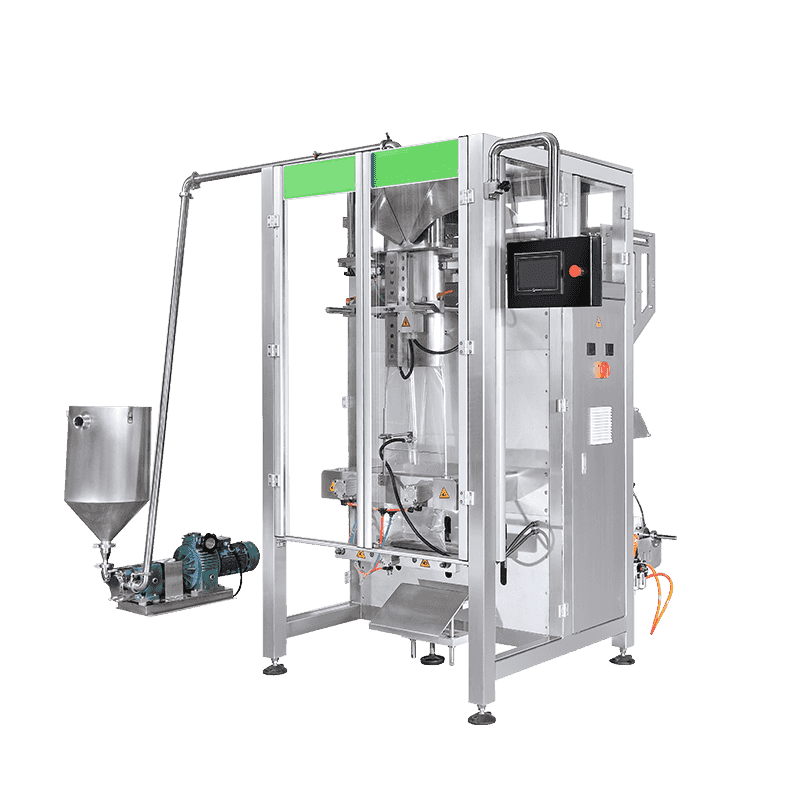
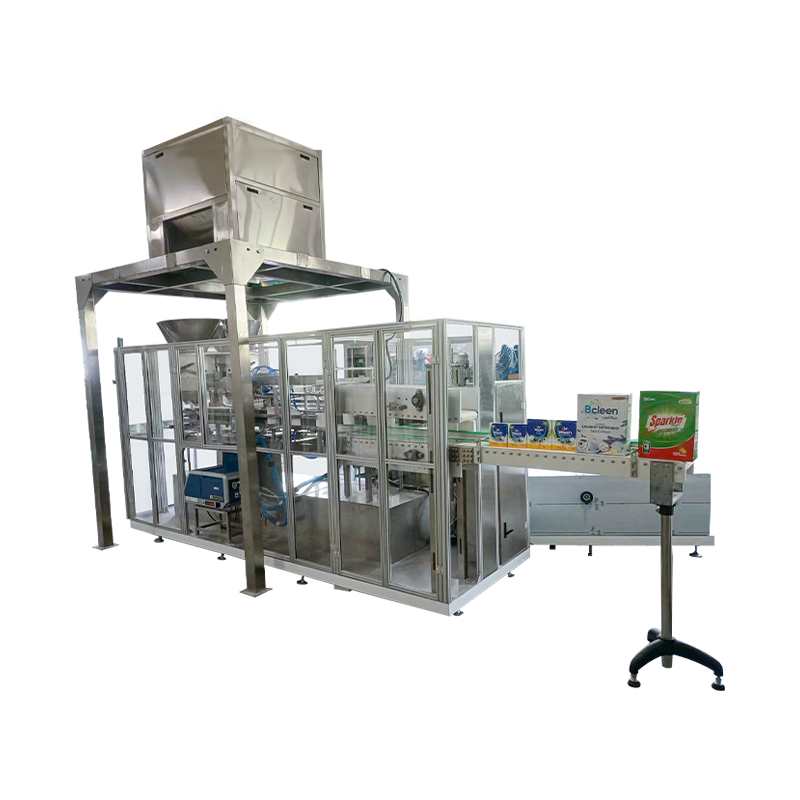
A weighing filling machine, often referred to as a net-weight filler, is a precision instrument designed to dispense products based on actual weight rather than volume. Unlike volumetric fillers that can be affected by changes in product density or temperature, these machines utilize high-sensitivity load cells to ensure every container receives the exact amount of material required. This technology is particularly vital for industries dealing with expensive liquids, granular solids, or products that settle over time, as it virtually eliminates "overfill" waste and ensures compliance with strict labeling regulations.
The process typically begins with the product being fed into a supply hopper. From there, it is metered into the container or a weigh bucket. The system continuously monitors the weight in real-time, often using a "bulk and dribble" method. This means the machine fills the container quickly until it reaches about 90% of the target weight, then slows down to a fine trickle to hit the precise measurement. This dual-stage approach balances the need for high-speed production with the necessity for pinpoint accuracy.
Common Variations and Applications
Depending on your specific production needs, weighing and filling equipment comes in several different configurations. Choosing the right variation depends largely on the physical properties of your product—whether it is a free-flowing powder, a viscous liquid, or a chunky food item.
Linear vs. Rotary Weigh Fillers
Linear weight fillers move containers along a straight conveyor belt and are ideal for small to medium-sized operations because they are easier to set up and change over between different bottle sizes. Rotary weighing filling systems, on the other hand, are designed for high-speed, large-scale industrial plants. They handle containers in a continuous circular motion, allowing for much higher throughput but requiring a more significant footprint and investment.
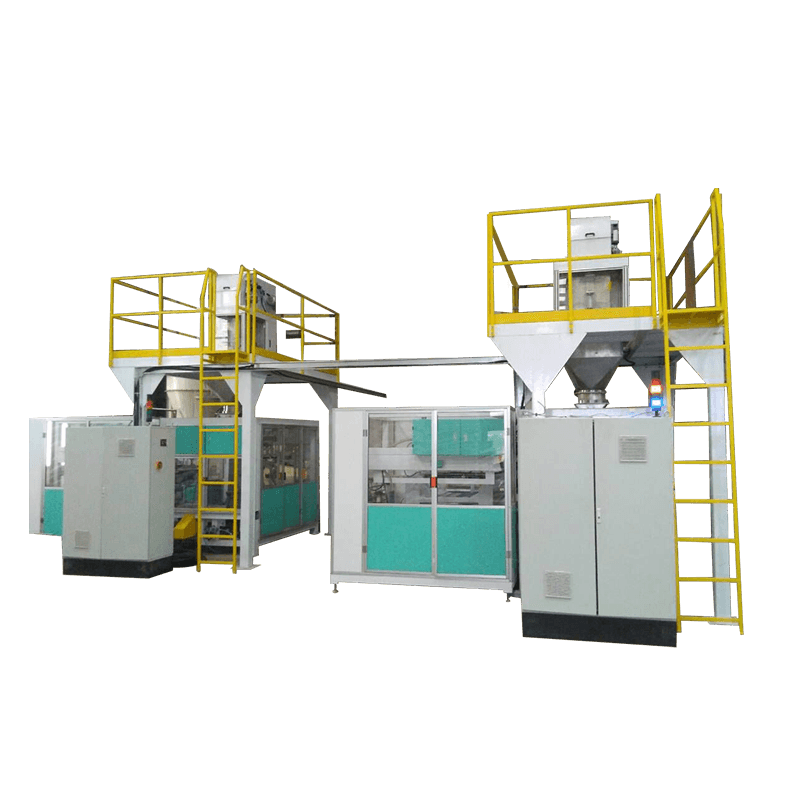
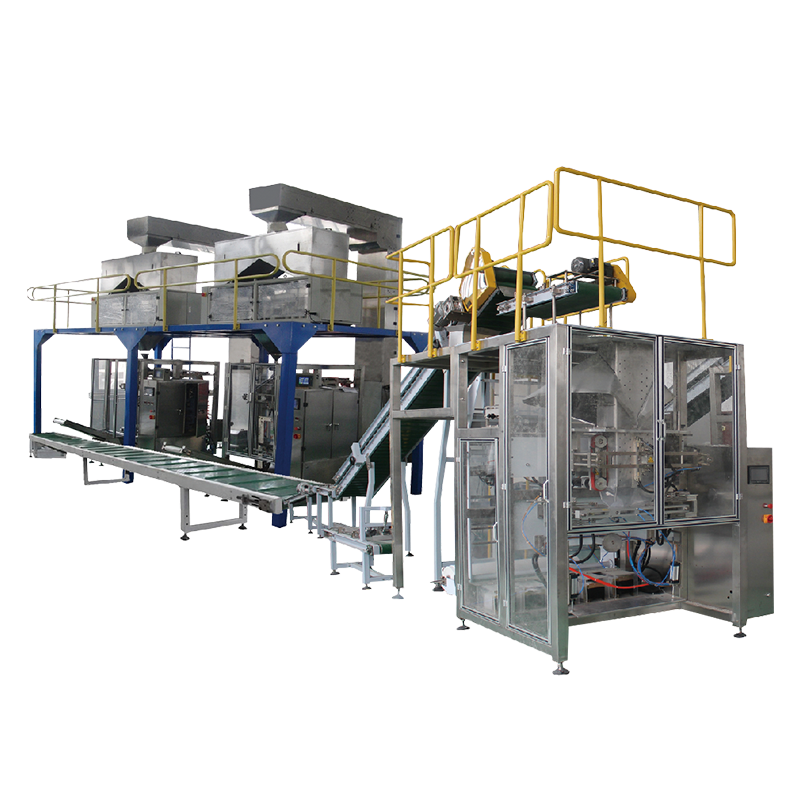
- Automatic Weighing Fillers: Fully integrated into a production line with minimal human intervention.
- Semi-Automatic Benchtop Units: Perfect for startups or laboratory environments where manual container placement is feasible.
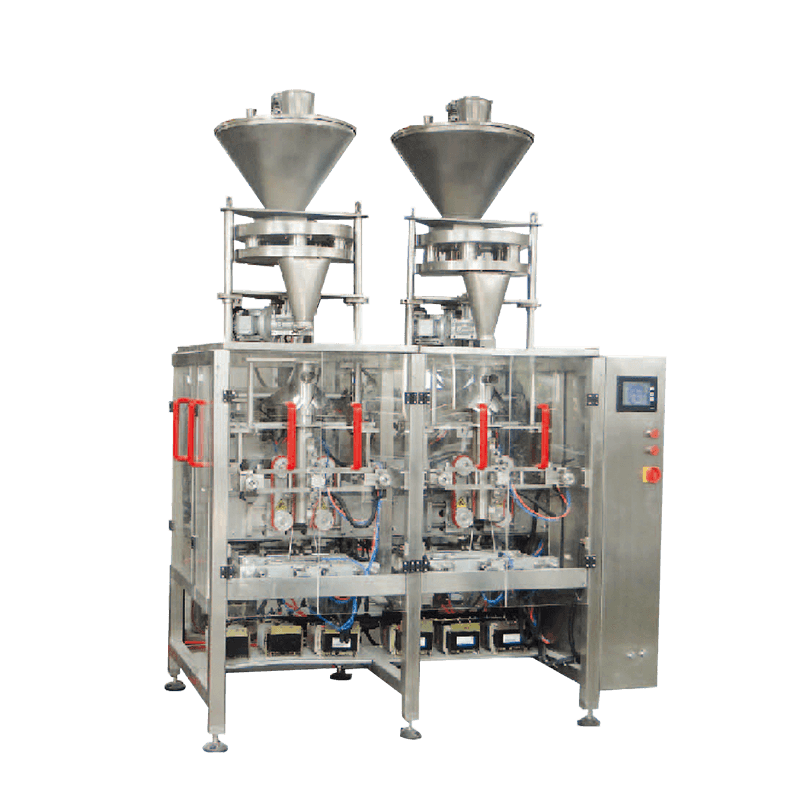
- Multi-Head Weighers: Used primarily for dry goods like snacks or frozen foods to achieve high speeds via multiple scales working in tandem.
Key Advantages of Weight-Based Filling
Switching to a weighing filling machine offers several operational benefits that can directly impact your bottom line. Because the machine measures mass rather than volume, it is immune to the "foaming" or "aeration" issues that often plague liquid fillers. This makes it the gold standard for filling items like detergents, specialty chemicals, and high-end oils.
| Feature |
Benefit to Production |
| High-Precision Load Cells |
Reduces product giveaway and saves money. |
| Digital Interfaces |
Easy recalibration for different product densities. |
| Stainless Steel Build |
Ensures hygiene and meets food-grade standards. |
Maintenance and Calibration Best Practices
To keep your weight-based filling system running at peak performance, regular maintenance is non-negotiable. Since these machines rely on sensitive electronic scales, environmental factors like floor vibrations or strong air currents can sometimes cause "drift" in the readings. It is essential to house the machine in a stable environment and perform daily calibration checks using certified test weights.
Cleaning is another critical factor, especially if you are working with food or pharmaceuticals. Most modern weighing filling machine models feature "clean-in-place" (CIP) capabilities or tool-less disassembly, allowing operators to sanitize the contact parts quickly without risking damage to the load cells. Keeping the mechanical moving parts lubricated and the electronic sensors free of dust will extend the lifespan of your equipment significantly.


 English
 Español
 عربى
عربى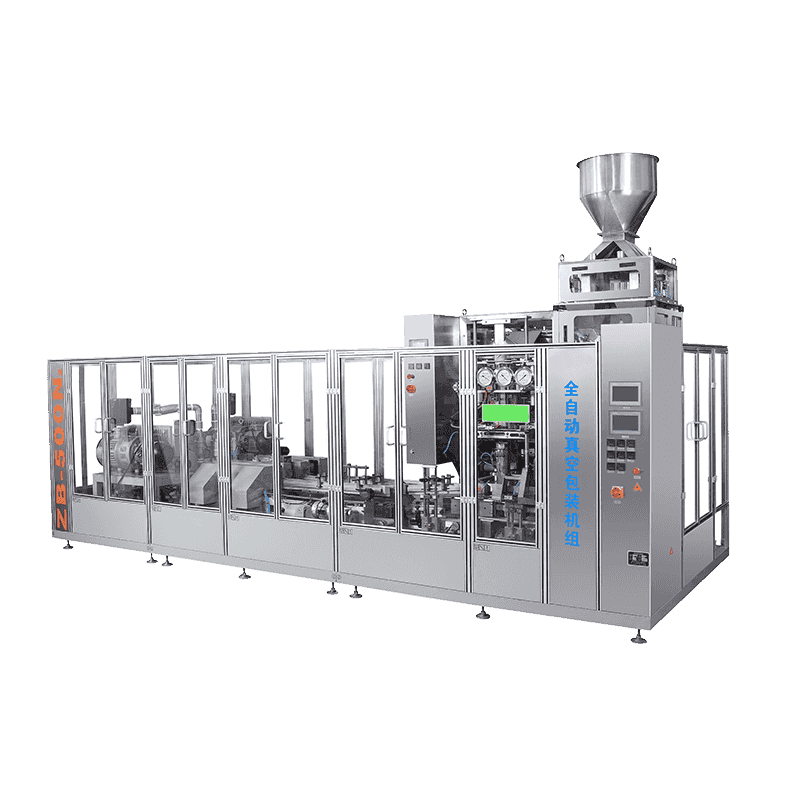


Contact Us