Liquid products have a habit of making packaging look easy, until you run them on a real line. Water moves quickly, syrup drags, sauce climbs the walls of a pouch, and anything aerated wants to foam over the seal. A liquid filling machine is what turns those behaviours into the same predictable number on every pack.
We build filling and packaging equipment for food, pharmaceutical and chemical producers, and most projects start the same way: with a product sample and a question about accuracy. This guide follows that order, product first and machine second.
What a Liquid Filling Machine Really Does
A filler has one core job: deliver a defined amount of liquid into a container and repeat it thousands of times without drifting. The nozzle, tank, pump and control system all exist to make that single job reliable at your target speed.
Containers vary more than people expect. A liquid filler may dose into pre-made pouches, rigid bottles, cups, jars, small sachets formed from roll film, or large containers for bulk products. Some machines fill and seal in one continuous motion; others fill only, and pass the container to a separate sealer or capper downstream. Knowing which of the two you actually need is the first real decision.
Under the surface, the metering method shapes everything that follows:
- Gravity filling — product flows into the container through a valve, controlled by time or by a load cell.
- Volumetric filling — a piston or cup of fixed volume measures each dose, which suits thicker products well.
- Flow meter filling — the machine measures mass or volume electronically as product passes a sensor.
- Pressure and time filling — a simple, low-cost approach where product is pushed for a set duration.
- Pump or peristaltic dosing — product only touches tubing, which helps with sensitive liquids.
If you want the plain-language version first, our overview of what a liquid filling machine is and how the main types differ covers the same ground from the machine's side.
Matching the Filling Principle to Your Product
Two liquids with the same viscosity can behave completely differently on a filler. A juice with pulp, a yoghurt drink and a cosmetic serum each need different nozzle geometry, dosing logic and cleaning routines. Before comparing models, write down four things about your own product: how thick it is, whether it foams, whether it carries solids or fibres, and how it reacts to temperature.
Foam, Drip and Temperature
Foam is the most common reason a fill looks inaccurate when the machine is actually working correctly. The volume is right, the surface is simply unstable. Gentler filling, anti-foam nozzle shapes and bottom-up filling all help. Drip control matters for the opposite reason: a product that strings or drips will contaminate seals and pack surfaces. Temperature control keeps viscosity steady through a shift, which is why warm-fill and cold-fill lines are specified differently.
The table below is the comparison we usually walk customers through first.
Table: how the main liquid filling principles compare for everyday production needs.
| Filling principle |
Where it usually fits |
What to watch |
| Gravity |
Low-viscosity liquids such as water, thin juices and oils |
Foaming at high speed; needs firm container support |
| Volumetric piston |
Sauces, pastes, dairy and other medium to thick products |
Cylinder cleaning between products; solids can block ports |
| Flow meter |
Products where a documented fill quantity matters |
Accuracy depends on stable temperature and flow |
| Pressure and time |
Simple fills where close tolerance is not critical |
Drift as viscosity or tank level changes |
| Pump and peristaltic |
Sensitive, shear-thinning or particle-containing liquids |
Tubing wears and needs scheduled replacement |
Vertical Form-Fill-Seal: A Common Home for Liquid Filling
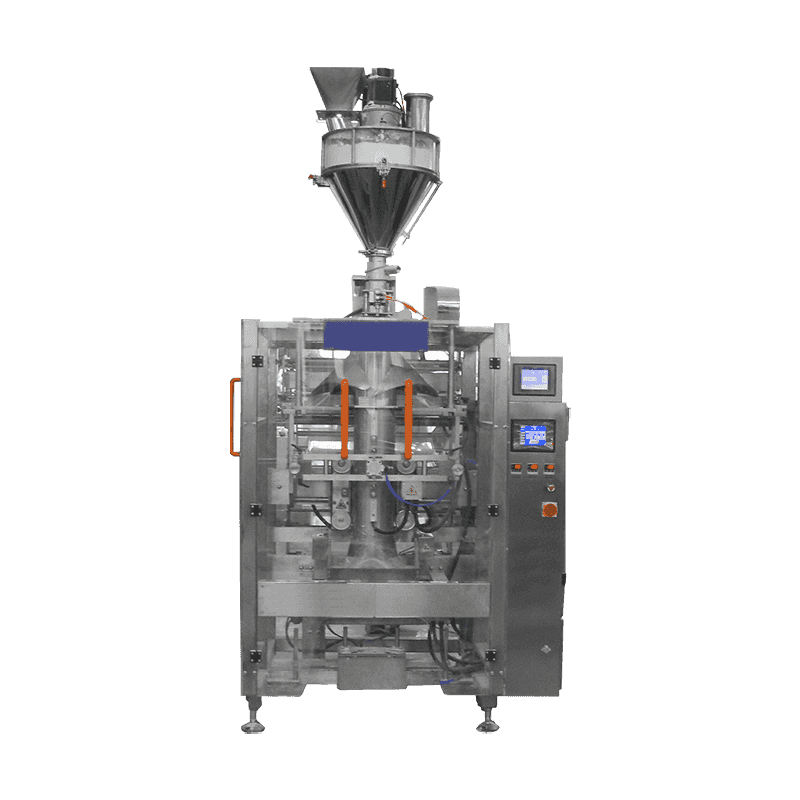
For pouches and sachets, filling is usually built into a vertical form-fill-seal machine, where film is formed into a tube, filled, sealed and cut in one continuous cycle. It is compact, it handles a wide range of pouch formats, and it keeps the product enclosed from the moment it leaves the nozzle. The trade-offs are film quality and seal care, because a weak seal shows up immediately in a liquid pack.
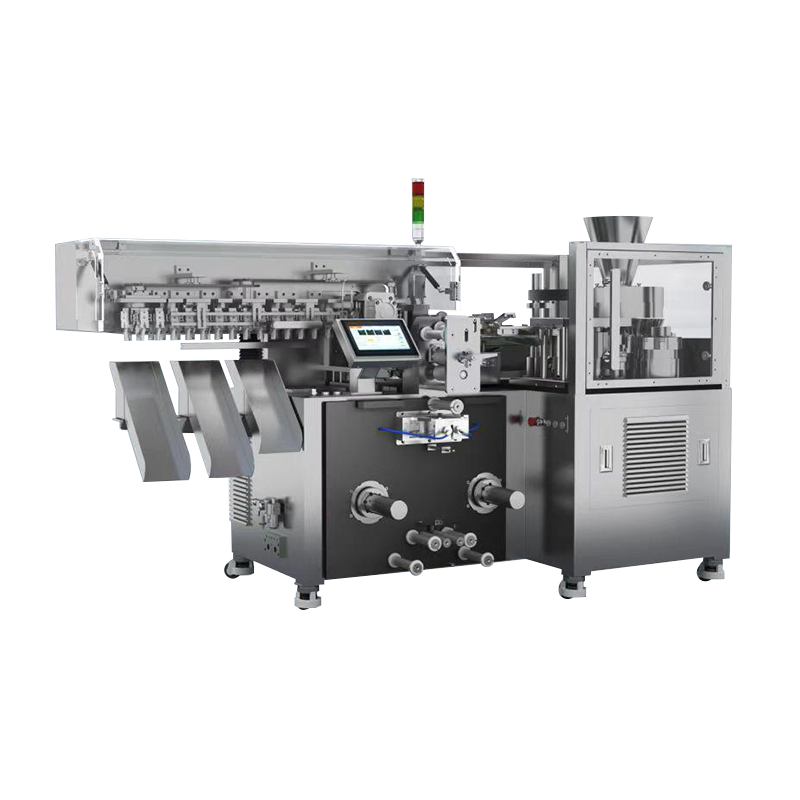
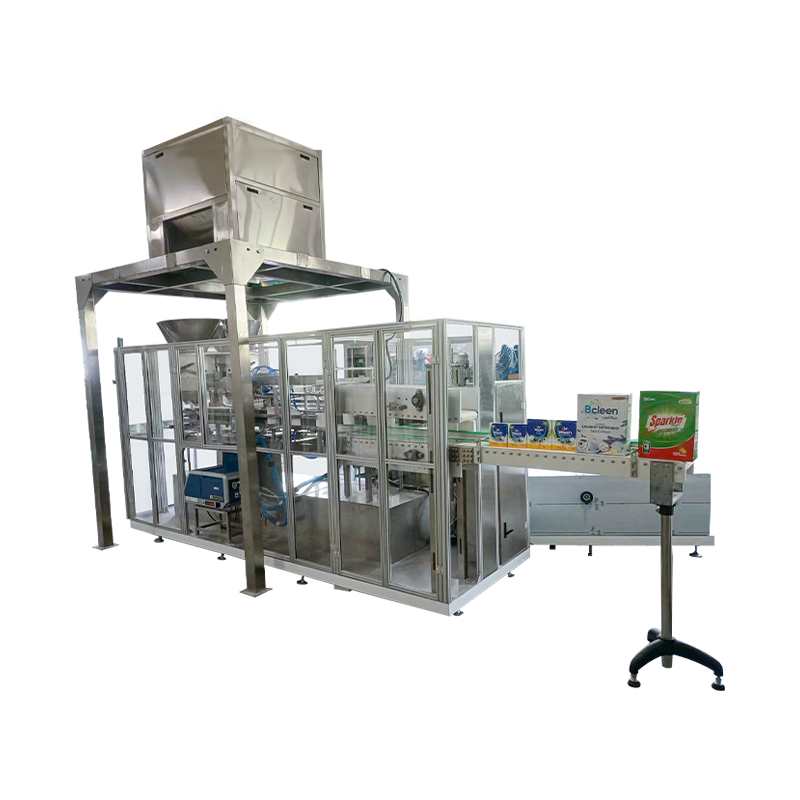
Our own answer to this format is the MP7300GY automatic vertical liquid packing machine, developed for food-industry liquids. It suits producers who want pouches at a steady, unremarkable rhythm rather than a headline speed number.
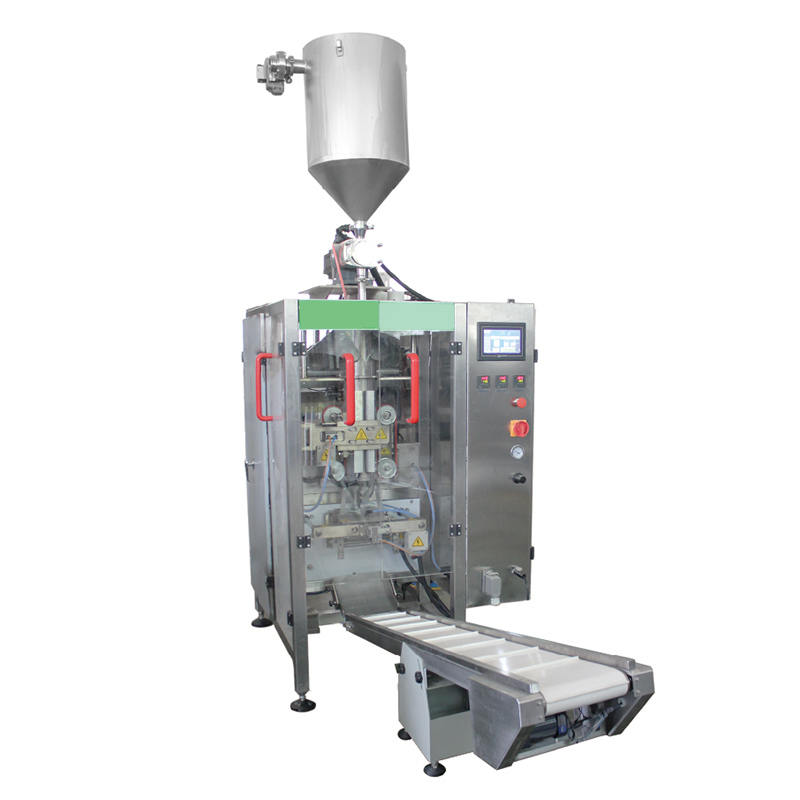 MP7300GY Automatic Vertical Liquid Packing MachineDesigned for high-viscosity food liquids, this vertical packer offers servo rotor metering, automated feeding, and steady pouch output for consistent production.View Product →
When specifying this type of machine, spend your time on three details: film structure and thickness, the pouch format you expect to run most often, and how the sealing jaws are controlled. Those three decide whether you get consistent packs or a daily argument with your own line.
Hygiene, Cleaning and Changeover
Liquid residues are unforgiving. Sugar solutions crystallise, dairy products spoil, and anything with oil leaves a film that traps powder and dirt. Cleanability, then, is a design feature rather than a maintenance afterthought. Look for open frames with few horizontal surfaces, quick-release nozzles and product-contact parts that come off without tools, and stainless steel wherever washing is frequent.
For food and pharmaceutical work, ask how the machine handles cleaning in place, what the product contact materials are, and how long a full changeover takes with your own team. A filler that cleans in thirty minutes changes what you can schedule; one that takes three hours quietly limits your product range.
Keeping Fill Accuracy Under Control
Every filler drifts a little. The question is whether you notice before your customer does. Overfilling costs money on every pack, while underfilling creates compliance risk. The usual safeguard is a checkweigher placed directly after sealing, weighing each pack and rejecting anything outside your tolerance band.
A checkweighing system also gives you something more useful than rejection: data. Trends in average fill weight tell you when a nozzle is wearing, when a pump is losing calibration, or when product viscosity has shifted, long before the deviation becomes a complaint.
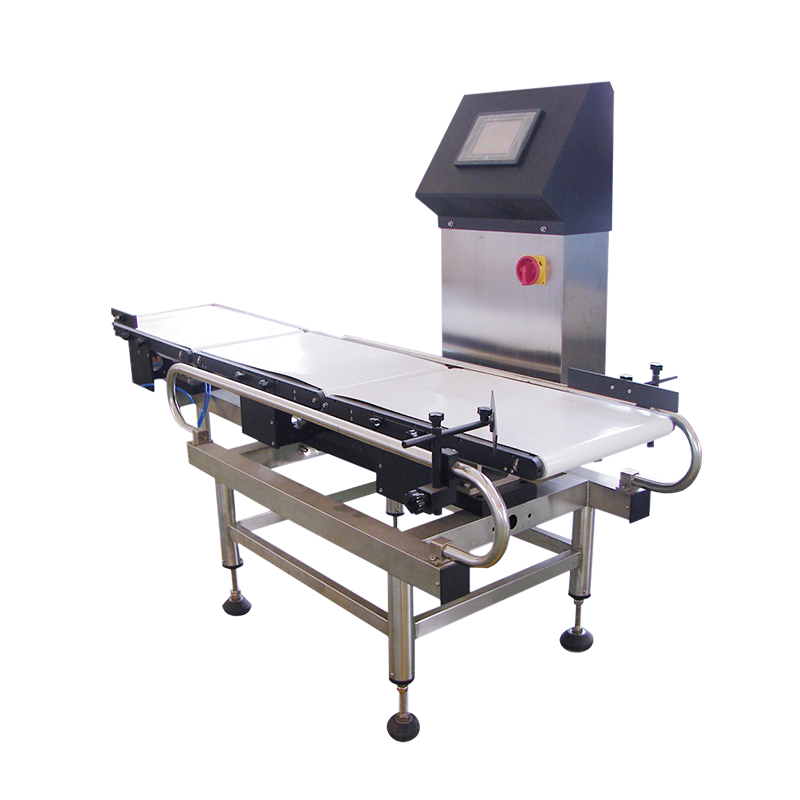 MP-CJB Series IP66 Automatic Checkweigher and Rejection SystemAutomated dynamic checkweigher with IP66 washdown, real-time self-correction, and data trends to catch fill weight deviations early.View Product →
Set that tolerance band with your quality team rather than with the machine supplier. What counts as acceptable is a commercial and regulatory decision, and it is better made before the equipment arrives.
Safety, Traceability and the Rest of the Line
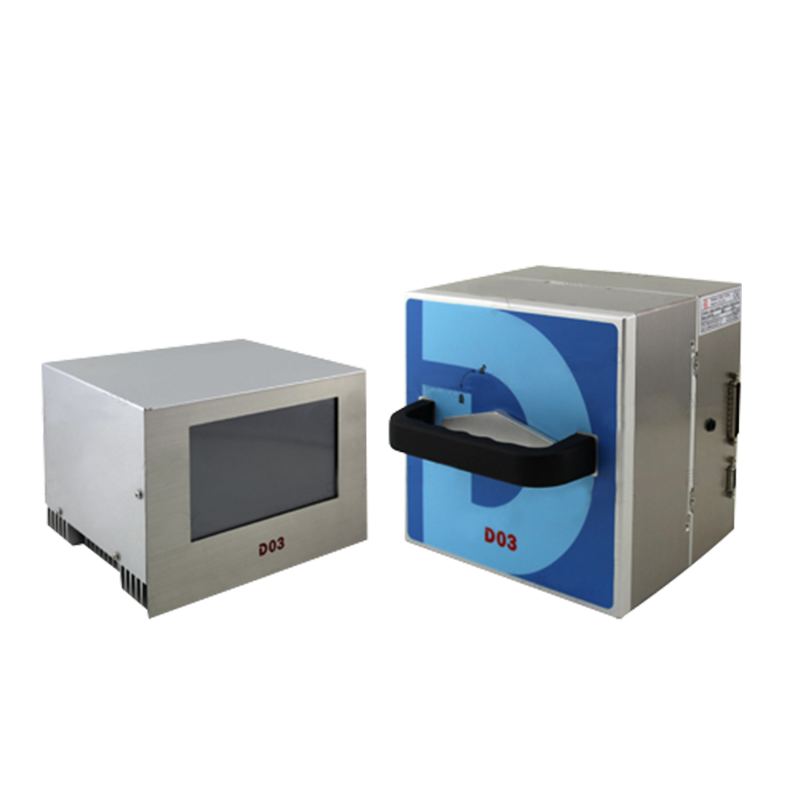
Liquid lines are not only about volume. Metal detection and rejection protect you against fragments from worn tooling or upstream equipment, and they are often a customer requirement in food and pharmaceutical supply chains. Date coding and labelling close the loop, giving every pack a batch number that can be traced back to a production window.
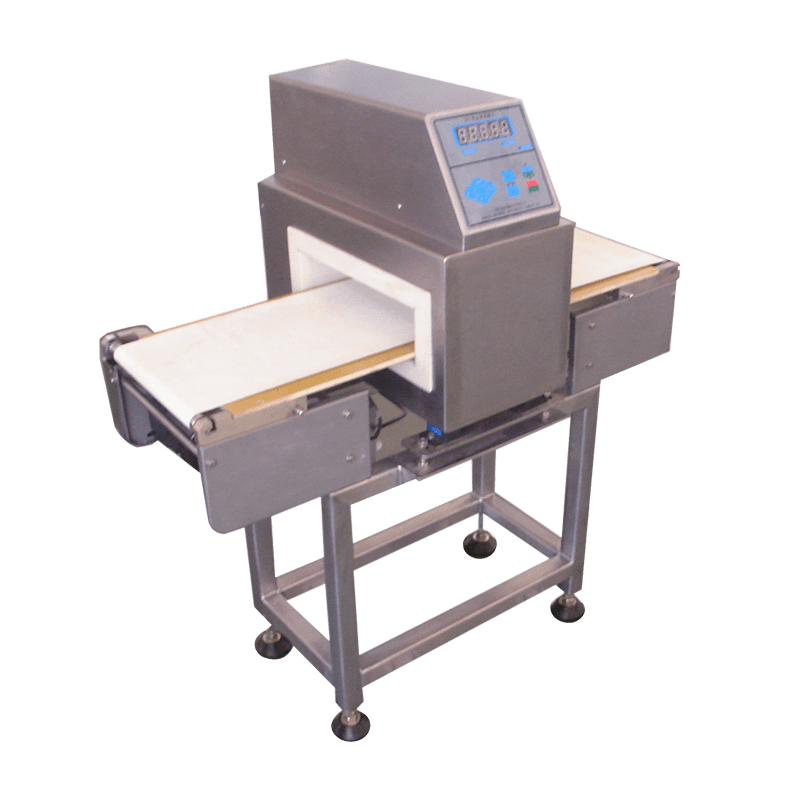 MP-JST Series Interference-Resistant Automatic Metal Detectors and Reject SystemsInterference-resistant metal detectors for food, pharma, and other lines, with PC-based signal processing and rejection to protect against metal fragments.View Product →
These units look small next to the filler, and they are frequently the last thing specified. Bringing them into the conversation early is cheaper than retrofitting them later.
Integrating Filling Into a Wider Packaging Line
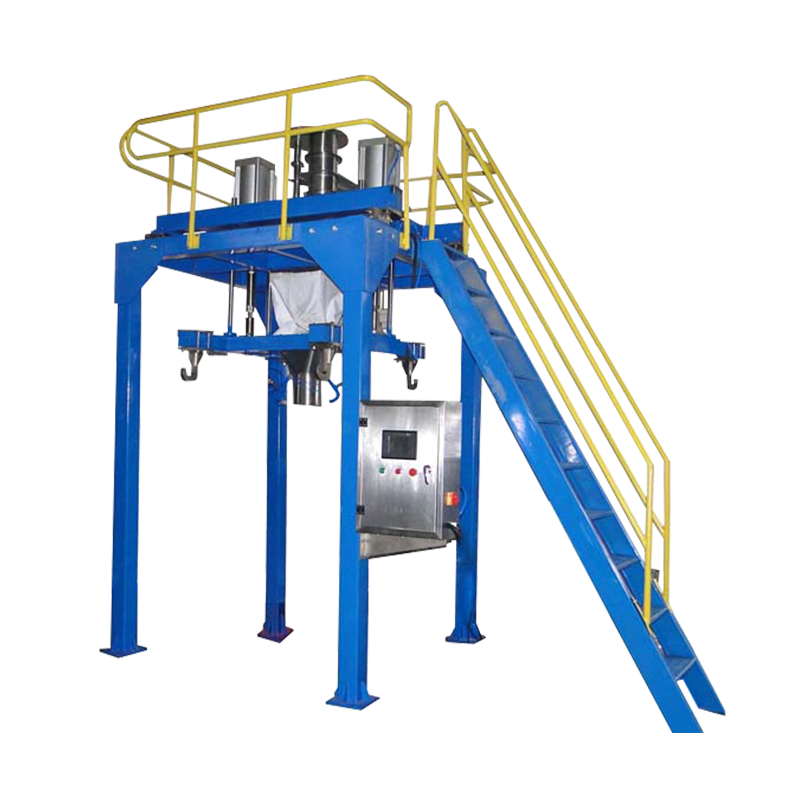
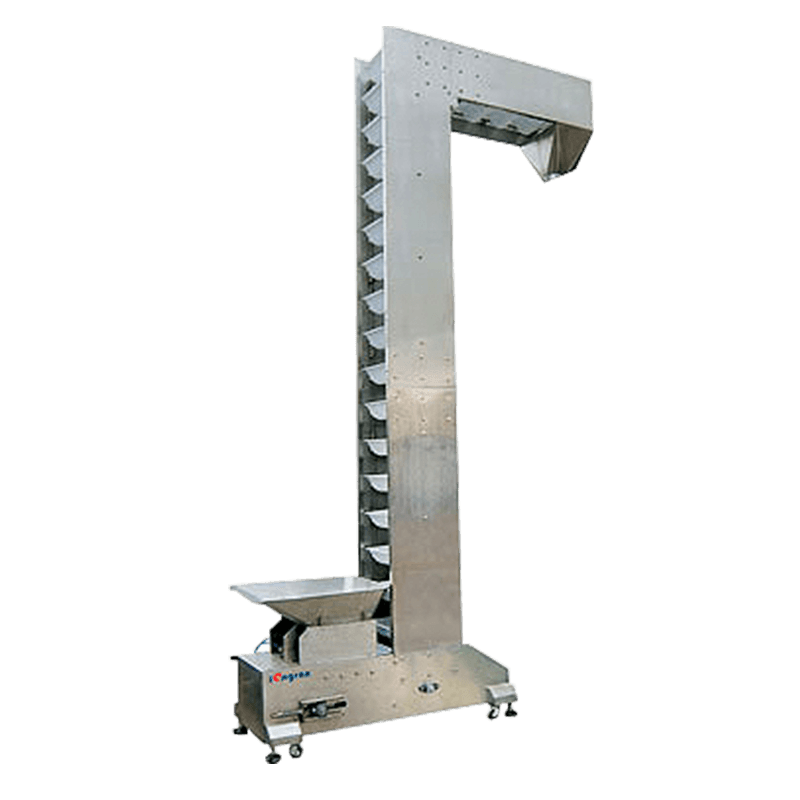
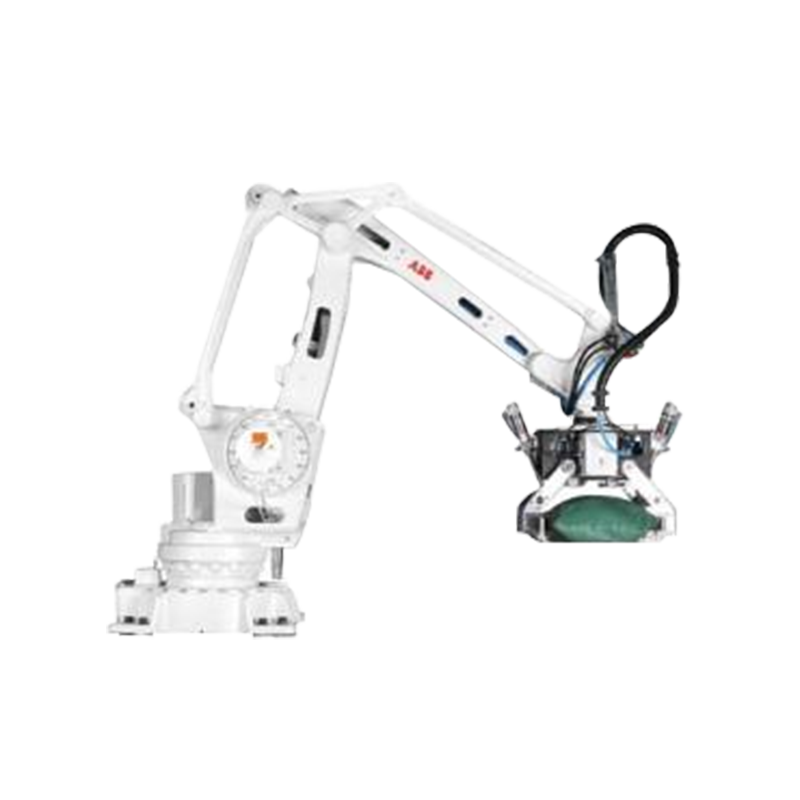
A filler rarely stands alone. Upstream there is product preparation and feeding; downstream there is sealing, coding, checkweighing, metal detection, secondary packaging such as cartoning, and finally palletising. Each stage has its own speed and its own failure modes, and the slowest one sets the pace for the whole line.
That is why we prefer to look at throughput as a line-level number rather than a machine-level one. A very fast filler is wasted if the cartoner cannot accept its output, and a buffer between stages often buys more real capacity than a bigger pump. Our packaging machinery range is organised around that flow logic, from single units through to complete lines.
A Practical Selection Checklist
Before you ask for quotations, work through these points. They will shorten the conversation and reduce the risk of buying the wrong machine.
- Describe your product honestly: viscosity, solids, foam tendency, temperature range and allergens.
- List every package format you expect to run, including the occasional ones.
- Define the fill quantity and the tolerance your quality team will accept.
- State a realistic output target per shift, not your best-case number.
- Confirm the cleaning routine and changeover time you can actually live with.
- Decide which downstream checks — weight, metal, coding, labelling — are mandatory.
- Check the utilities available: power, compressed air, water and floor space.
- Send product samples so trials run on your own liquid, not on water.
None of this is complicated, but it has to be settled in the right order. A liquid filling machine is only as good as the product information behind it, and the projects that run smoothly are usually the ones where samples were tested, tolerances were agreed and cleaning was discussed before the order was signed.
If you are at the beginning of that process, send us a sample of your product and a description of the pack you have in mind. We will tell you which filling principle fits, what accuracy is realistic, and what the rest of the line needs to look like. If a different approach suits you better, we will say so.


 English
 Español
 عربى
عربى



Contact Us