What a Packaging Production Line Is and How It Functions
A packaging production line is an integrated sequence of machines, conveyors, and handling systems that takes a product from its finished manufacturing state through every packaging step — filling, forming, sealing, labeling, coding, inspection, and case packing — and delivers it as a shelf-ready or distribution-ready unit at the end. The machines in a packaging line are connected physically by conveyors or transfer systems and coordinated by a control system that synchronizes their speeds and functions so that product flows continuously through the line without accumulating bottlenecks or gaps.
The fundamental purpose of an automated packaging line is to replace slow, inconsistent, and expensive manual packaging operations with reliable, high-speed, repeatable mechanical processes. Even a modest product packaging line running at 50 units per minute produces 3,000 units per hour — output that would require dozens of manual packers working at a sustainable pace. Beyond speed, a well-designed packaging line delivers consistency that manual operations simply cannot match: every unit sealed to the same specification, every label applied in exactly the same position, every weight check performed on every single unit rather than on a sample.
Packaging lines exist across virtually every manufacturing sector — food and beverage, pharmaceuticals, cosmetics, household chemicals, electronics, industrial goods, and consumer products. The specific configuration of equipment in each line differs enormously based on the product being packaged, the packaging format, the required output speed, and the regulatory environment. Understanding the principles that govern packaging line design helps manufacturers make better decisions about equipment selection, line layout, and automation investment.
The Core Equipment Stations in a Packaging Line
Every packaging production line, regardless of industry or format, is built from a set of functional stations. The specific equipment at each station varies by application, but the sequence of operations and the role of each station follow a consistent logic across most packaging lines.
Product Feeding and Orientation
The entry point of the packaging line is where products arrive from the manufacturing or processing area and are introduced into the packaging sequence. Bulk hoppers, vibratory feeders, bowl feeders, and pick-and-place robotic systems are all used at this stage depending on product size, fragility, and shape. The critical function here is not just feeding — it is orienting the product correctly so that every subsequent machine station receives it in a consistent, predictable position. A product that arrives at the filling or forming station randomly oriented causes jams, misfeeds, and quality rejects that cascade through the entire line. Investing in well-designed product feeding and orientation systems at the line entry significantly reduces downstream problems.
Primary Packaging — Filling and Forming
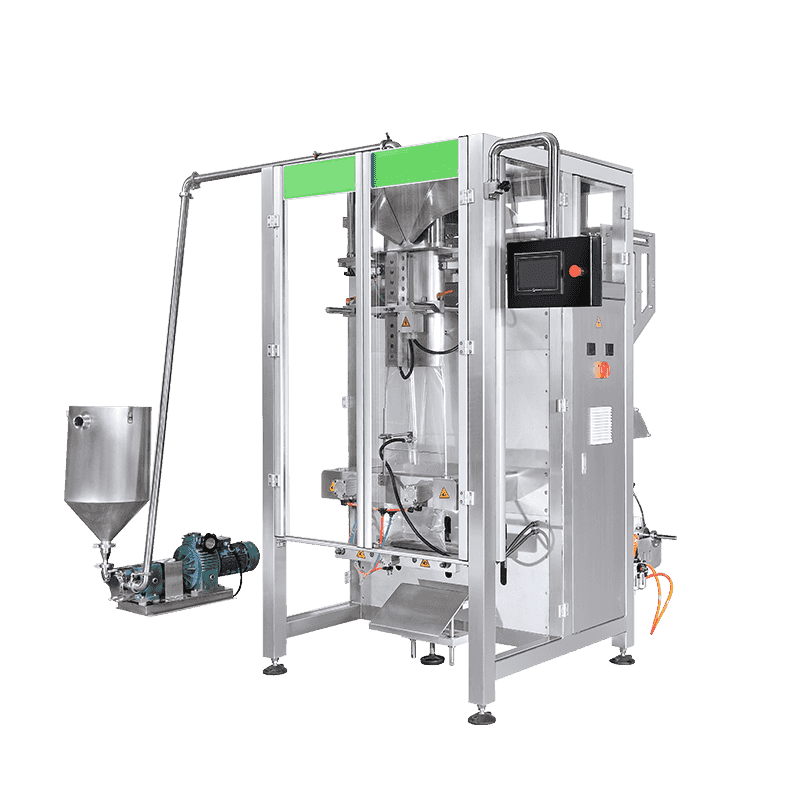
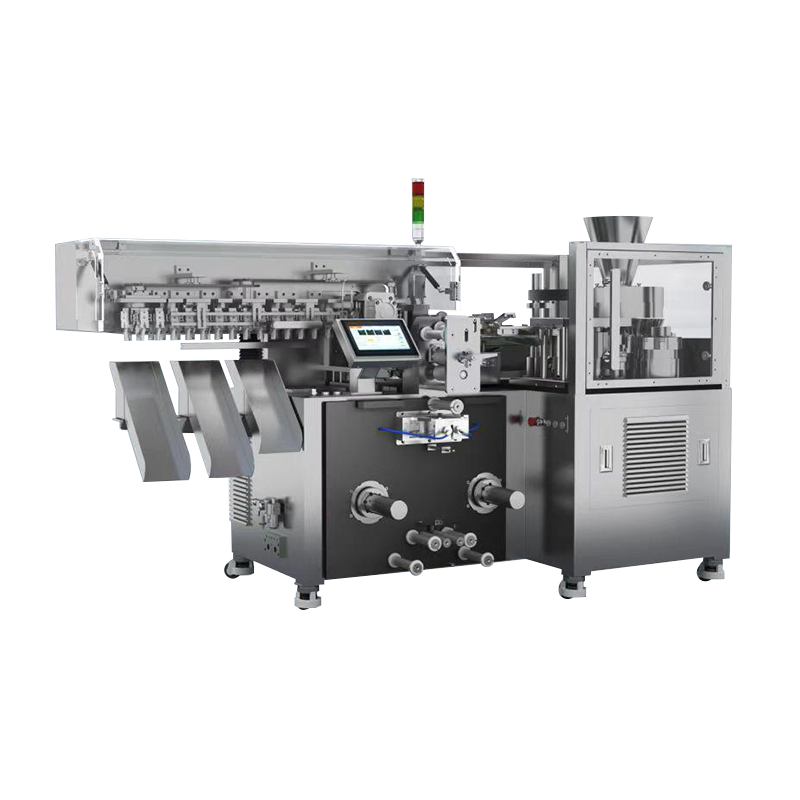
The primary packaging station is where the product makes first contact with its packaging material. For liquid products, this means filling into bottles, pouches, cups, or cartons. For solid products, this might mean placing items into trays, inserting them into flow-wrap film, or loading them into pre-formed boxes. Form-fill-seal machines create the primary container from a continuous roll of packaging film in the same operation as filling and sealing. The primary packaging station is almost always the most technically complex part of a product packaging line and is typically the speed-limiting station that determines the overall line output rate.
Sealing and Closing
After filling, the primary package must be closed and sealed to contain the product, prevent contamination, and establish tamper evidence. Sealing technology varies enormously by packaging format: heat sealing for flexible film pouches and bags, induction sealing for bottles with foil liners, capping machines for screw-cap or press-on lid containers, crimping and folding for tubes, and ultrasonic sealing for specialist plastic welding applications. Seal integrity is critical — a failed seal in a food or pharmaceutical product is a quality and safety issue that can trigger a recall. Packaging lines in regulated industries incorporate seal integrity testing systems immediately after the sealing station to catch failures before they progress further down the line.
Coding and Date Marking
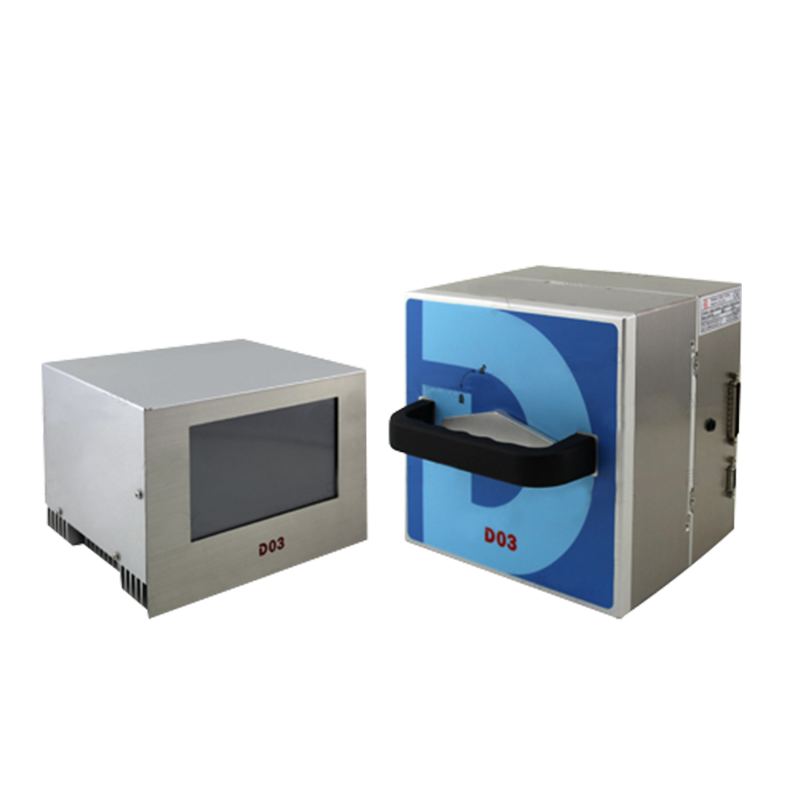
Every packaged product in virtually every consumer and industrial market requires date coding, batch numbering, or traceability marking applied directly to the primary package. Continuous inkjet (CIJ) printers, laser coders, thermal transfer overprinters (TTO), and large-character inkjet systems are the primary technologies used on packaging lines for this function. The coder is typically positioned immediately after sealing so that the code is applied to the sealed, stationary surface rather than trying to print on moving packaging material. Code quality verification systems — vision cameras that read and verify printed codes against a reference — are increasingly standard on packaging lines where code compliance is a regulatory requirement or retailer specification.
Labeling
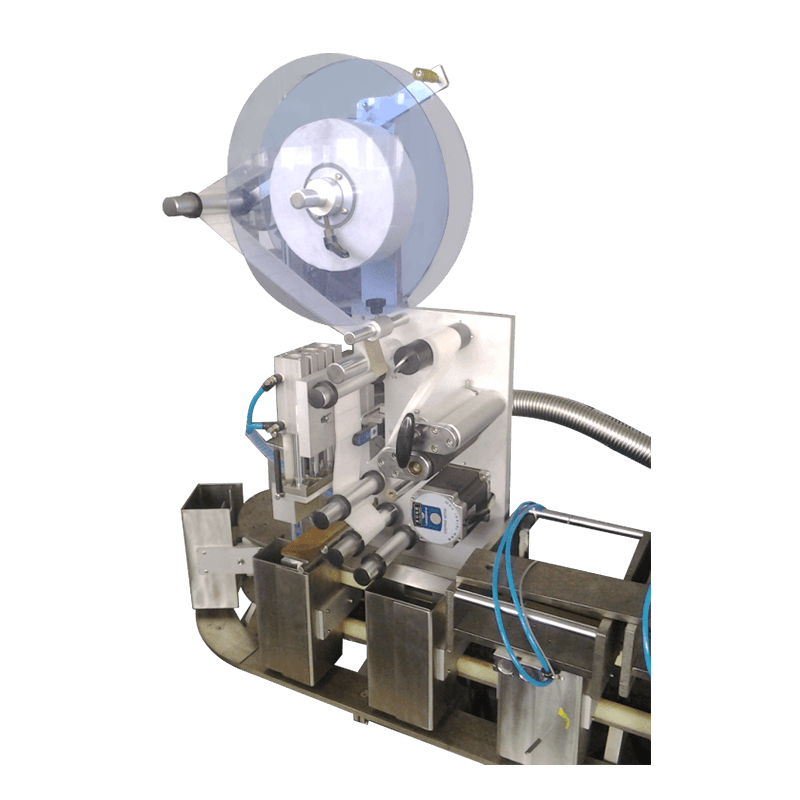
Pressure-sensitive label applicators apply pre-printed labels to containers in precisely defined positions at high speed. Label application systems range from simple single-head applicators for one face of a bottle to multi-head systems that simultaneously apply front, back, neck, and tamper-evident labels in a single pass. Label placement accuracy — typically specified to within ±1mm — is controlled by product sensing, encoder-based conveyor speed measurement, and servo-driven label dispensing. For lines running multiple SKUs, quick-change label systems that allow reel changes and applicator repositioning without tools reduce changeover time significantly. Print-and-apply systems combine an onboard thermal transfer printer with the applicator, allowing variable data — batch codes, addresses, barcodes — to be printed on each label at the point of application.
Checkweighing and Inspection
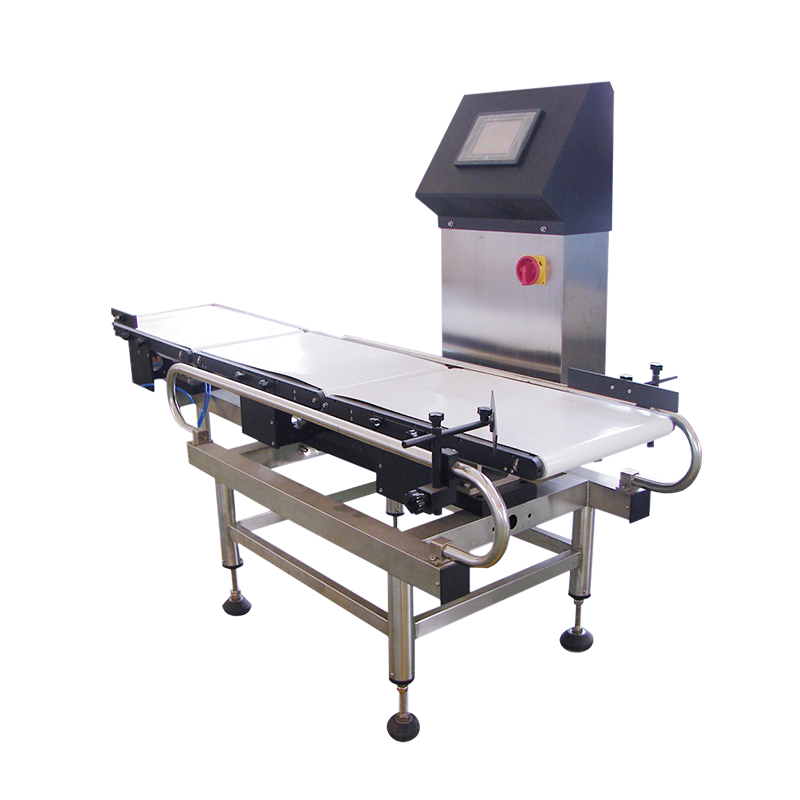
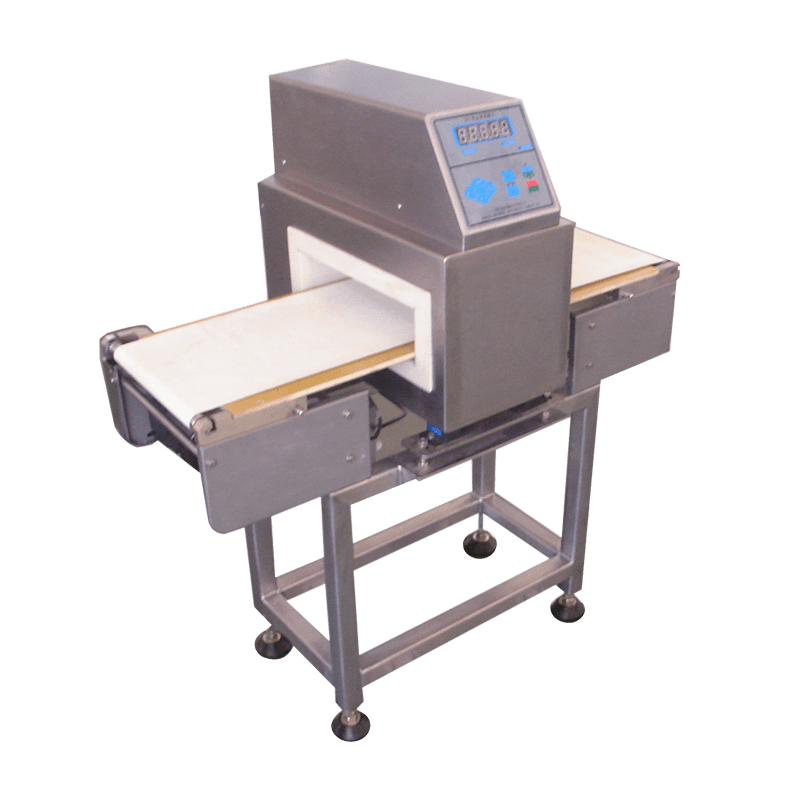
Quality inspection stations are integrated into the packaging line flow to verify that every unit meets specification before it proceeds to secondary packaging. Checkweighers verify that the filled weight falls within the specified tolerance — rejecting underweight and overweight units automatically via an air blast or pusher reject mechanism. Metal detectors or X-ray inspection systems screen for physical contamination. Vision inspection systems check label presence, label orientation, cap application, fill level, and code readability. These inspection stations are not optional add-ons for most modern packaging lines — they are the mechanism by which the line provides documented evidence of product quality for regulatory compliance, retailer audits, and internal quality management.
Secondary Packaging — Cartons, Cases, and Multipacks
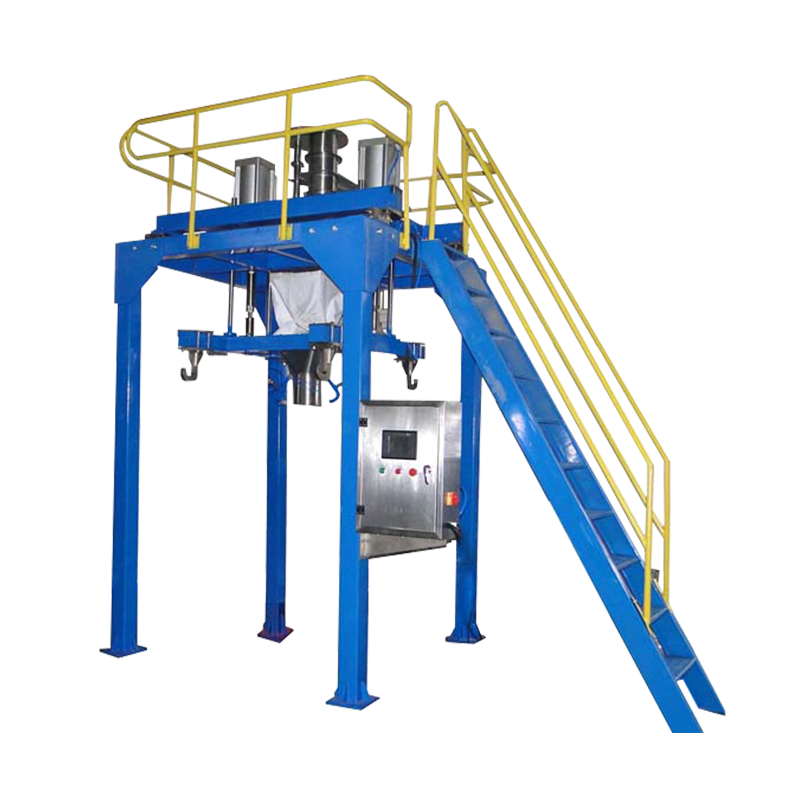
Secondary packaging groups primary packages into retail-ready cartons, shelf-ready packaging (SRP), or distribution cases. Cartoning machines erect flat carton blanks, receive products inserted by a pusher or robotic system, close and glue or tuck the carton ends, and discharge the finished carton onto the outfeed conveyor. Case packers then load groups of cartons or primary packages into corrugated shipping cases using robotic pick-and-place, top-load, or wrap-around case forming. Case sealers apply hot melt adhesive or pressure-sensitive tape to close and seal the shipping case before it moves to the palletizing station.
Palletizing and End-of-Line Handling
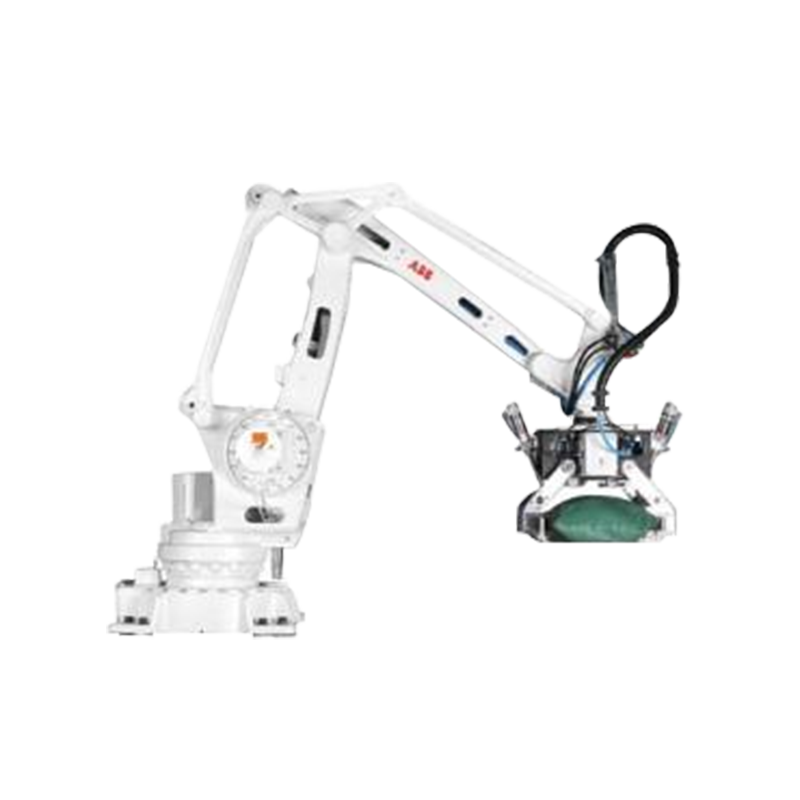
At the end of the packaging line, filled and sealed cases must be stacked onto pallets for warehouse storage and outbound logistics. Conventional mechanical palletizers use layer-forming tables and transfer mechanisms to build pallet loads layer by layer at speeds up to several hundred cases per hour. Robotic palletizers use articulated arm robots with vacuum or mechanical grippers to place cases individually onto the pallet in a programmed pattern, offering greater flexibility for mixed-SKU palletizing and gentler handling of fragile cases. Pallet wrapping machines then apply stretch film around the completed pallet load to stabilize it for transport.
Packaging Line Automation Levels and What They Mean in Practice
Packaging line automation exists on a spectrum from fully manual operations at one end to lights-out fully automated lines at the other. Most real-world packaging lines sit somewhere between these extremes, with the degree of automation calibrated to production volume, product complexity, labor cost, and capital budget.
| Automation Level |
Description |
Typical Output Range |
Best Suited For |
| Manual |
All operations performed by hand |
Up to ~10 units/min |
Startup, artisan, or very low volume |
| Semi-Automatic |
Machines handle key functions; operators feed and remove product |
10 – 60 units/min |
SMEs, variable product mix, moderate volume |
| Automated |
Integrated line runs continuously; operators monitor and maintain |
60 – 300 units/min |
Mid to high volume, consistent product range |
| Fully Automatic |
Minimal operator intervention; automated changeover and CIP |
300 – 1,500+ units/min |
High-volume FMCG, beverage, pharma |
The decision about automation level is ultimately a return-on-investment calculation that must account for current and projected production volumes, labor costs in the facility's location, the consistency demands of the product and market, and the capital available for equipment investment. Automation that makes clear economic sense in a high-labor-cost market may not be justified in a location where skilled labor is abundant and inexpensive. Equally, a semi-automatic line that meets today's volume requirements may become a bottleneck within two years if sales grow as planned — building in capacity headroom during the initial line design is almost always less expensive than retrofitting automation later.
Designing a Packaging Line Layout That Actually Works
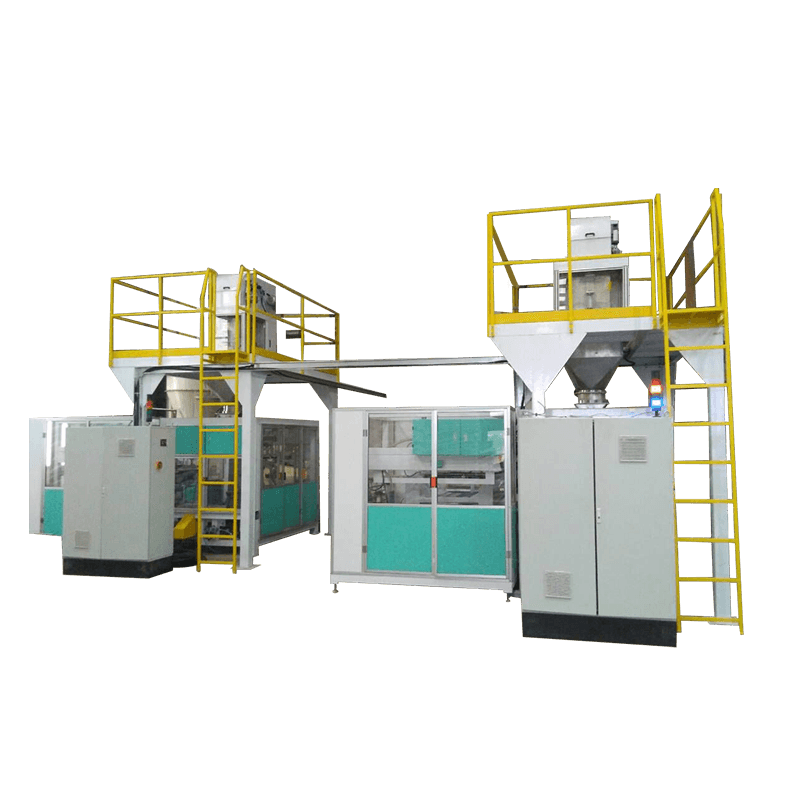
The physical layout of a packaging production line has a profound effect on operator efficiency, changeover time, maintenance access, safety, and the ability to expand or modify the line in the future. A poorly laid out line creates chronic inefficiencies that no amount of machine-level optimization can fully compensate for.
Straight-Line vs. U-Shaped vs. L-Shaped Configurations
Straight-line layouts place all equipment in a single linear sequence from infeed to palletizing, which maximizes conveyor efficiency and product flow simplicity. This configuration works well in facilities with adequate linear floor space and is the easiest to expand by adding stations at the end of the line. U-shaped and L-shaped layouts fold the line back on itself to fit within a smaller floor footprint, which reduces the distance operators must walk between stations but introduces turns in the conveyor path that require careful design to avoid product tipping or orientation problems. For very high-speed lines where a single operator needs to monitor multiple stations simultaneously, a U-shaped layout that positions the infeed and outfeed ends close together can be significantly more efficient than a long straight line.
Buffer Zones and Accumulation Conveyors
Buffer zones — areas of accumulation conveyor between machines — are one of the most important and most frequently underestimated elements of packaging line design. When a downstream machine stops for a brief interruption — a label reel change, a jam clearance, a reject event — the upstream machines continue running and product accumulates in the buffer zone rather than triggering a line-wide stoppage. Well-designed accumulation buffers decouple the machines in the line from each other's momentary stoppages, dramatically improving overall line efficiency. A rule of thumb is to provide at least two to three minutes of accumulation capacity between major machine stations, though the optimal buffer size depends on each machine's characteristic stop frequency and duration.
Access, Ergonomics, and Safety Zones
Every machine in the packaging line must be accessible from at least one side for operator tasks — material loading, jam clearance, minor adjustments — and from multiple sides for maintenance activities. A minimum clear aisle width of 800mm around all equipment is a practical baseline, with wider access required for machines that need complete guarding removal for maintenance tasks. Operator workstations — particularly label and packaging material loading points — should be designed at ergonomic working heights to minimize repetitive strain injury risks. Safety guarding, light curtains, and interlocked access doors must comply with local machinery safety standards and should be designed from the outset rather than retrofitted, as retrofit guarding is invariably more expensive and less effective than guarding that is integrated into the machine and line design.
Understanding Overall Equipment Effectiveness on a Packaging Line
Overall Equipment Effectiveness (OEE) is the standard metric for measuring how productively a packaging production line is actually performing relative to its theoretical maximum. OEE is calculated as the product of three factors: Availability (the proportion of planned production time the line is actually running), Performance (the speed at which the line runs relative to its rated speed when it is running), and Quality (the proportion of output that meets specification and does not require rework or rejection). A world-class packaging line achieves an OEE of 85% or above — meaning that losses to downtime, speed reduction, and quality rejects collectively account for no more than 15% of theoretical capacity.
In practice, many packaging lines operate at OEE levels of 50–65%, which means there is significant hidden capacity already built into the existing equipment that can be unlocked through systematic improvement without any capital investment. The most common OEE losses on packaging lines are unplanned downtime from equipment failures and jams (availability losses), speed losses from running below rated speed to avoid problems, and quality losses from seal defects, fill inaccuracies, labeling errors, and coding failures. Measuring and categorizing these losses systematically — using a simple paper-based system or a dedicated OEE software system — is the foundation of any line improvement program and invariably reveals that a small number of recurring problems account for the majority of total losses.
Key Factors That Determine Packaging Line Cost
The capital cost of a packaging line varies from tens of thousands of dollars for a basic semi-automatic setup to tens of millions for a fully automated high-speed line in a regulated industry. Understanding what drives cost helps manufacturers budget realistically and identify where investment is most productive.
- Output speed requirement: Machine cost scales steeply with speed. A filling machine running at 30 units per minute may cost a fraction of an equivalent machine running at 300 units per minute, even though the basic function is identical. Define the minimum required speed based on realistic production demand plus headroom, and avoid over-specifying speed you will never use — it is the single most effective way to control packaging line capital cost.
- Number of SKUs and changeover complexity: A packaging line running a single product format in a single size is far simpler and less expensive than a line that must switch between dozens of formats, sizes, and packaging styles. Every additional format that must be accommodated adds tooling cost, changeover complexity, and control system sophistication. If flexibility is genuinely required, servo-driven format-change systems and recipe-managed HMI control add cost but reduce changeover time from hours to minutes, which may justify the investment in high-mix production environments.
- Hygiene and regulatory specification: Food-grade, pharmaceutical-grade, and ATEX-rated (explosion-proof) packaging line equipment carries a significant price premium over equivalent equipment built to standard industrial specification. The 316L stainless steel construction, hygienic design features, validation documentation, and explosion-proof components required in these applications add 30–100% to machine cost compared to a standard industrial equivalent. This premium is non-negotiable for regulated applications but should not be specified for lines that don't actually require it.
- Integration and control system complexity: Individual standalone machines are less expensive than a fully integrated packaging line where all equipment communicates on a common network, production data is collected centrally, and a SCADA system provides line-wide monitoring and control. The integration work — network architecture, PLC programming, HMI development, and factory acceptance testing — can represent 20–30% of total project cost on a complex automated line and is frequently underestimated in initial project budgets.
- Installation, commissioning, and training: The cost of physically installing equipment, connecting services, commissioning and debugging the line, and training operators and maintenance staff is typically 15–25% of the equipment purchase cost and must be included in the total project budget. Lines commissioned with inadequate operator and maintenance training consistently underperform their technical potential for months or years after installation.
How to Plan a New Packaging Production Line from Scratch
Planning a new packaging line requires working through a structured sequence of decisions before approaching equipment suppliers. Arriving at a supplier without a clear specification almost always results in being sold a solution that reflects the supplier's standard product range rather than the actual production requirements.
- Document all product and packaging format requirements: List every product that will be packaged on the line, including its physical properties (weight, dimensions, fragility, temperature sensitivity), and every packaging format (container type, size, material, closure type). Include the full range of SKUs anticipated over a five-year horizon, not just current production. This document becomes the technical specification against which all equipment is evaluated.
- Define output requirements and shift patterns: Calculate the required units per hour based on total annual volume, planned shifts per day, days per year, and a realistic utilization factor. A line planned to run at 95% utilization with no allowance for planned maintenance, changeovers, and holidays will fall short of production targets from day one. Build in a minimum of 25–30% headroom above the calculated minimum requirement.
- Map the complete packaging sequence before selecting equipment: Draw out every operation that must be performed on the product from the point it enters the packaging area to the point it leaves as a finished, palletized unit. Include every step — even those that seem trivial, like removing a cap before filling or applying a tamper-evident band after capping. Every step in this map becomes a station on the line, and omitting one during planning leads to expensive retrofits after installation.
- Engage multiple equipment suppliers and request detailed proposals: Once the technical specification is documented, share it with multiple suppliers and request detailed proposals including machine specifications, line layout drawings, throughput guarantees, references from similar installations, changeover time data, and total cost of ownership estimates. Evaluate proposals against the full specification rather than purchase price alone — a cheaper machine that cannot meet changeover time requirements or speed guarantees is not the lower-cost option in practice.
- Visit reference installations before committing: Before placing an order for major packaging line equipment, visit at least one existing customer installation running a similar product and format at a comparable speed. Seeing the equipment running in a real production environment, speaking with operators and maintenance staff about their experience, and observing the actual changeover process reveals information that no brochure, presentation, or factory demonstration can provide.
- Plan the commissioning and ramp-up period realistically: A new packaging line rarely runs at full efficiency from day one. Budget for a ramp-up period of four to twelve weeks during which operators are building proficiency, minor equipment issues are being resolved, and process parameters are being optimized. Maintain sufficient manual packing capacity during this period to meet production commitments if the new line ramp-up takes longer than planned. Setting the commissioning completion milestone as "running at target OEE for a sustained period" rather than simply "installed and running" ensures the supplier remains engaged until the line is genuinely performing as specified.
Improving an Existing Packaging Line Without Replacing It
Many manufacturers look at a struggling packaging production line and conclude that the solution is replacement. In many cases, targeted improvements to the existing line deliver most of the performance gain at a small fraction of the replacement cost. Before committing to a new line investment, it is worth systematically assessing where the existing line is losing performance and whether those losses can be addressed through improvement rather than replacement.
The most productive starting point is a detailed OEE analysis covering at least two to four weeks of production data. Categorize every minute of downtime, speed loss, and quality rejection by root cause and quantify each loss category in units of lost output per week. This analysis almost invariably reveals that 20% of the loss categories account for 80% of the total performance gap — and that the top two or three loss categories can be addressed with targeted engineering changes, maintenance improvements, or operational procedure changes that are far less expensive than new equipment.
Common high-impact improvement opportunities on existing packaging lines include adding accumulation conveyors to decouple machines that are currently causing line-wide stops, upgrading worn mechanical components that are causing recurring jams, improving changeover procedures through pre-staging of materials and toolless adjustment mechanisms, adding vision inspection or checkweighing that is currently absent, and improving operator training and standard operating procedures for both normal operation and fault recovery. These improvements can frequently raise line OEE from 55% to 75% or above without any major capital expenditure, delivering the equivalent of significant additional capacity from the existing installed equipment base.


 English
 Español
 عربى
عربى


Contact Us