What an Automatic Powder Filling Machine Actually Does (and Why It Matters)
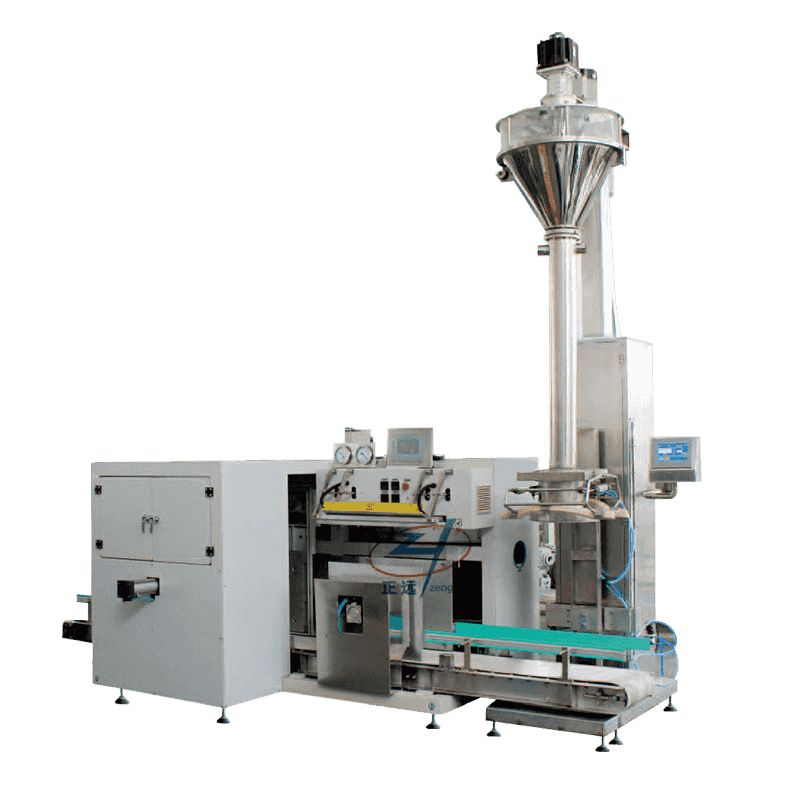
An automatic powder filling machine is a production-line device engineered to measure and dispense precise quantities of dry powder into containers — bottles, jars, pouches, cans, vials, or bags — with minimal human intervention. Unlike manual scooping or semi-automatic setups where an operator must place and remove each container, a fully automatic powder filler handles conveying, indexing, filling, and in many configurations, capping and labeling all in one continuous workflow.
The case for automation is straightforward: manual filling is slow, inconsistent, and labor-intensive. Even a skilled worker filling by hand introduces variability of several percent per container — far too wide a margin for pharmaceutical dosing, nutritional labeling compliance, or cost-effective bulk food production. Automatic powder filling machines close that gap to ±0.5–1% accuracy or better, while running at speeds ranging from 10 containers per minute for small-scale systems up to 300+ containers per minute on high-speed rotary platforms. The result is fewer giveaway grams per container, lower labor overhead, and a packaging line that meets the traceability and hygiene standards required in regulated industries.
The Main Types of Automatic Powder Filling Machines
Not every powder behaves the same way, and not every production environment has the same throughput requirements. The type of filling technology you choose determines how well the machine handles your specific powder and how accurately it doses at your target speed. There are four primary filling technologies used in automatic powder filling machines, each suited to different product and production profiles.
Auger Filling Machines
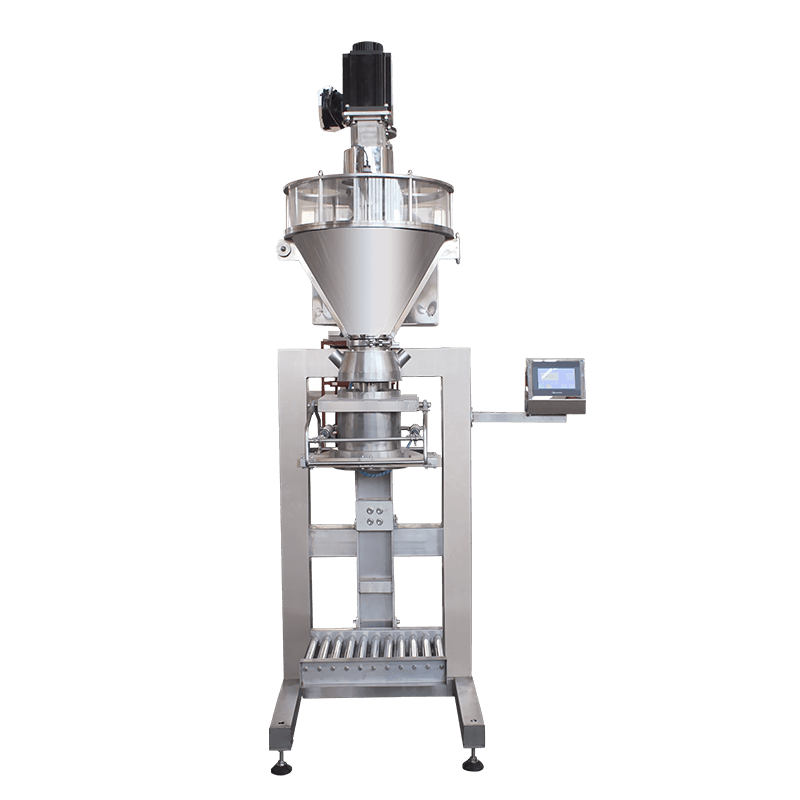
The auger filler is the most widely used technology for powder filling, and for good reason. A rotating helical screw (the auger) inside a filling tube pushes powder from a hopper downward into the container below. The amount dispensed per cycle is controlled by the number of auger rotations — fractional or multiple — which is regulated by a servo motor connected to a PLC system. Auger fillers handle fine, cohesive, non-free-flowing powders exceptionally well: spices, protein powder, pharmaceutical active ingredients, coffee, flour, talcum, and dry chemical compounds all fall into this category. Servo-driven auger fillers deliver accuracy in the ±0.5–1% range for consistent powders. Fill ranges typically span from less than one gram (micro-dose pharmaceutical applications) to over 2 kg per cycle. A stirring bar inside the hopper keeps bridging-prone powders moving toward the auger, preventing feed stoppages.
Volumetric Cup Fillers
Volumetric cup fillers use a rotating disc with cavities of a fixed volume. As the disc turns, each cavity is filled from the hopper above, then rotated to a discharge position where gravity drops the product into the container below. These machines are fast, mechanically simple, and cost-effective to run. They perform best with free-flowing, granular products — sugar, salt, rice, and coarse coffee grounds — where particle size and bulk density are consistent enough that a fixed volume reliably equates to a consistent weight. The limitation is that volumetric cup fillers are less accurate than auger systems for fine or cohesive powders, and any significant change in bulk density (due to humidity or particle size variation) shifts the fill weight without automatic correction.
Net-Weight and Checkweigher-Integrated Fillers
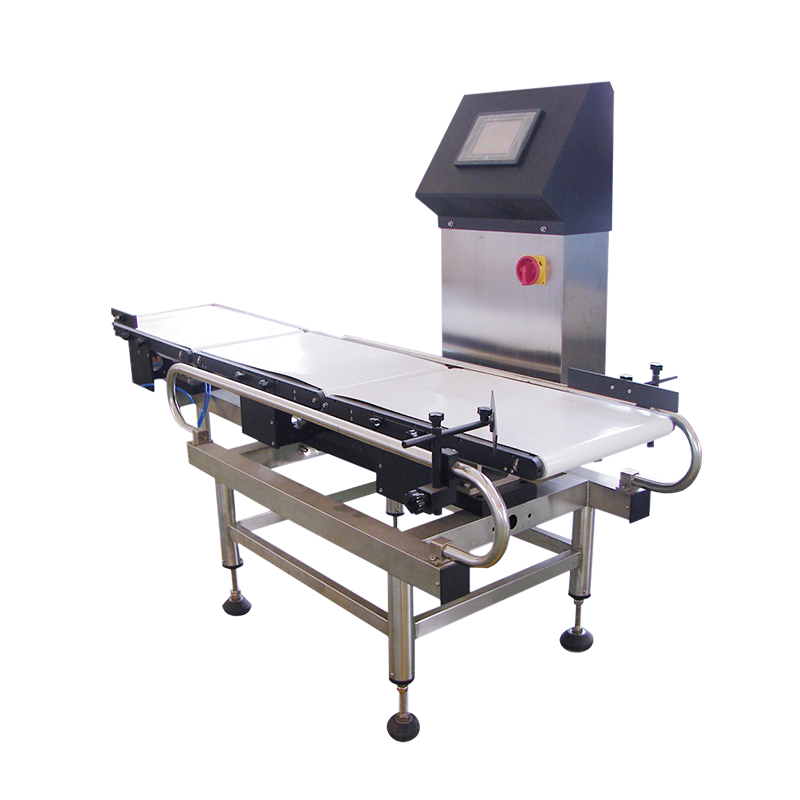
Net-weight filling systems dispense powder by weight rather than by volume or auger rotation count. The container sits on a load cell during the fill cycle; the system delivers a fast "bulk" fill followed by a slower "dribble" phase as the target weight is approached, then cuts off precisely at the set point. This approach is particularly valuable for heavier powders or products where bulk density varies between batches. Net-weight fillers can handle products from light spices to multi-kilogram chemical powders and typically achieve accuracy within ±1 gram across a wide fill range. Many auger-based automatic lines integrate a downstream checkweigher to verify every filled container and automatically reject underweight or overweight units — a critical feature for pharmaceutical and regulated food applications.
Vacuum and Vibratory Fillers
Vacuum filling technology uses negative pressure to draw ultra-fine or very lightweight powders — cosmetic powders, dry pharmaceuticals, fine toner — into containers, preventing airborne dust and ensuring complete transfer without bridging. Vibratory fillers use controlled vibration to encourage cohesive or clumping powders through the filling path. Both technologies serve niche applications where auger and volumetric systems struggle with powder flowability. They appear most often in pharmaceutical injectable dry powder vials and premium cosmetic compact filling lines, where contamination control is as important as dose accuracy.
Comparison of automatic powder filling technologies by application suitability
| Technology |
Best Powder Type |
Typical Accuracy |
Speed Range |
Common Industries |
| Auger Filler |
Fine, cohesive, non-free-flowing |
±0.5–1% |
10–120 containers/min |
Food, pharma, nutraceutical, cosmetic |
| Volumetric Cup Filler |
Free-flowing granules |
±1–2% |
30–150 containers/min |
Food, chemical, bulk commodity |
| Net-Weight Filler |
Heavy or variable-density powders |
±0.5–1 g |
5–60 containers/min |
Chemical, food, industrial |
| Vacuum Filler |
Ultra-fine, airborne-prone powders |
±0.5–1% |
Varies by system |
Pharmaceutical, cosmetic |
Key Features That Separate a Good Automatic Powder Filler from a Great One
Specifications on a datasheet only tell part of the story. Several engineering features have an outsized impact on real-world performance, maintenance burden, and the long-term cost of ownership of a powder packing machine. These are the details worth scrutinizing before signing a purchase order.
Servo Motor vs. Stepper Motor Drive
The motor driving the auger is the single biggest factor in filling accuracy. Servo motors use closed-loop feedback — the motor's encoder continuously reports actual position back to the controller, which corrects any discrepancy in real time. The result is consistent auger rotation down to a fraction of a turn, which translates directly to dosing repeatability. Stepper motors operate open-loop: they count electrical pulses to determine position, with no feedback if a step is missed. For most dry, consistent powders, steppers are adequate and significantly cheaper. For fine pharmaceutical powders, high-speed lines, or applications where bulk density fluctuates, servo motors are the right investment. High-precision powder filling machines using servo drives commonly achieve ±1 gram accuracy across a wide fill range, even as powder characteristics shift during a production run.
PLC Control System and HMI Touchscreen
Modern automatic powder filling equipment runs on a Programmable Logic Controller (PLC) that manages the entire filling sequence: conveyor indexing, hopper level monitoring, auger rotation, weight feedback loops, reject triggers, and safety interlocks. The PLC is configured through a Human-Machine Interface (HMI) — typically a color touchscreen — that allows operators to input fill weights, adjust filling speed, store product recipes, and view real-time production data. A machine with a well-designed HMI reduces changeover time from one product to another, since operators can recall saved parameter sets rather than manually recalibrating from scratch. Look for systems with multi-language support and intuitive menu navigation, especially if the machine will be operated by workers in different shifts with varying experience levels.
Dust Control Systems
Dust is one of the most persistent problems in powder filling operations. Airborne particles contaminate adjacent containers, foul sensors and sealing surfaces, create health hazards for operators, and in the case of fine organic powders like flour or milk powder, create combustible dust accumulations that present fire and explosion risks. Effective automatic powder filling machines address this through multiple mechanisms: enclosed filling nozzles that minimize powder escape during dispensing, vacuum dust collection hoods mounted directly at the fill point, and anti-drip nozzle designs that cut off powder flow cleanly without trailing residue. For supplement and pharmaceutical lines, a three-step dust management approach is considered best practice — filling from below via a lifting conveyor, air-blow and suction at the bottle mouth, and an external bottle-cleaning station after capping. Facilities handling fine organic powders should also evaluate explosion venting and suppression systems in accordance with applicable safety regulations.
No-Container, No-Fill Safety Logic
A fundamental feature of any quality automatic powder filling machine is "no container, no fill" logic. Sensors — typically photoelectric or proximity type — detect whether a container is present and correctly positioned before the fill cycle initiates. If a container is absent, misaligned, or tipped, the machine skips that cycle rather than dispensing powder onto the conveyor or into the machinery. This feature eliminates product waste during container jams, changeovers, and startup sequences, and prevents powder from reaching areas where it causes contamination or mechanical damage.
Stainless Steel Construction and Cleanability
All product-contact parts — hopper, auger, filling tube, and nozzle — should be constructed from food-grade 304 or 316L stainless steel. For pharmaceutical applications, 316L is preferred for its superior corrosion resistance in the presence of cleaning agents. The design should allow for tool-free disassembly of the auger and nozzle components, so operators can remove, clean, and reinstall them quickly during product changeovers. CIP (clean-in-place) compatibility, where cleaning solution can be circulated through the contact parts without full disassembly, is an advantage for high-throughput lines running multiple products. Machines designed in accordance with GMP standards will also feature smooth, crevice-free internal surfaces that prevent powder accumulation and microbial growth.
Industries That Rely on Automatic Powder Filling Equipment
Automatic powder filling machines serve a wide range of industries, but the specific requirements — hygiene standards, accuracy tolerances, container types, and regulatory compliance — vary considerably from one sector to the next.
Food and Beverage
The food industry represents the broadest application base for powder filling machinery. Protein powders, meal replacement supplements, coffee, spices, flour, sugar, cocoa, powdered drink mixes, and seasoning blends all require high-speed, hygienic filling into bags, jars, canisters, and sachets. Food-grade machines must be built from FDA-compliant contact materials (per 21 CFR §174–178) and designed for frequent cleaning without residue retention between runs. Production speeds in food applications often reach 40–120 containers per minute on a single-head automatic line, with multi-head configurations pushing output higher for commodity products.
Pharmaceutical and Nutraceutical
Pharmaceutical powder filling demands the tightest accuracy tolerances and the strictest hygiene standards of any industry. Dry powder inhalers, vial-packed injectable antibiotics, oral sachets, and nutraceutical capsule powders all require filling systems built and validated to GMP (Good Manufacturing Practice) standards. In this sector, fill accuracy of ±0.5% or better is non-negotiable — an underfilled pharmaceutical product is ineffective, while an overfilled one creates dosing safety issues. Machines used in pharmaceutical environments also require full batch traceability, integration with checkweighers and rejection systems, and documentation of all process parameters for regulatory audit. The "no vial, no fill" logic is especially critical here, as pharmaceutical-grade powder wasted in manufacturing directly affects batch cost and compliance records.
Cosmetics and Personal Care
Talcum powder, dry shampoo, eyeshadow, hyaluronic acid powder, setting powder, and powdered skincare formulations require filling machines capable of handling very fine particle sizes — often below 50 microns — without generating visible dust contamination on packaging or in the filling area. Cosmetic powder filling machines typically incorporate vacuum-assisted transfer and enclosed nozzle systems. Accuracy is important for cost control, but the bigger concern is appearance: cosmetic packaging is a premium purchase, and dust residue on jars or compact cases is unacceptable at point of sale.
Chemical and Industrial
Industrial powder filling covers a wide range: detergents, catalysts, agricultural pesticides, cement additives, pigments, and specialty chemicals. These applications often involve corrosive or abrasive materials that demand machine construction from 316L stainless steel or even specialized alloys and coatings. Explosion-proof electrical components and grounding systems for static discharge are mandatory when handling fine organic or metallic powders that create combustible dust hazards. Fill volumes in industrial applications can be substantially larger than consumer goods — from a few hundred grams to 25 kg bags — requiring heavy-duty conveyors and filling heads rated for the mechanical loads involved.
How to Choose the Right Automatic Powder Filling Machine for Your Line
Selecting the wrong machine is costly — not just at purchase, but through ongoing downtime, rejected batches, and the eventual cost of replacing equipment that doesn't fit the application. A structured evaluation against the following criteria prevents most mismatches before they happen.
Understand Your Powder's Flow Characteristics First
Before looking at machine specs, characterize your powder. Is it free-flowing (like granulated sugar or coarse salt) or cohesive and prone to bridging (like fine protein powder or cocoa)? Does it clump when exposed to humidity? Is it abrasive, corrosive, or sensitive to static charge? Free-flowing powders can use volumetric cup fillers or broad-tolerance auger systems efficiently. Cohesive and non-free-flowing powders require auger fillers with active agitation, and extremely fine powders may need vacuum assistance. Selecting a machine without testing your actual product under real hopper conditions is the most common and most expensive mistake in powder filling equipment procurement. Reputable manufacturers offer in-house product trials before purchase — always take advantage of this.
Match Fill Range and Accuracy to Your Product Requirements
Define your minimum and maximum fill weights, and your acceptable accuracy tolerance. A machine rated for 10–500 g with ±1% accuracy meets a very different requirement than one rated for 0.1–5 g with ±0.5% accuracy for micro-dose pharmaceutical filling. Be honest about future product range: if you anticipate expanding from 100 g sachets to 1 kg canisters, confirm that the machine's auger, nozzle, and hopper capacity can accommodate both ends of the range without a full equipment replacement.
Set Realistic Production Speed Targets
Single-head automatic auger fillers typically handle 10–60 containers per minute depending on fill weight and product flow characteristics. Double-head linear fillers extend this to around 60–120 containers per minute. Rotary multi-spindle systems reach 120–300+ containers per minute for high-volume free-flowing applications. Over-specifying speed is as wasteful as under-specifying it — a machine running at 20% capacity is inefficient and harder to justify financially. Calculate your actual daily, weekly, and annual volume requirements, add a 20–30% headroom for growth, and size accordingly.
Consider Container Type and Changeover Requirements
The same filling head that fills round plastic jars may require significant retooling to fill flat sachets or narrow-neck glass bottles. If your production involves frequent container changes — which is common for contract manufacturers and co-packers — prioritize machines with tool-free changeover parts, adjustable conveyor widths, and height-adjustable filling heads. A machine that requires four hours to switch between container sizes will consume any efficiency gain from automation during changeover cycles. Look for modular designs where nozzle adapters, hopper extensions, and conveyor guide rails can be swapped in minutes, not hours.
Factor in Total Cost of Ownership, Not Just Purchase Price
Entry-level automatic powder filling machines start around $5,000–$15,000 for compact single-head units. Mid-range industrial models with servo drives, checkweigher integration, and dust collection run $20,000–$60,000. Fully integrated turnkey lines with conveyors, multi-head fillers, cappers, and labelers can reach $100,000 or more. But purchase price is only one dimension of cost. Factor in energy consumption, spare parts availability, the cost of unplanned downtime, and the supplier's after-sales support capability. A cheaper machine from a supplier with poor technical support or slow spare parts delivery can cost far more in lost production than a premium machine with a robust service network. Verify that the supplier provides installation support, operator training, and a documented maintenance schedule.
Maintenance Practices That Keep Automatic Powder Fillers Running Reliably
An automatic powder filling machine is a precision instrument. The same accuracy that makes it valuable also makes it sensitive to wear, contamination, and calibration drift if not maintained on a regular schedule. Building a structured preventive maintenance routine prevents the majority of unplanned production stops.
Daily Maintenance Tasks
- Clean all product-contact parts — hopper, auger, filling tube, and nozzle — at the end of each production shift to prevent powder buildup, cross-contamination between batches, and microbial growth in food and pharma applications.
- Inspect the filling nozzle and anti-drip mechanism for powder residue or wear that could cause inconsistent cutoff and trailing drips between fills.
- Check the dust collection system filter and empty or replace it as needed to maintain suction efficiency.
- Verify that container sensors and fill-detection systems are clean and responding correctly — dust accumulation on photoelectric sensors is a leading cause of false no-fill triggers or missed reject signals.
Weekly and Monthly Maintenance Tasks
- Lubricate all moving mechanical components — conveyor bearings, auger shaft seals, and indexing mechanisms — using lubricants appropriate for food or pharmaceutical contact if applicable.
- Calibrate the weighing system by running a series of test fills and comparing the actual fill weight against the set point; adjust the PLC parameters to correct any systematic drift.
- Inspect auger flights for wear or deformation — a worn auger delivers inconsistent volume per rotation, directly degrading fill accuracy even if all other parameters are correctly set.
- Check all pneumatic connections, seals, and fittings for leaks; compressed air leaks reduce system pressure and affect pneumatically operated gates, nozzles, and container handling components.
- Review PLC error logs for recurring fault codes that may indicate developing mechanical issues before they cause an unplanned production stop.
Keeping maintenance records — dates, findings, and corrective actions — is not just good manufacturing practice; it is required for regulatory compliance in pharmaceutical and regulated food environments. These logs provide objective evidence of machine qualification and process control during inspections and audits.
Integrating a Powder Filling Machine into a Complete Packaging Line
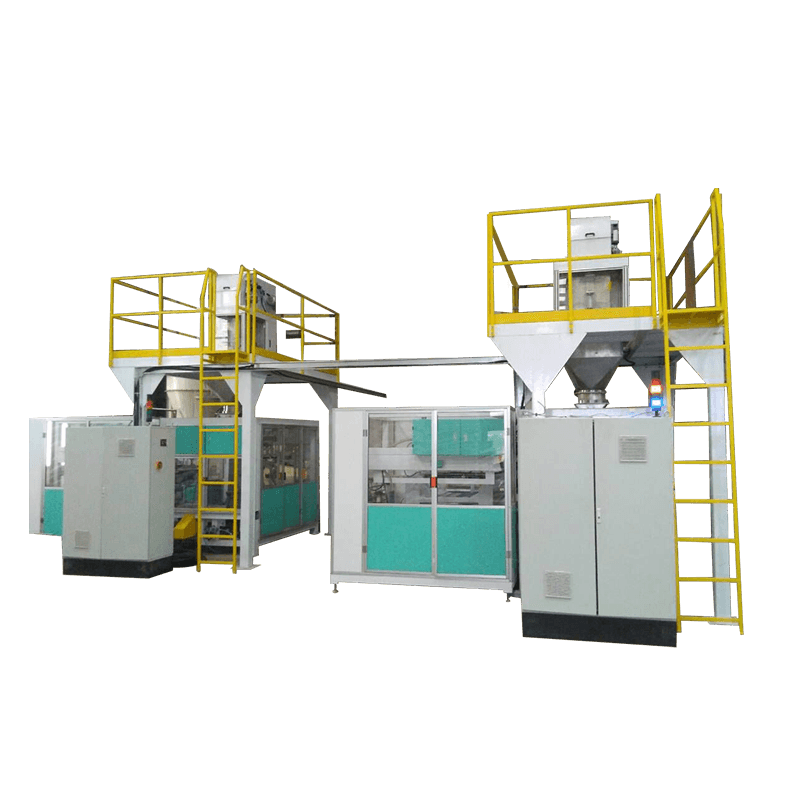
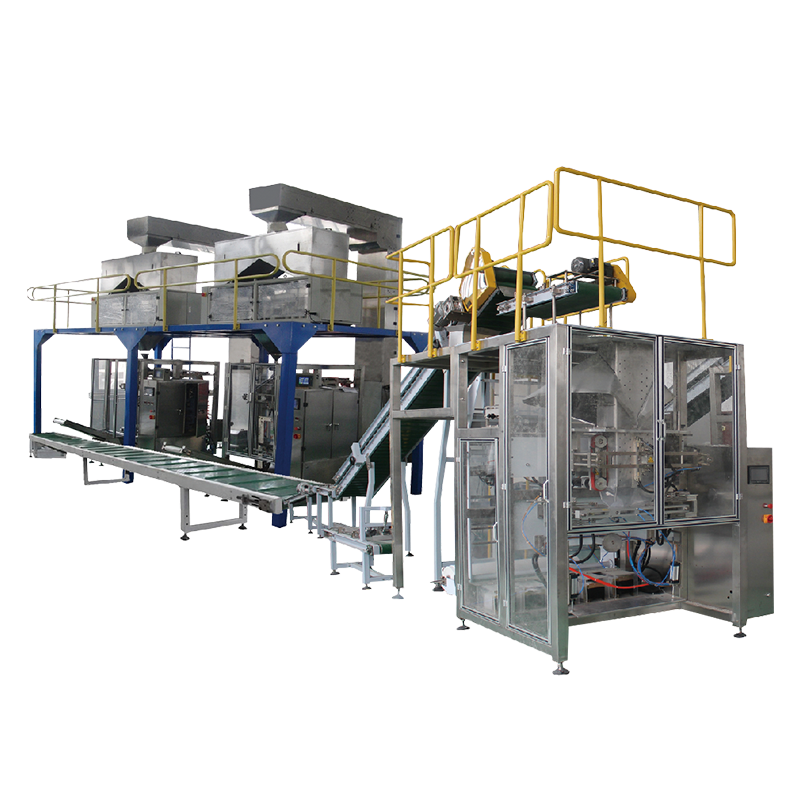
A standalone automatic powder filling machine is the heart of a packaging operation, but it rarely operates in isolation. Most production environments integrate the powder filler with upstream and downstream equipment to create a continuous, automated packaging line that maximizes throughput and minimizes touchpoints.
Upstream of the filler, a bottle unscrambler or container feeder sorts and orients empty containers from bulk storage and delivers them in a consistent orientation to the conveyor feeding the fill station. UV sterilization tunnels are inserted at this stage in pharmaceutical and sterile nutraceutical lines. Screw conveyor feeders automatically replenish the filler hopper from a bulk supply, eliminating the need for operators to manually top off the hopper and ensuring continuous production during long runs.
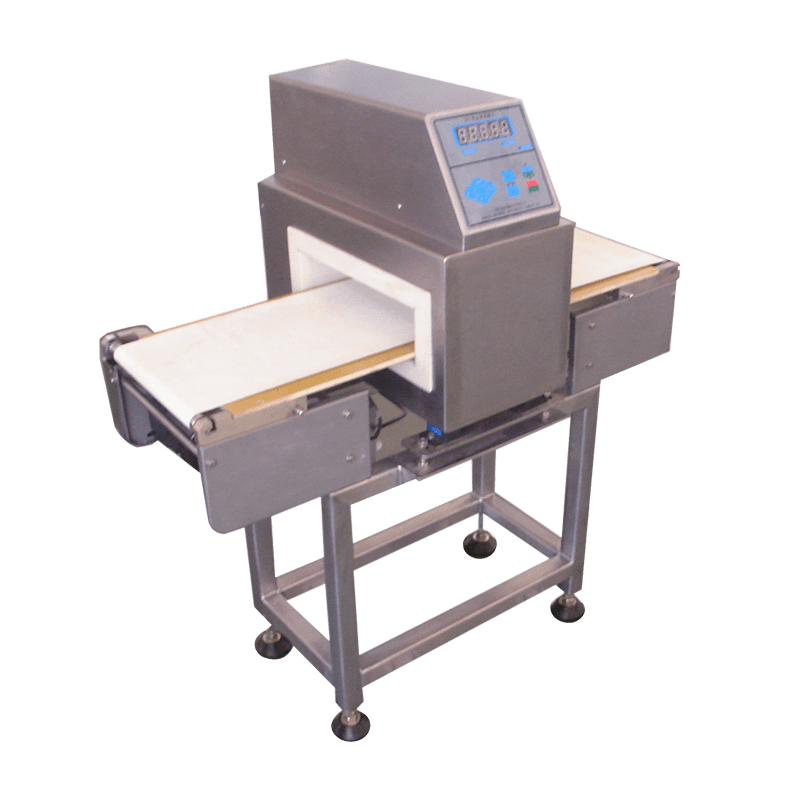
Downstream, a capping machine applies and torques closures immediately after filling — a critical step for products sensitive to humidity or oxidation. Checkweighers verify fill weight at line speed and automatically divert underweight or overweight containers to a rejection lane without stopping the line. Labeling machines apply product labels, batch codes, and expiry dates, followed by inkjet or laser coders that mark secondary information like production timestamps. Metal detectors and vision inspection systems at the end of the line provide a final quality gate before containers are conveyed to case packing or palletizing.
The integration point between the powder filler and adjacent equipment is managed through the PLC — the filler's control system communicates with upstream feeders and downstream cappers so that line speed is matched across all stations. A mismatch in throughput between stations creates either starvation (the filler waiting for containers) or accumulation (containers backing up and jamming). Well-designed automatic powder filling lines include buffer zones and accumulation conveyors to absorb minor speed fluctuations without stopping the line, keeping overall equipment effectiveness (OEE) high across an entire production shift.


 English
 Español
 عربى
عربى



Contact Us