What Is an Automatic Weight Check and Rejection System
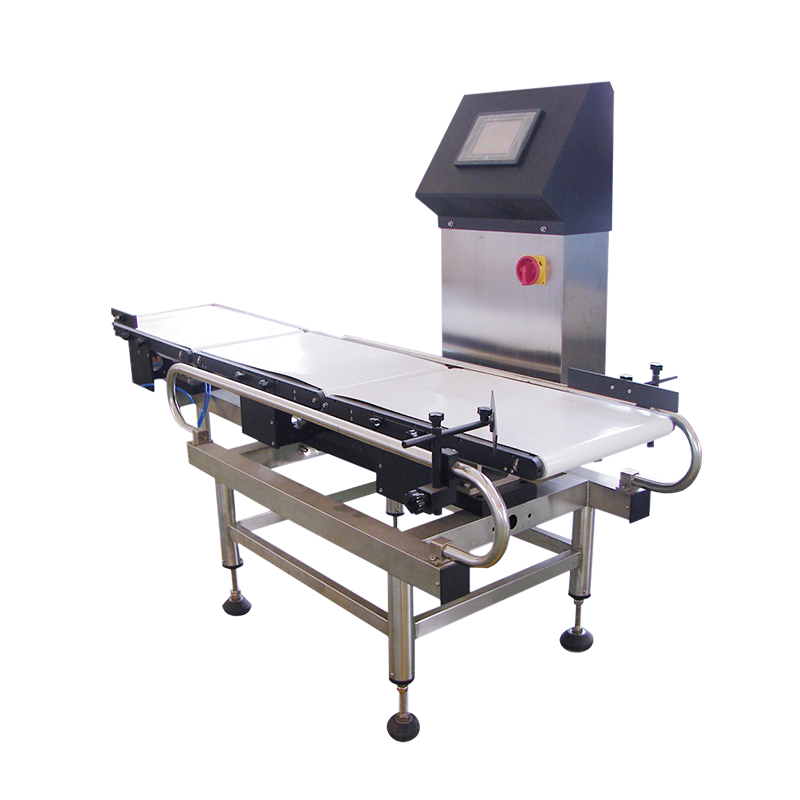
An automatic weight check and rejection system is a piece of equipment installed directly on a production or packaging line that weighs every single product as it passes by, compares that weight to a preset target range, and automatically removes any item that falls outside the acceptable limits. Unlike manual spot-checking, which only samples a handful of products every hour, this system checks 100% of the output in real time. This means underweight items that could trigger legal or customer complaints, and overweight items that waste raw material, are both caught before they ever leave the factory.
Most people simply call it a "checkweigher," but the full name — automatic weight check and rejection system — better describes what it actually does: it does not just weigh, it also takes action. That combination of sensing and rejecting is what separates it from a basic scale.
How the Automatic Weight Check and Rejection System Works
The process happens in a few fast, continuous steps as the product moves along the conveyor belt. Understanding each stage helps you troubleshoot problems later and explain the system to new operators.
Step 1: Product Enters the Weighing Zone
Each item passes onto a dedicated weighing conveyor that is isolated from vibration and outside interference so the reading stays accurate even at high speeds.
Step 2: The Load Cell Captures the Weight
A high-precision load cell converts the physical weight into an electronic signal. This signal is sent to the control system within milliseconds.
Step 3: The Software Compares It to the Target
The system's software checks the reading against upper and lower weight limits that were programmed in advance. If the product falls inside the range, it is marked as "pass." If not, it is flagged for rejection.
Step 4: The Rejection Mechanism Removes Faulty Items
A pusher arm, air blast, drop-flap, or diverter arm physically removes the out-of-range product from the main line and sends it to a reject bin, all without stopping the rest of the production run.
Why Manufacturers Rely on Automatic Weight Checking
Installing an automatic weight check and rejection system is rarely optional once a factory scales up production, because the cost of not having one shows up in several places at once — wasted product, customer complaints, and regulatory risk.
- Prevents giving away free product by catching consistent overfilling
- Protects the brand from fines tied to underweight packaging laws
- Removes the need for slow, error-prone manual sampling
- Provides real-time data that shows if an upstream filler is drifting out of calibration
- Builds trust with retailers and distributors who audit weight compliance
Key Components of a Weight Rejection System
While designs vary by manufacturer, nearly every automatic weight check and rejection system is built from the same core parts working together.
- Weighing conveyor and load cell for capturing accurate readings
- Control unit or HMI touchscreen for setting weight tolerances
- Rejection mechanism, such as a pusher, air jet, or diverter
- Reject confirmation sensor that verifies the faulty item actually left the line
- Data logging software for tracking trends and generating compliance reports
Common Types of Rejection Mechanisms
The right rejection method depends on the product's weight, shape, and how fast the line runs. The table below compares the most widely used options.
| Mechanism |
Best For |
Line Speed |
| Air Blast |
Light, small packages |
Very High |
| Pusher Arm |
Boxes, bags, mid-weight items |
Medium to High |
| Drop Flap |
Fragile or unstable products |
Low to Medium |
| Diverter Arm |
Heavy or bulky items |
Low to Medium |
How to Choose the Right System for Your Production Line
Not every automatic weight check and rejection system fits every factory. Before buying, it helps to walk through a short checklist so the equipment matches your actual production conditions rather than a generic spec sheet.
Match the Weighing Accuracy to Your Product
A system that weighs candy to the gram is very different from one designed for 25kg sacks. Choose a load cell rated for your product's typical weight range, with enough precision to catch the small deviations that matter to your industry.
Confirm the Line Speed Compatibility
Check the maximum items-per-minute rating of the system against your current and future line speed. A unit that is too slow will become the bottleneck of your entire packaging process.
Look for Data and Reporting Features
Modern systems can log every reading and generate automatic compliance reports, which is extremely useful during audits or when investigating why a filler upstream started drifting off target.
Maintaining Your System for Long-Term Accuracy
An automatic weight check and rejection system only stays reliable if it is maintained properly. Skipping routine checks is one of the most common reasons accuracy quietly degrades over time.
- Recalibrate the load cell on a regular schedule using certified test weights
- Keep the weighing conveyor free of dust, debris, and product residue
- Inspect the rejection mechanism for wear, especially moving parts like pushers and flaps
- Review rejection data weekly to spot patterns that point to upstream equipment issues
- Train operators to respond quickly when reject rates suddenly spike
Final Thoughts
An automatic weight check and rejection system is one of the simplest upgrades that pays for itself quickly. By catching underweight and overweight products in real time, it protects your customers, your compliance record, and your bottom line, all while giving your team clear data to keep the entire production line running smoothly.


 English
 Español
 عربى
عربى



Contact Us