Understanding the Mechanics of Liquid Sealing Technology
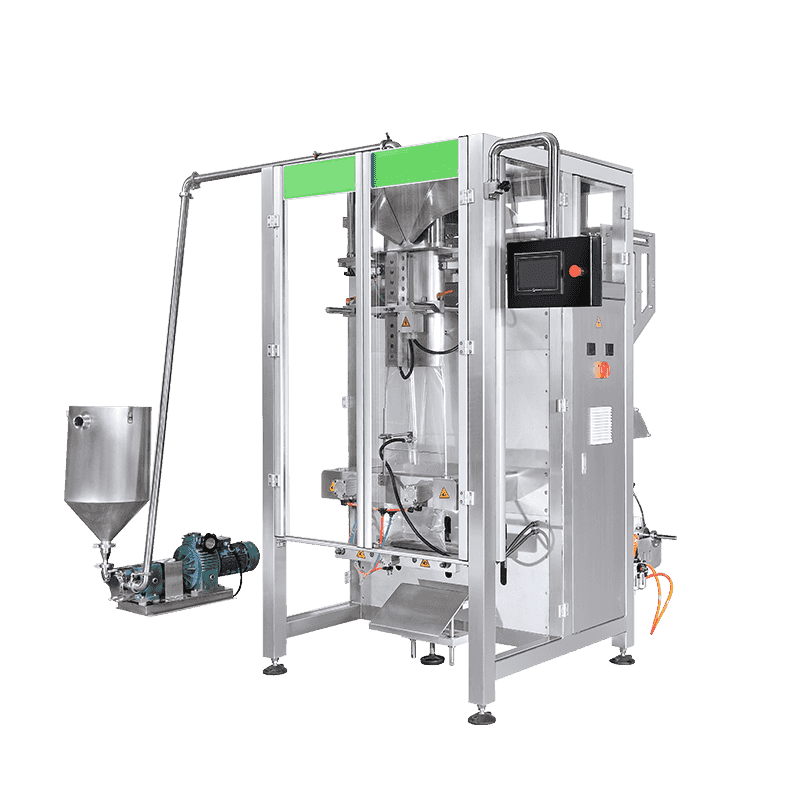
A liquid sealing machine is a specialized piece of equipment designed to fill and airtightly seal various liquids into containers like pouches, bottles, or jars. The core mechanism involves a synchronized process of feeding the container, injecting a precise volume of liquid through a nozzle, and applying heat or pressure to create a leak-proof seal. Modern machines utilize servo-driven systems to ensure that the filling speed matches the sealing rate, preventing spills and ensuring consistent product quality across large production batches.
These machines are essential for maintaining the shelf life and hygiene of products in the food, beverage, and pharmaceutical industries. By removing air from the headspace or using nitrogen flushing before sealing, the machine protects the liquid from oxidation and microbial contamination. This precision is what allows manufacturers to scale their operations while meeting strict regulatory standards for safety and volume accuracy.
Key Components of a Liquid Sealing System
To achieve a perfect seal every time, several high-precision components must work in harmony. The effectiveness of the liquid sealing machine depends heavily on its ability to handle different viscosities, from thin water-like fluids to thick gels or oils. Below are the critical parts that define a high-performance system:
- Filling Nozzles: Specifically designed to prevent dripping and foaming during the injection process.
- Heat Sealing Bars: Used for flexible packaging to melt layers of film together, creating a permanent bond.
- PLC Control Panel: The brain of the machine that allows operators to adjust sealing temperature, pressure, and timing.
- Conveyor System: Moves containers through the filling and sealing stations with high-speed accuracy.
Comparison of Common Liquid Sealing Methods
Choosing the right machine depends on the type of liquid and the packaging material being used. The following table compares the most common sealing technologies found in industrial environments:
| Sealing Type |
Best For |
Primary Advantage |
| Heat Sealing |
Plastic Pouches / Sachets |
Low cost and high speed |
| Induction Sealing |
Bottled Juice / Medicine |
Tamper-evident hermetic seal |
| Ultrasonic Sealing |
Dairy / Contaminated Edges |
Seals through liquid residue |
Technical Considerations for Optimal Performance
Viscosity and Flow Management
The flow characteristics of the liquid dictate the type of pump used within the machine. Peristaltic pumps are often used for sterile liquids because the fluid never touches the machine parts, while piston pumps are better for high-viscosity pastes. Ensuring the machine is calibrated for the specific viscosity of your product prevents "tailing," where excess liquid gets caught in the seal area, compromising the package integrity.
Temperature and Dwell Time Calibration
For heat-sealing machines, finding the "sweet spot" between temperature and dwell time is crucial. If the sealing bars are too hot, they will burn the film; if they are too cool, the seal will peel open easily. Professional liquid sealing machines allow for micro-adjustments to these parameters to accommodate variations in film thickness or room temperature, ensuring that every unit leaves the line with a perfect bond.
Maintenance Protocols for Longevity
A liquid sealing machine represents a significant investment, and regular maintenance is required to prevent downtime. Because these machines handle liquids, they are prone to corrosion or residue buildup if not cleaned properly after every shift. Implementing a Daily Clean-in-Place (CIP) procedure ensures that the internal lines remain free of bacteria and hardened product.
- Weekly inspection of heating elements and Teflon tape to ensure even heat distribution.
- Lubrication of moving mechanical joints to prevent friction-related wear.
- Calibration of sensors to maintain accurate fill levels and pouch positioning.


 English
 Español
 عربى
عربى



Contact Us