What an Automatic Granule Packing Machine Does
An automatic granule packing machine automates the entire process of filling and sealing granular products into pouches or containers, handling everything from measuring the correct quantity to forming the bag, filling it, and sealing it shut without manual intervention at each step. These machines are widely used across the food, pharmaceutical, agricultural, and chemical industries to package products like sugar, rice, beans, seeds, tea, coffee, detergent powder, fertilizer, and pet food, since granular materials are notoriously difficult to dose consistently by hand. By automating the weighing and filling processes, a granule packaging machine increases production speed while maintaining high accuracy, reducing both labor intensity and the kind of inconsistent fill weights that come with manual packaging methods.
At a basic level, the working process follows a consistent sequence regardless of the specific machine design: granules are transported into a filling mechanism, weighed or measured according to preset specifications, dispensed into a formed pouch or container, and then sealed shut before being discharged for further handling. Many automatic granule packing machines also include electronic sensors that detect errors and maintain accuracy throughout the cycle, along with integrated label or barcode printers that add batch numbers, expiry dates, or branding directly onto the finished package.
The Main Types of Automatic Granule Packing Machines
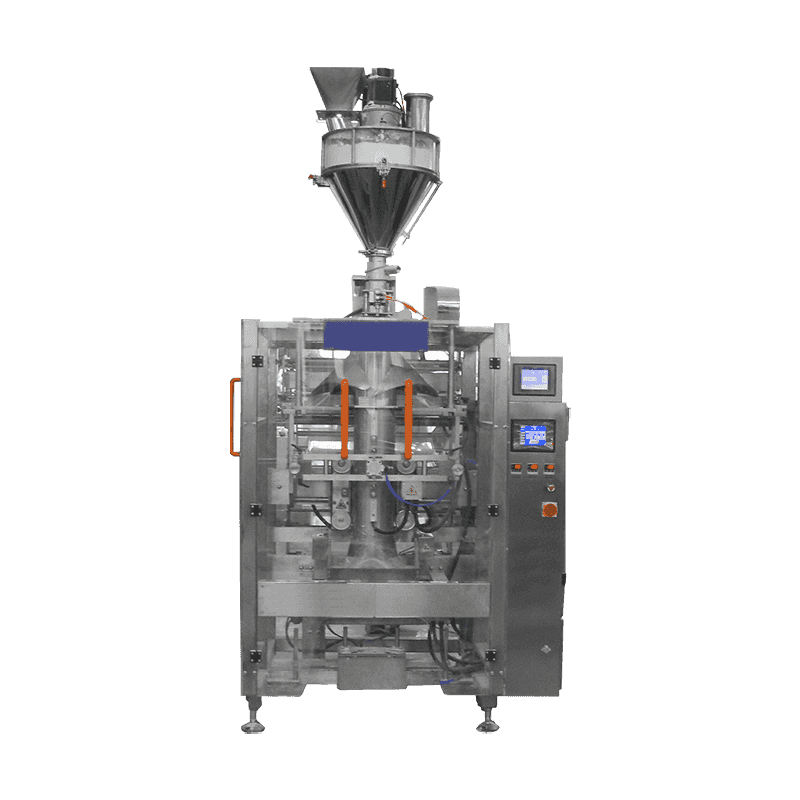
Granule packing machines come in several distinct configurations, each suited to different product characteristics and production scales. Vertical Form-Fill-Seal machines, often called VFFS machines, are perhaps the most common type for granular products, particularly for flexible packaging like pouches and bags, since they form the bag directly from a roll of film, fill it with product, and seal it in one continuous vertical motion. Chain bucket granule packing machines work differently, using a series of buckets that measure material by volume rather than weight, which makes them well suited to packaging different materials in a fixed proportion when paired with multiple feeding devices.
Common Machine Types and Their Strengths
| Machine Type |
How It Measures Product |
Best Suited For |
| Vertical Form-Fill-Seal (VFFS) |
Measuring cups or weigher |
General-purpose pouch packaging |
| Chain bucket packing machine |
Volume-based bucket measurement |
Multi-material blends, fixed proportions |
| Multi-head weigher packing machine |
Multiple weigh heads combined for accuracy |
High-speed, high-precision production |
| Rotary bag packer |
Preset weigher or volumetric dosing |
Pre-made pouches, high-throughput lines |
Key Components That Make the Machine Run
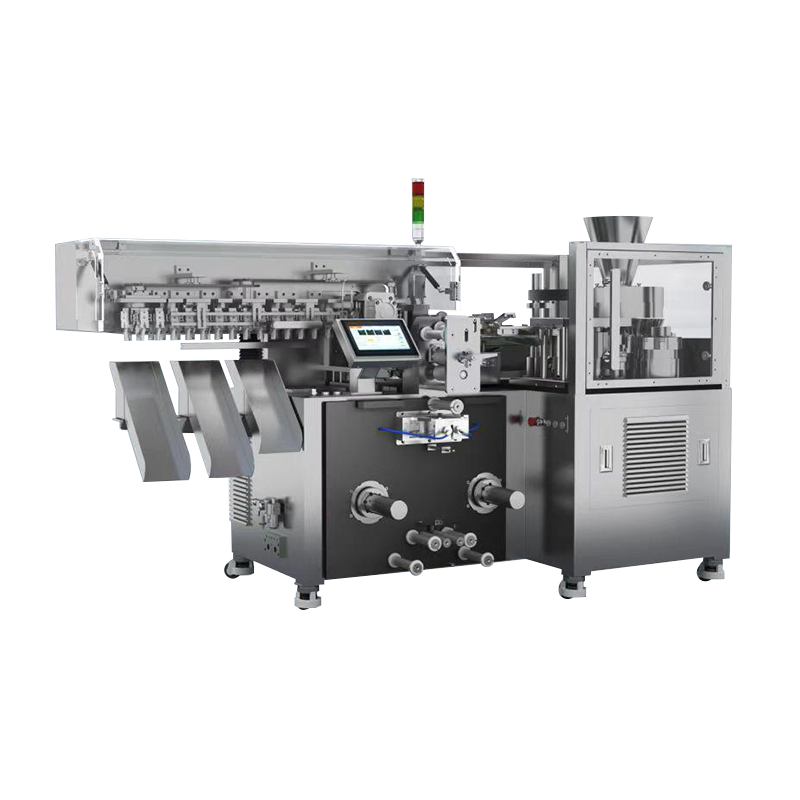
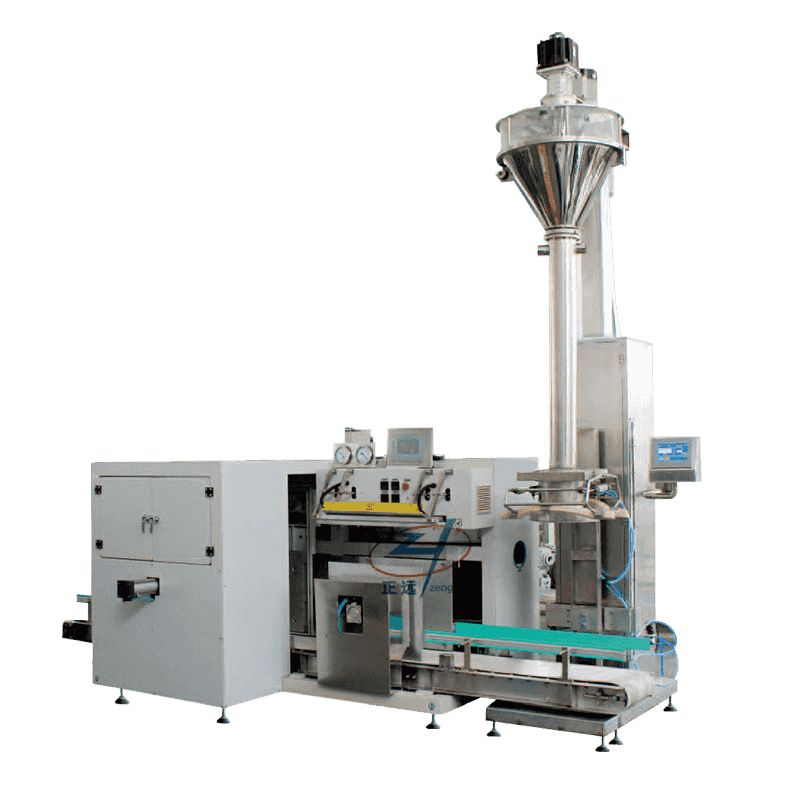
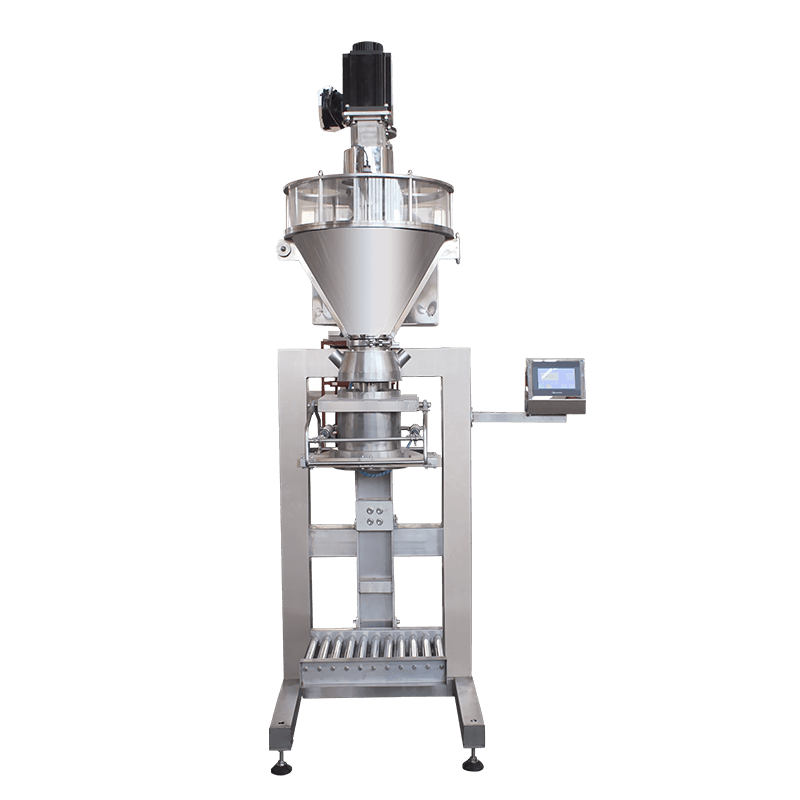
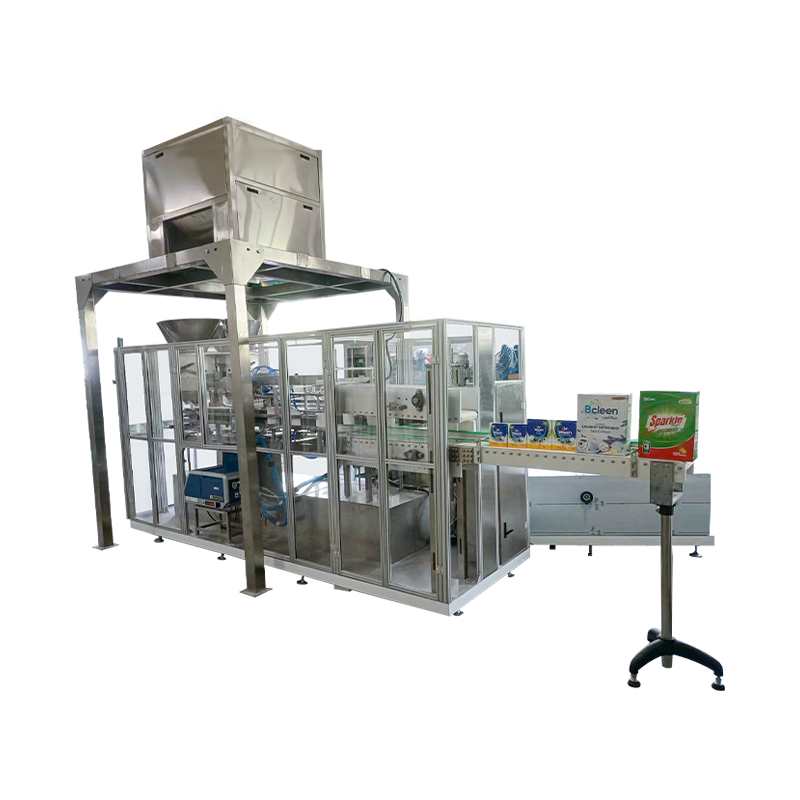
Understanding the core components of an automatic granule packing machine makes it much easier to evaluate different models and troubleshoot issues down the line. The filling system is crucial, since it determines both the speed and the precise amount of granules dispensed into each bag, while the PLC touch screen control system allows operators to set parameters, adjust speeds, and switch packaging formats without manual recalibration of mechanical parts. A vibrating feeding system typically moves granular product from the hopper toward the weighing or measuring stage, and a multi-head weigher, where included, combines multiple individual weigh heads to achieve faster, more accurate measurements than a single weighing station could provide alone.
Core Components Found in Most Machines
- PLC touch screen for setting and adjusting packaging parameters
- Vibrating feeder or hopper that moves granules toward the measuring stage
- Multi-head weigher or volumetric measuring cups for accurate dosing
- Bag former and vertical or horizontal sealing device for package formation
- Cutting mechanism that separates finished packages from the continuous film
- Output conveyor that delivers finished packages for further handling or discharge
Choosing Between Manual, Semi-Automatic, and Fully Automatic Options
Granule packaging machines are generally categorized by their degree of automation, and selecting the right level depends heavily on production volume and budget. Semi-automatic granule packaging machines still require some manual operation, typically for tasks like placing a bag into the filling station or initiating the filling cycle, but they automate the weighing and filling steps and tend to be more affordable than fully automatic systems. This makes semi-automatic machines well suited to small to medium-sized businesses, start-up operations, or situations where production volume doesn't yet justify the investment in a fully automated line.
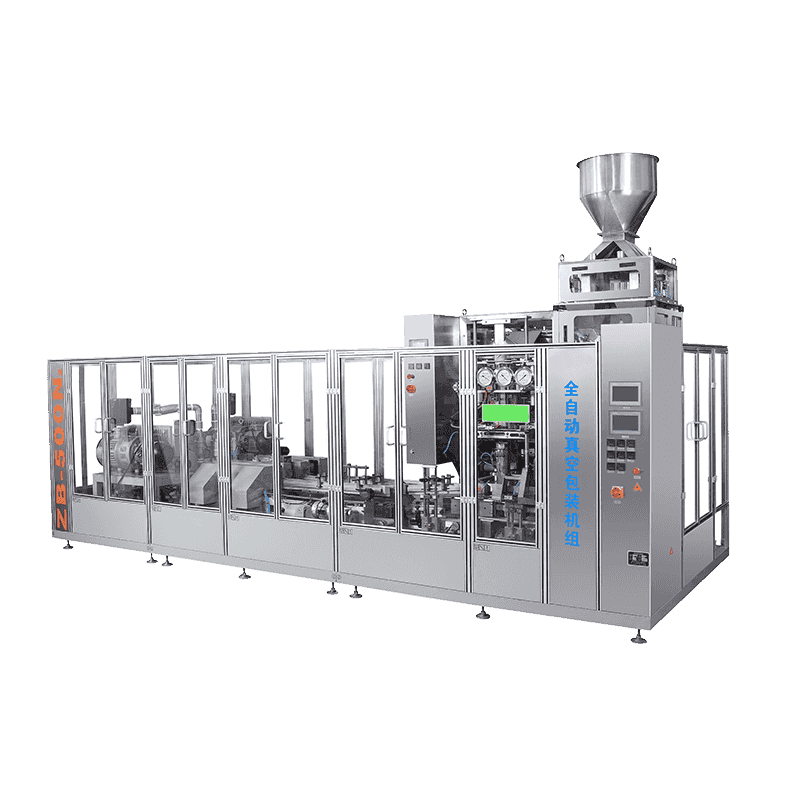
Fully automatic granule packing machines, by contrast, handle bag making, measuring, filling, sealing, cutting, and discharging entirely on their own once parameters are set on the control panel, making them the better choice for large-scale, high-volume production where consistent output and minimal labor input matter most. While the upfront investment is higher, the reduction in labor costs and human error, combined with significantly higher throughput, often justifies the cost for operations running continuous or near-continuous production schedules.
Questions to Help Determine the Right Automation Level
- What is the expected daily or hourly production volume for this packaging line
- How much labor is currently available to support semi-automatic operation
- What budget is available for upfront equipment investment versus ongoing labor costs
- How much floor space is available for a larger fully automatic system
- Is the product line expected to grow significantly in the next few years
Matching the Machine to Your Specific Granule Type
Not every automatic granule packing machine handles every type of granular material equally well, and product characteristics like size, shape, density, and stickiness all influence which machine configuration will perform most reliably. Uniformity matters significantly, since irregularly shaped granules can sometimes cause jams in machines designed around consistent particle flow, while uniform, free-flowing materials like sugar or rice tend to move through measuring and filling stages with far fewer issues. Products with variable density, such as certain plastic granules, can also lead to inconsistent fill results if the machine's measuring system isn't properly calibrated for that specific material's flow characteristics.
Granule Characteristics Worth Discussing With a Manufacturer
- Particle size and shape uniformity, since irregular granules increase jam risk
- Product density and how consistently it flows through a hopper or feeder
- Whether the product is sticky or prone to clumping under normal storage conditions
- Required fill weight accuracy for regulatory or labeling compliance
- Whether multiple granule types will be blended or packaged in fixed proportions
Maintenance Practices That Keep Output Consistent
Routine maintenance plays a significant role in keeping an automatic granule packing machine running at peak accuracy and avoiding the kind of unplanned downtime that disrupts an entire production schedule. Regularly cleaning the hopper, feeder, and weighing components prevents residue buildup that can otherwise throw off measurement accuracy over time, particularly with products that leave behind fine dust or oily residue. Checking seal quality on a routine basis is equally important, since a degrading heating element or worn sealing bar can lead to weak seals that compromise product freshness and shelf stability after packaging.
Proper operator training also makes a measurable difference in long-term machine performance, since staff who understand how to recalibrate the weigher, troubleshoot minor feed jams, and recognize early warning signs of mechanical wear can address small issues before they escalate into costly repairs or production stoppages. Building a consistent maintenance schedule around manufacturer recommendations, rather than waiting for visible problems to appear, tends to extend equipment life and keep packaging accuracy consistent across long production runs.


 English
 Español
 عربى
عربى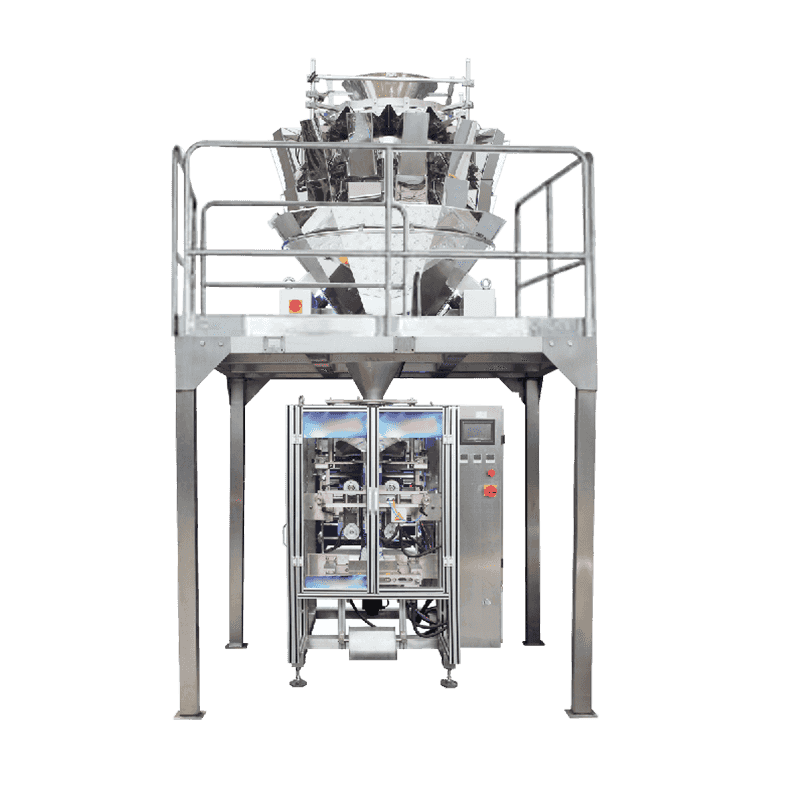


Contact Us