What Is an Automatic Labeling Machine and How Does It Work?
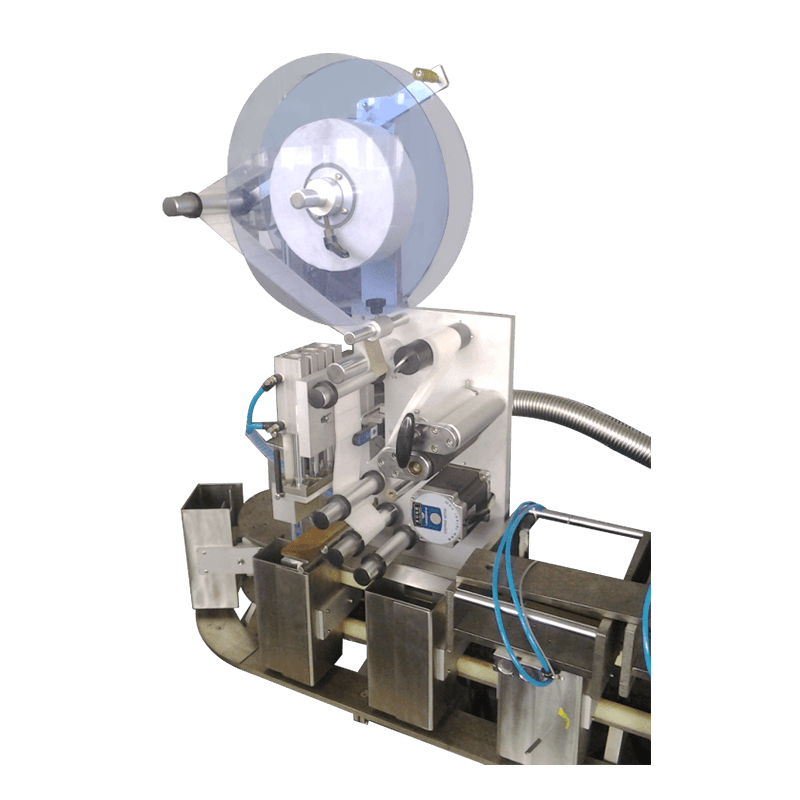
An Automatic Labeling Machine is a piece of packaging equipment designed to apply labels to products, bottles, boxes, or containers without manual handling. The machine typically pulls labels from a roll, peels them off a backing liner, and applies them onto a moving product using a combination of sensors, rollers, and applicator heads. Depending on the model, it can label flat surfaces, round bottles, or irregularly shaped containers at speeds far beyond what a human worker could achieve by hand.
Most machines work through a simple sequence: a photo sensor detects the product as it arrives on the conveyor, the labeling head dispenses the label at the correct moment, and a wiping or brushing mechanism presses the label firmly onto the surface to remove air bubbles and ensure a smooth finish. This entire cycle usually takes less than a second per product on high-speed lines.
Types of Automatic Labeling Machines and Which One Fits Your Product
Not every Automatic Labeling Machine is built the same way, and choosing the wrong type for your product shape can lead to crooked labels, wasted material, or frequent jamming. Understanding the main categories helps narrow down what your production line actually needs.
Round Bottle Labeling Machines
These machines use a rotating mechanism to spin the bottle while the label is applied, wrapping it evenly around the cylindrical surface. They are commonly used for beverage bottles, cosmetic jars, and pharmaceutical vials where a perfectly aligned wraparound label matters for both appearance and barcode scanning accuracy.
Flat Surface Labeling Machines
Designed for boxes, cartons, and flat-sided packages, this type applies labels directly onto a stationary or slow-moving surface as it passes beneath the applicator head. These are popular in food packaging and e-commerce shipping operations where speed and label placement consistency are top priorities.
Top and Bottom Labeling Machines
Some products need labels on both the top and bottom surfaces, such as certain retail packaging or industrial containers. These machines are equipped with dual applicator heads positioned above and below the conveyor line, applying both labels in a single pass without slowing down production.
Key Features to Look for Before Buying One
With so many models on the market, it helps to focus on a handful of features that actually impact day-to-day performance rather than getting distracted by flashy specifications that may not matter for your specific use case.
| Feature |
Why It Matters |
| Labeling Speed |
Determines how many products can be labeled per minute on your line |
| Placement Accuracy |
Affects barcode scanning reliability and overall product appearance |
| Label Size Range |
Determines flexibility for handling multiple product lines |
| Sensor Sensitivity |
Impacts how reliably the machine detects products of varying shapes and colors |
| Ease of Changeover |
Reduces downtime when switching between different label sizes or product batches |
For businesses running multiple product lines, ease of changeover is often the most overlooked factor. A machine with a quick-adjust mechanism for label width and applicator height can save hours of downtime over a single production week compared to one that requires manual tool-based adjustments.
Industries That Benefit Most From Automatic Labeling Machines
While labeling equipment is used almost everywhere products are packaged, certain industries depend on it more heavily due to strict labeling regulations or high production volumes.
- Food and beverage manufacturing, where ingredient lists and nutrition facts must be applied accurately and consistently
- Pharmaceutical and healthcare packaging, where label accuracy is tied to compliance and patient safety
- Cosmetics and personal care, where label appearance directly affects brand perception on store shelves
- E-commerce fulfillment centers, where shipping labels need to be applied quickly to keep up with order volume
- Industrial and chemical packaging, where hazard labels must meet specific regulatory placement standards
How to Maintain Your Labeling Machine for Long-Term Reliability
Like any piece of production equipment, an Automatic Labeling Machine performs best when it receives regular maintenance rather than being run continuously without attention. A few simple habits can extend the machine's lifespan and reduce unexpected downtime.
- Clean the applicator rollers and sensors regularly to remove adhesive residue and dust buildup
- Check label tension settings frequently, since loose or overly tight tension can cause misfeeds
- Inspect drive belts and motors on a set schedule to catch wear before it leads to breakdowns
- Store label rolls in a temperature-controlled area to prevent adhesive degradation before use
Operators who build these checks into a daily or weekly routine tend to experience far fewer mid-shift breakdowns, which keeps production schedules on track and avoids the cost of emergency repairs.
Common Mistakes That Reduce Labeling Accuracy
Even a well-built Automatic Labeling Machine can produce poor results if certain setup mistakes go unnoticed. Identifying these issues early can save significant amounts of wasted label stock and product rework.
One of the most frequent issues is running the machine at a speed that exceeds the sensor's detection capability, causing missed or doubled-up labels. Another common problem is using label stock with inconsistent backing liner thickness, which can throw off the peel mechanism and cause partial label transfers. Finally, neglecting to recalibrate the sensor after switching to a different product shape or color often results in inconsistent placement, especially on darker or reflective surfaces that are harder for standard sensors to detect.


 English
 Español
 عربى
عربى



Contact Us