What Is a Cartoning Machine and What Does It Do?
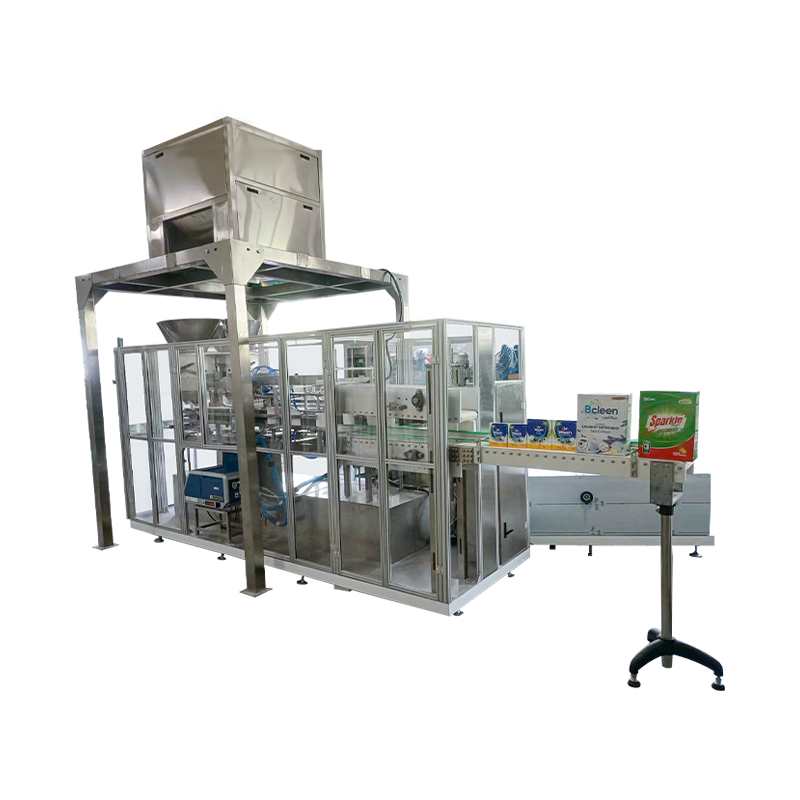
A cartoning machine — also called a cartoner, carton packaging machine, or carton erecting and filling machine — is an automated piece of packaging equipment that takes flat-folded paperboard carton blanks, erects them into open boxes, fills them with product, and closes and seals them ready for downstream labeling, case packing, or shipment. The entire sequence — carton erection, product insertion, flap folding, and sealing — is performed automatically at speeds ranging from a few dozen to several hundred cartons per minute depending on the machine type and configuration.
Cartoning machines sit at the heart of secondary packaging lines across a huge range of industries. Pharmaceutical manufacturers use them to package blister packs, bottles, and vials into folding cartons. Food producers use them to box cereal, crackers, frozen meals, and confectionery. Cosmetics and personal care companies use them for creams, serums, and hair care products. In every case, the cartoning machine takes on the labor-intensive, repetitive work of forming and filling cartons that would otherwise require large numbers of manual packing operators — improving speed, consistency, hygiene, and cost efficiency simultaneously.
Modern carton packaging machines are highly configurable and can accommodate a wide variety of carton sizes, product types, closure styles, and line speeds. Many integrate seamlessly with upstream filling or primary packaging equipment and downstream checkweighers, metal detectors, label applicators, and case packers to form fully automated packaging lines with minimal human intervention.
How a Cartoning Machine Works: The Step-by-Step Process
Despite the variety of designs and configurations available, the core process followed by most cartoning machines involves the same fundamental sequence of operations. Understanding this sequence helps clarify why different machine designs are suited to different products and carton styles.
Carton magazine and blank feeding
Flat-folded carton blanks are loaded into a magazine — a large hopper or rack that holds a supply of blanks oriented correctly for automatic feeding. A suction cup or mechanical pick system withdraws one blank at a time from the magazine and transfers it into the machine. Most machines include sensors to detect low blank levels and trigger an alert before the magazine runs empty, allowing the operator to reload without stopping the line. Some high-speed machines include automatic blank feeding systems that continuously replenish the magazine from a bulk supply without manual intervention.
Carton erection and opening
The flat blank is opened from its folded state into a three-dimensional rectangular box using a combination of suction cups, forming guides, and mechanical ploughs. This is one of the most mechanically precise steps in the process — the carton must be fully squared and correctly oriented before product insertion. Improperly erected cartons cause product jams, miss-fills, and sealing problems downstream. The erected carton is then transferred into a carton carrier or chain conveyor that holds it in position while it travels through the subsequent stages of the machine.
Product loading and insertion
Product is inserted into the open carton either from the end (end-load machines) or from the top (top-load machines). In end-load cartoners, a pusher or robotic arm slides the product horizontally into the open end of the carton. In top-load machines, the product is dropped, placed, or lowered vertically into the open top of the carton. The product loading system is the most application-specific part of the machine — different product types require different infeed conveyors, grouping systems, and insertion mechanisms. Leaflets, instructions, or sachets can be automatically inserted alongside the product at this stage using dedicated leaflet inserter units.
Flap folding and closure
Once the product is inserted, the open end or ends of the carton are closed by folding the carton flaps in sequence. Mechanical ploughs and folding guides fold the minor and major flaps in the correct order, and the closure is either tucked (the tuck-in tab on the inner flap locks under the outer flap without adhesive) or glued (hot melt adhesive is applied to the flaps before they are pressed together and held under pressure while the adhesive sets). Tuck-end closures are faster and require no adhesive system, but glued closures provide a more tamper-evident and structurally secure seal — the choice between them depends on the product, the carton design, and any regulatory requirements for tamper evidence.
Carton discharge and rejection
Completed, sealed cartons are discharged onto an outfeed conveyor for transfer to downstream equipment. Most modern cartoning machines incorporate vision systems or sensors that verify carton fill, closure integrity, and leaflet presence at the discharge point. Cartons that fail any of these checks are automatically diverted to a reject chute, preventing non-conforming packs from reaching the consumer. The rejection data is logged for quality records, and repeated rejections of the same type trigger an alarm to prompt operator investigation of the root cause.
Types of Cartoning Machines: End-Load vs. Top-Load
The most fundamental distinction between cartoning machine types is the direction from which product enters the carton — from the end (horizontal) or from the top (vertical). This single difference has significant implications for what products can be packaged, how the product infeed must be arranged, and what carton styles are compatible with each machine type.
Horizontal End-Load Cartoning Machines
In a horizontal or end-load cartoning machine, the carton travels horizontally through the machine on its side, and product is inserted horizontally through one open end. This is the most common configuration for pharmaceutical packaging, where blister packs, tubes, bottles, and vials are pushed into the carton by a pusher plate. The horizontal orientation keeps the carton stable and makes it easy to insert products of consistent dimensions and shape. End-load cartoners are highly compatible with inline product infeed systems — the product flows continuously from upstream equipment in a line, is grouped to the correct count, and is pushed into the carton in a single smooth motion. Speeds on high-performance end-load pharmaceutical cartoners can reach 300–500 cartons per minute on continuous-motion machines.
Vertical Top-Load Cartoning Machines
In a vertical or top-load cartoning machine, the carton is held upright with its top open, and product is loaded from above. This configuration is better suited for products that cannot be easily pushed horizontally — fragile items like chocolates, biscuits, and cookies that would break under pusher plate pressure; irregular or soft products like fresh bakery goods or pouches; and products that need to be carefully stacked or arranged in specific orientations within the carton. Top-load cartoners often use robotic loading systems — delta or SCARA robots equipped with vision-guided pick-and-place heads — to handle product gently and precisely. While generally somewhat slower than high-speed end-load machines for simple products, top-load cartoners offer greater flexibility for complex loading patterns.
Intermittent vs. Continuous Motion Cartoners
Within both end-load and top-load categories, cartoning machines can use either intermittent motion or continuous motion. Intermittent motion machines stop each carton momentarily at each station — erection, loading, folding, sealing — before indexing to the next position. This stop-and-go action makes mechanical timing simpler and allows more time for each operation, but limits maximum speed and increases mechanical wear from the repeated start-stop cycles. Continuous motion machines keep the cartons moving smoothly throughout the entire process, with each operating station moving in synchronization with the carton while performing its function. Continuous motion allows significantly higher speeds and gentler handling of the carton, but requires more sophisticated engineering. For outputs below approximately 100 cartons per minute, intermittent motion is often adequate and more cost-effective; above this threshold, continuous motion machines are generally preferred.
Cartoning Machine Configurations by Closure Type
Beyond the end-load versus top-load distinction, cartoning machines are also categorized by how they close and seal the carton. The two main closure methods — tuck-end and glue-seal — have different implications for machine complexity, carton design requirements, and the suitability of the closure for different applications.
| Feature |
Tuck-End Closure |
Glue-Seal Closure |
| Sealing method |
Mechanical tuck tab |
Hot melt or cold glue adhesive |
| Machine complexity |
Lower — no glue system needed |
Higher — requires adhesive applicator |
| Closure security |
Moderate — can be opened and reclosed |
High — tamper-evident, permanent |
| Typical industries |
Pharmaceutical, cosmetics, food |
Food, beverage, consumer goods |
| Carton board requirement |
Precise tuck tab cut and score |
Standard flaps — simpler carton design |
| Speed capability |
Very high — no adhesive cure time |
High — brief adhesive set time needed |
| Reopenability |
Yes — consumer can reclose |
No — must tear to open |
Key Industries That Rely on Cartoning Machines
While cartoning machines are used across virtually all consumer goods manufacturing sectors, several industries have particularly high concentrations of cartoner installations and place the most stringent demands on machine performance, compliance, and flexibility.
Pharmaceutical and Healthcare
Pharmaceutical cartoning machines must meet the most demanding regulatory and quality standards of any industry. GMP (Good Manufacturing Practice) compliance requires that all product-contact and near-contact surfaces be easily cleanable and inspectable, that the machine can be validated to demonstrate consistent performance, and that full batch traceability is maintained. Pharmaceutical cartoners typically include 100% carton fill verification (checking that every carton contains a leaflet and the correct number of blisters or bottles), vision inspection of printed carton text including batch number and expiry date, and serialization integration for track-and-trace compliance under regulations like EU FMD (Falsified Medicines Directive) and US DSCSA. Speeds in pharma cartoning range from 50 to over 400 cartons per minute for solid dosage forms.
Food and Beverage
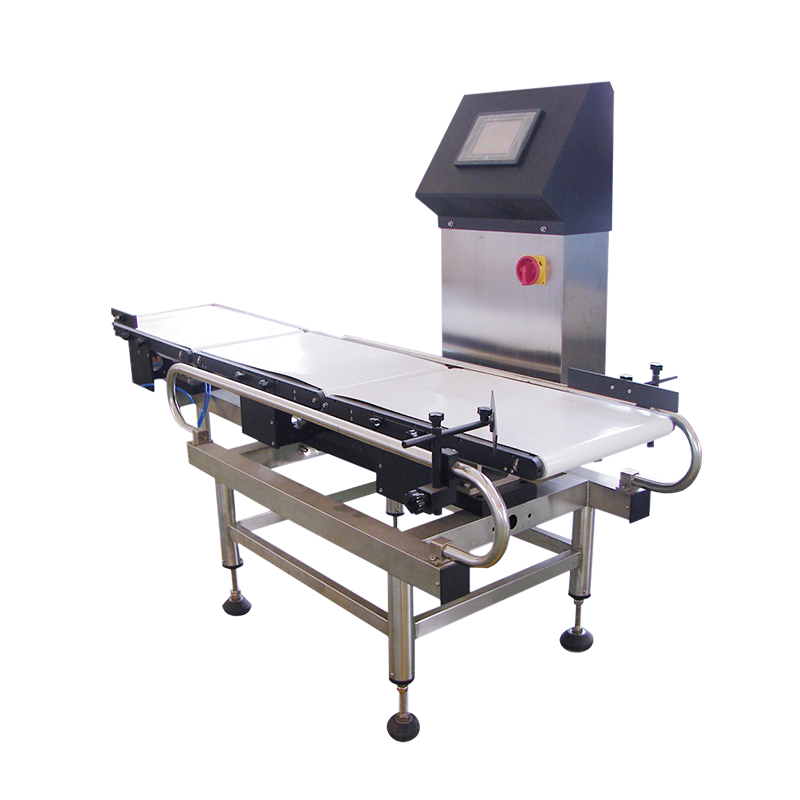
Food cartoning applications range from high-speed cereal box filling running at several hundred cartons per minute to careful confectionery packaging requiring gentle product handling. Food-grade cartoning machines must be constructed of stainless steel and food-safe materials in product zones, and must be easily washable for hygiene compliance. Frozen food cartoners operate in cold and humid environments that place additional demands on electronics, lubrication systems, and mechanical components. Many food cartoning applications require checkweigher integration immediately downstream of the cartoner to verify fill weight before the carton is sealed — underweight packs are rejected automatically before closure.
Cosmetics and Personal Care
Cosmetics cartoning typically involves a wide variety of product shapes, sizes, and fragile packaging (glass bottles, pump dispensers, compacts) that require careful handling. The aesthetic quality of the finished carton is critically important — creases, scuffs, adhesive bleed, or misaligned flaps are unacceptable on premium beauty packaging. High-end cosmetics cartoning machines use servo-driven axes for precise, gentle handling, gentle gripping rather than hard clamping, and vision systems that inspect the carton appearance as well as the closure quality. Flexibility across a large product range is particularly important in cosmetics, where new product launches and seasonal variations create frequent size changeovers.
Household Products and Consumer Goods
Detergent pods, razors, candles, small electronics accessories, and countless other consumer goods are packaged in folding cartons on cartoning machines. These applications often prioritize high throughput and maximum uptime over the precision and compliance requirements of pharma. Robustness, ease of maintenance, and fast changeover between the multiple SKUs typically handled on a single line are the key machine selection criteria in this segment.
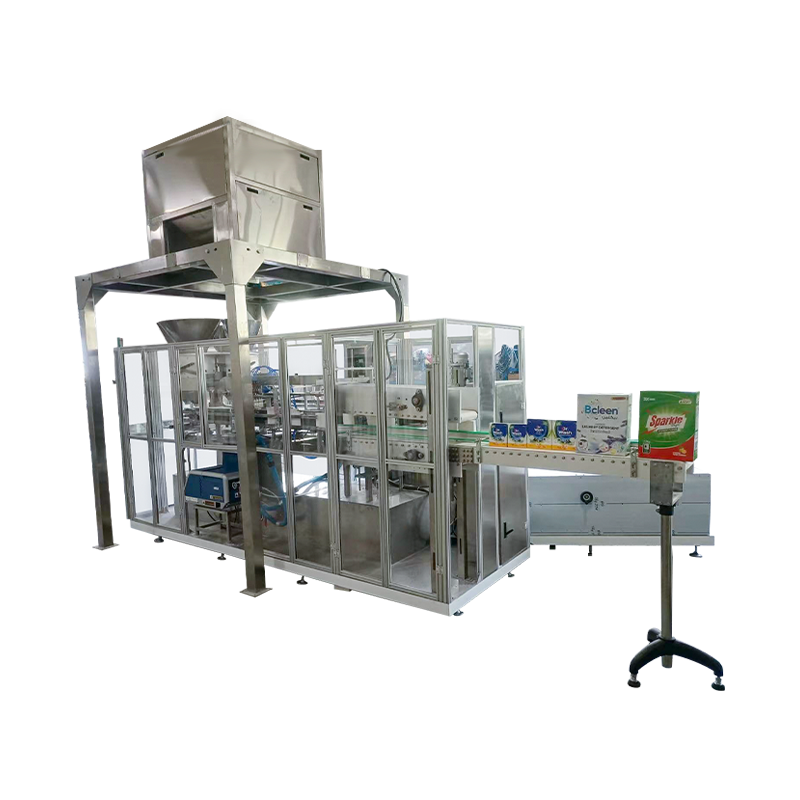
Cartoning Machine Speed and Output: What the Numbers Mean
Machine speed — expressed in cartons per minute (CPM) — is the headline specification for any cartoning machine, but it requires careful interpretation. Nominal speed is the maximum rated speed under ideal conditions with a single carton size running continuously. Actual production output is always lower than nominal speed, because it is reduced by planned stoppages (changeovers, cleaning, magazine refilling), unplanned downtime (mechanical faults, jams, reject events), and the efficiency losses inherent in running multiple product types on a single machine.
Overall Equipment Effectiveness (OEE) — the product of machine availability, performance rate, and quality rate — is the more meaningful measure of a cartoning machine's real-world productivity. A machine with a nominal speed of 200 CPM but an OEE of 65% delivers the same actual output as a machine rated at 130 CPM with an OEE of 100%. When evaluating machines, ask suppliers for OEE data from comparable reference installations rather than focusing solely on the nominal speed figure. For most well-run production facilities, OEE targets of 80–85% for cartoning lines are considered achievable; world-class operations target 90% and above.
Key Specifications to Compare When Evaluating Cartoning Machines
When assessing cartoning machines for purchase, a structured comparison across the following specifications will reveal the differences between models and suppliers that matter most for your specific application.
- Carton size range: The minimum and maximum carton dimensions the machine can handle in each axis (length, width, height). Ensure your full range of current and planned carton sizes falls within the machine's adjustment range, and that the adjustment between sizes can be made without excessive downtime.
- Changeover time: The time required to switch from one carton/product size to another, including adjustment of mechanical guides, replacement of format parts, and validation of the new setup. In high-SKU environments with frequent size changes, changeover time has a massive impact on available production time. Tool-less quick-release format parts and servo-driven size adjustments reduce changeover time significantly compared to screw-adjusted mechanical systems.
- Drive system — mechanical cam vs. servo: Older and lower-cost cartoning machines use mechanical cam-driven systems where all motions are linked by a common camshaft. Servo-driven machines replace most or all cams with individually controlled servo motors, providing far greater flexibility, easier size adjustment, gentler product handling, and simpler electronic changeover. For applications requiring high flexibility and frequent changeovers, servo-driven cartoners are strongly preferred despite their higher initial cost.
- Product infeed and grouping system: The design of the product infeed — how products are singulated, counted, grouped, and delivered to the carton loading position — must be matched to the specific product characteristics. Blister packs, bottles, tubes, bags, and fragile items all require different infeed approaches. Evaluate whether the supplier has demonstrated experience with your specific product type and what flexibility is built into the infeed for handling product variation.
- Inspection and rejection system: Understand what checks are performed on every carton before discharge — presence of product, leaflet insertion verification, carton closure integrity, print inspection — and what the false reject rate is. A system with a very low false reject rate reduces product waste and line stoppages; a system that misses genuine defects creates quality problems downstream.
- HMI and controls platform: The operator interface should be clear, intuitive, and capable of displaying fault diagnostics, production statistics, and recipe management for different product formats. A well-designed HMI reduces operator training time, accelerates troubleshooting, and makes changeover management simpler. Check whether the controls platform is based on a widely supported PLC and SCADA system for which local engineering expertise and spare parts are readily available.
- Connectivity and Industry 4.0 readiness: Modern cartoning machines should offer OPC-UA or equivalent data connectivity for integration with manufacturing execution systems (MES), enterprise resource planning (ERP) platforms, and overall line monitoring systems. Real-time production data, fault logging, and predictive maintenance alerts are increasingly standard expectations for new equipment installations.
Automatic vs. Semi-Automatic Cartoning Machines
Not every production environment requires a fully automatic cartoning machine. Semi-automatic cartoners perform some steps automatically — typically carton erection and closing — while requiring an operator to manually place product into the open carton. They are a practical and cost-effective solution for lower-volume operations, start-up businesses, pilot production, and products that are too complex or fragile for automated loading.
Semi-automatic cartoning machines typically operate at 10–40 cartons per minute, require one or two operators at the loading station, and cost significantly less than fully automatic machines of equivalent output speed. Their relatively simple mechanical design also means lower maintenance requirements and easier operator training. The trade-off is higher labor cost per carton and the variability inherent in manual product placement — alignment, orientation, and insertion consistency depend on the operator's skill and attention.
Fully automatic cartoning machines eliminate the operator at the loading station entirely, replacing manual insertion with mechanical pushers, pick-and-place robots, or continuous-motion loading systems. They are justified economically when production volumes, labor costs, or hygiene requirements make manual loading impractical. In pharmaceutical production, regulatory requirements for contamination control often effectively mandate fully automatic loading even at relatively modest production rates.
What to Check Before Buying a Cartoning Machine
Purchasing a cartoning machine is a significant capital investment with long-term implications for production capacity and flexibility. The following checklist covers the most important due-diligence steps before committing to a supplier and machine specification.
- Factory acceptance test (FAT): Always require a full FAT at the supplier's facility before machine shipment, running with your actual cartons and products. Verify that all specified speeds, changeover times, rejection performance, and inspection functions are met under realistic operating conditions. Any issues identified at FAT are far cheaper and faster to resolve at the supplier's facility than after installation.
- Reference site visits: Ask for references from customers running similar products, carton types, and line speeds on the same machine model. A site visit to a working installation reveals real-world performance, reliability, maintenance requirements, and operator experience that no brochure or FAT can fully replicate.
- Spare parts availability and lead times: Identify the critical spare parts — those whose failure would stop the line — and confirm they are held in stock by the supplier or a nearby distributor with short lead times. For machines with long production runs, consider holding critical spares on-site to minimize downtime risk from unexpected component failures.
- Service and support network: Confirm the supplier has service engineers who can reach your facility within an acceptable response time. Remote diagnostics capability — where the supplier can connect to the machine's PLC remotely to diagnose faults — significantly reduces downtime for software and settings-related issues and is an increasingly standard offering from reputable cartoning machine suppliers.
- Future-proofing and upgrade path: Consider whether the machine can be upgraded to handle additional carton sizes, higher speeds, or new inspection systems as your business grows. Modular machine architectures that allow future upgrades are more valuable long-term than fixed-design machines that offer no upgrade path.
- Total cost of ownership (TCO): Look beyond the purchase price to the full cost of operating the machine over its expected service life — energy consumption, spare parts and consumables, maintenance labor, operator training, and the cost of lost production from planned and unplanned downtime. A machine that costs 20% more to buy but has substantially lower TCO over ten years of operation is the better economic choice.
Trends Shaping the Future of Cartoning Machines
The cartoning machine market is evolving rapidly in response to changes in consumer packaging preferences, regulatory requirements, sustainability pressures, and manufacturing technology. Several significant trends are shaping how cartoners are designed and specified today and will continue to do so over the coming years.
Sustainability is one of the strongest forces reshaping carton packaging and therefore cartoning machine design. As brands shift from plastic packaging to paperboard cartons — driven by both regulatory pressure (bans on single-use plastics in many markets) and consumer preference — demand for cartoning machines is increasing. At the same time, new sustainable carton designs, including cartons made from recycled content board, thinner-gauge board, and cartons with alternative closure mechanisms that avoid adhesive, are creating new challenges for cartoning machines that must handle these materials reliably. Machine suppliers are responding with more sensitive tension control systems, adjustable folding forces, and broader compatibility with alternative board grades and finishes.
Serialization and digital connectivity requirements continue to intensify — particularly in pharmaceutical packaging, where end-to-end supply chain traceability is now a regulatory requirement in most major markets. Cartoning machines must integrate seamlessly with vision inspection systems that verify printed serialization codes on every carton, reject non-conforming packs, and upload verification data to supply chain management systems in real time. The complexity and data management demands of serialization have effectively raised the baseline capability expectation for all new pharmaceutical cartoners. Increasingly, the same data connectivity and traceability capabilities are being adopted in food and consumer goods cartoning as retailers and regulatory bodies extend track-and-trace requirements beyond pharmaceuticals.


 English
 Español
 عربى
عربى


Contact Us