What Exactly is a Cartoning Machine and How Does it Work?
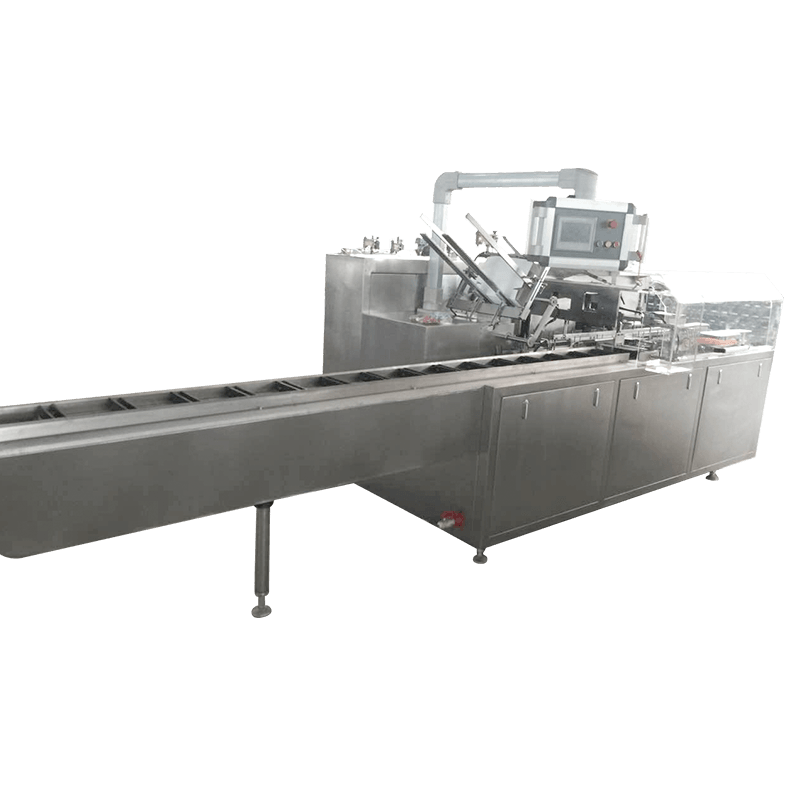
A cartoning machine, or simply a cartoner, is a sophisticated piece of packaging equipment designed to transform flat carton blanks into upright, functional boxes. Once the box is formed, the machine automatically inserts a product—whether it’s a bottle of medicine, a tube of toothpaste, or a bag of frozen food—and then closes the flaps using tuck-in tabs or hot-melt glue. These machines are the backbone of modern secondary packaging, bridges the gap between the primary container and the final shipping case.
The operation typically follows a synchronized sequence: the carton is picked from a magazine via vacuum suction, "broken" or opened, and moved along a conveyor. Product sensors ensure that a carton is only dispensed when a product is present, preventing empty boxes and reducing material waste. Modern units often feature advanced PLC controls to manage this timing with millisecond precision, ensuring that the entire process is seamless and fast.
Choosing Between Horizontal and Vertical Cartoning Machine Types
When selecting cartoning equipment, the most critical decision involves the orientation of the product insertion. This choice is usually dictated by the physical nature of the product and the desired speed of the production line. Both styles offer unique advantages depending on your specific facility layout and throughput goals.
Horizontal Cartoners
Horizontal cartoning systems are the most common choice for high-volume, automated lines. In this setup, the product is pushed into the carton from the side. This is ideal for sturdy items like blister packs, soap bars, or boxed dry goods. Because the motion is linear and can be continuous rather than intermittent, horizontal machines generally reach much higher speeds than their vertical counterparts.
Vertical Cartoners
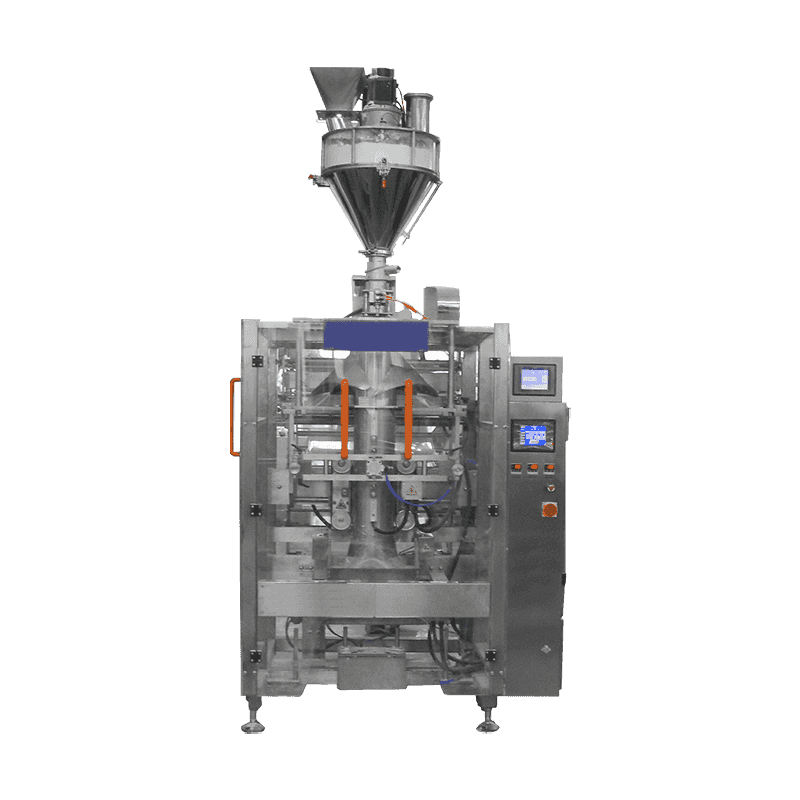
In a vertical cartoning machine, the product is dropped into the carton from the top, often aided by gravity. This is the preferred method for loose products like granular foods, powders, or fragile items that might be damaged by a horizontal push. Vertical machines are also popular for "manual load" applications where workers drop multiple small items into a single box as it passes by.
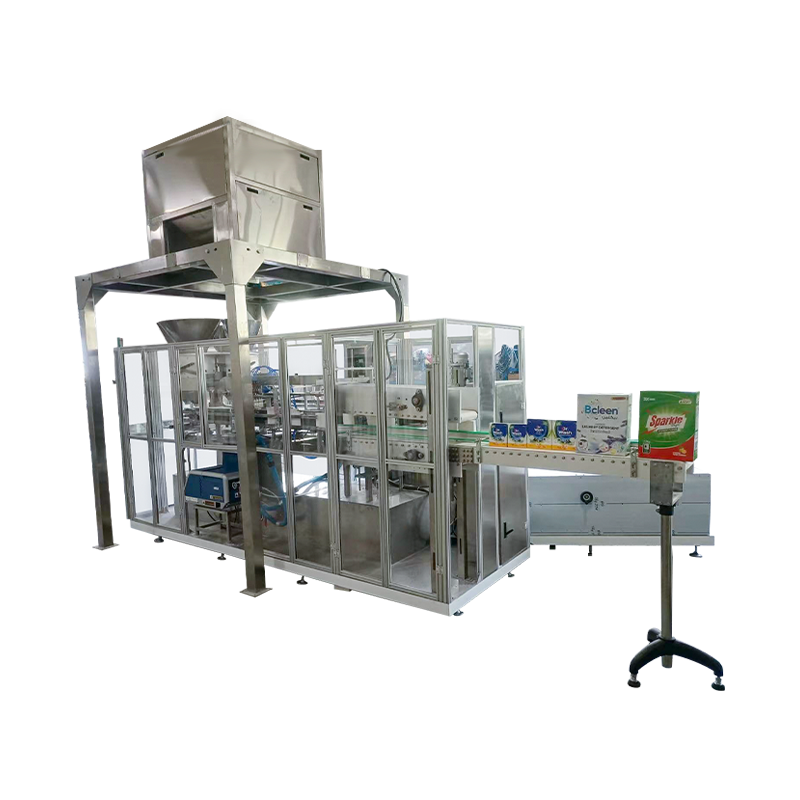
Key Features and Technical Specifications
Modern cartoning technology has evolved to be highly flexible, allowing for quick changeovers between different box sizes. When comparing different models, it is helpful to look at the automation level and the closing mechanism. Most industrial machines fall into several categories based on their operational complexity.
| Machine Type |
Ideal Use Case |
Typical Speed |
| Semi-Automatic |
Small batches / Manual loading |
20-40 CPM |
| Intermittent Motion |
Precision pharmaceutical kits |
50-80 CPM |
| Continuous Motion |
High-speed consumer goods |
120+ CPM |
Benefits of Integrating an Automatic Cartoning Machine
The primary driver for investing in a cartoning machine is the massive increase in operational efficiency. Manual cartoning is slow, prone to repetitive strain injuries for workers, and often results in inconsistent box appearances. An automated system provides a professional, uniform look to every package that leaves your facility, which is essential for retail shelf appeal.
- Reduced Labor Costs: One machine can often do the work of five to ten manual packers.
- Material Savings: Precision application of glue and exact folding reduces the number of ruined cartons.
- Enhanced Protection: Machine-sealed cartons are typically more secure during transit than hand-taped ones.
- Scalability: Easily ramp up production to meet seasonal demands without hiring temporary staff.
Maintenance Tips for Long-Term Reliability
To get the most out of your cartoning machine, a proactive maintenance schedule is mandatory. Because these machines involve many moving parts—vacuum cups, chains, pushers, and tuckers—wear and tear is inevitable. Keeping the machine clean, especially the vacuum lines and glue nozzles, prevents the most common causes of unplanned downtime.
Operators should be trained to listen for unusual noises and to check for loose fasteners daily. It is also wise to keep a "critical spares" kit on hand, including extra suction cups, belts, and heaters for the glue system. By performing regular lubrication and software updates, you can ensure that your equipment remains a reliable asset for a decade or more.


 English
 Español
 عربى
عربى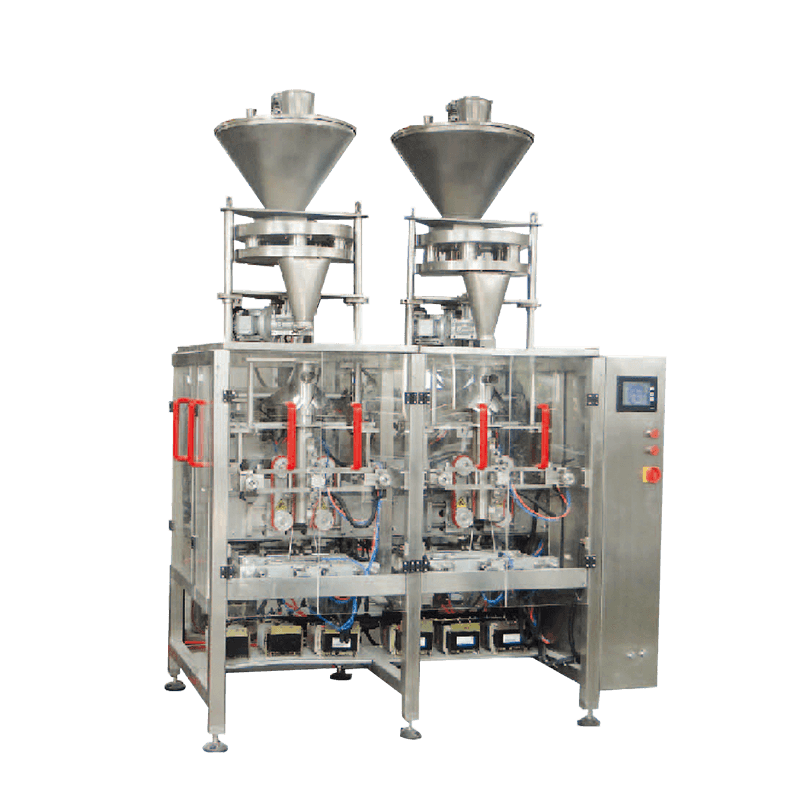


Contact Us