Why a Food Industry Liquid Packaging Machine Is a Smart Investment
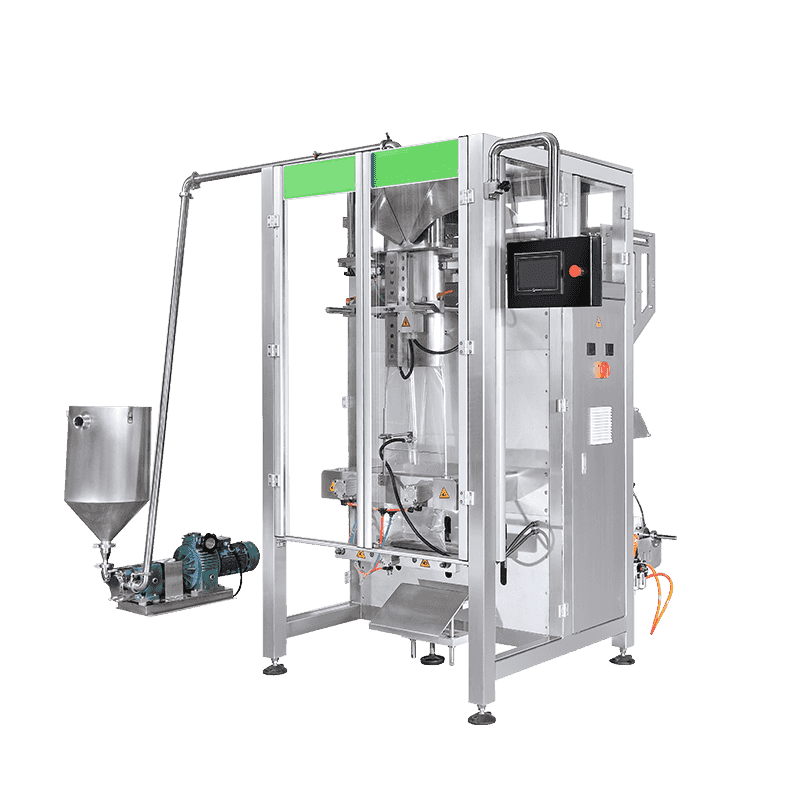
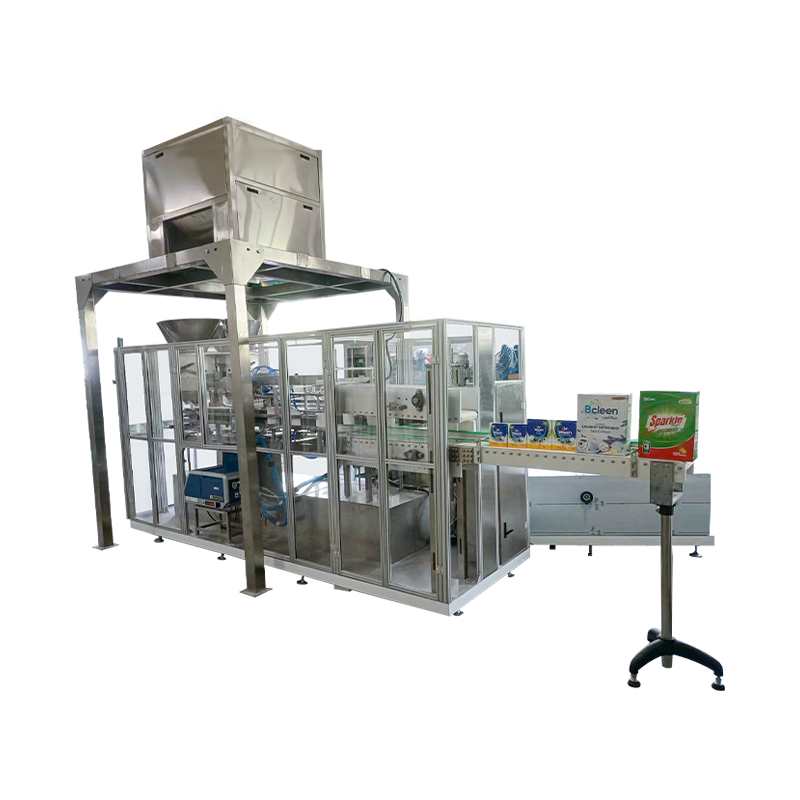
A food industry liquid packaging machine automates the process of filling, sealing, and packaging liquid food products such as juices, sauces, dairy, oils, and beverages. For food and beverage manufacturers, this equipment is far more than a convenience, it's often the difference between a production line that can scale profitably and one that struggles with inconsistent fill volumes, contamination risks, and slow throughput. As consumer demand for packaged liquid foods continues to grow, having reliable, efficient, and hygienic packaging equipment has become essential for staying competitive.
Beyond speed and consistency, modern liquid packaging machines are designed with food safety regulations in mind, incorporating sanitary materials, easy-to-clean components, and precise fill controls that reduce product waste. Choosing the right machine depends on your product's viscosity, packaging format, production volume, and budget, and understanding these factors upfront can save significant time and money during the equipment selection process.
Main Types of Food Industry Liquid Packaging Machines
Liquid packaging equipment comes in several configurations, each suited to different product types and packaging formats.
Piston Fillers
Piston filling machines use a mechanical piston to draw liquid into a cylinder and then push it into containers with high accuracy. These machines are particularly effective for thicker liquids like sauces, purees, and dressings, where volumetric accuracy and gentle handling of particulates matter. Piston fillers are valued for their precision and ability to handle products with chunks or varying viscosity without clogging.
Gravity Fillers
Gravity filling machines rely on the natural flow of liquid from a holding tank into containers, making them ideal for thin, free-flowing liquids such as water, juice, and milk. These systems are simple, cost-effective, and easy to maintain, making them a popular entry point for smaller producers or lower-viscosity product lines.
Pressure Fillers
Pressure fillers use controlled air or product pressure to fill containers quickly and are especially useful for carbonated beverages or liquids that foam easily, since they help minimize excess foaming during the filling process. This makes pressure filling equipment a common choice for soda, beer, and other carbonated drink production lines.
Aseptic Filling Machines
Aseptic liquid packaging machines fill and seal products in a sterile environment, extending shelf life without the need for refrigeration or added preservatives. This technology is widely used for products like plant-based milk, broths, and certain juices that require long shelf stability while maintaining nutritional quality and taste.
Comparing Liquid Filling Technologies
The table below offers a quick comparison to help match filling technology to your product type and production goals.
| Filling Type |
Best For |
Fill Accuracy |
Relative Cost |
| Piston Filler |
Sauces, purees, thick liquids |
Very High |
Moderate to High |
| Gravity Filler |
Water, juice, milk |
Moderate |
Low |
| Pressure Filler |
Carbonated beverages |
High |
Moderate |
| Aseptic Filler |
Long shelf-life products |
Very High |
High |
Key Features to Look For When Choosing a Machine
Beyond the basic filling method, several features can significantly impact how well a liquid packaging machine performs in a real production environment.
- Sanitary construction using food-grade stainless steel that resists corrosion and meets food safety compliance standards.
- Easy clean-in-place (CIP) systems that reduce downtime between product changeovers and simplify daily sanitation routines.
- Adjustable fill volume settings that allow flexibility for different container sizes and product lines without major retooling.
- Integrated capping, labeling, or sealing modules that streamline the packaging process into a single continuous line.
- User-friendly control panels with programmable settings that reduce operator training time and minimize setup errors.
Matching Machine Capacity to Your Production Needs
Selecting a liquid packaging machine with the right production capacity is essential to avoid both bottlenecks and unnecessary equipment investment. Small and mid-sized producers often start with semi-automatic machines that require some manual container placement but still offer significant efficiency gains over fully manual filling. As production scales, fully automatic systems with integrated conveyors, filling, capping, and labeling become more cost-effective, since they reduce labor costs per unit and increase overall line speed. It's important to evaluate not just your current production volume, but anticipated growth over the next few years, since upgrading an entire packaging line later can be far more disruptive and costly than investing in slightly higher capacity equipment upfront.
Maintaining Hygiene and Compliance in Liquid Packaging Operations
Food safety compliance is a critical consideration when operating any food industry liquid packaging machine. Regular cleaning schedules, including thorough clean-in-place cycles, help prevent bacterial growth and cross-contamination between product batches. Machines should be constructed with minimal crevices or hard-to-reach areas where product residue could accumulate, and all product-contact surfaces should meet relevant food-grade material standards. Routine calibration checks on fill accuracy help ensure consistent product weights and volumes, which is important both for regulatory compliance and for maintaining consistent packaging costs. Keeping detailed maintenance and cleaning logs also supports easier compliance during health and safety inspections.
Choosing the Right Food Industry Liquid Packaging Machine for Your Business
Selecting the ideal liquid packaging machine ultimately comes down to understanding your product's specific characteristics, from viscosity and particulate content to shelf-life requirements, alongside your current and projected production volume. Piston fillers offer precision for thicker products, gravity fillers provide a cost-effective solution for thin liquids, pressure fillers handle carbonation with ease, and aseptic systems extend shelf life for sensitive products. Partnering with an experienced equipment supplier who understands food industry regulations and can tailor a system to your specific product line will help ensure your investment delivers reliable performance, consistent product quality, and long-term operational efficiency.


 English
 Español
 عربى
عربى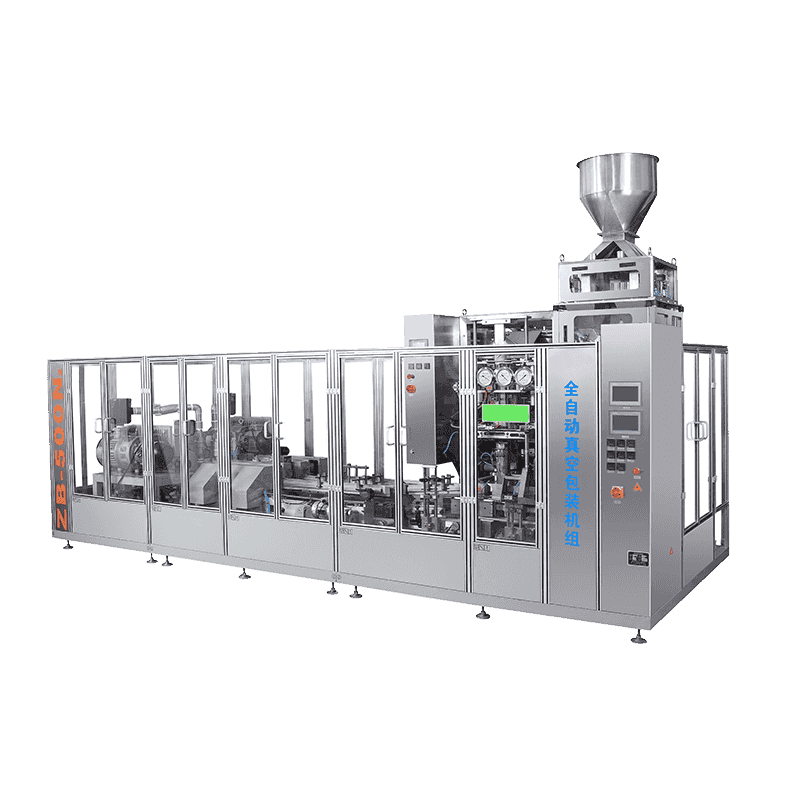


Contact Us