Why Manufacturers Are Moving Toward Fully Automatic Cartoning Production Lines
A fully automatic cartoning production line replaces the manual and semi-manual steps of boxing products with a continuous, machine-driven process. Instead of employees folding cartons, inserting products, and manually closing flaps, the entire sequence runs through motorized feeding, forming, filling, and sealing stations that operate in sync with the rest of the production floor. For companies packaging thousands or millions of units per month, this shift isn't just about convenience, it's about staying competitive on cost per unit while meeting increasingly strict labeling and traceability rules. Before committing to a purchase, most manufacturers want a clear answer to one question: does a fully automatic cartoning line actually pay for itself, and if so, how quickly?
This article breaks down the practical side of that decision, covering machine types, real cost factors, return on investment considerations, and the maintenance commitment required to keep a cartoning line running at full capacity.
Horizontal vs Vertical Cartoning Machines
Fully automatic cartoning lines are generally built around one of two machine orientations, and choosing the right one depends heavily on the product being packaged.
Horizontal Cartoning Machines
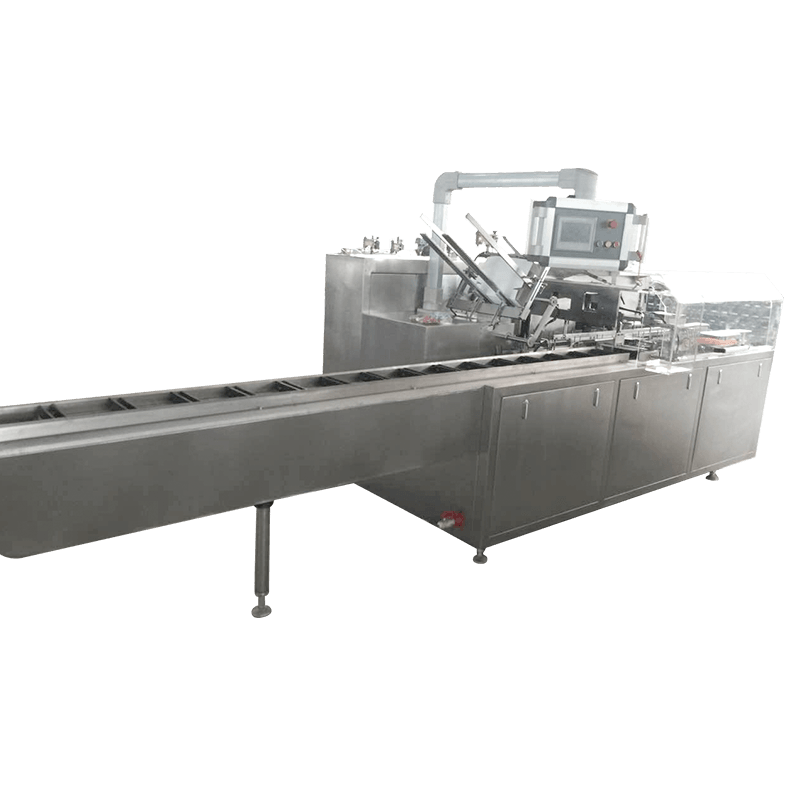
Horizontal machines move cartons along a flat, side-loading path and are typically used for products like blister packs, sachets, tubes, and flat items that can be pushed into an open carton from the side. These machines are common in pharmaceutical and cosmetic packaging where precise, gentle insertion is required.
Vertical Cartoning Machines
Vertical machines drop products downward into an upright carton, making them better suited for bottles, jars, and rigid containers that need to settle into place using gravity. These lines are frequently found in food, beverage, and household product packaging operations.
Breaking Down the Real Cost of a Cartoning Production Line
The upfront price tag of a fully automatic cartoning line is only part of the total investment. Manufacturers need to account for several cost categories to get an accurate picture of what ownership actually looks like.
- Equipment purchase price, which varies significantly based on speed rating and level of automation.
- Installation and commissioning costs, including integration with existing upstream and downstream equipment.
- Operator training required to run and troubleshoot the new system.
- Spare parts inventory for wear components like belts, sensors, and gluing nozzles.
- Ongoing preventive maintenance contracts or in-house technician time.
Calculating Return on Investment for an Automatic Cartoning Line
Most manufacturers evaluate cartoning automation based on how quickly labor savings and output gains offset the initial cost. The table below illustrates a simplified comparison between manual cartoning and a fully automatic line to show how the numbers typically shift.
| Factor |
Manual Cartoning |
Fully Automatic Line |
| Operators Required per Shift |
4 to 6 |
1 to 2 |
| Average Cartons per Minute |
15 to 25 |
100 to 300+ |
| Packaging Error Rate |
Higher, dependent on operator fatigue |
Lower, consistent with vision inspection |
| Long-Term Labor Cost |
Increases with production volume |
Remains relatively stable |
Many manufacturers find that a fully automatic cartoning line pays for itself within one to three years, depending on production volume, labor rates, and how many shifts the line operates per day.
Questions to Ask a Cartoning Equipment Supplier Before Buying
Not all fully automatic cartoning production lines are built to the same standard, and asking the right questions upfront can prevent expensive surprises after installation.
- What is the guaranteed maximum speed at our specific carton size and product weight?
- How long does a full changeover between carton formats typically take?
- What is the expected lifespan of key wear parts, and how readily available are replacements?
- Does the line support serialization and aggregation for regulatory compliance, if required?
- What kind of remote diagnostics or technical support is available after installation?
Keeping a Cartoning Line Running at Full Capacity
Purchasing the right equipment is only half the equation. Long-term performance depends on how well the line is maintained once it's in daily operation.
Scheduled Preventive Maintenance
Routine checks on gluing systems, carton feeders, and sensors help catch minor wear before it turns into unplanned downtime. Most suppliers recommend a maintenance schedule based on running hours rather than calendar time, since usage intensity varies between facilities.
Operator Training and Standard Operating Procedures
Even a fully automated line still requires trained operators who can respond quickly to jams, adjust settings during changeovers, and recognize early warning signs of mechanical issues. Clear standard operating procedures reduce the risk of improper adjustments that could damage equipment or void warranties.
Software and Firmware Updates
Many modern cartoning lines run on programmable logic controllers with updatable software. Keeping this software current ensures compatibility with new labeling requirements and can improve overall line efficiency through manufacturer-issued performance updates.
Final Thoughts on Choosing a Fully Automatic Cartoning Production Line
Deciding whether a fully automatic cartoning production line is the right investment comes down to production volume, labor costs, and how much value consistent, high-speed packaging brings to your operation. By understanding the differences between horizontal and vertical machine designs, calculating a realistic return on investment, and asking suppliers the right technical questions before purchase, manufacturers can avoid common pitfalls and choose a line that fits both current needs and future growth. With proper maintenance and operator training in place, a well-selected cartoning line can run reliably for years, making it one of the most impactful upgrades a packaging operation can make.


 English
 Español
 عربى
عربى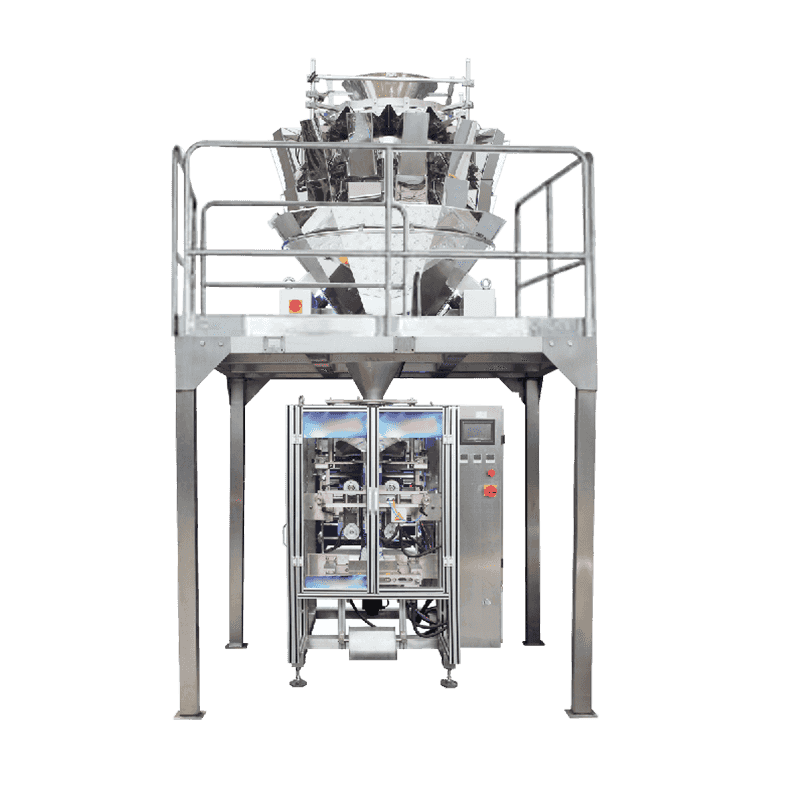



Contact Us