What Is a Chain Drive Bucket Elevator and How Does It Work?
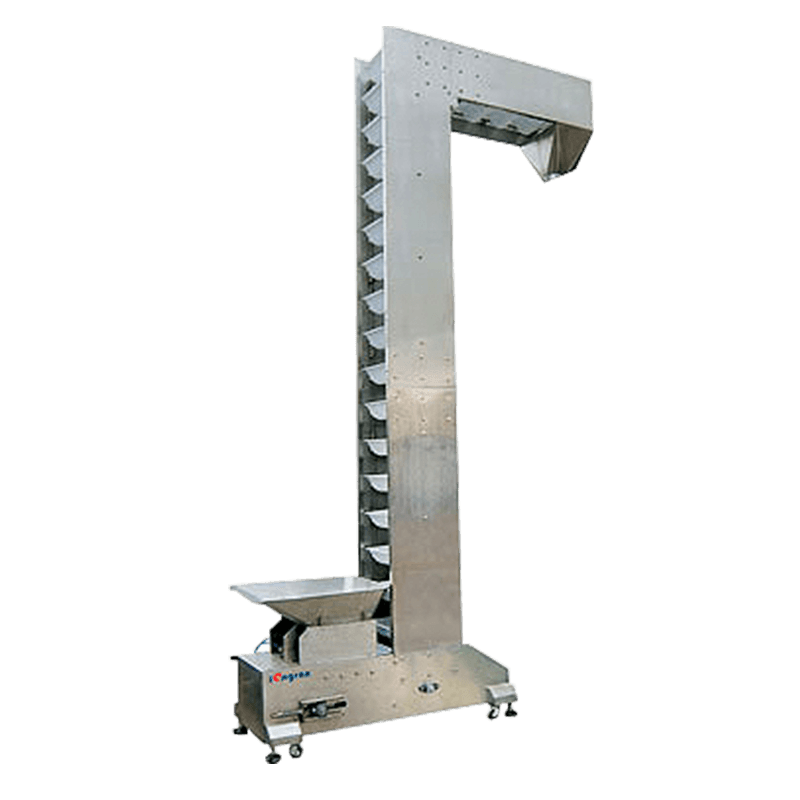
A chain drive bucket elevator is a vertical conveying system that uses buckets mounted on one or two strands of chain to lift bulk materials from a lower point to a higher point. Unlike belt-driven elevators, a chain drive bucket elevator relies on heavy-duty chains looped around head and tail sprockets to carry the buckets through the casing. As the chain moves, buckets scoop material at the boot section, travel upward inside an enclosed housing, and discharge the load over the head sprocket through centrifugal or gravity discharge, depending on the design.
This type of elevator is widely chosen when materials are abrasive, heavy, hot, or have large lump sizes that would quickly wear out a rubber belt. Because the chain drive bucket elevator uses metal chains instead of belts, it tolerates higher temperatures and more aggressive materials without stretching, slipping, or tearing, which makes it a dependable workhorse in demanding industrial environments.
Main Components of a Chain Drive Bucket Elevator
Understanding the parts of a chain drive bucket elevator helps operators troubleshoot issues and plan maintenance schedules. The core components work together to keep material moving smoothly and safely through the vertical path.
- Buckets: Steel or fabricated containers bolted to the chain that scoop and carry material.
- Chains: Single or double strand chains that pull the buckets through the elevator, typically made from forged or roller chain links.
- Sprockets: Toothed wheels at the head and tail that guide and drive the chain loop.
- Head section: Houses the drive sprocket, motor, and gear reducer that power the elevator.
- Boot section: The lower loading area where material enters and the tail sprocket maintains chain tension.
- Casing: The enclosed housing that protects the moving parts and contains dust or spillage.
Chain Drive vs. Belt Drive Bucket Elevators
One of the most common decisions engineers face is whether to select a chain drive bucket elevator or a belt-driven alternative. Each option has strengths depending on the material being handled and the operating conditions of the facility.
| Feature |
Chain Drive Bucket Elevator |
Belt Drive Bucket Elevator |
| Best for abrasive materials |
Yes |
Limited |
| High temperature tolerance |
Excellent |
Poor |
| Operating speed |
Slower, steady |
Faster |
| Maintenance frequency |
Moderate, chain lubrication needed |
Lower, but belt replacement can be costly |
| Initial cost |
Higher |
Lower |
Common Industries That Rely on Chain Drive Bucket Elevators
Because a chain drive bucket elevator can handle heavy loads and rough materials, it shows up across many heavy industries where reliability matters more than speed.
Cement and Aggregate Processing
Cement plants use chain drive bucket elevators to move clinker, raw meal, and other abrasive, high-temperature materials that would destroy a belt-type system within weeks.
Mining and Mineral Processing
Ore, coal, and crushed stone contain sharp edges and heavy particles, so mining operations depend on the strength of chain-driven systems to lift these materials without frequent breakdowns.
Grain and Agricultural Facilities
While lighter belt elevators are common for grain, larger grain terminals and feed mills that handle wet or dense grain often choose chain drive bucket elevators for added durability and reduced slippage.
How to Choose the Right Chain Drive Bucket Elevator for Your Operation
Selecting the correct chain drive bucket elevator involves more than just picking a standard size off a catalog. A few practical factors should guide the decision-making process.
- Material characteristics: Consider bulk density, particle size, moisture content, and abrasiveness before selecting bucket style and chain type.
- Capacity requirements: Match the elevator's throughput rating, measured in tons per hour, to your facility's production needs.
- Elevator height: Taller lifts require stronger chains and more robust tensioning systems to prevent sagging.
- Discharge method: Centrifugal discharge works well for free-flowing materials, while gravity discharge suits heavier or sluggish materials.
- Environmental conditions: Dust-tight or explosion-proof casing may be necessary depending on the material and facility regulations.
Maintenance Tips to Extend the Life of a Chain Drive Bucket Elevator
Routine maintenance keeps a chain drive bucket elevator running efficiently and prevents costly unplanned downtime. Since the chain and sprockets bear the most wear, they deserve the closest attention.
Lubrication Schedule
Chains should be lubricated on a consistent schedule using a lubricant rated for the operating temperature and material environment. Skipping lubrication accelerates wear on pins and bushings, leading to chain elongation.
Chain Tension Checks
Loose chains can jump sprocket teeth, while overly tight chains place excess strain on bearings. Periodic tension inspection at the boot section helps catch elongation before it causes a failure.
Bucket Inspection and Replacement
Buckets wear down or crack over time, especially when handling sharp or heavy materials. Replacing damaged buckets promptly prevents spillage and keeps the elevator balanced during operation.
Signs Your Chain Drive Bucket Elevator Needs Attention
Catching problems early saves both money and downtime. Watch for these warning signs that indicate a chain drive bucket elevator may need service.
- Unusual noise or rattling coming from the casing during operation.
- Reduced throughput or material spillage at the boot or head sections.
- Visible chain sag or uneven bucket spacing along the strand.
- Increased motor load or frequent tripping of the drive motor.
- Excessive dust leakage from casing seams, indicating wear or misalignment.
Addressing these symptoms quickly not only extends the service life of the equipment but also protects workers by reducing the risk of chain failure or bucket detachment during operation.


 English
 Español
 عربى
عربى


Contact Us