What Exactly Is a High Precision Automatic Labeling Machine?
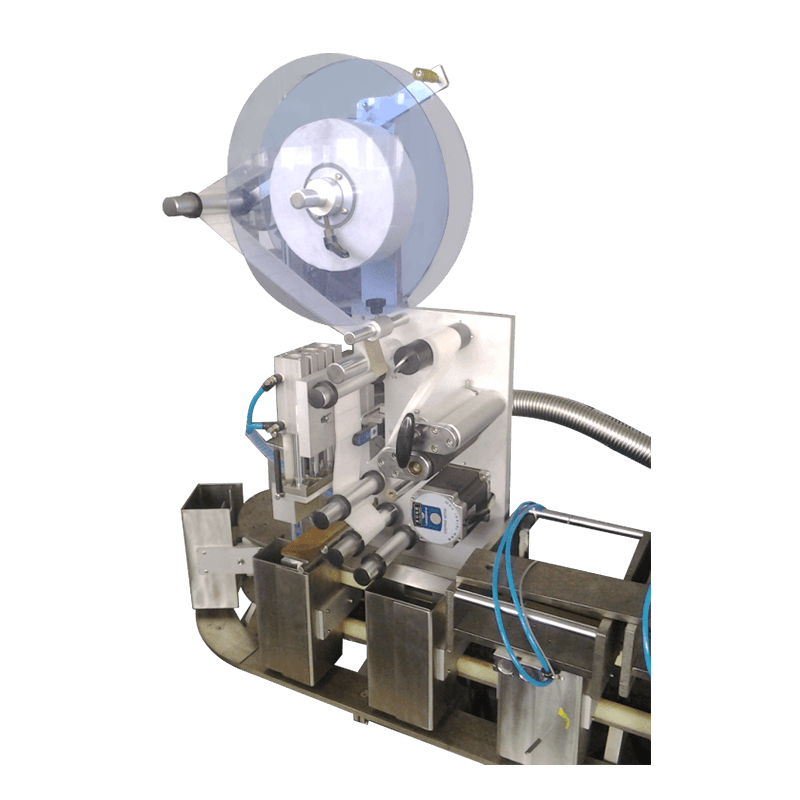
A high precision automatic labeling machine is a piece of production equipment designed to apply labels onto products, containers, or packaging with minimal position error, typically within ±0.5mm or even tighter tolerances. Unlike standard labeling equipment that focuses mainly on speed, a high precision automatic labeling machine prioritizes accuracy first, making sure every label lands exactly where it should — straight, centered, and free from wrinkles or air bubbles. This matters a lot in industries where label placement affects both appearance and compliance, such as pharmaceuticals, cosmetics, electronics, and food packaging.
At its core, this type of machine combines mechanical precision with smart sensing technology. Servo motors control the movement of the label head, photoelectric sensors detect the exact edge of each product, and the control system calculates the perfect timing to dispense and press the label. The result is a consistent, repeatable process that human hands simply cannot match at high volume.
Core Components That Make Labeling Accurate
To understand why a high precision automatic labeling machine performs so much better than manual or semi-automatic alternatives, it helps to look at the parts working together behind the scenes.
Servo-Driven Label Dispensing System
The servo motor is the heart of precision labeling. It adjusts dispensing speed in real time based on product size, shape, and conveyor speed, ensuring the label is released at the exact right moment every single cycle.
Photoelectric and Vision Sensors
Sensors detect product position, orientation, and sometimes even surface curvature. Advanced models use vision cameras to identify irregular shapes and automatically adjust the labeling angle, which is especially useful for bottles, tubes, and oddly shaped packaging.
PLC Control System
The programmable logic controller ties everything together, allowing operators to set parameters like label gap, dispensing speed, and pressure through a touchscreen interface, then repeat that exact setup for future production runs without manual recalibration.
Which Industries Benefit Most From High Precision Labeling
Not every product needs micron-level labeling accuracy, but for several industries, it's not optional — it's a requirement tied to safety, branding, or regulation.
- Pharmaceutical packaging, where label misalignment can lead to compliance failures or recalls
- Cosmetics and personal care, where visible label placement directly affects brand perception
- Electronics manufacturing, where barcode and serial number labels must be scannable and precisely positioned
- Food and beverage packaging, where nutrition labels must align with legal labeling standards
- Industrial and chemical containers, where hazard labels must be clearly visible and durable
How to Choose the Right High Precision Automatic Labeling Machine
Selecting the right machine isn't just about picking the one with the highest listed accuracy specification. Several practical factors determine whether a machine will actually perform well in your production environment.
Product Shape and Size Range
Round bottles, flat boxes, and irregular containers each require different labeling head designs. Make sure the machine you choose supports the full range of product shapes your production line handles, not just your current best-seller.
Labeling Speed Requirements
Precision and speed often need to be balanced. Determine your required output per minute and confirm the machine maintains its accuracy rating even at maximum speed, not just during slow test runs.
Integration With Existing Production Lines
A high precision automatic labeling machine should fit smoothly into your existing conveyor system, filling line, or packaging sequence. Check compatibility with your current PLC systems and whether the machine supports remote monitoring or data logging for quality control.
Comparing Labeling Machine Types
The table below compares common labeling machine categories to help clarify where a high precision automatic labeling machine fits in terms of accuracy, speed, and typical use case.
| Machine Type |
Typical Accuracy |
Best Suited For |
| Manual Labeling |
±3-5mm |
Very small batch production |
| Semi-Automatic Labeling |
±1-2mm |
Medium volume, mixed product lines |
| High Precision Automatic Labeling Machine |
±0.1-0.5mm |
High volume, regulated, or brand-sensitive products |
Maintaining Long-Term Accuracy
Buying a high precision automatic labeling machine is only the first step; keeping it accurate over years of operation requires consistent care. Sensors can drift out of calibration, rollers wear down, and dust buildup can affect label feed consistency.
- Schedule routine sensor calibration checks, ideally monthly for high-volume lines
- Clean label guides and rollers regularly to prevent adhesive residue buildup
- Replace worn belts and rollers before they start affecting label alignment
- Keep firmware and control software updated for improved detection algorithms
- Train operators to recognize early signs of misalignment before defects pile up
Return on Investment: Is It Worth the Upgrade?
Many manufacturers hesitate to upgrade because high precision automatic labeling machines cost more upfront than basic models. However, the return on investment usually shows up quickly through reduced material waste, fewer rejected products, and lower labor costs. A machine that consistently applies labels correctly the first time eliminates the need for manual rework, reduces customer complaints tied to packaging errors, and helps maintain compliance with industry labeling regulations, which can be far more costly to fix after the fact than to prevent upfront.
For businesses scaling production or entering regulated markets, investing in accurate, repeatable labeling technology isn't just a convenience — it becomes a competitive necessity that protects both product quality and brand reputation over the long run.


 English
 Español
 عربى
عربى


Contact Us