Why Salt Packaging Needs Specialized High-Speed Equipment
Salt is one of the highest-volume packaged commodities in global food and industrial processing, and the demands it places on packaging equipment are far more specific than most dry goods. A high-speed salt packaging machine is not simply a standard powder filling machine running at elevated speed — it must be purpose-engineered to handle the unique physical and chemical properties of salt that make it one of the most challenging materials to package reliably at industrial throughput rates. These properties include high bulk density, variable crystal size, strong hygroscopicity (the tendency to absorb moisture from the air and clump), and extreme corrosiveness to metal components that are not specifically protected against salt exposure.
Salt processing facilities that rely on standard food packaging machinery not designed for salt service often find themselves dealing with chronic maintenance problems — corroded seals, seized auger flights, blocked filling heads, and failed sensors — that accumulate rapidly and create costly unplanned downtime. The business case for investing in a properly specified high-speed automated salt packing machine rather than adapting a general-purpose line is straightforward: the total cost of ownership over five years is almost always lower, output consistency is higher, and rejection rates due to weight variance or seal failure are significantly reduced. Understanding the technical distinctions matters before making any equipment purchase decision.
Main Types of High-Speed Salt Packaging Machines
The salt packaging equipment market offers several machine types suited to different output requirements, pack formats, and operational environments. Selecting the right configuration begins with understanding what each category is designed to do and where it excels.
Vertical Form-Fill-Seal (VFFS) Salt Packing Machines
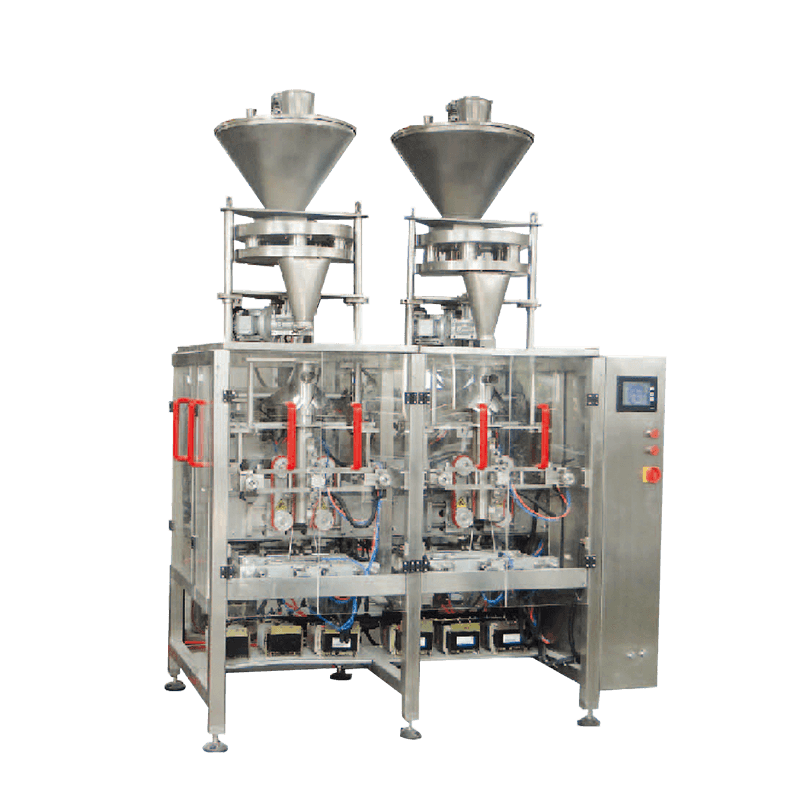
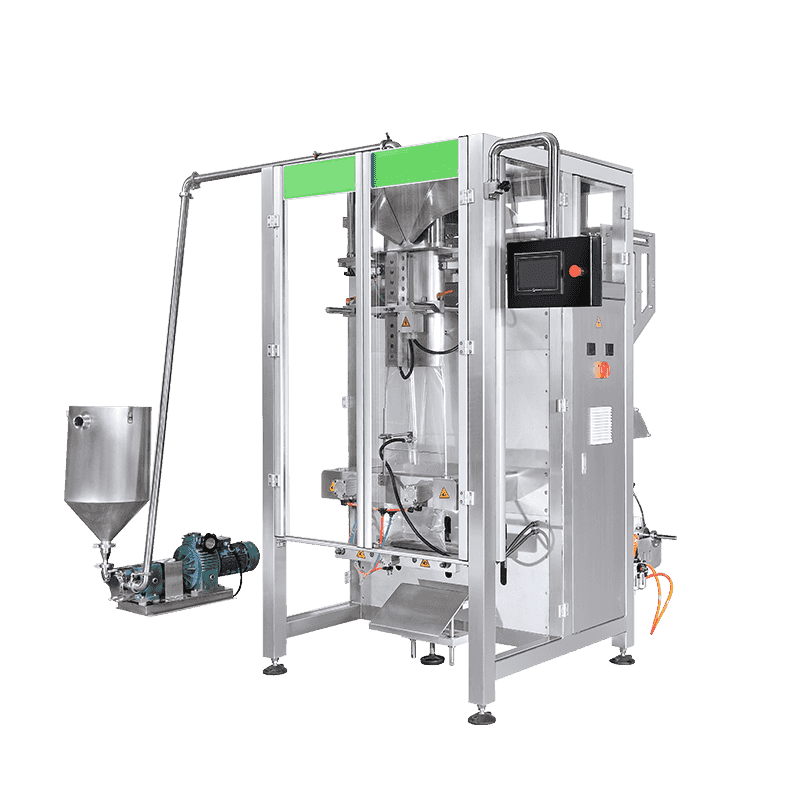
Vertical form-fill-seal machines are the most widely used configuration in high-speed salt packaging lines worldwide. The VFFS process takes a flat roll of packaging film, forms it into a tube around a central filling tube, fills it with a metered dose of salt through a volumetric or gravimetric filling system, and seals both the bottom and top of each bag in a continuous cycle. High-speed VFFS salt packaging machines capable of producing 60 to 120 bags per minute are standard in medium and large salt production facilities. The format is highly flexible — the same machine can produce pillow bags, gusseted bags, and stand-up pouches by changing the forming collar, sealing jaws, and film type without major mechanical reconfiguration.
For salt specifically, VFFS machines must be specified with stainless steel contact parts, corrosion-resistant sealing jaws, and filling augers or volumetric cups made from materials that resist the abrasive and corrosive combination of salt crystals and ambient humidity. The film sealing system — whether impulse heat sealing or continuous band sealing — must reliably seal through trace salt contamination at the seal line, which is inevitable given the fine crystal size of many table salt grades.
Multi-Head Weigher Systems for Coarse Salt
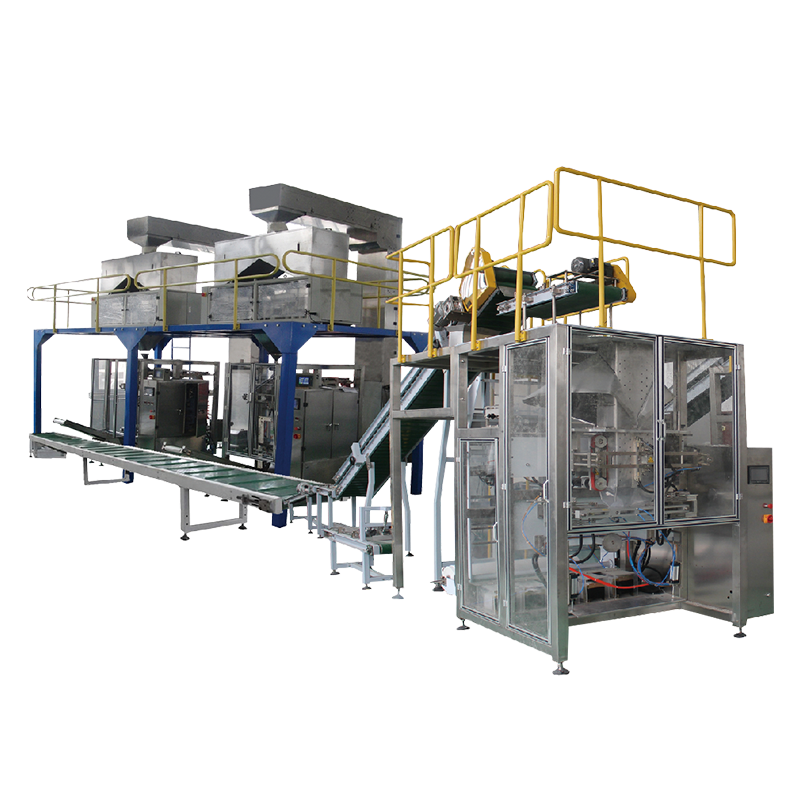
For coarse or rock salt grades where crystal size is too large and irregular for auger or volumetric cup filling to achieve acceptable weight accuracy, multi-head combination weighers provide the best solution. These systems use 10 to 16 individual weighing hoppers arranged in a radial pattern, each independently weighing a small quantity of product. The central computer selects the combination of hoppers whose combined weight most closely matches the target fill weight, and opens those hoppers simultaneously to discharge into the bag below. Multi-head weighers on salt achieve fill weight accuracies of ±0.5% or better across a wide range of target weights, and combine with VFFS bag-forming systems to create complete high-speed coarse salt packaging lines capable of outputs exceeding 80 bags per minute for packs in the 500g to 2kg range.
Auger Filling Machines for Fine and Table Salt
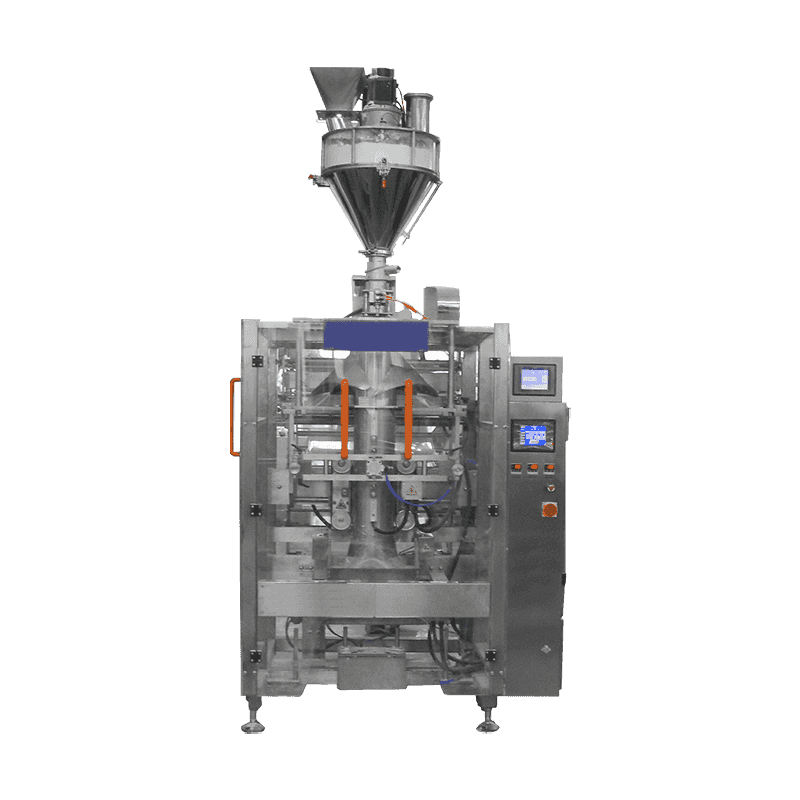
Auger filling machines are the standard choice for fine table salt and iodized salt packaging where consistent, accurate volumetric filling at high speed is required. The machine uses a rotating stainless steel auger screw inside a feed tube to deliver a precise volume of salt per revolution — by controlling the number of rotations per fill cycle, the fill weight is controlled. Modern servo-driven auger fillers with closed-loop weight feedback achieve fill accuracies of ±1% at speeds above 60 fills per minute. For table salt, which is highly hygroscopic and prone to bridging and clumping in hoppers and feed tubes, auger filling machines must include agitator systems in the hopper, vibration assistance at the fill tube exit, and anti-bridging break bars that keep the salt flowing freely without manual intervention.
Pre-Made Pouch and Sachet Filling Machines
For premium retail salt products — specialty sea salts, flavored salts, or single-serve sachets — pre-made pouch filling machines pick individual pre-formed bags from a magazine, open them, fill with a metered dose of salt, and reseal the top. These machines run at lower speeds than VFFS systems — typically 20 to 60 pouches per minute — but handle a wider variety of premium packaging formats including stand-up zip-lock pouches, kraft paper bags with windows, and shaped pouches that add visual shelf appeal. Sachet packing machines for single-serve table salt portions — the 1g to 5g sachets used in food service and hospitality — are a specialized sub-category that operates at very high speeds, often 300 to 600 sachets per minute, using continuous multi-lane stick-pack or four-side-seal sachet forming technology.
Key Technical Specifications to Compare When Evaluating Salt Packing Equipment
When comparing high-speed salt packaging machines from different manufacturers, the headline speed figure is only one of many specifications that determine whether a machine is fit for your application. The following parameters are the most important to evaluate in detail:
| Specification |
What to Look For |
Why It Matters for Salt |
| Output Speed (bags/min) |
Rated speed at actual product density — always ask for salt-specific speed data |
Salt's high bulk density slows filling cycles compared to lighter powders; rated speed on flour does not translate directly |
| Fill Weight Accuracy |
±0.5% to ±1% of target weight at rated speed |
Regulatory minimum fill weight requirements mean consistent accuracy reduces product giveaway and compliance risk |
| Material of Construction |
316L stainless steel for all product contact parts; 304 SS minimum for non-contact structural parts |
Salt is highly corrosive; inferior stainless grades, carbon steel, or zinc-plated parts corrode rapidly in salt contact service |
| Seal Integrity System |
Servo-driven sealing jaws with temperature PID control; salt-contaminated seal detection |
Salt on the seal line at closure prevents complete heat seal formation; poor sealing causes leakers and moisture ingress |
| Hopper Capacity and Agitation |
Minimum 100–200L hopper with motorized agitator and anti-bridging system |
Hygroscopic salt clumps and bridges in hoppers, stopping product flow — especially in humid production environments |
| Cleaning and Washdown Specification |
IP65 or IP66 electrical protection rating; tool-free product contact part removal for cleaning |
Salt residue must be fully removed at product changeover; water ingress into electrical components causes rapid corrosion failure |
| Control System |
PLC-based with touchscreen HMI; recipe storage for multiple pack sizes; remote diagnostics capability |
Multi-SKU salt production lines need fast, reliable format changeover without manual parameter re-entry |
| Film Compatibility |
OPP, PE, laminated films, and moisture-barrier laminates up to specified thickness |
Salt requires moisture-barrier packaging films; machine sealing system must handle the higher sealing temperatures these laminates require |
Corrosion Resistance: The Most Critical Engineering Requirement for Salt Packaging Machinery
Of all the design requirements for a high-speed salt packaging machine, corrosion resistance is the one most directly connected to long-term reliability and total cost of ownership. Salt is one of the most aggressively corrosive substances encountered in any food processing environment — it attacks carbon steel almost immediately, degrades 304-grade stainless steel significantly faster than more resistant alloys, and destroys unprotected zinc, aluminum, and copper components in a matter of weeks in high-humidity salt contact service.
Stainless Steel Grade Selection for Salt Contact Parts
The minimum acceptable stainless steel specification for all product contact surfaces in a salt packaging machine is 316L — the "L" designation indicating a low-carbon variant that is more resistant to sensitization and intergranular corrosion than standard 316. The molybdenum content in 316L (2–3%) provides significantly better resistance to chloride-induced pitting and crevice corrosion than 304-grade stainless, which contains no molybdenum and is often used in food equipment specifications that are not salt-specific. When evaluating machine offers, request material certification documents (mill certificates) for product contact components — a sales claim of "stainless steel construction" without specification of the alloy grade is insufficient for salt service procurement.
Surface Finish and Crevice Design
Even 316L stainless steel is vulnerable to crevice corrosion where salt can accumulate in tight joints, threads, overlapping surfaces, and weld toes that are not fully cleaned between production runs. High-quality salt packaging machines are designed with hygienic, crevice-free construction principles — fully welded joints polished to a minimum Ra 0.8 micron surface finish, sloped surfaces that drain rather than pool, and the elimination of blind threads and horizontal ledges where salt residue can accumulate. Gasket and seal materials must be selected for chemical compatibility with salt and with any sanitizing agents used during cleaning — silicone and EPDM are generally suitable; natural rubber and standard neoprene are not.
Protection for Electrical and Pneumatic Components
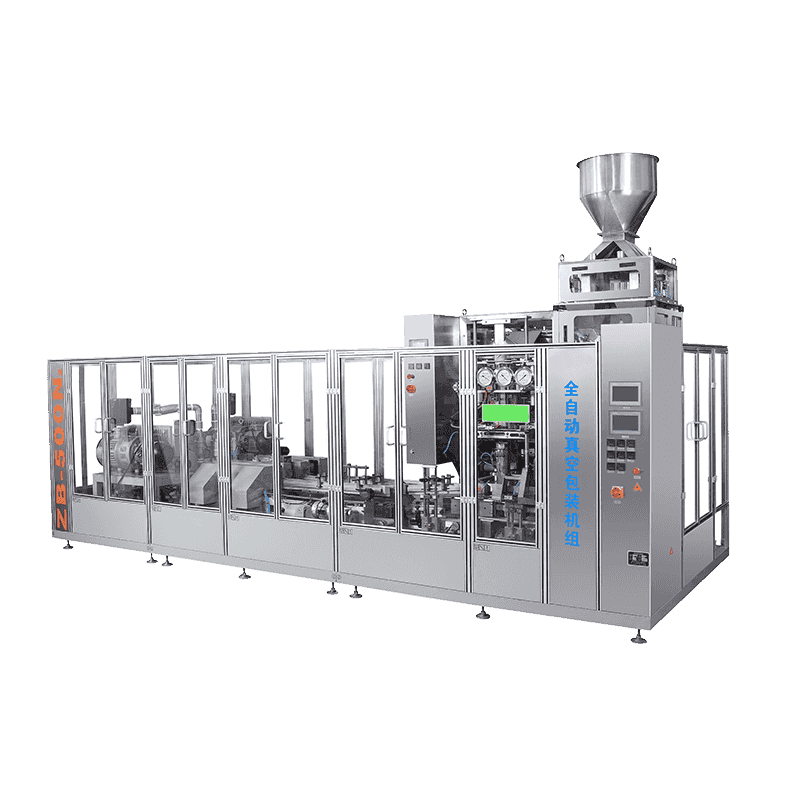
Electrical enclosures, pneumatic cylinders, and sensor housings in the salt-exposure zone of a packaging machine must carry appropriate ingress protection ratings. IP65 is the minimum for general salt environment service — this rating confirms protection against dust ingress and water jets from any direction. For machines that undergo full wet washdown cleaning, IP66 (protection against powerful water jets) is preferable. Pneumatic cylinders in product contact or proximity zones should use stainless steel barrel and rod materials rather than standard chrome-plated or anodized components, which are vulnerable to pitting from salt-contaminated condensation in the cylinder bore.
Filling Accuracy and Weight Control in High-Speed Salt Packing Lines
Achieving consistent fill weight accuracy at high throughput speeds is one of the core technical challenges in salt packaging. The consequences of poor weight control run in both directions — underfilling creates legal compliance exposure under net content regulations enforced in every major market, while overfilling directly erodes margin through product giveaway that compounds significantly at high production volumes. A machine running 80 bags per minute with a 2g average overfill on 500g packs gives away 192 grams of product per minute — nearly 700kg per shift — at a significant cost that a properly calibrated and maintained weight control system eliminates.
Modern high-speed salt packaging machines address weight control through a combination of precise filling mechanism design and real-time feedback from in-line checkweighers. The checkweigher measures every individual package as it leaves the filling station, feeds the weight data back to the filling system controller, and automatically adjusts the fill volume — auger rotation count, vibration duration, or hopper discharge timing — to maintain the target weight within specification. This closed-loop weight control system compensates automatically for changes in product bulk density caused by humidity fluctuations, variation in crystal size between batches, and gradual compaction changes in the hopper over the course of a production run.
Packaging Formats and Film Requirements for Salt Products
The packaging format and film specification for salt products must address two competing requirements: protecting the product from moisture absorption during its shelf life, and meeting the visual and functional expectations of the target market. High-speed salt packaging machines must be capable of handling the specific film types that meet these requirements without seal failure, excessive film breakage, or inconsistent forming.
- Moisture barrier laminates: The standard packaging film for table and fine salt is a multi-layer laminate combining an outer oriented polypropylene (OPP) or polyester (PET) layer for printability and stiffness with an inner polyethylene (PE) sealing layer and a moisture barrier layer — typically metallized OPP or EVOH — between them. These laminates have significantly higher sealing temperatures than simple PE films and require sealing jaws capable of maintaining precise temperature control at the higher range required to achieve complete fusion seals.
- Anti-caking liner requirements: For coarse and specialty salts sold in paper or kraft packaging — common in artisan and premium retail salt categories — inner liner films or barrier coatings must be integrated into the packaging structure to prevent moisture ingress through the paper outer layer. Salt packaging machines handling these formats must accommodate the different sealing characteristics of paper/film laminate structures compared to all-film packaging.
- Pack size range and changeover: Most commercial salt lines run multiple pack sizes — commonly 250g, 500g, 750g, 1kg, and 2kg retail packs plus food service bulk formats. The high-speed salt packaging machine must support rapid changeover between pack sizes with minimal downtime. Servo-driven format adjustment systems that store pack dimensions digitally and adjust all mechanical settings automatically from a recipe selection on the HMI reduce changeover time from 45–60 minutes for manual machines to 10–15 minutes on modern automated systems.
- Sachet and portion pack formats: Single-serve sachet filling for food service salt — the small paper or foil sachets found in restaurants, airlines, and catering — requires specialized multi-lane stick-pack machines or four-side-seal sachet packing equipment designed for very small fill weights (0.5g to 5g) at extremely high speeds. These machines operate differently from retail bag packaging equipment and are generally purpose-built for sachet production rather than being configurable from a standard VFFS platform.
Integration with Upstream and Downstream Equipment on the Salt Packing Line
A high-speed automated salt packaging machine rarely operates as a standalone unit. In a complete salt production line, the packaging machine is the central element in a chain of upstream and downstream equipment that must be matched in capacity, speed, and control architecture for the line to operate efficiently as an integrated system. Key integration points include:
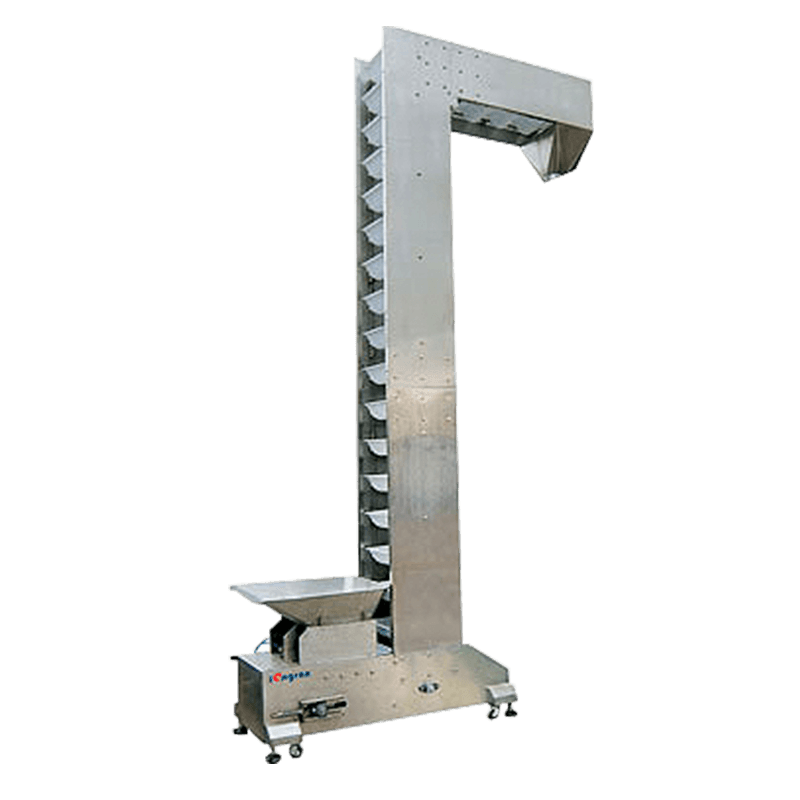
- Bulk storage and conveying: Pneumatic conveying systems or screw conveyors transfer salt from bulk storage silos to the packaging machine's supply hopper. The conveying system capacity must be matched to the maximum filling rate of the machine — an undersized conveyor causes the machine to run intermittently as it waits for product, destroying throughput efficiency. Conveying systems for fine salt must also prevent moisture pickup and product degradation during transit from storage to the hopper.
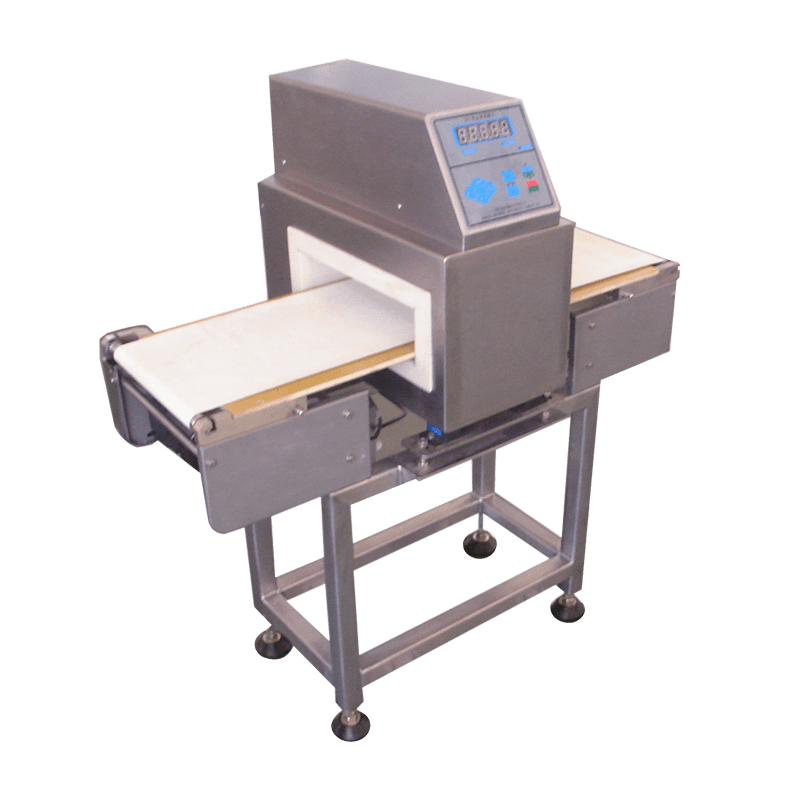
- Metal detection: Inline metal detectors installed immediately before or after the packaging machine are a standard requirement in food-grade salt production. The detector must be calibrated for the specific packaging format and film type being run, as metallized films require phase-angle rejection settings that differ from standard non-metallic packaging. Metal detection sensitivity specifications for packaged salt typically require detection of Fe spheres ≥1.5mm, non-Fe spheres ≥2.0mm, and stainless steel spheres ≥2.5mm at rated line speed.
- Checkweighing and rejection: As described in the weight control section, in-line checkweighers measure every packed unit and reject out-of-weight packs automatically via diverter gates or pusher reject systems. The checkweigher must be positioned and configured to handle the pack format and speed of the specific packaging machine it is paired with — not all checkweigher models are rated for every pack format or speed combination.
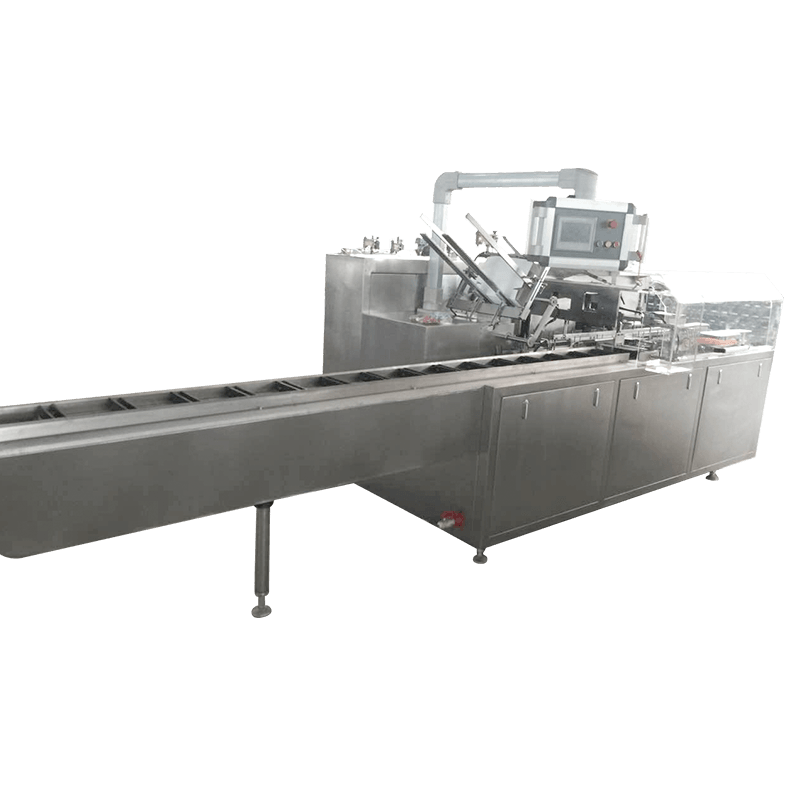
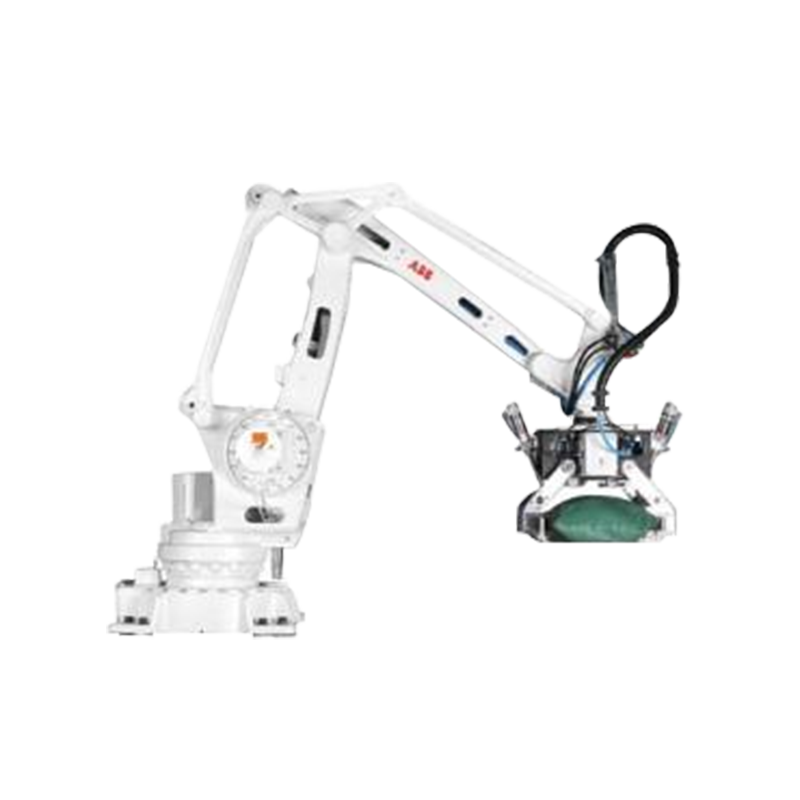
- Case packing and palletizing: Filled and checked salt packs are typically collected and loaded into retail display cases or shipping cartons by automated case packers, then palletized by robotic or conventional palletizers for warehouse storage and dispatch. The speed of the downstream case packing system must be matched to the peak output of the salt packaging machine to prevent pack accumulation and line stoppages.
Maintenance Requirements and Total Cost of Ownership for Salt Packaging Machines
The corrosive and abrasive nature of salt means that maintenance requirements for salt packaging machinery are more demanding than for equivalent machines running non-corrosive dry goods. Building a realistic total cost of ownership model — not just comparing purchase prices — is essential when evaluating alternative equipment options.
Key wear items in a high-speed salt packing machine include sealing jaw inserts and heating elements, which must maintain precise temperature uniformity across their full width and are subject to progressive degradation from salt contamination at the seal line; auger flights and feed tube liners, which are subject to abrasive wear from salt crystals particularly with coarser or less uniform grades; and hopper agitator bearings and drive seals, which operate in direct salt contact and require corrosion-resistant bearing materials and frequent seal inspection to prevent salt ingress into bearing cavities.
A well-specified preventive maintenance program for a high-speed salt packaging machine should include daily cleaning of all product contact surfaces, weekly inspection and lubrication of drive components with food-grade lubricants rated for salt contact service, monthly calibration checks of filling weight and film tension controls, and quarterly inspection of sealing jaw alignment, heating element continuity, and hopper agitator bearing condition. Machines that support condition monitoring through integrated vibration sensors and temperature monitoring of key drive components reduce unplanned downtime by allowing developing problems to be identified and addressed during scheduled maintenance windows rather than in emergency breakdowns during production runs.
What to Ask Suppliers Before Purchasing a High-Speed Salt Packaging Machine
The capital investment in a high-speed salt packaging line is significant, and the decisions made at the specification and procurement stage determine operational performance for the next decade or more. Before committing to any supplier or machine configuration, the following questions should be asked and answered with documented evidence rather than verbal assurances:
- Can you provide reference sites running this exact machine on salt at rated speed? A supplier who cannot identify existing customers running the same machine on the same product at the claimed output speed has not proven the performance claim. Request contact details for reference sites and, where possible, arrange a site visit to observe the machine running under production conditions.
- What is the material specification for all product contact parts, and can you provide mill certificates? Confirm 316L stainless steel for contact parts with documentation — do not accept a general "food-grade stainless steel" claim without alloy grade specification.
- What is the factory acceptance test (FAT) protocol, and will it be conducted on our actual product and packaging materials? Insist on a full-speed FAT running your specific salt grade and packaging film, with fill weight accuracy data, seal integrity testing, and speed verification recorded and provided with the machine handover documentation.
- What spare parts inventory do you recommend for the first year of operation, and are critical wear parts available ex-stock? Salt's corrosive nature means wear parts require more frequent replacement than on standard packaging lines. A supplier who cannot commit to rapid spare parts availability for key wear items poses a significant operational risk.
- What training is included in the supply scope, and is remote technical support available? Confirm that operator and maintenance training is included in the contract, that training materials are available in the language of your maintenance team, and that the supplier offers remote diagnostic support — ideally with secure remote access to the machine's PLC — to assist with troubleshooting without requiring an engineer on-site for every technical issue.
- What is the guaranteed line efficiency at rated speed, and how is it defined in the contract? Ask for Overall Equipment Effectiveness (OEE) guarantees expressed as a percentage at rated speed over a defined production period — typically 85% OEE at rated speed is a reasonable benchmark for a well-specified high-speed salt packaging machine under normal production conditions.


 English
 Español
 عربى
عربى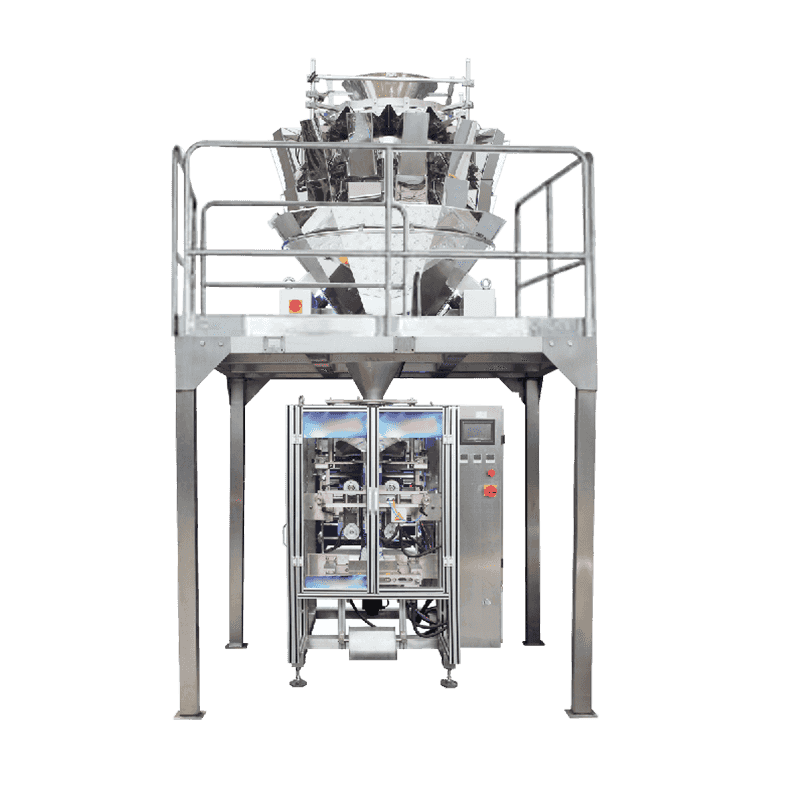



Contact Us