Liquid products are among the hardest things to put into a package. Water-thin juice splashes, thick sauce clings to every surface, and foamy detergent traps air that throws a dose off target. A liquid packaging machine exists to solve that at production speed: measuring a consistent dose, holding the container steady, closing it cleanly, and repeating the cycle for thousands of packs per shift without drifting.
If you are specifying this equipment for the first time, it helps to break the machine into three cooperating systems. A dosing unit decides how much product goes in. A container-handling system keeps the pack aligned and moving. A sealing or closing system protects the product afterwards. Panels, sensors, guarding, and washdown design exist to keep those three systems dependable.
What a Liquid Packaging Machine Actually Does
A liquid packaging machine is a family rather than a single design. Members of that family share one job: turning a flowing product into a sealed, coded, inspectable pack. What changes between models is the dosing method, the container format, and how much of the cycle runs without an operator.
The sequence is almost always the same. Product arrives from a tank, a mixer, or an upstream process stage. A dosing unit measures a portion. A container is presented, whether it is formed from roll film, lifted from a magazine, or indexed along a conveyor. The dose drops in, the pack is sealed, and it moves on to coding and secondary packing.
Everything else is refinement. A machine filling 40 pouches a minute has different mechanical priorities than one filling 400 cups a minute, and hot jam makes different demands on a seal than chilled milk. When production teams tell us a filler "does not work", the cause is usually a mismatch in those details rather than a broken machine.
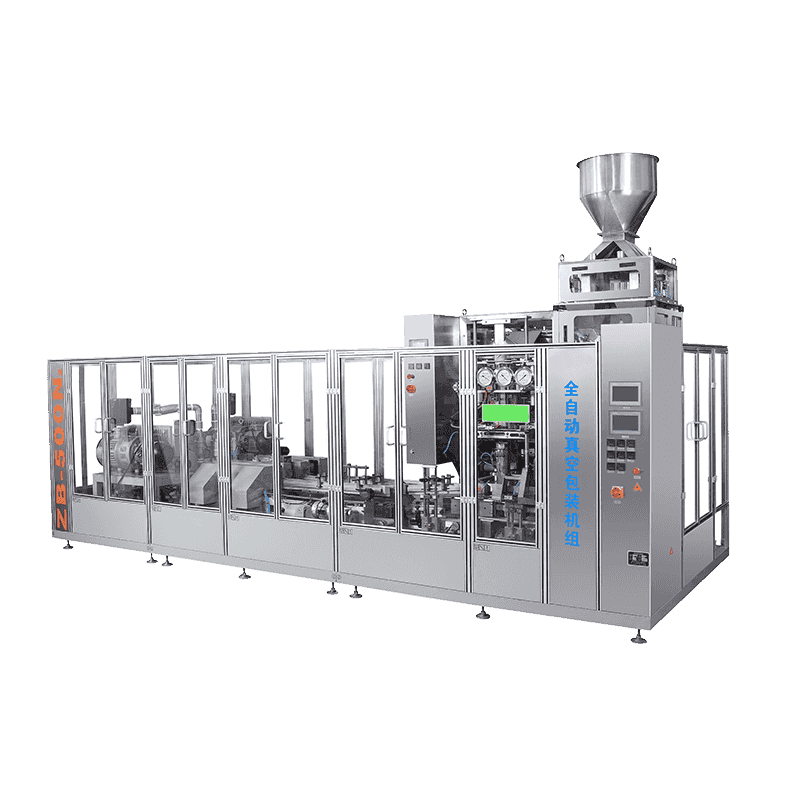
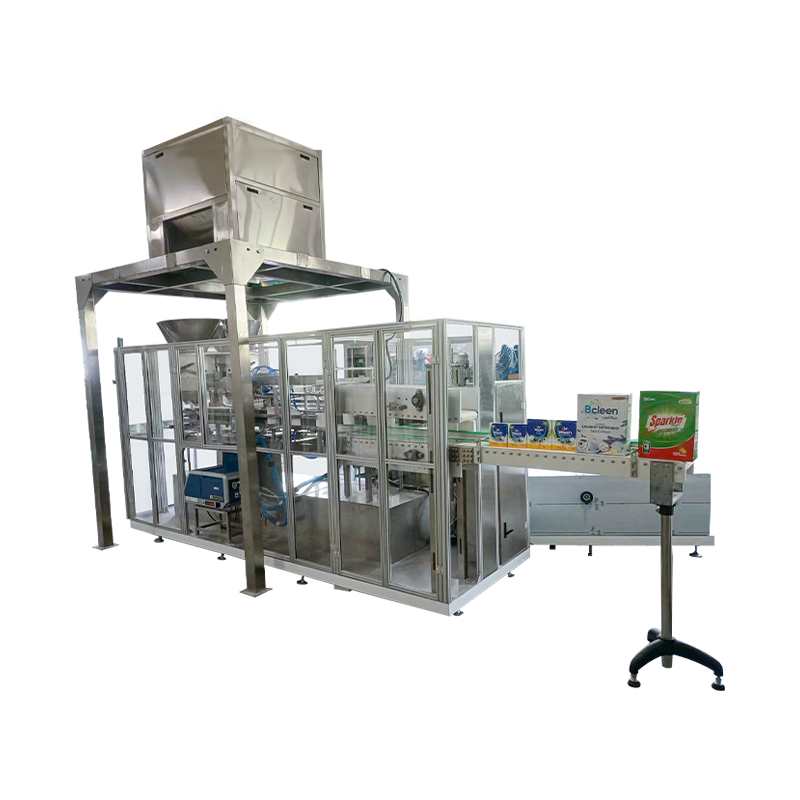
For food producers working with pouches, vertical form-fill-seal is often the most practical starting point: film feeds from a roll, the bag is formed around a tube, filled, and sealed in one continuous motion. Equipment in this class, such as the automatic vertical liquid packing machine we build for food plants, is designed to hold fill accuracy across long shifts while keeping changeover between pack sizes quick.
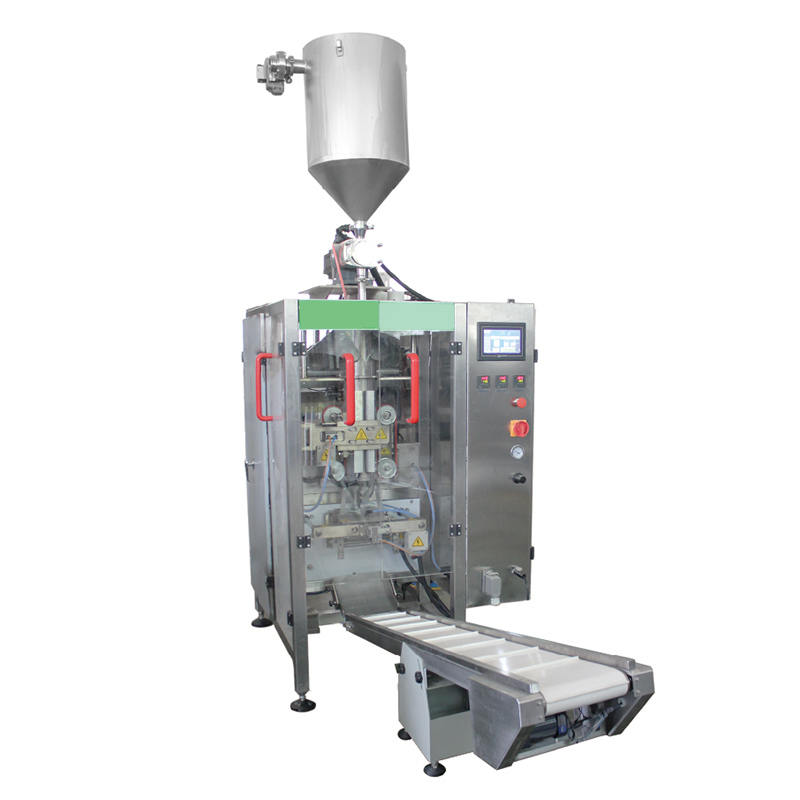 MP-7300GY Automatic Vertical Liquid Packing Machine for High-Viscosity FoodsFor pouch-based food production, this automatic vertical liquid packer offers servo rotor metering, high-viscosity handling, 100-spec storage, and precise filling.View Product →
The Filling Principle Decides Almost Everything
Two machines can look nearly identical on the outside and behave completely differently on the inside, because the dosing principle is different. It is the first thing worth pinning down when you compare quotations.
Filling principles compared: the dosing method usually determines which liquids a machine handles well and where its limits show up.
| Filling principle |
Typical products |
Dose control |
Main limitation |
| Volumetric cup or piston |
Sauces, creams, pastes, dairy |
Fixed volume per stroke |
Density changes shift the dose |
| Gravity or timed flow |
Water, juice, thin oils |
Moderate |
Foaming and viscosity drift |
| Net weight (load cell) |
Almost any pumpable liquid |
High, self-correcting |
Slower cycles on small doses |
| Pump metering |
Detergents, syrups, chemicals |
Good when calibrated |
Wear over time requires checks |
| Vacuum or overflow |
Bottles of free-flowing liquid |
Consistent fill level |
Not suited to viscous products |
Net-weight filling is the most forgiving option when product density varies or when regulations demand tight declared-quantity compliance, because the load cell checks every pack and corrects the next one. Volumetric systems are faster and simpler, but they assume the product stays consistent. Gravity and vacuum fillers suit thin liquids in rigid containers, while pump metering gives flexibility for chemicals and syrups that would otherwise need a piston change with every recipe.
Machine Formats You Will Meet on the Floor
Vertical form-fill-seal machines
These build the pouch from roll film, fill it, and seal it in one pass. They suit sachets, stick packs, and stand-up pouches, and they are the usual choice for single-serve liquids, sauces, and dairy portions.
Inline filling and sealing machines
Cups, bottles, jars, and trays move along a conveyor and stop at filling, sealing, and capping stations in sequence. Inline layouts are simple to expand and easy to combine with coding, labeling, and inspection equipment.
Rotary fillers
A rotating carousel carries containers past filling, sealing, and capping heads. Rotary machines reach higher speeds than inline systems and hold timing well, but they reward stable products and consistent container quality.
Semi-automatic and small-batch machines
Not every plant needs an automatic line. A semi-automatic filler with manual container loading keeps capital cost and changeover time low, which often makes more sense for short runs, trial batches, and contract packing.
Matching the Machine to the Product
Before comparing specifications, describe the product honestly, including how it behaves on a bad day.
- Viscosity and flow: a product that pours like water and one that pours like honey need different dosing systems and different piping.
- Particulates: fruit pieces, herbs, and granules can block nozzles and valves sized for clean liquids.
- Foaming and aeration: detergents, milk, and some juices trap air, which distorts volumetric doses and creates headspace problems.
- Temperature: hot filling affects seals, film choice, and how quickly the machine can be cleaned between runs.
- Hygiene requirements: stainless steel contact parts, washdown-rated electrics, and open frame design matter in dairy, pharmaceutical, and cosmetic work.
- Container and material: film thickness, pouch shape, cup diameter, and bottle neck design all constrain what a filler can handle.
The Equipment Around the Filler
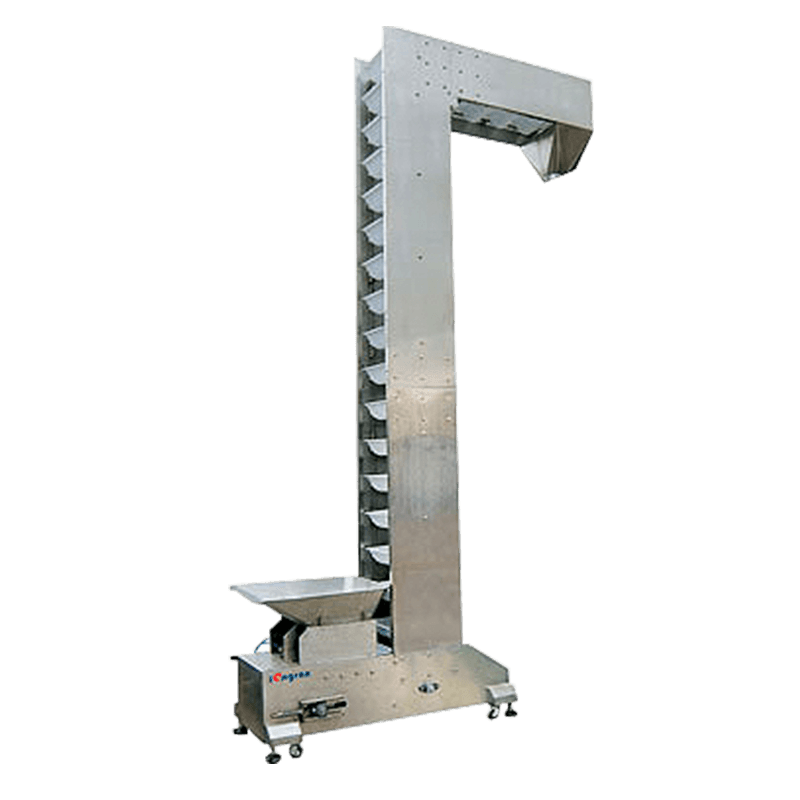
A filler rarely works alone. Product usually arrives from a mixing or holding stage, and finished packs move into inspection, coding, and secondary packing. Planning those neighbours early prevents the common situation where a fast filler simply moves the bottleneck ten metres downstream.
On the inspection side, an automatic weight check and rejection system confirms that each pack meets its declared quantity and removes any that do not, which protects both compliance and customer trust. Further along, a high precision automatic labeling machine applies product and batch information at speed.
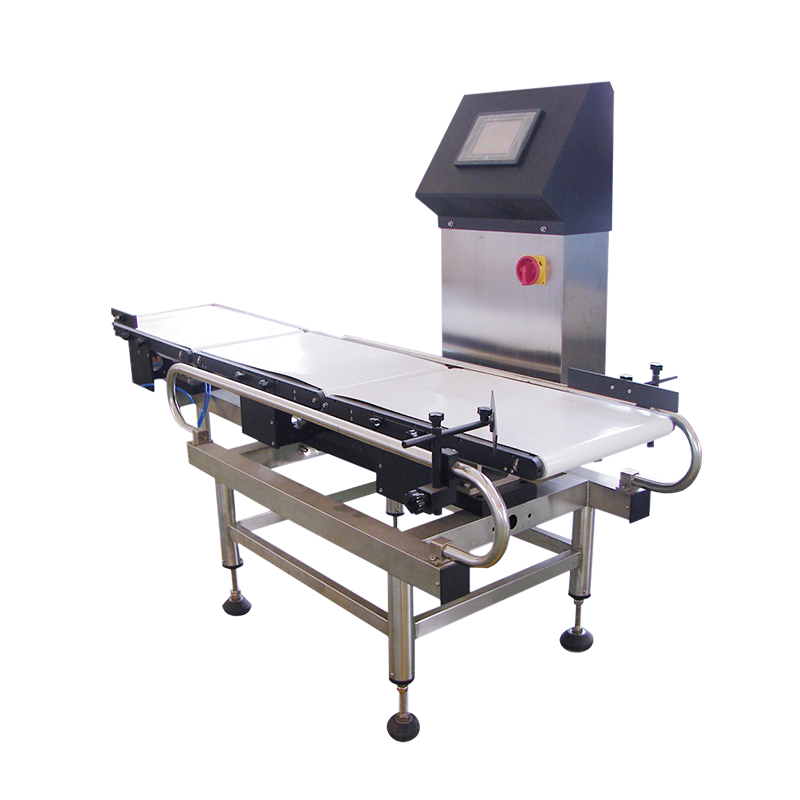 MP-CJB Series IP66 Automatic Weight Check and Rejection SystemDynamic online weighing and rejection system for pack inspection, with IP66 washdown components and storage for more than 10 weight specifications.View Product →
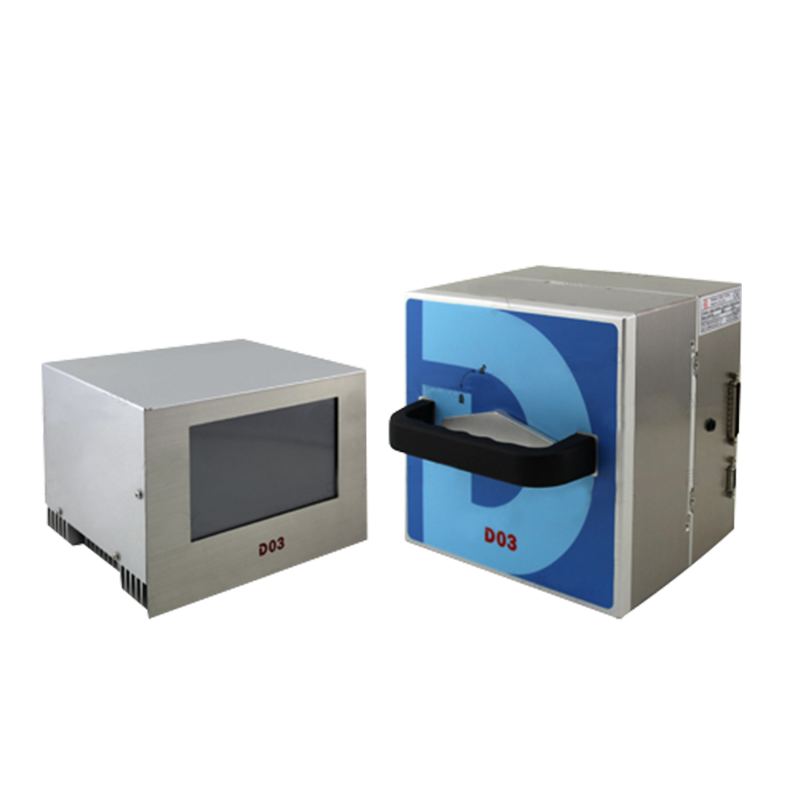
 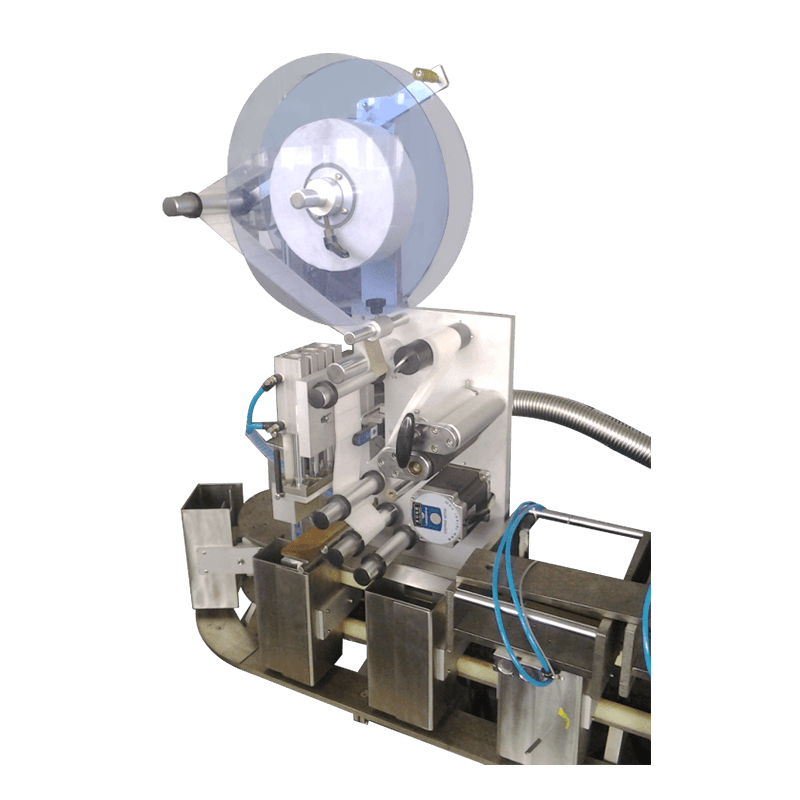 MP-L150 High Precision Automatic Labeling MachineCompact automatic labeler for high-demand production, applying product and batch labels at 40–150 pieces per minute with ±1 mm accuracy.View Product →
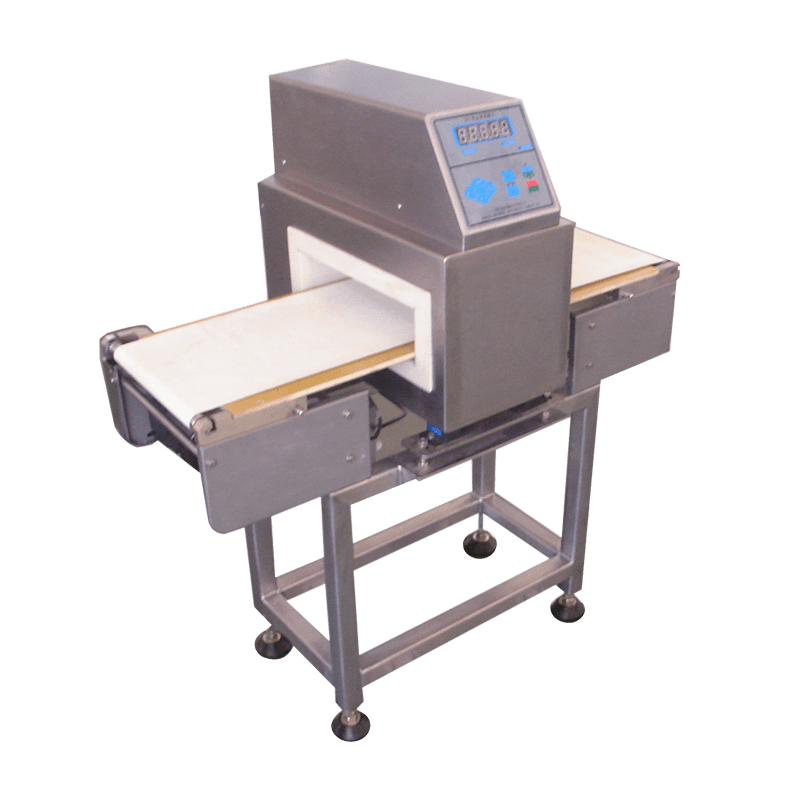
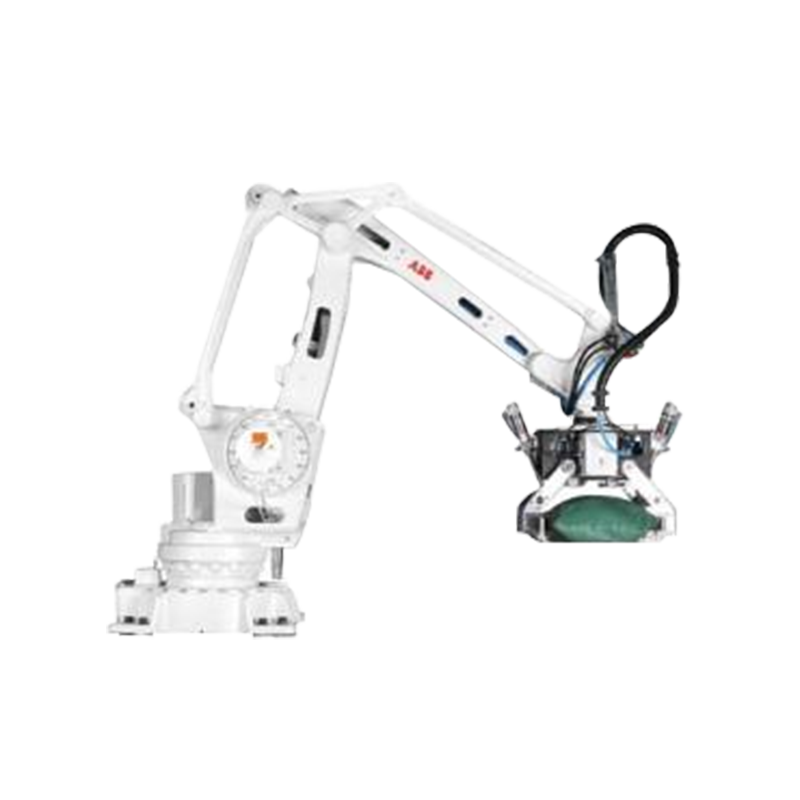
Beyond those stations, cartoning machines, case packers, and palletizing robots take over, and metal detection is worth adding wherever ingredients arrive from multiple suppliers. Building the line in this order, filler first and finishing equipment second, keeps the investment aligned with real output rather than catalogue specifications.
A Practical Selection Checklist
Bring these questions to any supplier conversation and you will get useful answers instead of general brochures.
- What dose range and accuracy does the machine hold with our actual product, not with water?
- Which container sizes will we run this year, and which ones might we add in two years?
- How long does a format changeover take, and what tools or spare parts does it require?
- What is the realistic output per minute at our dose size, including stops and rejects?
- How is the machine cleaned, and how long does cleaning take between products?
- Which parts wear, how often are they replaced, and are they available locally?
- Can the machine be integrated with our existing coding, inspection, and packing equipment?
Keeping a Liquid Line Running
Most liquid packaging machine problems start small: a seal that is slightly weak, a nozzle that has begun to drip, a reading that has drifted by a gram. Daily checks catch those before they become rejected batches. Wipe sealing jaws, inspect nozzles and valves, confirm fill weights against a reference sample, and log the results, because trends tell you more than any single reading. A fuller routine is set out in our notes on daily maintenance of liquid packaging machines.
Cleaning discipline matters just as much with liquids as with powders. Residue in pipes and dosing chambers affects the next batch, and in food or pharmaceutical work it affects compliance too. Design choices made at purchase, such as quick-release fittings and open frame construction, determine how painful that routine becomes over the life of the machine.
A liquid packaging machine is ultimately a compromise between speed, accuracy, product behaviour, and hygiene, and the right compromise depends entirely on what you are filling. Start from the product and the pack, be specific about changeover and cleaning needs, and the equipment choice becomes far less mysterious. If you would like to compare formats or talk through a line layout, our team is happy to work from your actual product samples rather than a catalogue description, and you can browse the wider range from the packaging machinery home page.


 English
 Español
 عربى
عربى




Contact Us