Liquid sealing is one of those steps that looks simple until a thin seal fails on the line. A liquid sealing machine covers a broad family of equipment: it may fill and seal sachets from roll film, apply and seal lids to cups, tighten caps on bottles, or close pre-made pouches after filling. The right machine depends less on the label on the brochure and more on the liquid, the package, the output target and the hygiene routine around the line.
At Mach Packing, we have spent years building packaging equipment for food, pharmaceutical and chemical producers. This guide shares the practical points we usually discuss with a customer before recommending a liquid sealing solution.
What a Liquid Sealing Machine Actually Does
A sealing machine does two jobs at once: it creates a closed package and preserves the product inside. For liquids, that means controlling fill volume, preventing product from reaching the seal area, and applying heat, pressure and time in a repeatable way. In vertical form-fill-seal machines, the film is formed into a tube, filled, then sealed and cut. In cup and tray lines, a coated lidding film is pressed onto the rim. In bottle lines, sealing may mean a foil induction seal under the cap or a controlled cap torque.
These are different mechanical solutions, but they share a common goal: a seal that holds through transport, storage and normal handling. A seal that looks neat on the outside can still leak if the sealing window is wrong, the film is mismatched, or the fill leaves residue in the seal zone.
Typical liquid sealing formats and what each one demands from the machine.
| Package format |
Typical sealing approach |
Good fit |
What to check |
| Bottles and jars |
Cap tightening, induction sealing or heat sealing of foil lids |
Sauces, beverages, oils and dairy |
Neck finish, cap torque, induction power and leakage under tilt |
| Cups and trays |
Heat-seal lidding with coated film |
Yogurt, ready meals and desserts |
Seal head flatness, film coating, fill residue and tray material |
| Sachets and pouches from roll film |
Vertical form-fill-seal with heated jaws |
Water, juice, sauces and liquid condiments |
Film structure, jaw temperature, fill cut-off and pouch stiffness |
| Pre-made pouches |
Fill and seal on a pouch machine |
Stand-up pouches and spouted pouches |
Zipper or spout placement, sealing window and headspace |
Common Machine Types and Where They Fit
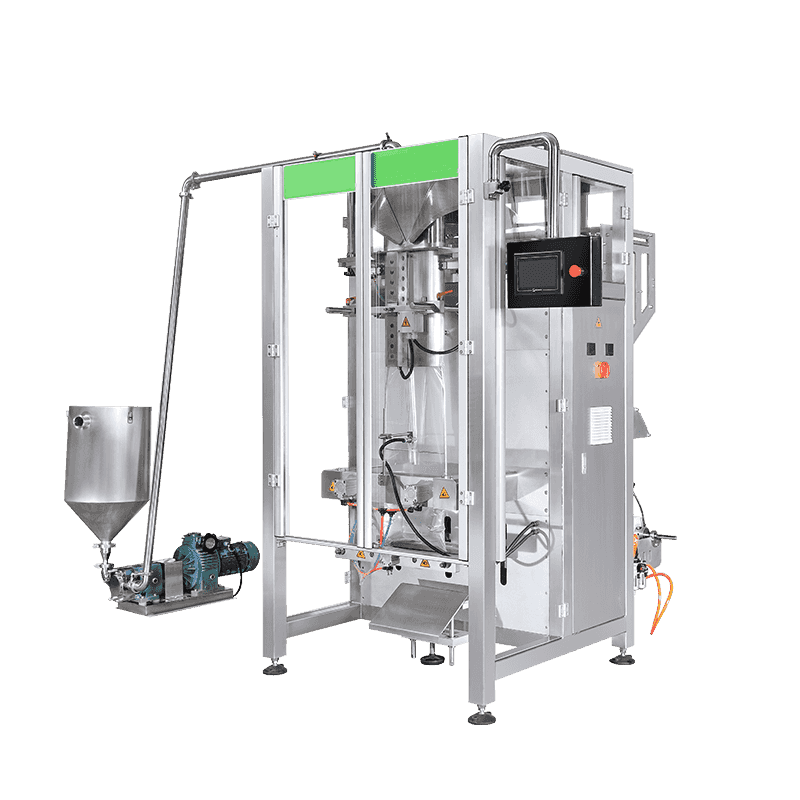
For sachets, stick packs and small pouches, a vertical liquid packaging machine is often the most direct fit. It runs roll film, forms the pouch, fills the liquid and seals in one continuous cycle. This format suits water, juice, sauces, dressings, liquid condiments and small-dose products. Speed, film width and fill range should be matched early, because a machine that is oversized for the SKU mix can waste film and changeover time.
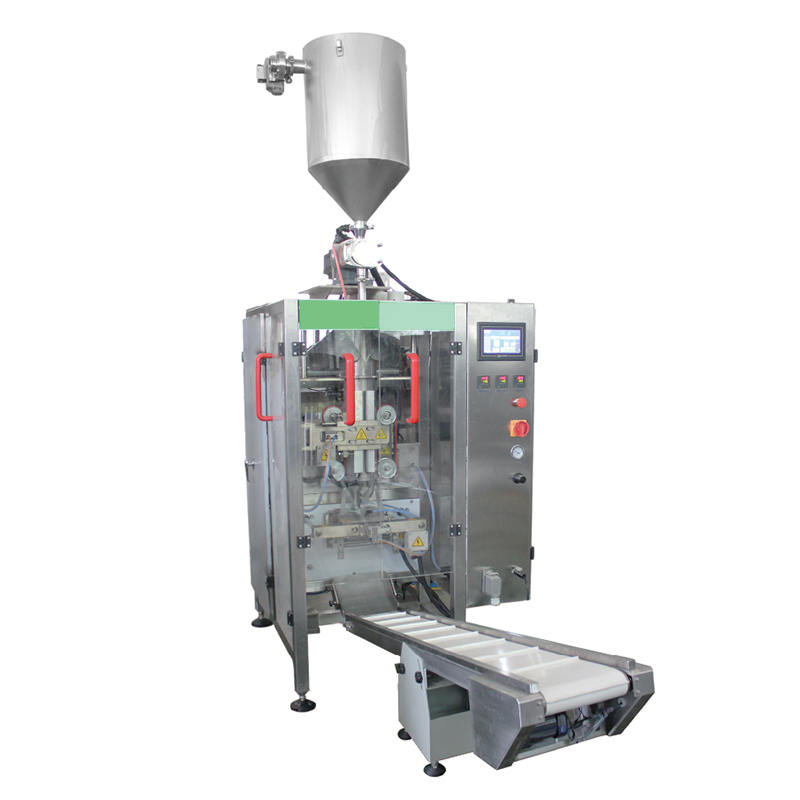 MP-7300GY Automatic Vertical Liquid Packing MachineA vertical roll-film machine for high-viscosity liquids, with servo rotor metering, automatic bag-making, and storage for up to 100 product specifications.View Product →
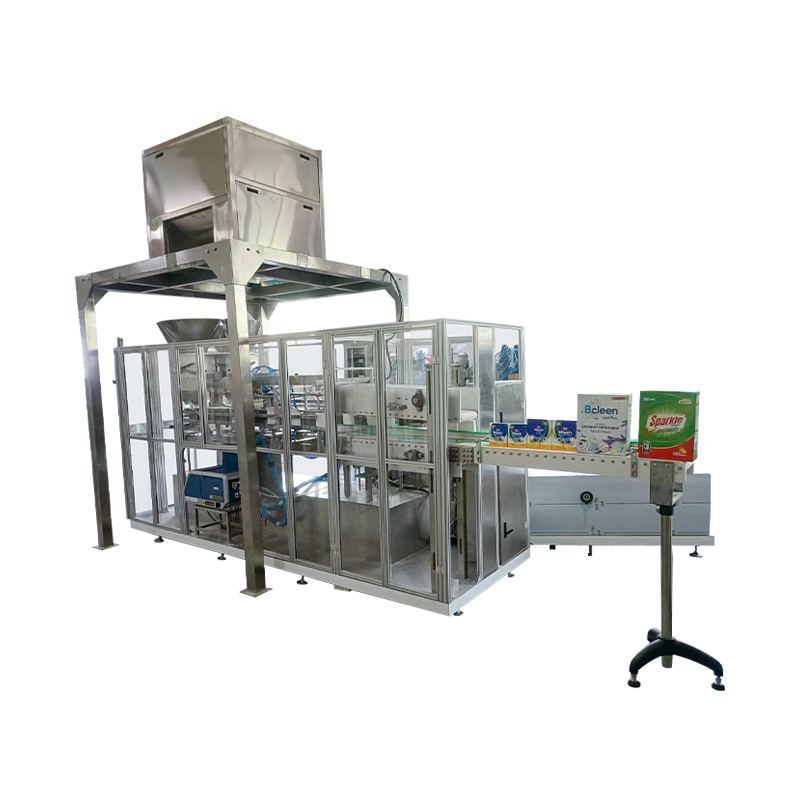
For pre-made pouches, the machine needs a pouch feeding system, opening station, fill station and sealing station. Spouts and zippers add complexity, so the sealing area must be kept clean and the sealing bars must be accessible. For bottles, sealing is often a separate operation from filling: induction sealing, cap tightening or heat sealing of foil lids. For cups and trays, the key hardware is the seal head and the die set that matches the tray flange. A machine that handles one format well may not handle another without a tooling change, so it is worth being honest about the SKU range before the purchase.
Choosing the Right Liquid Sealing Machine
Start with the product, not the machine. Viscosity, temperature, sugar content, pulp, particles and foaming behaviour all affect filling and sealing. A thin, foaming liquid may need a different fill nozzle and a slower fill profile than a thick sauce. A product with small particles may need a wider filling path and a seal area that is easier to flush clean.
Then confirm the package: material, thickness, coating, spout or zipper, fill volume and headspace. The sealing window is usually a narrow band of temperature, pressure and dwell time, and the film supplier's data sheet is a useful starting point rather than a guarantee. Output should be calculated in good packs per minute, not just maximum cycles, because changeover, cleaning and rejects all take time.
Hygiene and maintenance access matter more than many buyers expect. Food and pharmaceutical lines need smooth, cleanable surfaces, guarded sealing areas and easy access to jaws, seal heads and product-contact parts. If the machine will run several SKUs, ask for changeover times and tooling costs in writing. If the line will grow, check whether the machine can be integrated with a checkweigher, metal detector, labeler or cartoner later.
For a closer look at format-specific trade-offs, this guide to liquid sealing machines for bottles, pouches and cups is a helpful reference. You can also browse our liquid packaging machine range to compare the main configurations.
Sealing Quality and Common Problems
Most sealing faults come from a small number of causes: temperature drift, worn jaws, uneven pressure, contaminated seal areas, film tension changes or a film that was never a good match for the machine. A seal that peels easily may be too cool, while a seal that is brittle or burned may be too hot. A seal that leaks only at the ends often points to jaw alignment or film tracking, not just temperature.
Operators should be able to check seal appearance, seal strength and leak integrity without guesswork. A simple start-up check, mid-shift check and end-of-run check catches many problems before they become a full batch of rejects. Keep a reference sample for each SKU and record the main settings. When a new film lot arrives, run a small trial instead of assuming the old settings will hold.
Maintenance and Daily Checks
Liquid sealing machines live in wet, sticky and sometimes dusty environments, so maintenance is mostly about consistency. Wipe down seal bars and jaws, remove product residue, check the condition of sealing surfaces, inspect film paths and confirm that guards and sensors are working. Lubrication points should follow the manufacturer's schedule, and worn parts should be replaced before they affect seal quality.
- Check jaw and seal-head condition before the first shift.
- Clean product-contact areas and remove film scraps at changeover.
- Inspect temperature readings and confirm they match the recorded settings.
- Check film tracking, tension and roll alignment.
- Record any seal failures, rejects or unusual machine noise.
Quality Checks and Line Integration
A sealing machine does not work alone for long. Most liquid lines add weight control, foreign-body detection and coding or labeling downstream. A checkweigher confirms that fill volume stays within tolerance and can reject under- or over-weight packs. A metal detector protects the brand when raw materials or wear parts introduce metal fragments. A labeler or coding system closes the traceability loop with batch, date and origin information.
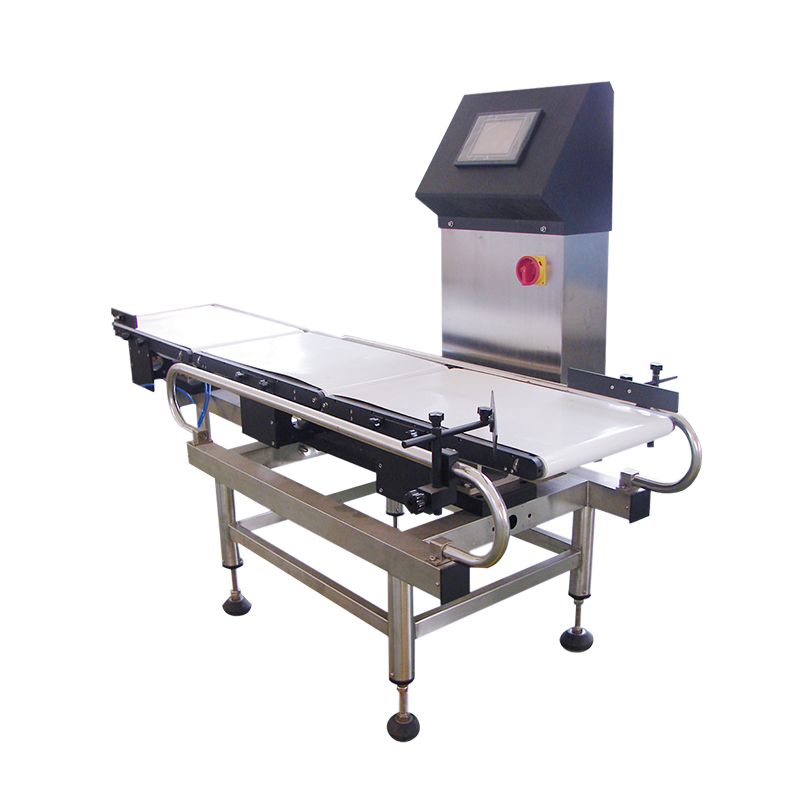 MP-CJB Series IP66 Automatic Checkweigher and Rejection SystemAn online dynamic checkweigher with automatic rejection, real-time self-correction, and IP66 water resistance; stores parameters for more than 10 weight specifications.View Product →
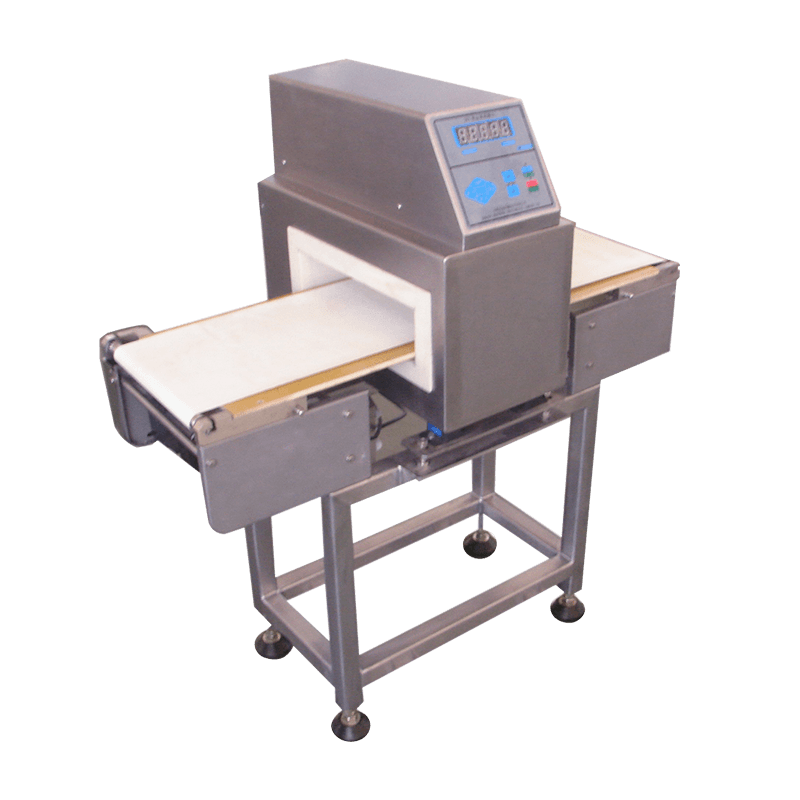 MP-JST Series Automatic Metal Detector and Reject SystemsInterference-resistant metal detection and rejection for bulk, bagged, bottled, and boxed products, using PC-based digital signal processing and memorized settings for more than 20 products.View Product →
Integration should be planned before the equipment arrives. Reject bins, conveyor heights, signal handshakes and line control logic all need to be agreed. A machine that meets its speed target in isolation can still slow the line if packs arrive at the checkweigher in bursts or if the reject gate is poorly placed.
A Practical Buyer's Checklist
- Product sample, typical viscosity and operating temperature.
- Package format, film or container specification and fill volume.
- Required output in saleable packs per minute, not just machine cycles.
- Seal type, seal strength target and leak-test method.
- Cleaning routine, washdown level and maintenance access.
- Utilities, floor space, compressed air and operator interface needs.
- Spare parts, training and response time for technical support.
Final Thoughts
Choosing a liquid sealing machine is really a process of matching product, package, output and hygiene. The best machine is not the fastest one on the specification sheet; it is the one that holds a reliable seal shift after shift, with a changeover and cleaning routine your team can actually follow. If you are at the early stage, send us a product sample, package drawing and output target. We will help you narrow the options and point out where a different format may serve you better.


 English
 Español
 عربى


Contact Us