What a Liquid Sealing Machine Actually Does
A liquid sealing machine is industrial or semi-industrial equipment designed to fill a measured volume of liquid product into a container — whether that's a pouch, bottle, sachet, cup, or tube — and then seal that container securely to prevent leakage, contamination, and spoilage. The filling and sealing functions are often integrated into a single machine, though in some production lines they operate as separate pieces of equipment linked on a conveyor system. Either way, the core purpose is the same: precise, repeatable, hygienic dispensing and sealing of liquid products at speeds that manual filling simply cannot match.
These machines serve an enormous range of industries — food and beverage, pharmaceuticals, cosmetics, agrochemicals, lubricants, cleaning products, and more. The specific design of a liquid packaging machine varies considerably depending on the viscosity of the liquid being handled, the container format, the required output speed, and the hygiene or regulatory standards that apply to the product. Water, juice, and thin sauces behave very differently in a filling system compared to thick creams, honey, or motor oil, and the machine must be matched to the product's physical characteristics or filling accuracy and seal quality will both suffer.
The Main Types of Liquid Sealing Machines
Liquid sealing equipment comes in several distinct configurations, each suited to specific container formats, production volumes, and product types. Understanding the differences between them is the essential first step in selecting the right machine for a given application.
Liquid Pouch Sealing Machines
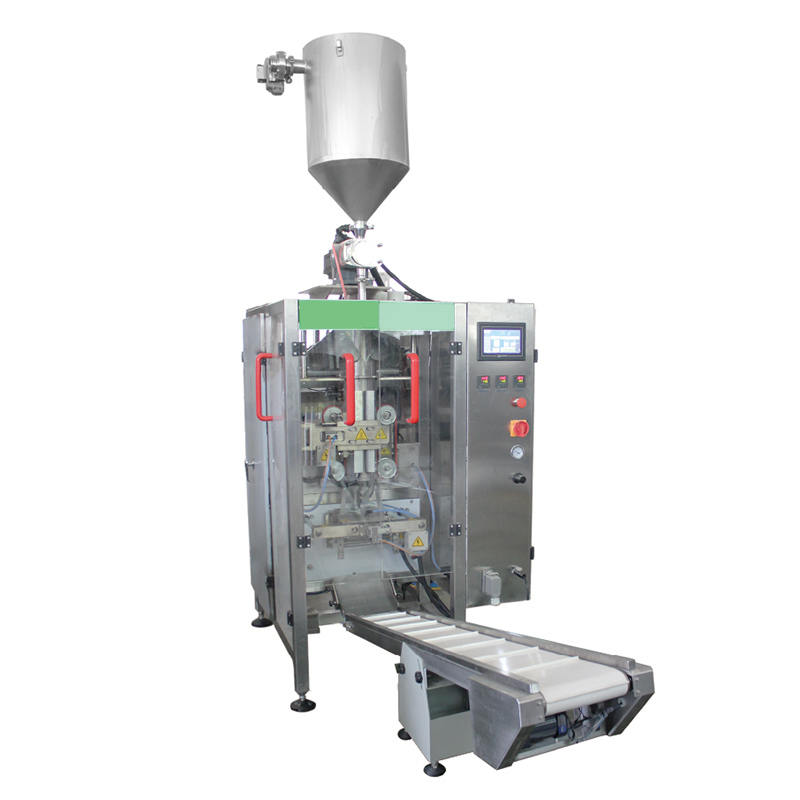
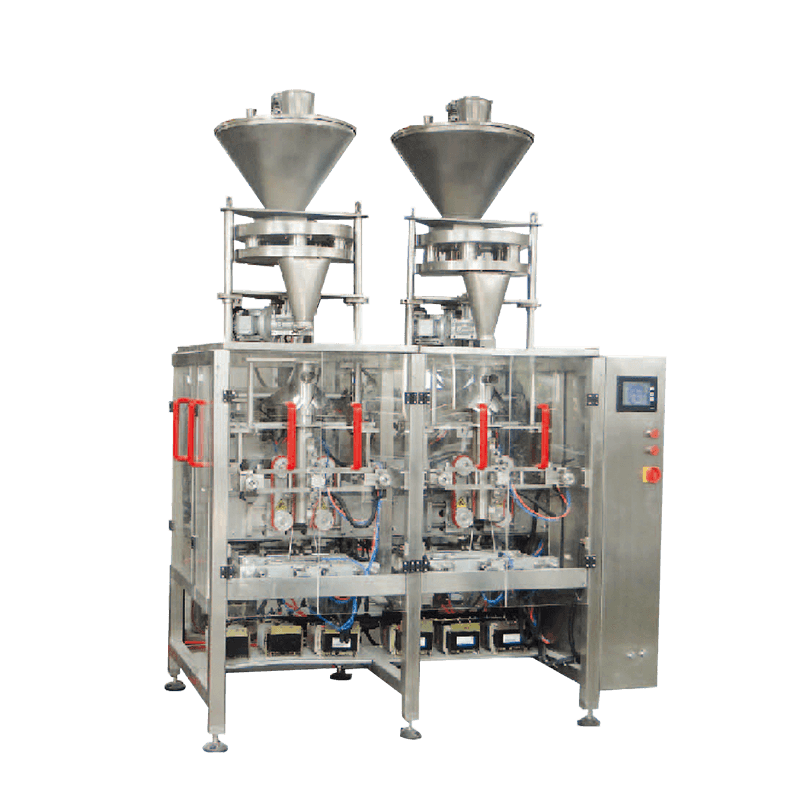
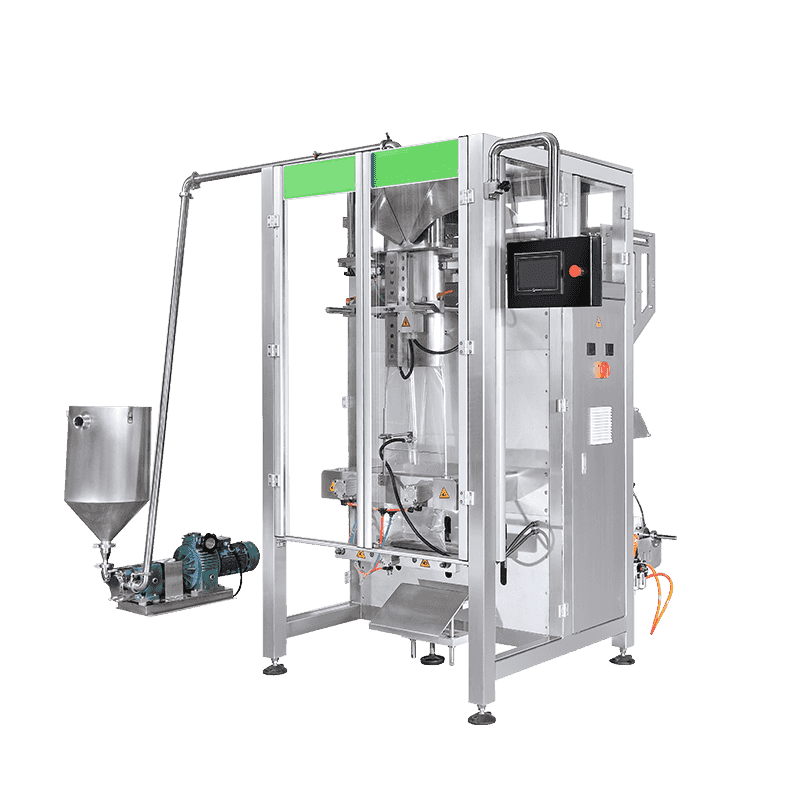
Pouch-format liquid filling and sealing machines are among the most widely used in food, beverage, and consumer goods packaging. These machines fill flexible plastic or laminated film pouches — including stand-up pouches, pillow pouches, spout pouches, and flat sachets — with liquid product and then heat-seal the open edge or spout closure. Vertical form-fill-seal (VFFS) machines are the dominant format for high-speed sachet and pillow pouch production, forming the pouch from a continuous film roll, filling it, and sealing it in a continuous vertical motion. Premade pouch filling and sealing machines accept pre-formed pouches fed from a magazine, which produces a higher-quality pouch appearance and is preferred for premium retail products where shelf presentation matters.
Liquid Bottle Sealing Machines
Bottle-format liquid sealing machines handle rigid or semi-rigid containers including glass bottles, PET bottles, HDPE bottles, and aluminum cans. The sealing mechanism varies by container and closure type — induction sealing applies an aluminum foil liner to the bottle mouth using electromagnetic induction heat, creating a hermetic seal without physical contact with the closure; capping machines apply screw caps, press-on lids, or crimped caps; and crown capping machines are used for carbonated beverage bottles. Many liquid bottle sealing machines combine the filling station and sealing station in a rotary or inline configuration, with the bottles conveyed between stations by a star wheel or conveyor belt.
Cup and Tray Liquid Sealing Machines
Cup sealing machines fill rigid or semi-rigid thermoformed cups or trays with liquid or semi-liquid product and then apply a heat-sealed film lid to the top. This format is common for dairy products like yogurt drinks and flavored milk, single-serve sauces and condiments, and pharmaceutical liquid dosing cups. The sealing film is typically a peelable aluminum foil, paper-backed foil, or plastic film laminate that bonds to the cup flange under a combination of heat, pressure, and dwell time. Rotary cup sealing machines can handle dozens of cups per minute, while manual or semi-automatic desktop cup sealers are available for lower-volume applications and bubble tea shops.
Tube Liquid Sealing Machines
Tube filling and sealing machines fill aluminum or plastic tubes with liquid or paste-consistency products — including cosmetic creams, pharmaceutical gels, food pastes, and adhesives — and then fold and crimp or heat-seal the tail end of the tube. The tube is loaded onto a mandrel, filled through the open tail end, and then sealed by either hot air welding, ultrasonic sealing, or mechanical crimping and folding depending on the tube material. Tube liquid sealers are standard equipment in the cosmetics, pharmaceutical, and food industries for products that need to be dispensed in controlled amounts from a squeezable container.
Aseptic Liquid Filling and Sealing Machines
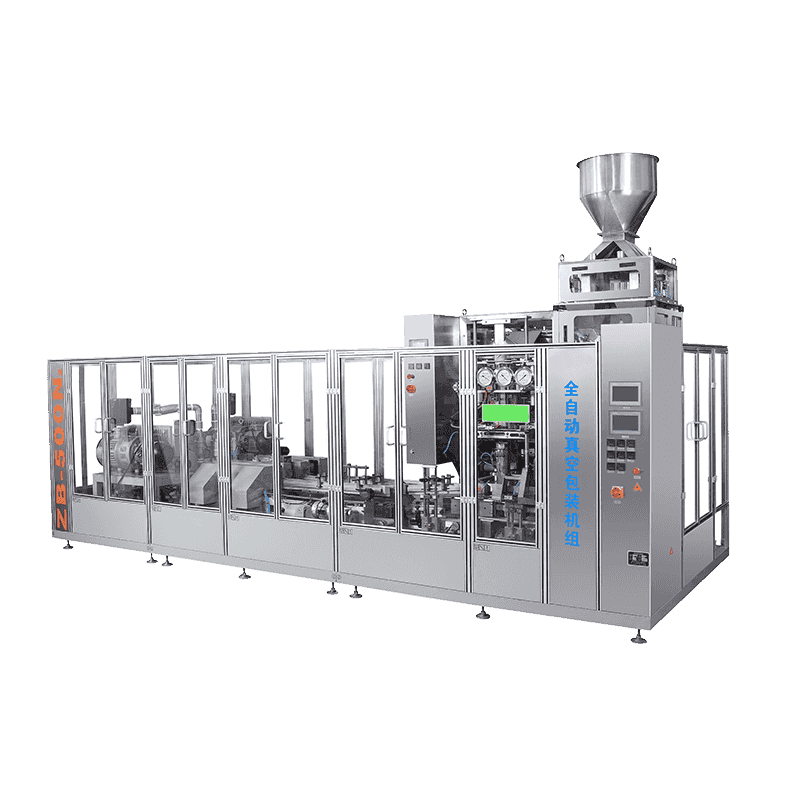
Aseptic liquid packaging machines operate under sterile conditions to fill and seal products that have been commercially sterilized, allowing shelf-stable storage without refrigeration. The container, filling environment, product, and sealing materials are all sterilized as part of the integrated process. Aseptic technology is used for UHT milk, juices, liquid egg products, and parenteral pharmaceutical liquids. These machines are among the most technically complex and expensive in the liquid sealing equipment category, incorporating clean-in-place (CIP) and sterilize-in-place (SIP) systems, sterile air barriers, and continuous environmental monitoring to maintain the aseptic condition throughout production runs.
Key Specifications That Define Liquid Sealing Machine Performance
When evaluating any liquid sealing machine, a set of core specifications determines whether the equipment can actually meet the demands of a specific production environment. These parameters must be matched carefully to the product, container, and output requirements.
| Specification |
Typical Range |
Why It Matters |
| Filling Speed |
10 – 500+ units/min |
Determines whether output matches production demand |
| Fill Volume Range |
1 ml – 20 L depending on type |
Must cover all SKU sizes in production lineup |
| Filling Accuracy |
±0.5% – ±2% of set volume |
Affects product compliance and material costs |
| Viscosity Range |
1 – 100,000+ cP |
Determines whether pump and valve type is compatible |
| Sealing Temperature |
120°C – 220°C (heat seal) |
Must match the sealing layer of packaging material |
| Container Size Range |
Machine-specific, defined by tooling |
Flexibility for format changes without new equipment |
| Material Contact Parts |
SS304, SS316L, PTFE |
Critical for hygiene compliance and chemical compatibility |
| Automation Level |
Manual, semi-auto, fully automatic |
Determines labor requirement and consistency of output |
Filling Mechanisms Used in Liquid Sealing Equipment
The filling mechanism is the heart of any liquid packaging machine and must be matched to the physical properties of the liquid being handled. Using the wrong filling technology results in inaccurate fill volumes, product degradation, excessive downtime for cleaning, and seal quality problems caused by product contamination of the sealing area.
Piston Filling
Piston fillers use a reciprocating piston inside a cylinder to draw in and then dispense a precise, mechanically defined volume of liquid with each stroke. The fill volume is set by adjusting the piston stroke length, giving highly accurate and repeatable results across a wide range of viscosities. Piston filling is effective for thin liquids, medium-viscosity products, thick sauces, pastes, and even products containing particulates — making it one of the most versatile filling technologies available. It is widely used in food, pharmaceutical, and cosmetic applications. The main limitation is that the shear forces generated during piston action can damage shear-sensitive products like certain emulsions or products with delicate particulate inclusions.
Peristaltic Pump Filling
Peristaltic pump fillers use a rotating rotor with rollers that compress a flexible tube to push liquid through without the liquid contacting any pump components other than the inner surface of the tube. This makes them ideal for pharmaceutical, biotechnology, and food applications where contamination from metal pump components is unacceptable, or where the product must be handled very gently. Peristaltic pumps are easy to clean — simply replace the tube — and are highly suitable for CIP/SIP integration. Accuracy is good for thin to medium viscosity liquids, but peristaltic systems struggle with highly viscous products and those containing abrasive particles that accelerate tube wear.
Gravity and Overflow Filling
Gravity fillers work by allowing liquid to flow from an elevated supply tank into the container under gravity, with fill volume controlled by timed valve opening or by fill-to-level sensing. They are simple, inexpensive, and effective for thin, free-flowing liquids like water, juices, and light oils but are unsuitable for viscous products that don't flow freely. Overflow fillers fill each container to a consistent visible level rather than a consistent volume — slightly overfilling each container and then removing the excess through an overflow port — which is ideal for clear bottles where visible fill level consistency is important for retail presentation, even if the actual volume filled varies slightly between containers.
Flowmeter and Weighing-Based Filling
High-accuracy applications — particularly in the pharmaceutical, chemical, and premium food sectors — often use mass flow meters or load cell-based weighing systems to control fill volume. Flowmeter fillers measure the actual volume or mass of liquid dispensed in real time and close the fill valve when the target quantity is reached, independent of viscosity changes or supply pressure fluctuations. Weighing-based fillers place the container on a precision scale and fill until the target weight is achieved. Both approaches offer fill accuracies of ±0.5% or better and are preferred when the cost of overfill or the safety implications of underfill are significant.
How to Choose the Right Liquid Sealing Machine for Your Operation
Selecting a liquid sealing machine is a significant capital investment, and the wrong choice creates problems that are expensive to correct. Working through a structured set of questions before approaching suppliers helps define the specification clearly and prevents purchasing a machine that doesn't fit the actual production environment.
- Define your product characteristics precisely: Know the viscosity range of all products that will run on the machine, whether they contain particulates, whether they are corrosive or sensitive to metal contact, whether they foam during agitation, and whether they require temperature control during filling. These factors together determine which filling mechanism is appropriate and what material specification the product contact parts require.
- Specify your container format and size range: Identify all container formats — pouch, bottle, cup, tube — and all sizes that will be run on the machine now and in the foreseeable future. A machine that handles your current single SKU perfectly but cannot accommodate future format changes without expensive retooling is a poor investment. Request tooling changeover time data and find out whether changeover is tool-free or requires specialized adjustments.
- Calculate the required output speed with headroom: Determine the number of units per shift you need to produce, divide by available production time, and add at least 20–30% headroom for downtime, changeovers, and ramp-up periods. Buying a machine running at its rated maximum speed continuously leaves no buffer for maintenance windows or demand spikes and accelerates wear on all mechanical components.
- Assess hygiene and regulatory requirements: Food and pharmaceutical liquid sealing equipment must comply with hygiene standards such as FDA CFR 21, EU food contact regulations, GMP guidelines, or 3-A Sanitary Standards. All product-contact surfaces should be 316L stainless steel or food-grade PTFE, with no dead legs or crevices where product can accumulate. If the product requires hot fill, cold fill, or aseptic conditions, ensure the machine is specifically engineered for that process.
- Evaluate the supplier's after-sales support infrastructure: A liquid filling and sealing machine that breaks down and cannot be repaired promptly is a production line stopped. Before purchasing, verify that the supplier has local or regional service engineers, that spare parts are available with short lead times, and that operator training is included as part of the commissioning package. Request references from existing customers in a similar industry to verify the supplier's actual service performance.
- Request a product trial or factory acceptance test: Reputable liquid sealing machine manufacturers will conduct a factory acceptance test (FAT) with your actual product and packaging materials before shipment. This test should demonstrate that the machine meets the agreed fill accuracy, speed, and seal quality specifications under realistic production conditions. Never accept delivery of a liquid packaging machine without witnessing or receiving documented evidence of a successful FAT.
Industries That Rely on Liquid Sealing Machines
Liquid sealing equipment is fundamental infrastructure across a wide range of manufacturing and processing industries, each with its own specific demands for hygiene, accuracy, speed, and seal integrity.
Food and Beverage Production
The food and beverage industry is the largest single market for liquid sealing machines. Applications include packaging of water, juices, carbonated drinks, dairy products, sauces, dressings, cooking oils, condiments, soups, and liquid nutritional supplements. Food-grade liquid packaging machines must meet strict hygiene standards, with all product-contact surfaces designed for efficient CIP cleaning and sanitation between product changeovers. High-speed beverage filling lines can process thousands of bottles per hour with fill accuracies tight enough to meet regulatory minimum net content requirements across every unit produced.
Pharmaceutical and Healthcare
Pharmaceutical liquid sealing equipment operates under GMP conditions with validation requirements, detailed batch records, and complete documentation of every filling parameter. Applications include oral liquid medicines, intravenous fluids, injectable products, eye drops, nasal sprays, and diagnostic reagents. Filling accuracy in pharmaceutical applications is a regulatory requirement rather than merely a commercial consideration — underfilled units may fail potency requirements, while overfilled units waste expensive active ingredients. Aseptic liquid sealing machines for injectable products represent the most demanding and costly equipment category in the entire liquid packaging sector.
Cosmetics and Personal Care
The cosmetics industry uses liquid sealing machines for shampoos, conditioners, liquid soaps, shower gels, lotions, serums, liquid foundation, and perfumes. Product viscosities range from very thin (colognes and toners) to very thick (heavy creams and gels), often within the same production facility, which demands highly flexible filling equipment capable of handling wide viscosity ranges and frequent format changeovers. Aesthetic quality of the filled and sealed product is also important in cosmetics — visible fill level consistency, clean seal lines, and absence of product smears on the container exterior all contribute to premium brand presentation.
Agrochemicals and Industrial Chemicals
Liquid sealing machines for agrochemicals and industrial chemicals must handle corrosive, hazardous, and flammable liquids safely. Equipment in this sector typically incorporates explosion-proof electrical components, chemical-resistant seals and gaskets, enclosed filling environments to contain fumes, and stainless steel or HDPE product contact surfaces resistant to aggressive chemicals. Filling accuracy is important both for product efficacy and for compliance with net content regulations, while seal integrity is critical to prevent leakage of hazardous materials during transport and storage.
Routine Maintenance to Keep a Liquid Sealing Machine Running Reliably
A liquid packaging machine is a significant investment that performs best and lasts longest when maintained on a structured schedule. Most unplanned downtime on liquid sealing equipment is directly traceable to deferred or neglected maintenance rather than to random failures. Building maintenance routines into the production schedule prevents the far more costly disruption of unexpected breakdowns during production runs.
- Daily cleaning of all product-contact parts: After every production run, flush and clean all product-contact surfaces including filling nozzles, valves, hoppers, pump components, and connecting pipework. Residual product left in the system between runs promotes microbial growth in food and pharmaceutical applications and can cause corrosion, clogging, or cross-contamination in subsequent production. Follow the machine manufacturer's validated CIP procedure where applicable, and document the cleaning cycle for regulatory compliance.
- Inspect and replace sealing elements on schedule: Heat sealing jaws, sealing bands, and PTFE-coated sealing surfaces wear progressively with use and produce inconsistent seal quality as they degrade. Inspect sealing elements visually at the start of each shift for signs of wear, carbonization, or damage, and replace them on a proactive schedule based on the machine manufacturer's recommendation rather than waiting for visible seal failures.
- Lubricate mechanical components as specified: Cam followers, linear guides, drive chains, and gearboxes require regular lubrication with the correct grade and quantity of lubricant. Over-lubrication is as problematic as under-lubrication in food and pharmaceutical applications — excess lubricant can migrate into product contact areas. Use food-grade lubricants (NSF H1 certified) for all components near product contact areas regardless of whether direct contact is anticipated.
- Verify filling accuracy regularly with calibrated checks: Fill volume accuracy should be verified at the start of each production run and periodically throughout the run using calibrated scales or volumetric measuring equipment. Record the results and adjust the machine settings if drift is detected. Filling accuracy tends to drift as pump components wear, valves develop slight leakage past seating surfaces, or flow meter calibration shifts over time.
- Check and tighten all pneumatic and electrical connections periodically: Vibration from machine operation progressively loosens pneumatic fittings, electrical terminal connections, and fasteners throughout the machine. A periodic tightening and inspection round — typically monthly or quarterly depending on machine utilization — catches developing problems before they cause a breakdown. Pay particular attention to pneumatic fittings near filling nozzles where product exposure can accelerate fitting corrosion.
- Keep a spare parts inventory for high-wear and long-lead items: Identify the components most likely to cause extended downtime if they fail — typically sealing elements, filling pump components, solenoid valves, and PLC-controlled drive components — and maintain a minimum stock of these parts on site. The cost of holding spare parts inventory is trivial compared to the cost of a production line stopped for days waiting for a part to be shipped from an overseas manufacturer.
Automatic vs. Semi-Automatic Liquid Sealing Machines: Making the Right Call
The choice between automatic and semi-automatic liquid sealing equipment is fundamentally a question of matching machine capability to production volume, budget, and operational flexibility. Neither option is universally superior — the right answer depends entirely on the specific production context.
Semi-automatic liquid sealing machines require an operator to position containers, initiate the filling cycle, and remove filled containers, with the machine handling the precise dispensing and sealing functions automatically. They are significantly less expensive than fully automatic systems, require less floor space, are simpler to maintain, and can be repositioned or repurposed relatively easily. For production volumes up to a few thousand units per shift, or for operations with highly variable production schedules and frequent product changeovers, semi-automatic equipment often delivers the best return on investment. The labor cost of the operator is the primary ongoing cost, and this must be factored into the total cost of ownership calculation.
Fully automatic liquid filling and sealing machines handle container feeding, filling, sealing, and discharge without operator intervention, requiring only periodic monitoring, replenishment of packaging materials, and quality checks. At production volumes above approximately 50–100 units per minute, the labor savings from automation typically justify the higher capital cost within one to three years. Fully automatic systems also deliver greater consistency — human operator variation is eliminated — and can be integrated into broader production line automation including labeling, coding, inspection, and case packing. The higher capital cost, greater complexity, and longer maintenance skill requirements are the trade-offs that must be weighed against these advantages.


 English
 Español
 عربى
عربى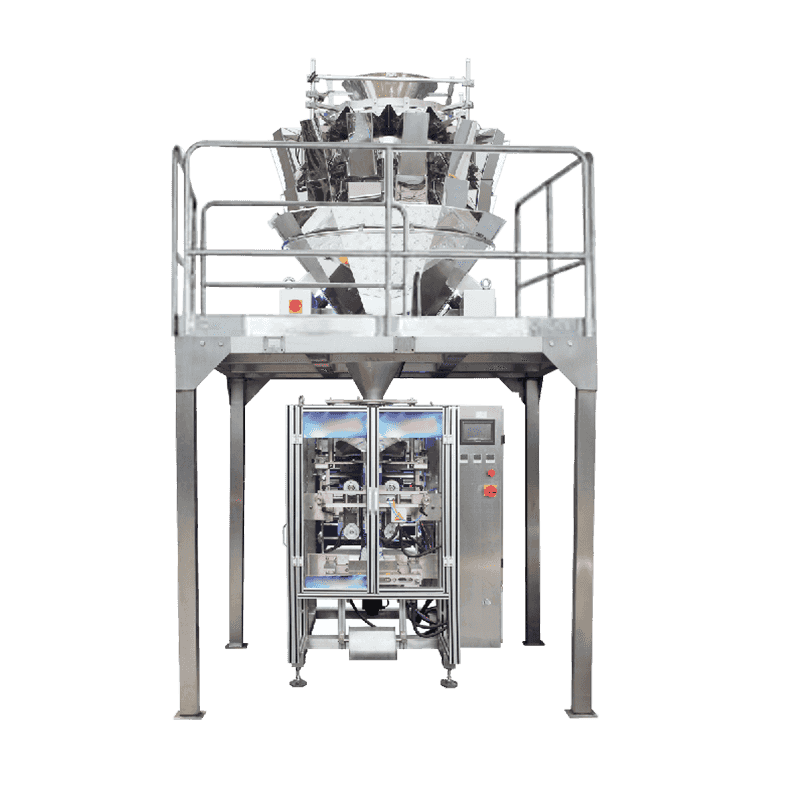


Contact Us