Understanding Vacuum Granule Packaging Machines
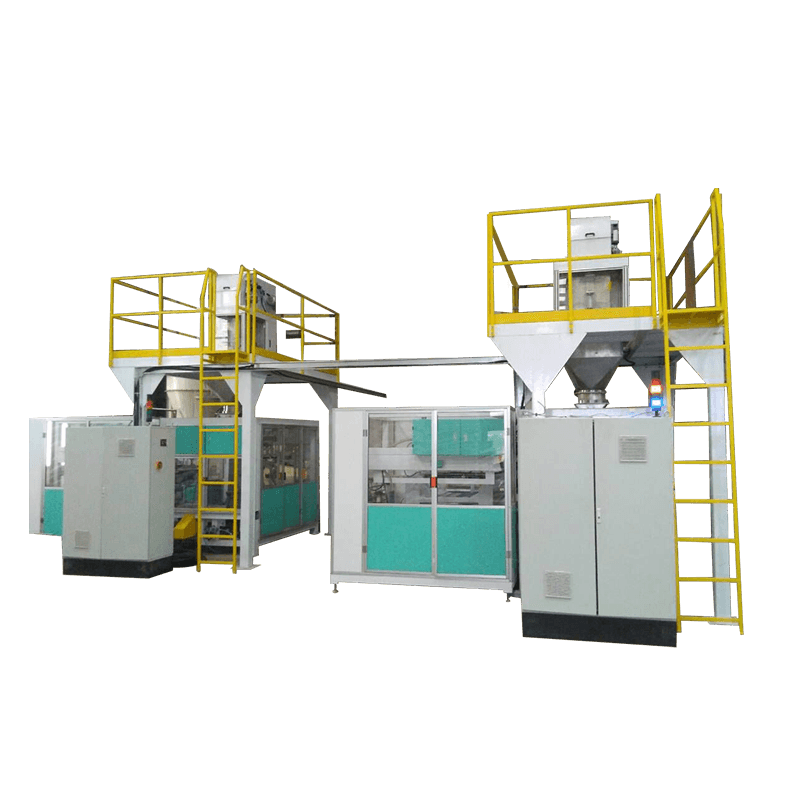
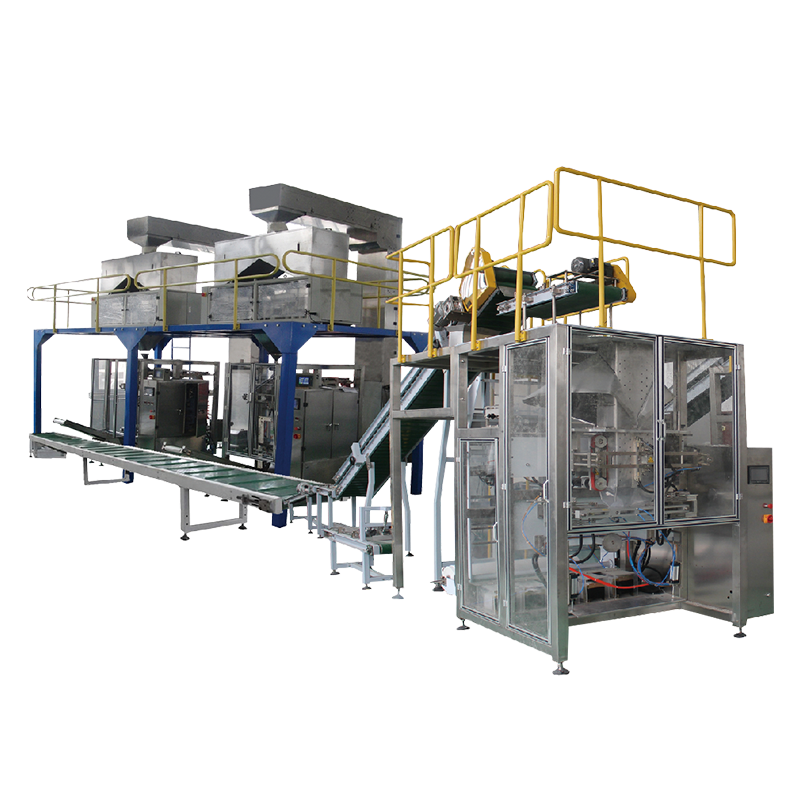
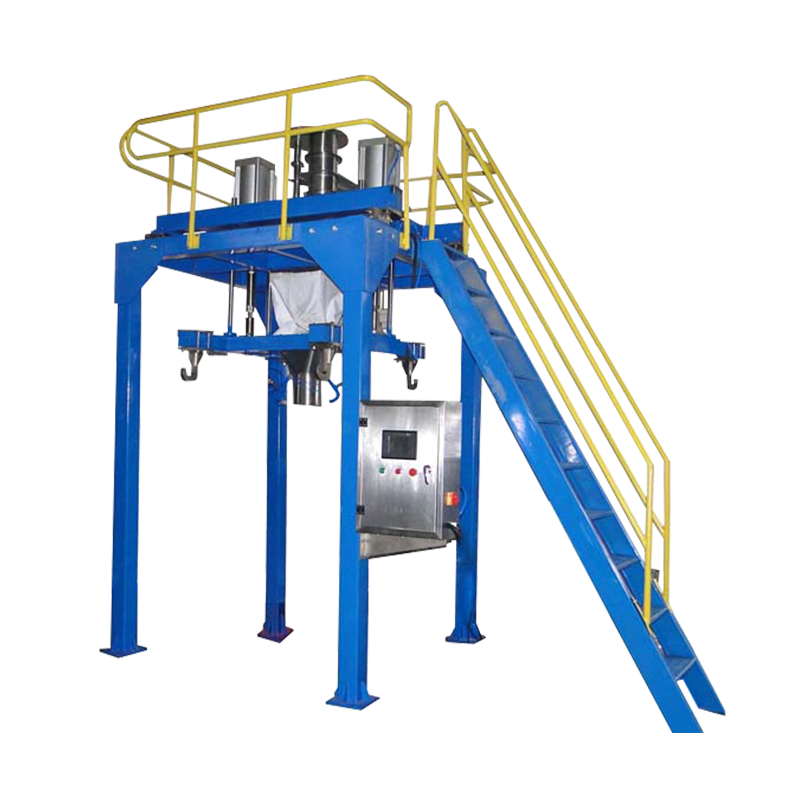
Vacuum granule packaging machines are specialized equipment designed to package granular products in a vacuum-sealed environment. These machines are widely used in industries such as food, pharmaceuticals, and chemicals to ensure product freshness, hygiene, and extended shelf life. By removing air from the packaging, they reduce oxidation and moisture exposure, preserving the quality and potency of granules such as coffee, sugar, spices, and medicinal powders.
Key Features and Advantages
Modern vacuum granule packaging machines offer a range of features that enhance productivity and reliability:
- High-speed vacuum sealing to increase output and reduce packaging time.
- Adjustable settings for different granule sizes, weights, and package formats.
- Integrated weighing systems for accurate portion control.
- Durable stainless steel construction for long-lasting operation and easy cleaning.
- Automatic air removal and sealing for consistent vacuum quality.
Applications Across Industries
Vacuum granule packaging machines are versatile tools suitable for a variety of industries. Key applications include:
- Food Industry: Packaging sugar, salt, coffee beans, tea leaves, and snack granules to maintain freshness and prevent contamination.
- Pharmaceuticals: Sealing powdered medications, herbal granules, and supplements in sterile conditions.
- Chemical Industry: Packaging fertilizers, detergents, and other granular chemicals safely and efficiently.
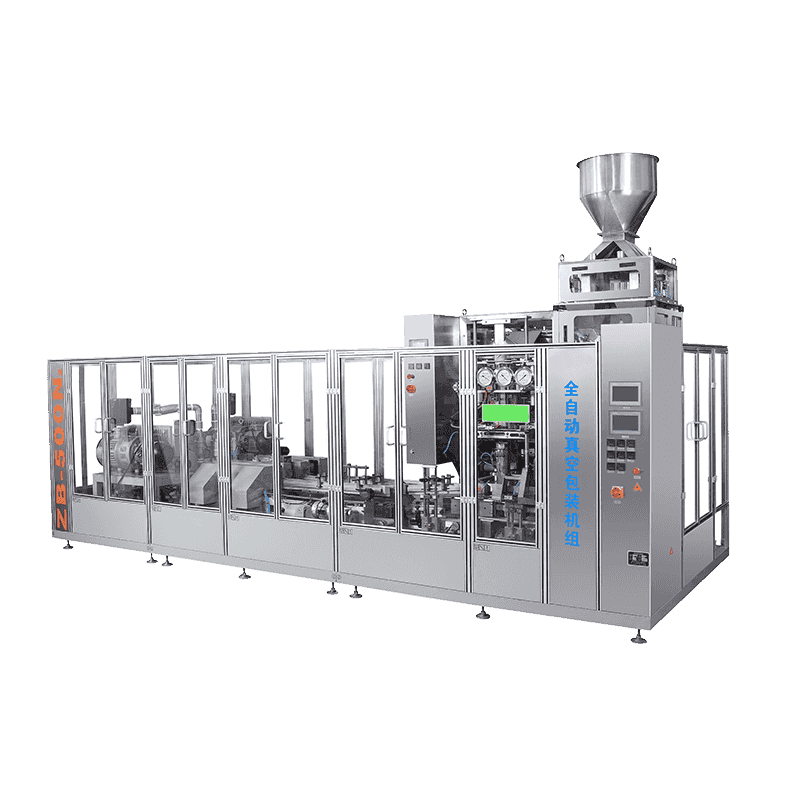
Choosing the Right Machine
Selecting an appropriate vacuum granule packaging machine depends on production requirements, granule characteristics, and packaging specifications. Factors to consider include:
- Production capacity: Machines vary from small-scale units for boutique operations to high-speed models for industrial use.
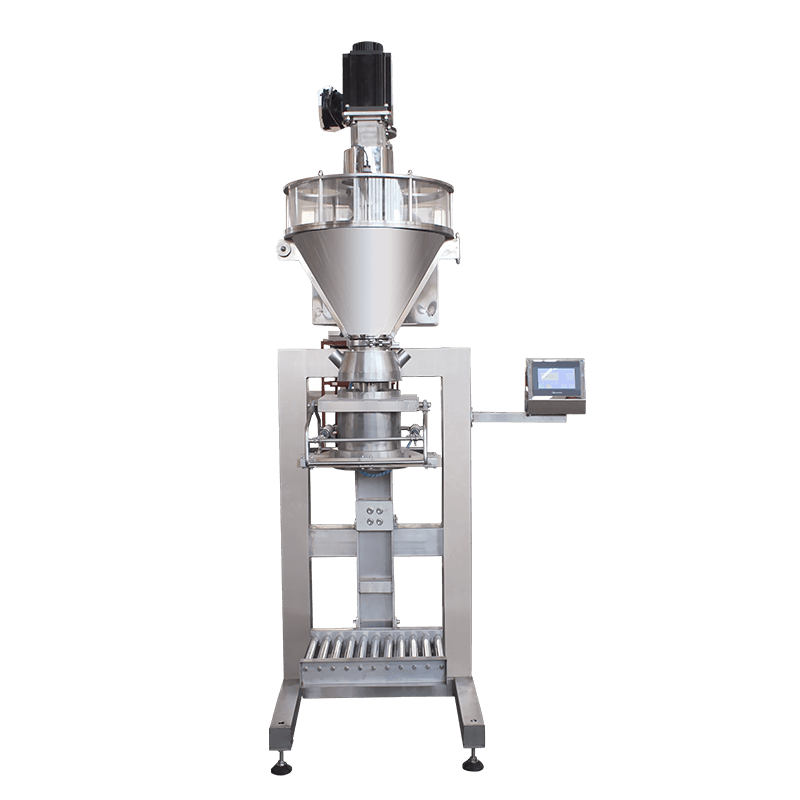
- Granule type: Fine powders may require precision dosing systems, while larger granules need wider feeding mechanisms.
- Package size and format: Some machines accommodate pouches, jars, or rigid containers, while others focus on flexible bags.
- Automation level: Fully automated machines offer continuous operation, whereas semi-automatic models are suitable for smaller production lines.
Maintenance and Operational Tips
Proper maintenance ensures long-term reliability and efficiency. Operators should follow these guidelines:
- Regularly clean sealing components and vacuum chambers to prevent contamination and ensure airtight seals.
- Inspect moving parts and lubricate according to manufacturer recommendations to reduce wear and tear.
- Calibrate weighing and dosing systems periodically for accurate portioning.
- Train operators to follow safety protocols, including proper handling of electrical and pneumatic systems.
Future Trends in Vacuum Granule Packaging
With technological advancements, vacuum granule packaging machines are becoming smarter and more efficient. Key trends include:
- Integration with Industry 4.0: Machines equipped with IoT sensors and cloud-based monitoring systems for real-time performance tracking.
- Energy-efficient designs: Reducing power consumption while maintaining high vacuum and sealing quality.
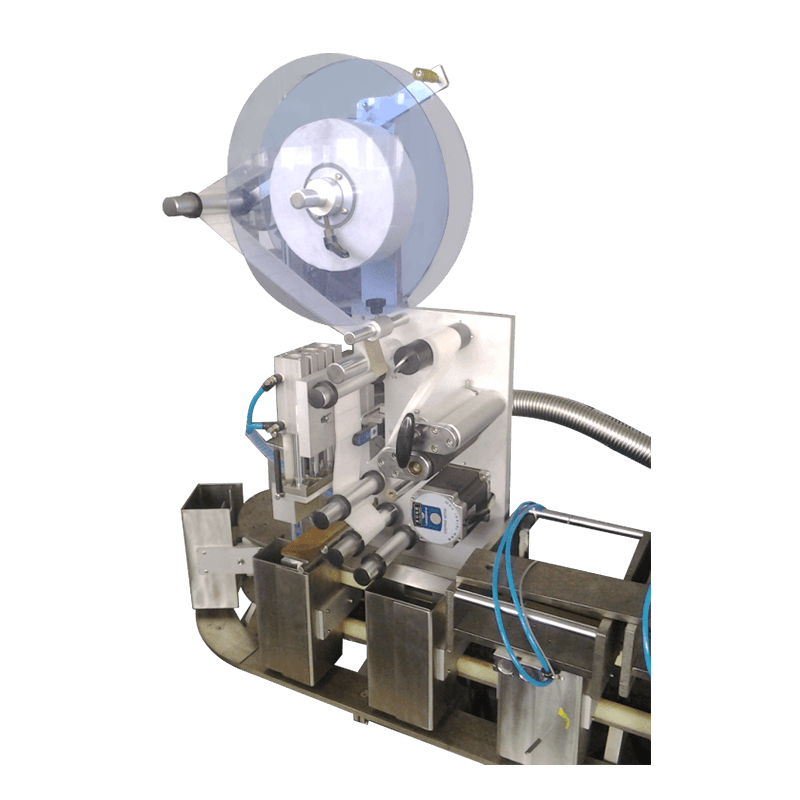
- Multi-function packaging solutions: Machines capable of vacuum sealing, nitrogen flushing, and labeling in a single workflow.
Conclusion
Investing in a high-quality vacuum granule packaging machine ensures product longevity, hygiene, and operational efficiency. By understanding the features, applications, and maintenance requirements, manufacturers can choose the right equipment to meet their production needs and stay ahead in competitive markets.


 English
 Español
 عربى
عربى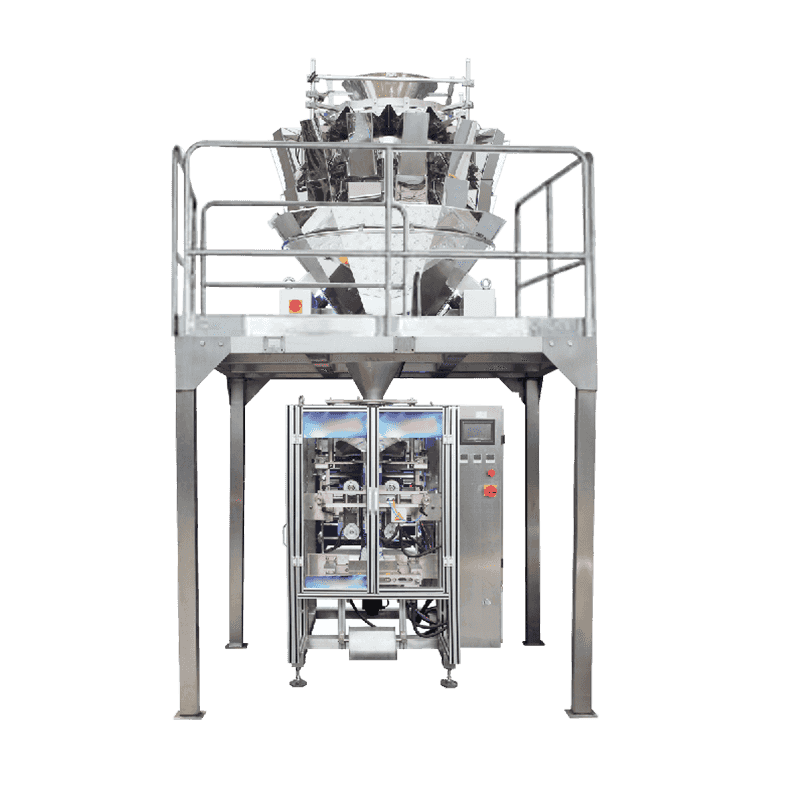



Contact Us