Walk onto almost any food, pharmaceutical, or chemical plant floor and you will find packaging machinery doing the quiet, repetitive work that keeps everything else moving. Bags are formed, weighed, sealed, coded, checked, boxed, and stacked thousands of times a shift, usually with very little drama when the equipment is right. When it is wrong, everybody knows within a day.
We build these machines for a living, and most of the questions we get from buyers are not about motor brands or control platforms. They are about fit: will this machine handle my material, will it keep pace with my line, and will it still be running smoothly three years from now. What follows is a plain walk through the main families of packaging machinery, how they differ, and what is worth checking before you commit.
What Packaging Machinery Really Covers
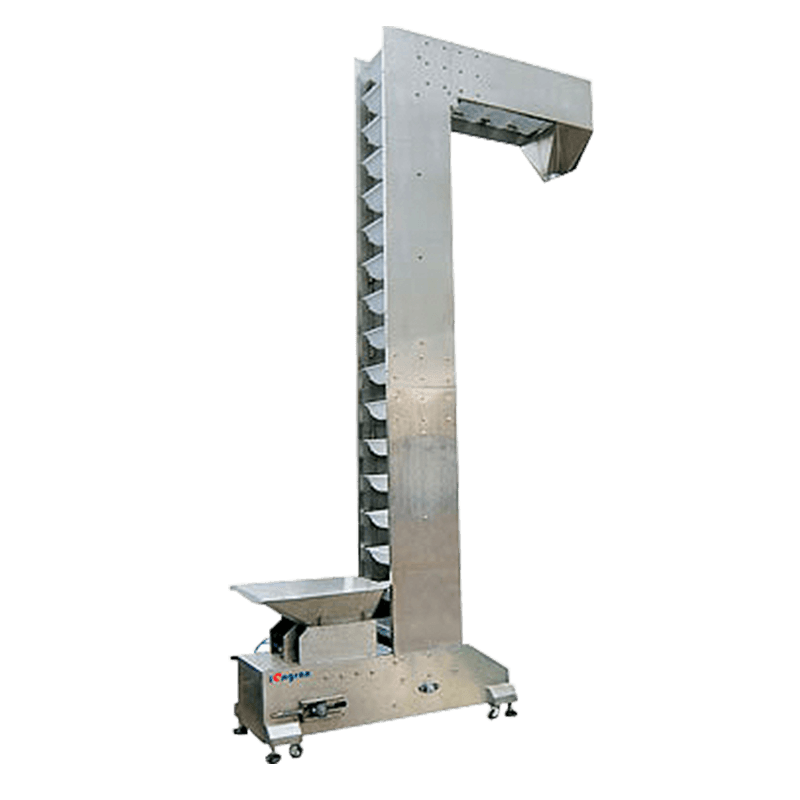
The phrase is an umbrella, and a wide one. It takes in primary packaging equipment that fills, weighs, forms, and seals a product into its first container, secondary equipment that puts those pouches or bottles into cartons and cases, and end-of-line equipment that labels, inspects, and palletizes. Conveying and feeding systems usually sit quietly in the same budget, because nothing downstream works if the material never arrives.
A typical line therefore reads something like this: bulk material is lifted and fed, dosed into a pouch or bag, sealed and cut, weighed and checked for metal, printed with a batch code, then collated into a carton or a larger bag and finally stacked onto a pallet. Each step has its own machine family, and each family has its own vocabulary, which is why the same buyer can hear the terms packing machine, filling machine, and packaging machine used for three quite different things.
The Main Families at a Glance
Before drilling into details, it helps to see the landscape in one view. The table below is the shorthand we use when a customer sends over a product sample and a target output.
A quick reference to the packaging machinery families covered here and the job each one usually performs on a production line.
| Family |
What it handles |
Typical job on the line |
| Granule packaging machinery |
Salt, sugar, rice, seeds, pellets, snacks |
Cup or weigh dosing into pouches, forming and sealing at speed |
| Powder packaging machinery |
Flour, milk powder, spices, chemical powders |
Auger or weigh dosing with dust extraction and antistatic control |
| Liquid packaging machinery |
Juices, sauces, dairy, detergents |
Piston or gravity filling, sealing into pouches, cups, or bottles |
| Vacuum packaging machinery |
Granules and powders |
Removing air to extend shelf life and protect against oxidation |
| Cartoning and secondary lines |
Pouches, bottles, tubes, sachets |
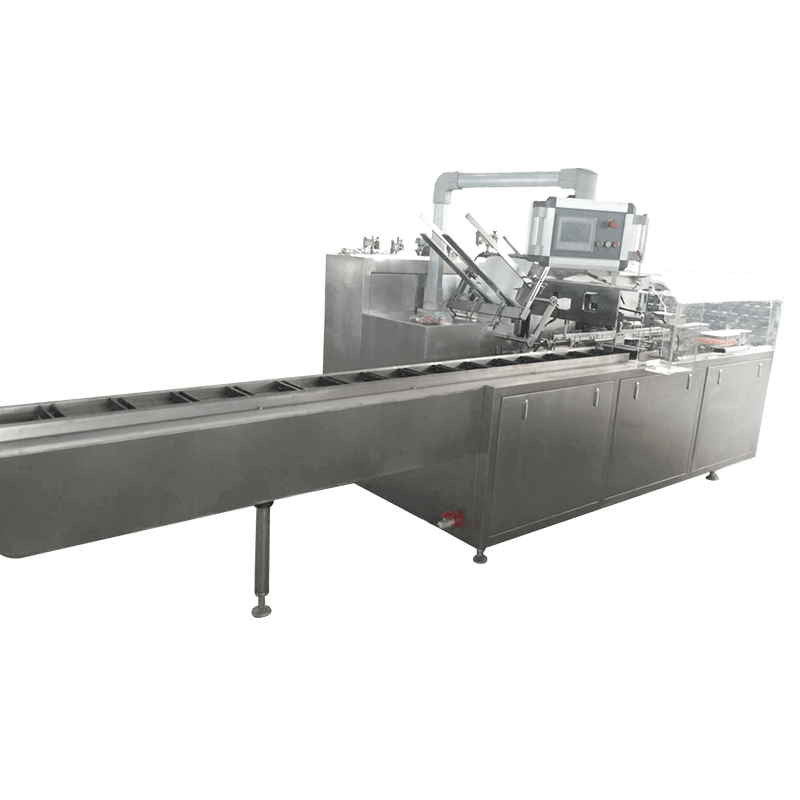
Erecting cartons, loading, closing, and collating |
| Conveying and auxiliary systems |
Bulk material and finished packs |
Bucket elevators, checkweighers, metal detectors, printers, palletizers |
Most real projects combine three or four of these families. Very few plants buy a single machine and stop there.
Matching the Machine to the Material
The single most useful question you can answer before shopping is what your product actually does when it moves. Particle size, bulk density, flowability, moisture, dust, and temperature all shape the answer, and they matter far more than the headline speed on a brochure.
Granules and small solids
Free-flowing granules are the friendliest material in packaging. A volumetric cup system can hit high speeds with good repeatability, which is why salt, sugar, and similar products are often packed on cup-based vertical machines rather than on weigh scales. Coated, sticky, or fragile granules shift the calculation toward weigh filling or a gentler forming sequence.
If you are still mapping out the options, this buyer's guide to granular packaging equipment walks through the trade-offs between cup, auger, and weigh dosing in more depth.
Film choice matters just as much. Laminated films give better barrier performance but need tighter temperature control on the sealing jaws, while simpler films run faster but protect less. Ask for a trial on your own film, not just on the sample roll in the showroom.
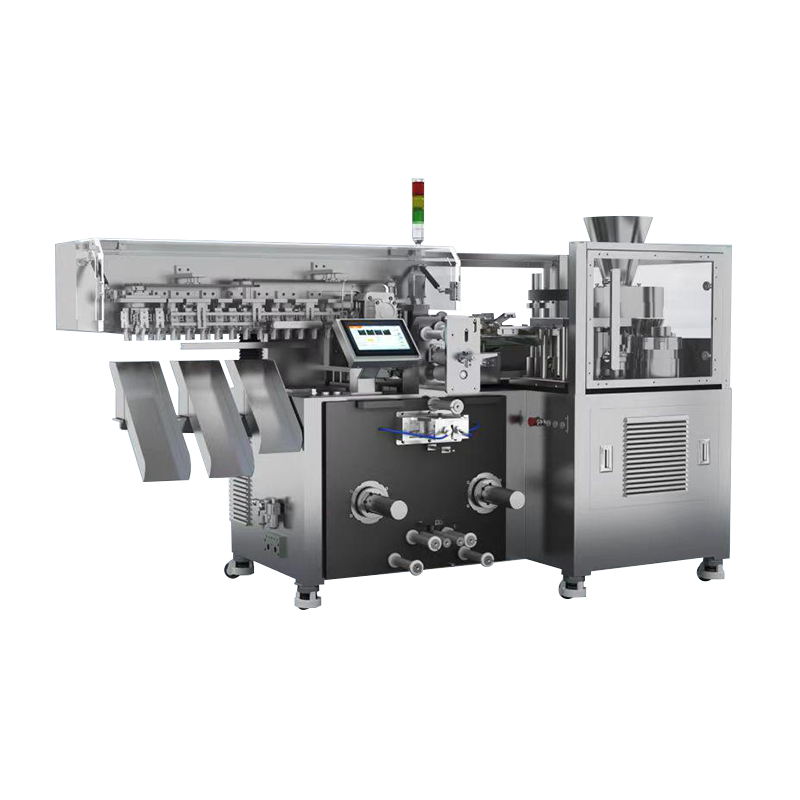
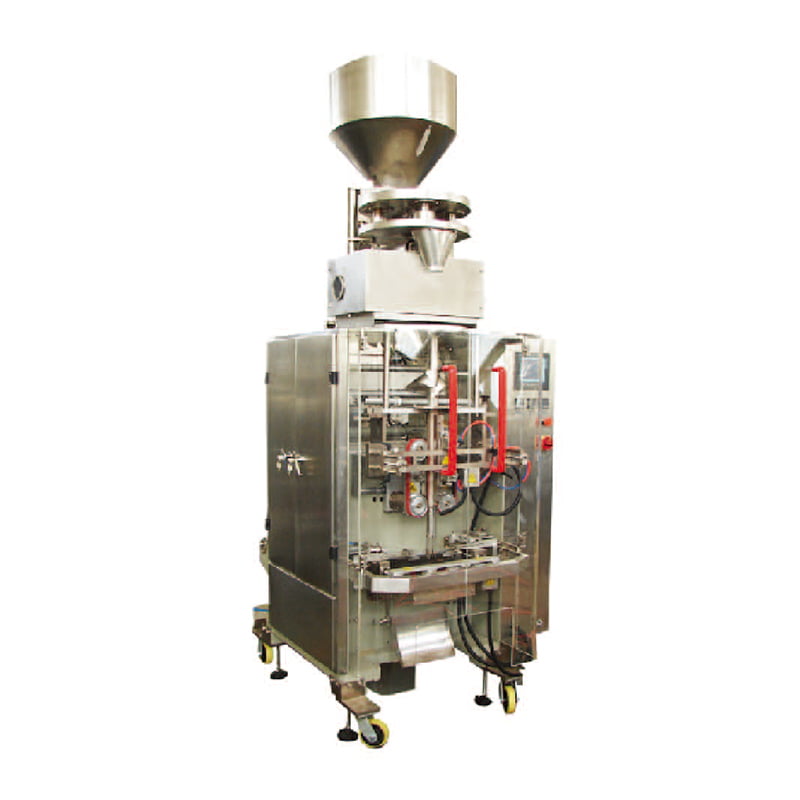 MP-5000DS High-Speed Cup Quantitative Packaging MachineCup metering system for fine granules, offering automated bag forming, filling, sealing and counting at 30–70 bags/min with touchscreen control.View Product →
For high-output granule work, a cup quantitative machine is often the point where labour cost per bag drops fastest.
Powders
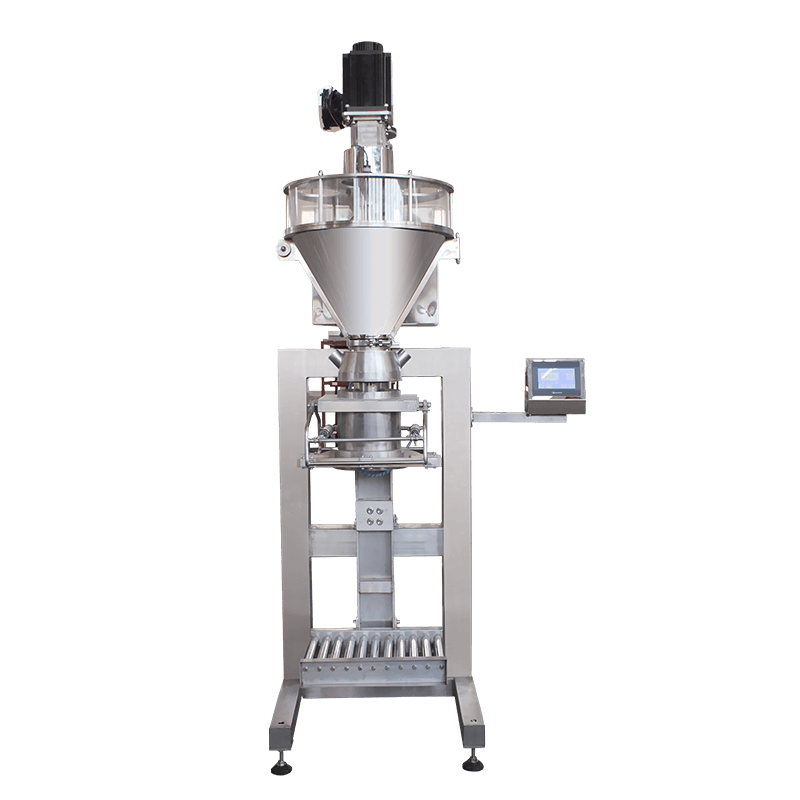
Powders are where experience pays for itself. Fine material drifts into every gap, bridges in hoppers, and clings to surfaces through static. A machine that runs beautifully on trial samples can struggle on a humid Monday morning, so dust extraction, antistatic treatment, and sealed dosing paths are not optional extras. They are the difference between a line that runs and a line that is cleaned all day.
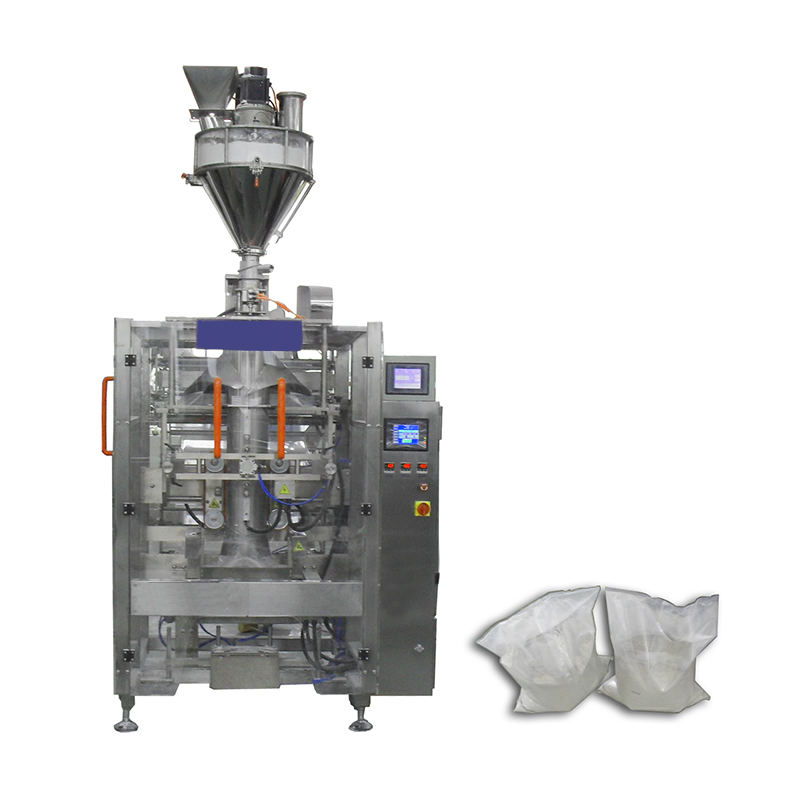 MP-5000F/7300F/1100F Anti-Static Powder Packaging SystemAutomatic auger weighing and vertical filling system for dusty powders, with optional anti-static and dust extraction, multiple bag sizes and weighing accuracy to ±0.5% at higher weights.View Product →
Weight accuracy on powders is also worth more attention than speed. A few grams of overfill per bag adds up to real money across a year of production, and most reputable suppliers will happily run a sample to show you the variance.
Liquids
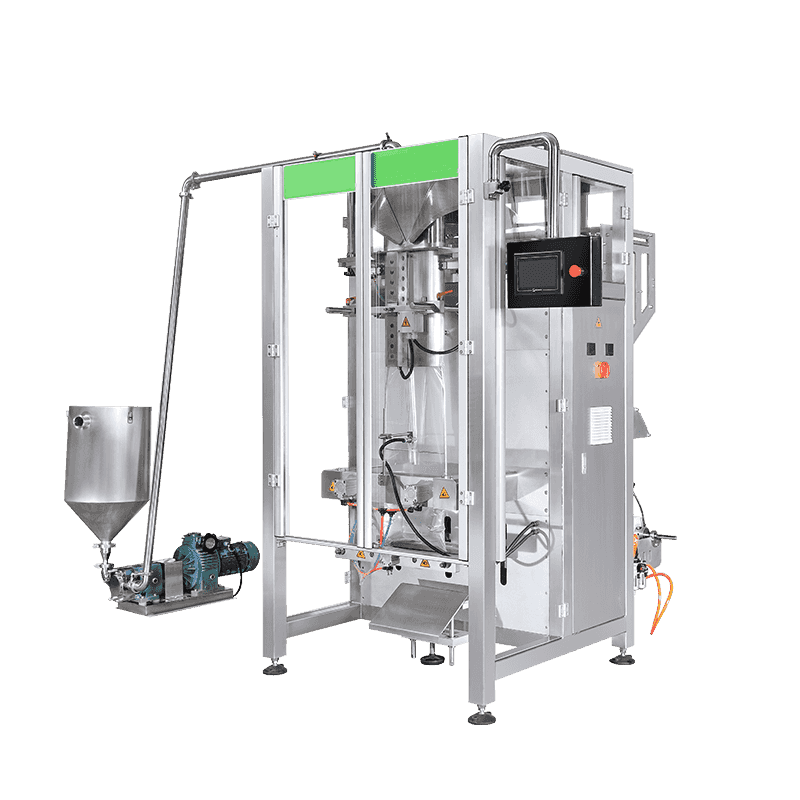
Liquids bring their own logic. Viscosity decides whether you need a piston filler, a gravity filler, or something with a heated product path, and the sealing method depends on whether you are running pouches, cups, or bottles. Hygiene design, clean-in-place access, and temperature control during filling deserve a place in the conversation early, not after the layout is drawn.
Our own liquid packaging machinery range is organised around exactly those variables, from thin juices through to thick sauces.
From Single Machine to Full Production Line
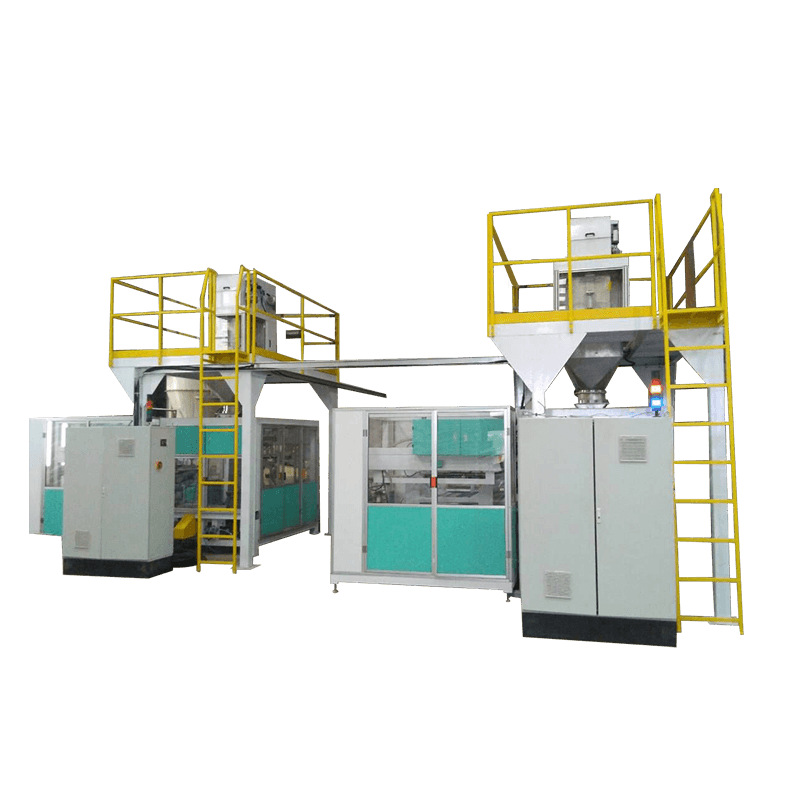
At some point nearly every growing manufacturer stops buying machines and starts buying a line. The shift is not just about quantity. Once a filler, a sealer, a checkweigher, and a cartoner have to share a conveyor and a control philosophy, integration becomes the project, and buffer capacity between stations becomes the thing that decides whether a small stoppage stays small.
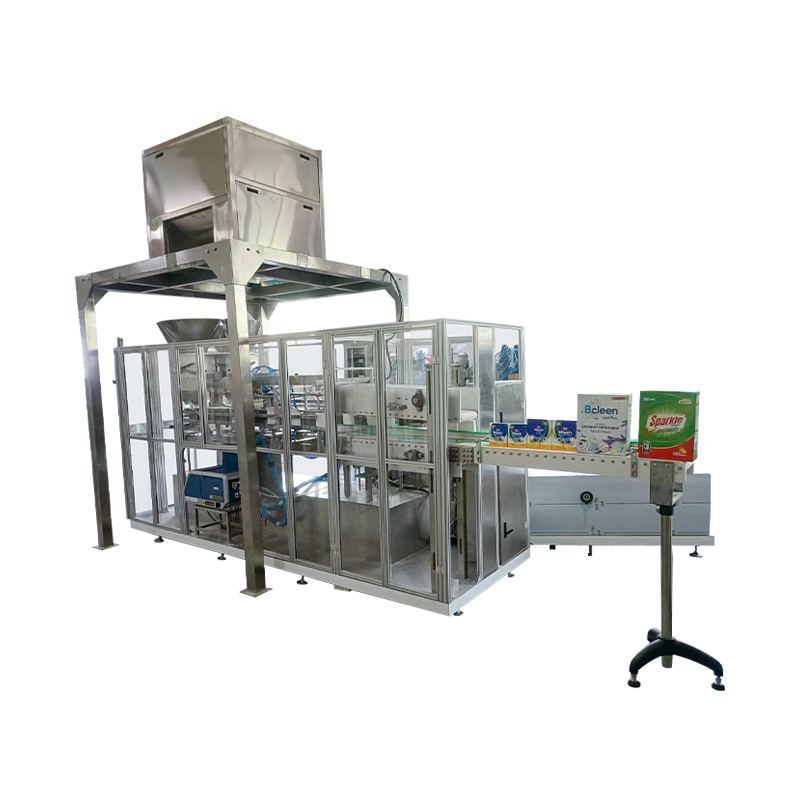
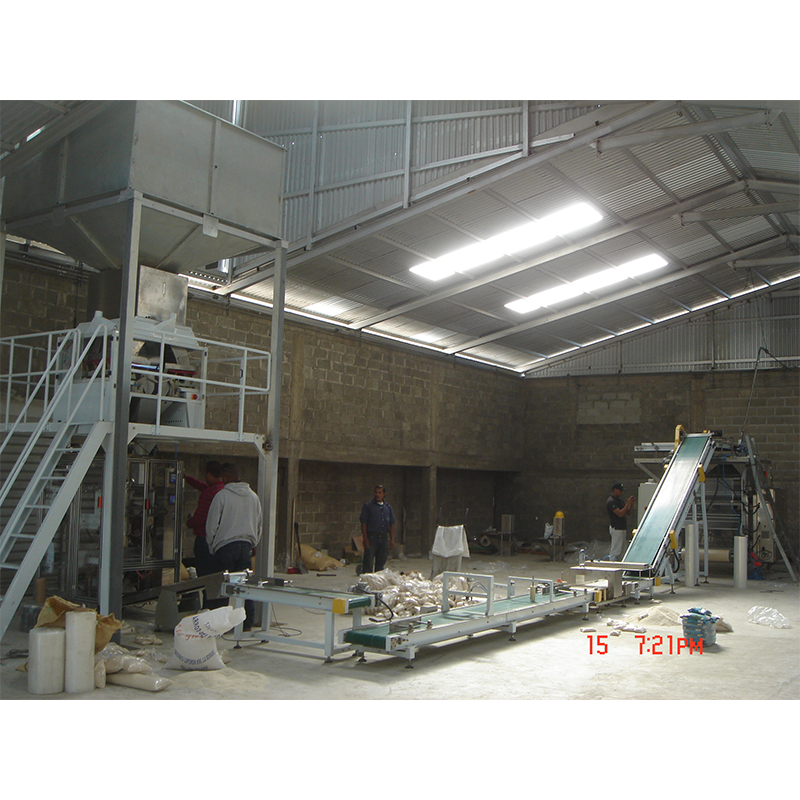 MP-S1100 Small Bag Secondary Packaging LineAutomated line groups 100–1000 g pre-packaged small bags into composite film bags, using conveying, counting, sorting, vertical bag-making, filling and sealing.View Product →
A well-planned line usually leaves a little slack in it: an accumulation table here, a modest buffer there, a bypass lane for rejects. That slack feels like wasted floor space on the layout drawing and feels like sanity on a Tuesday night shift.
The Auxiliary Systems Nobody Notices Until They Stop
The machines around the filler do the quiet quality work, and they are usually the first place to look when a retailer or regulator asks for evidence:
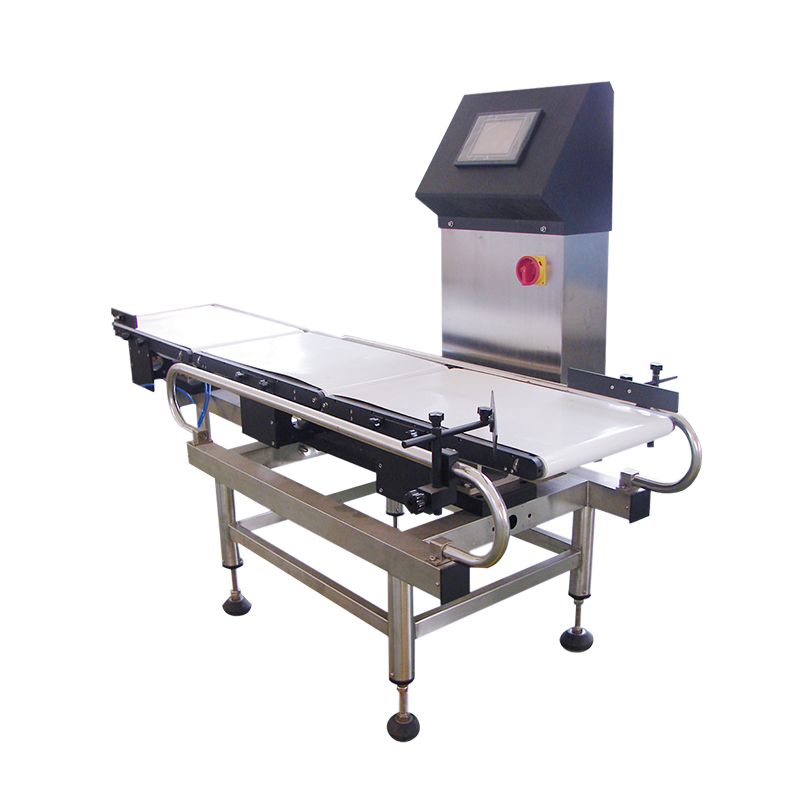
- Checkweighers confirm that each pack meets declared weight and reject the outliers automatically.
- Metal detectors screen for contamination and remove affected packs from the flow.
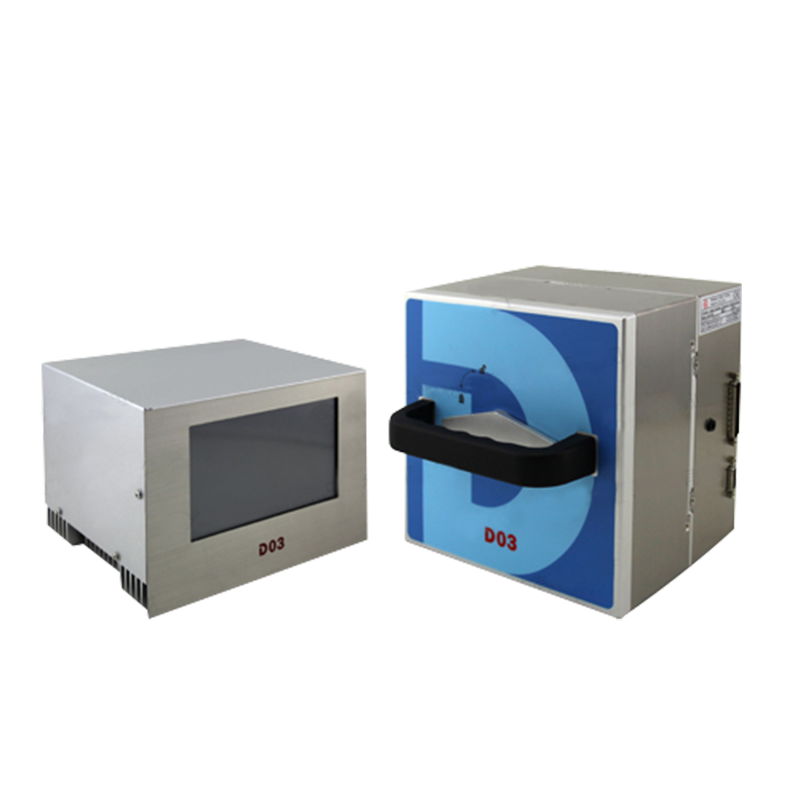
- Thermal transfer printers apply batch codes, dates, and traceability information that stays legible.
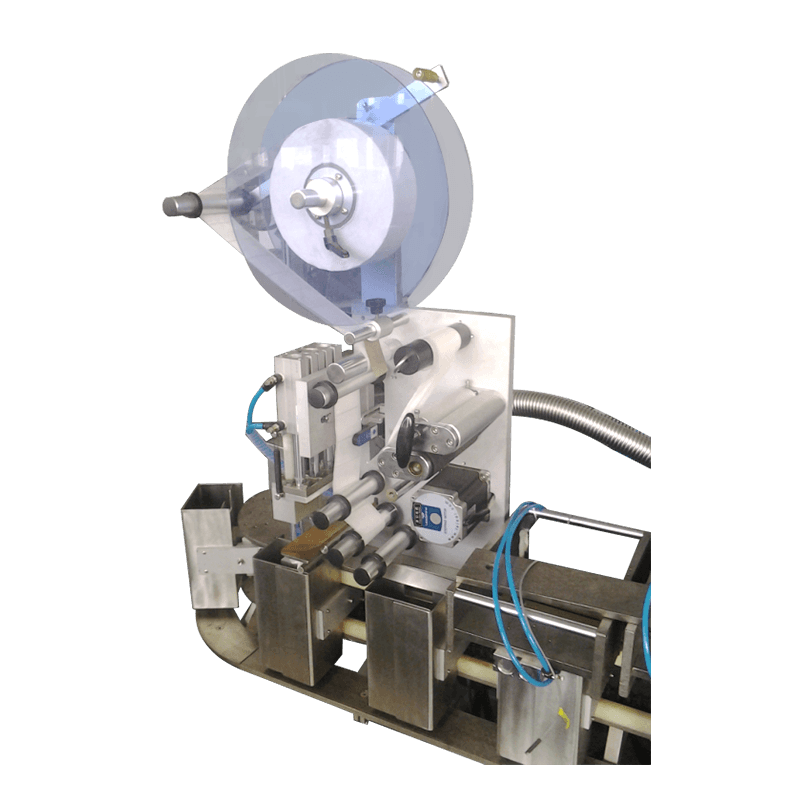
- Labelling machines place barcodes and regulatory text consistently, pack after pack.
- Palletizers take the physical strain out of end-of-line handling and stabilise stacking patterns.
Specification details matter here too. An IP66-rated checkweigher survives washdown environments that would quietly destroy a standard unit, and an interference-resistant detector avoids false rejects when neighbouring equipment switches on.
What to Confirm Before You Commit
Whether you are buying one machine or an entire line, a short checklist saves months:
- Send a real production sample, at real temperature and moisture, and ask for a trial run with results in writing.
- Confirm the output figure is stated for your product and your pack size, not for an idealised powder.
- Ask which spare parts wear fastest, how often they are replaced, and whether they are stocked locally.
- Check the utilities: compressed air volume, power supply, and floor loading are easy to overlook.
- Discuss cleaning and changeover time in minutes, not in general reassurances.
- Agree on installation, training, and response times for service before the purchase order, not after.
None of this is complicated, but it is easy to skip when a deadline is pressing and a quotation looks clean. The manufacturers who end up happiest with their packaging machinery are rarely the ones who found the lowest price. They are the ones who described their product honestly, asked what happens during changeover and cleaning, and bought a little more capacity than they needed that year.
If you are weighing up options for granules, powders, liquids, or a complete line, send us a sample and a target output. We will tell you what we would run, and just as importantly, what we would not.


 English
 Español
 عربى


Contact Us