What Is a Powder Packaging Machine and How Does It Work?
A powder packaging machine is an automated or semi-automated industrial system designed to measure, fill, and seal precise quantities of powdered products into bags, pouches, bottles, cans, sachets, or other containers at high speed and with consistent accuracy. These machines handle a broad spectrum of powder types — from free-flowing granulated sugar and protein powder to cohesive, hygroscopic pharmaceutical APIs and fine chemical powders — and are engineered to address the unique challenges that powdered materials present, including inconsistent flow behavior, dust generation, bridging in hoppers, and sensitivity to moisture or contamination.
The operating principle of a powder filling and packaging machine centers on a metering system that controls the quantity of powder dispensed per fill cycle, combined with a packaging mechanism that forms, fills, and seals the package in an integrated sequence. Depending on the machine type, metering may be achieved by volumetric methods — where a fixed volume of powder is dispensed per cycle using auger screws, cups, or rotary valves — or by gravimetric (weight-based) methods, where load cells continuously measure the actual weight of powder dispensed and adjust the fill accordingly. The choice between volumetric and gravimetric filling is one of the most fundamental decisions in powder packaging machine selection and has direct implications for fill accuracy, product waste, and regulatory compliance.
Main Types of Powder Packaging Machines and Their Applications
The powder packaging machine category encompasses several distinct machine types, each optimized for specific powder characteristics, package formats, production volumes, and industry requirements. Understanding the differences between these machine types is essential for making an informed equipment investment.
Auger Filling Machines
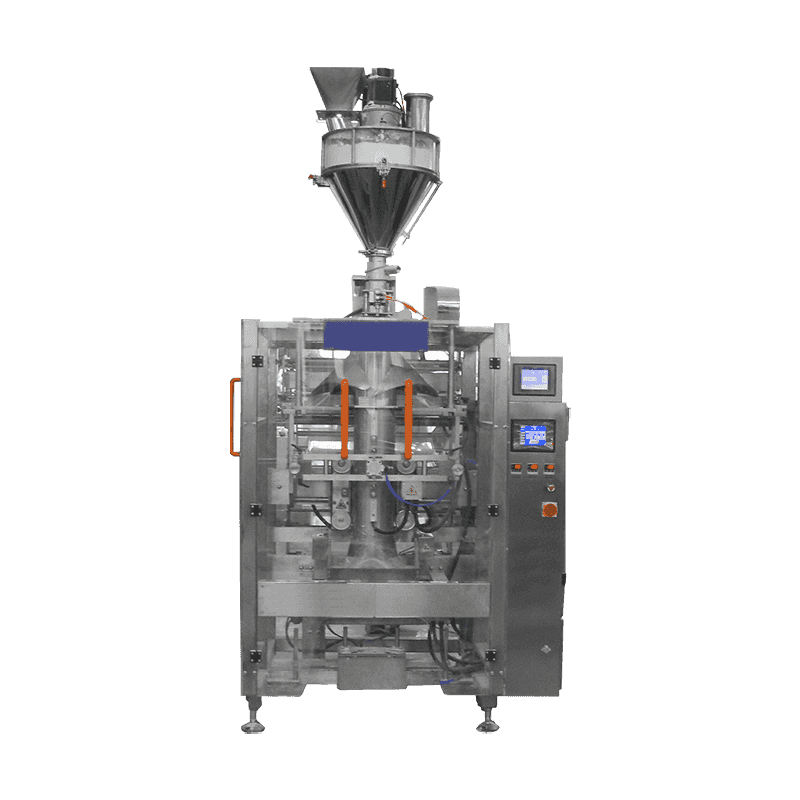
Auger powder filling machines are the most widely used type in food, pharmaceutical, and chemical powder packaging. They operate by rotating a precision-machined auger screw inside a vertical tube — the auger flights convey powder downward from the hopper and discharge it through a fill cone into the waiting container or pouch. The quantity of powder dispensed per fill cycle is controlled by the number of auger rotations, which is set by the machine's PLC controller. By combining a servo-driven auger with load cell feedback, modern auger fillers achieve fill weight accuracies of ±0.5–1% or better on most powder types, meeting the requirements of most regulatory frameworks for net weight labeling.
Auger fillers are particularly well suited to fine, cohesive, and non-free-flowing powders — including flour, protein powder, spices, powdered milk, coffee creamers, pharmaceutical excipients, and fine chemical powders — where other metering systems struggle with inconsistent flow. The auger's positive mechanical action conveys powder regardless of its natural flow tendency, making it more versatile than gravity-fed or cup filling systems. Changeover between different powder types and fill weights is achieved by swapping the auger and fill cone to the appropriate size and re-entering the fill parameters in the controller.
Vertical Form Fill Seal (VFFS) Powder Packaging Machines
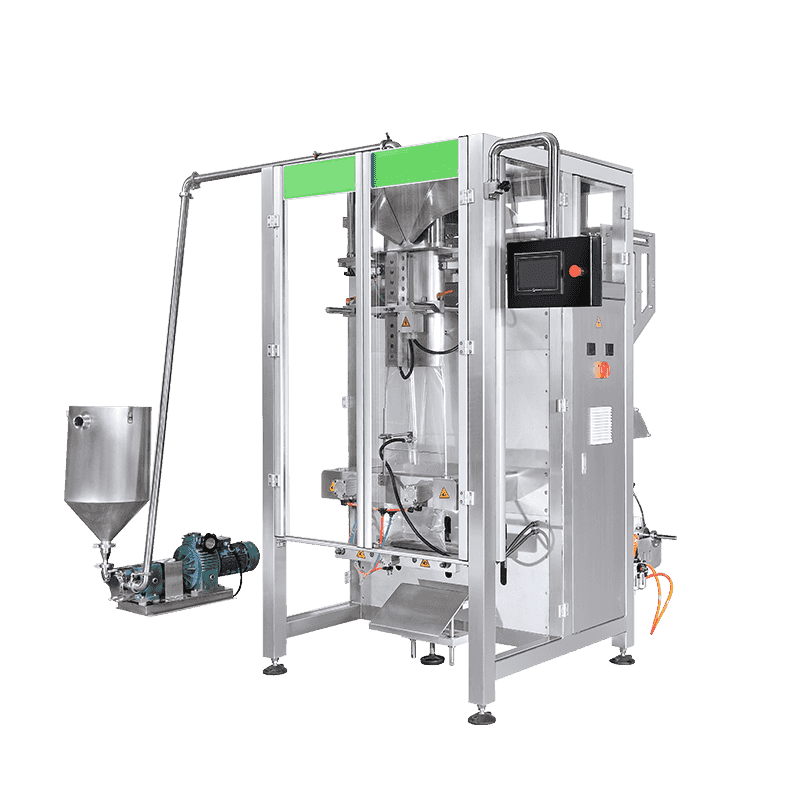
Vertical form fill seal machines for powder packaging integrate the bag forming, powder filling, and bag sealing operations into a single continuous machine. A roll of flat packaging film is unwound, formed into a tube over a forming collar, longitudinally sealed to create the bag body, cross-sealed at the bottom to close the bag base, filled with a measured dose of powder from an auger or weigh filler above, and then cross-sealed at the top and cut to separate the finished bag from the next cycle. This integrated process can produce finished, sealed powder pouches at speeds of 20–120 bags per minute depending on the bag size, powder type, and machine configuration.
VFFS powder packaging machines are the dominant format for consumer packaged goods applications — coffee, protein supplements, baking mixes, detergent powders, and spice blends — because they offer excellent production speed, flexible bag size adjustment via film roll changes and forming collar swaps, and compatibility with a wide range of packaging film structures including laminated foil, polyethylene, kraft paper laminates, and compostable films. Modern VFFS machines for powder applications include integrated nitrogen flushing, anti-static systems, and dust extraction to handle challenging powder behaviors and extend packed product shelf life.
Multihead Weigher Powder Packaging Systems
Multihead combination weighers, more commonly associated with snack food and frozen vegetable packaging, are also applied to free-flowing granular powder products where high speed and exceptional weight accuracy are both required. A multihead weigher system uses 10–32 individual weighing heads arranged in a radial pattern, each containing a small pool of product. The machine's controller continuously calculates which combination of heads is closest to the target weight and simultaneously releases those heads to discharge into the package below. This combinational weighing approach achieves fill accuracies of ±0.1–0.3% at speeds of 60–200 packages per minute — performance that gravimetric or auger filling systems cannot match at equivalent speeds for suitable powder types.
Cup and Rotary Filling Machines
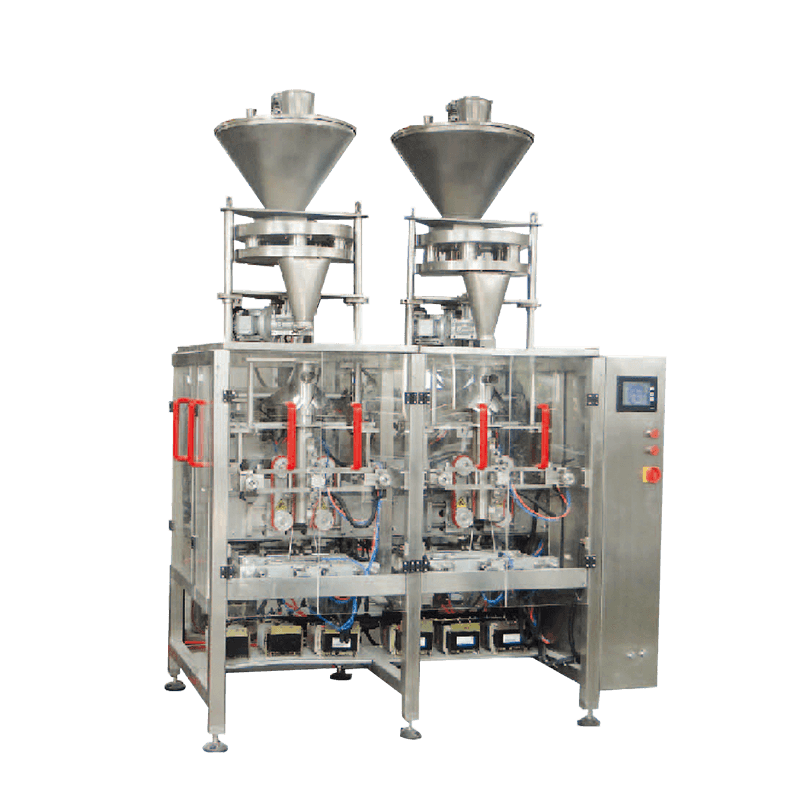
Cup filling machines dispense powder volumetrically using fixed-volume cups or cavities that are filled from a hopper and then inverted or scraped to deposit the powder into the container below. Rotary cup fillers operate as a continuous carousel of cups, each filling as it passes under the hopper and discharging as it passes over the fill station. These machines are simple, robust, and cost-effective for high-speed filling of relatively consistent, free-flowing powders where volumetric accuracy is acceptable — such as sugar, salt, coffee, and granulated food ingredients. However, because fill weight depends on powder bulk density — which varies with temperature, humidity, and compaction state — cup fillers require frequent weight checks and adjustment to maintain compliance with net weight regulations.
Sachet and Stick Pack Powder Packaging Machines
Sachet packaging machines and stick pack machines are specialized powder packaging formats producing small, single-serve or unit-dose packages from continuous film rolls. Sachet machines produce pillow or three-side-seal pouches typically containing 1–50g of powder — common for sugar sachets, instant coffee, pharmaceutical powders, and cosmetic samples. Stick pack machines produce narrow, elongated tube-shaped packages that are easy to tear open and pour — popular for instant drink mixes, nutraceutical powders, and single-serve seasoning blends. Both formats are filled using auger, volumetric pump, or miniature weigher systems and run at high speeds of 60–300 packages per minute on multi-lane machines.
Key Specifications to Compare When Selecting a Powder Filling Machine
The technical specifications of a powder packaging machine must be matched carefully to the characteristics of the powder being packaged, the required package format, the production throughput demand, and the applicable regulatory requirements. The following table summarizes the most critical parameters to evaluate and compare during equipment selection.
| Specification |
Why It Matters |
Typical Range / Benchmark |
| Fill Weight Range |
Determines package size flexibility and product range coverage |
1g–5kg depending on machine type |
| Fill Accuracy (±%) |
Directly affects product giveaway, compliance, and consumer trust |
±0.5–2% volumetric; ±0.1–0.5% gravimetric |
| Production Speed |
Must meet current and projected output requirements |
10–300+ packages per minute |
| Package Format Compatibility |
Bags, sachets, bottles, cans, jars — flexibility reduces equipment investment |
Single or multi-format depending on model |
| Auger / Metering System Size Range |
Determines range of fill weights achievable without major changeover |
Multiple auger diameters available (16mm–120mm typical) |
| Dust Control / Extraction |
Critical for operator safety, machine hygiene, and explosive powder handling |
Integrated dust extraction; enclosed filling zones |
| Changeover Time |
Affects production flexibility and OEE on multi-SKU lines |
15 min–2 hours depending on design |
| Cleanability (CIP/WIP) |
Essential for food, pharma, and allergen-containing powder applications |
Toolless disassembly; washdown-rated IP65/IP67 |
| Control System |
Determines ease of operation, recipe management, and data traceability |
PLC with HMI touchscreen; 21 CFR Part 11 for pharma |
| Construction Standard |
Food-grade, pharmaceutical GMP, or industrial depending on application |
304 or 316L SS for food/pharma; carbon steel for industrial |
How Powder Characteristics Influence Machine Selection
Powder behavior is arguably the most critical — and most frequently underestimated — factor in powder packaging machine selection. Two powders with the same target fill weight can behave entirely differently in the same machine, requiring different metering systems, hopper configurations, and fill strategies. Characterizing your powder thoroughly before specifying equipment prevents costly mismatches between machine design and product behavior.
Bulk Density and Flow Index
Bulk density — the mass of powder per unit volume including interparticle void space — directly affects the relationship between volume dispensed and weight delivered, and therefore the accuracy of volumetric filling systems. Powders with variable bulk density due to aeration, compaction, or temperature changes produce inconsistent fill weights on volumetric machines unless bulk density is stabilized through deaeration or consistent product conditioning. The Carr Index and Hausner Ratio, calculated from tapped and untapped bulk density measurements, provide a standardized flowability classification: a Carr Index above 25% indicates poor flow that will require positive mechanical conveyance (auger) rather than gravity-fed filling.
Particle Size and Cohesiveness
Fine powders with mean particle sizes below approximately 100 microns — such as icing sugar, pharmaceutical APIs, titanium dioxide, and talc — exhibit strong interparticle cohesive forces (van der Waals, electrostatic, and capillary) that cause bridging in hopper outlets, rat-holing in storage bins, and inconsistent discharge from gravity-fed systems. These powders require agitator-equipped hoppers, vibration-assisted discharge, or mechanically forced feeding via auger or screw conveyors to maintain consistent flow into the metering system. Coarse, free-flowing powders — granulated sugar, salt, dried milk granules — flow readily by gravity and can be handled by simpler cup or rotary valve filling systems at lower cost.
Hygroscopicity and Moisture Sensitivity
Hygroscopic powders — those that absorb moisture from ambient air — present significant challenges in packaging environments. Moisture uptake causes clumping, changes in flow behavior, reduced fill accuracy, and in some cases, chemical degradation of the product. Coffee, instant milk powder, vitamin C, and many pharmaceutical excipients fall into this category. Powder packaging machines handling hygroscopic materials should feature enclosed, sealed hopper systems, optional nitrogen blanketing or dry air purging to maintain low relative humidity in the product contact zone, and rapid changeover capability to minimize product exposure time before sealing. The packaging line should be located in a humidity-controlled production area whenever possible.
Explosibility and Dust Hazard Classification
Many organic and metallic powders — including flour, sugar, starch, coffee, milk powder, and fine chemical powders — form explosive dust clouds when dispersed in air at sufficient concentrations. Before selecting a powder packaging machine for any powder that generates airborne dust, a dust hazard analysis (DHA) must be conducted to determine the powder's Kst value (deflagration index) and its explosion class (St1, St2, or St3). Machines handling St1 or higher powders in enclosed zones must be specified with ATEX-rated electrical components, explosion-proof motors, grounding and bonding systems, and integrated dust extraction connected to compliant dust collection equipment. Failure to address powder explosibility in machine specification creates severe safety risk and regulatory liability.
Industry-Specific Requirements for Powder Packaging Equipment
Beyond the fundamental technical requirements driven by powder characteristics and package format, powder packaging machines must meet industry-specific standards that govern hygiene, material traceability, operator safety, and documentation. These requirements vary significantly by sector and must be verified with the machine supplier before purchase.
Food and Nutraceutical Powder Packaging
Powder packaging machines for food applications must be constructed from food-grade materials — 304 or 316L stainless steel for all product contact surfaces, food-safe lubricants in all bearings and gearboxes, and FDA-compliant elastomers and seals. Equipment must be designed to facilitate thorough cleaning between product changeovers, with no dead zones, crevices, or hollow structural members that trap product and harbor bacterial growth. Compliance with FSMA, EU Regulation 1935/2004, and EHEDG hygienic design guidelines is increasingly required by food manufacturers and their retail customers. For nutraceuticals and dietary supplements, GMP compliance per 21 CFR Part 111 applies, requiring documented equipment qualification, cleaning validation, and fill weight verification procedures.
Pharmaceutical Powder Packaging
Pharmaceutical powder packaging machines operate under the most stringent regulatory requirements of any sector. All product contact materials must be documented and compliant with pharmacopoeial standards. Equipment must be qualified through IQ (Installation Qualification), OQ (Operational Qualification), and PQ (Performance Qualification) protocols, with documented evidence that the machine consistently performs within validated parameters. Electronic batch records, audit trail functionality, and user access control in the machine's control system must comply with FDA 21 CFR Part 11 for electronic records. For high-potency APIs and cytotoxic compounds, fully contained filling systems with integrated isolators or restricted access barrier systems (RABS) are required to protect operators from product exposure.
Chemical and Industrial Powder Packaging
Industrial powder packaging machines for chemical products — fertilizers, detergents, construction chemicals, pigments, and technical powders — are typically built to more robust industrial standards rather than hygienic food or pharmaceutical specifications, but must address aggressive powder chemistry, abrasion, and dust explosion risk. Stainless or carbon steel construction with appropriate corrosion protection, heavy-duty auger drives capable of handling abrasive or dense powders, and ATEX certification where applicable are the primary requirements. High fill weight capacity — often 500g to 25kg or more per package — and integration with pallet-level logistics systems including checkweighers, label applicators, and pallet wrapping machines are standard requirements for industrial powder packaging lines.
Integrating Powder Packaging Machines Into a Complete Packaging Line
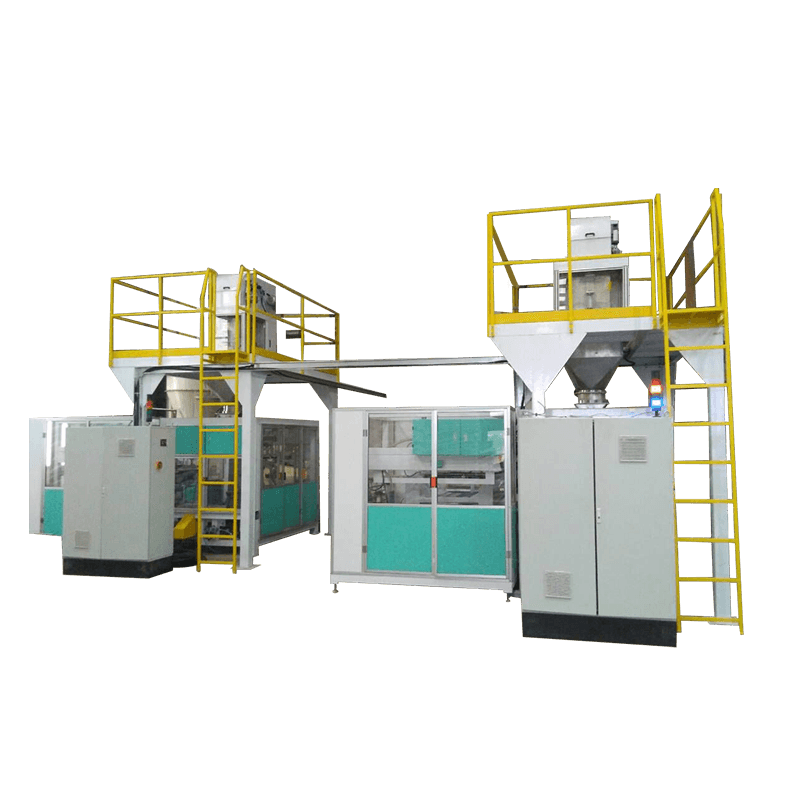
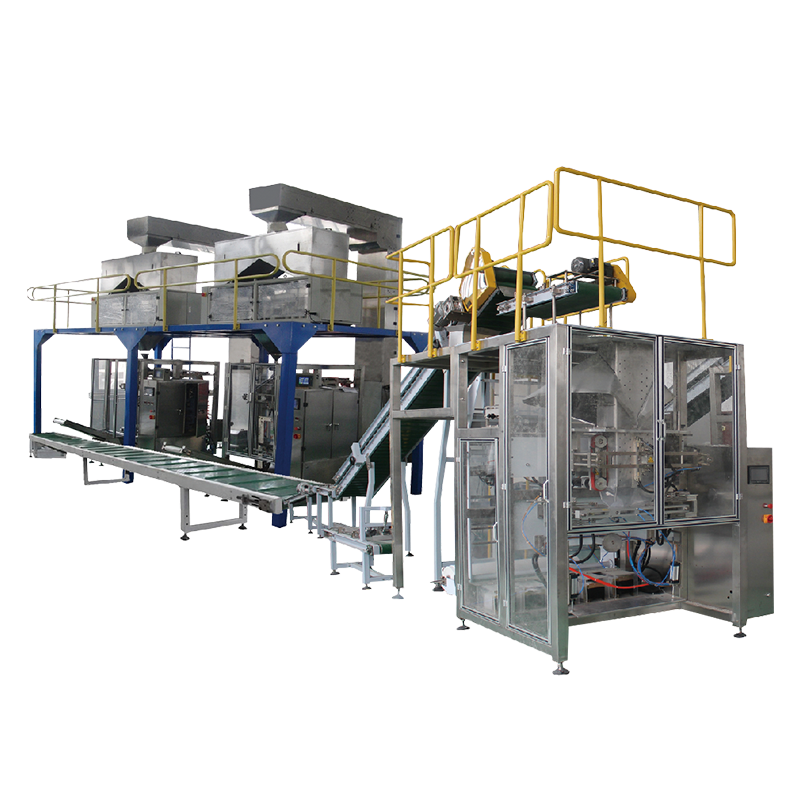
A powder filling machine rarely operates in isolation — it is one component within an integrated packaging line that includes upstream powder handling and feeding equipment, the filling and sealing machine itself, and downstream quality assurance and logistics equipment. Designing the complete line correctly is as important as selecting the right filling machine.
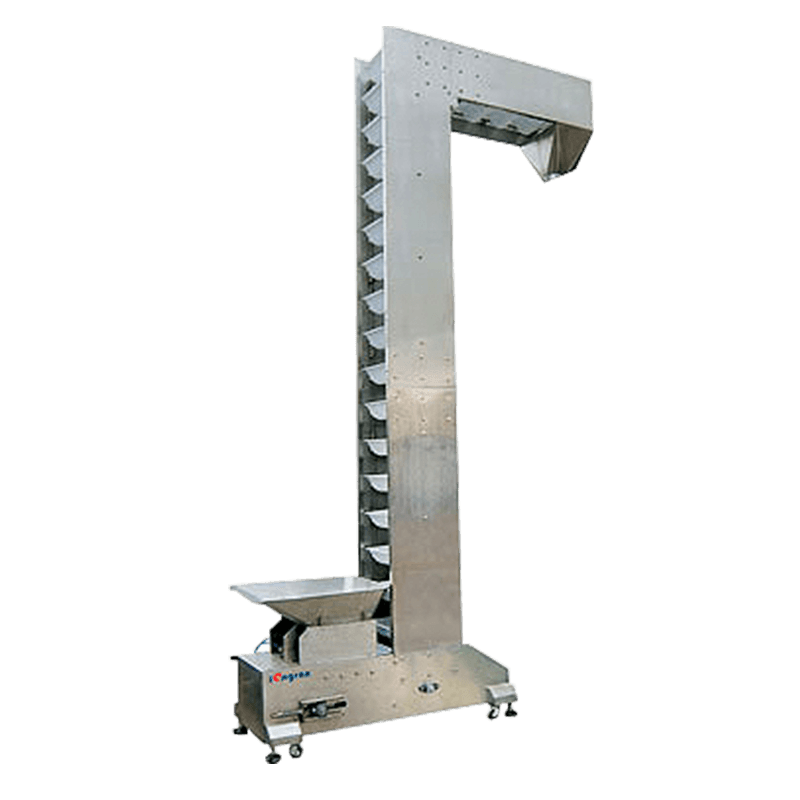
- Upstream Powder Handling: Bulk powder storage silos, big bag discharging stations, or drum tipping systems feed powder to the packaging machine hopper via pneumatic conveying, screw conveyors, or flexible screw conveyors. The upstream handling system must maintain consistent powder condition — avoiding aeration, compaction, or segregation — to ensure uniform fill weight performance at the filling machine. Intermediate storage hoppers with level sensors and controlled refill systems prevent the filling machine hopper from running empty or overfilling, both of which cause fill weight deviation.
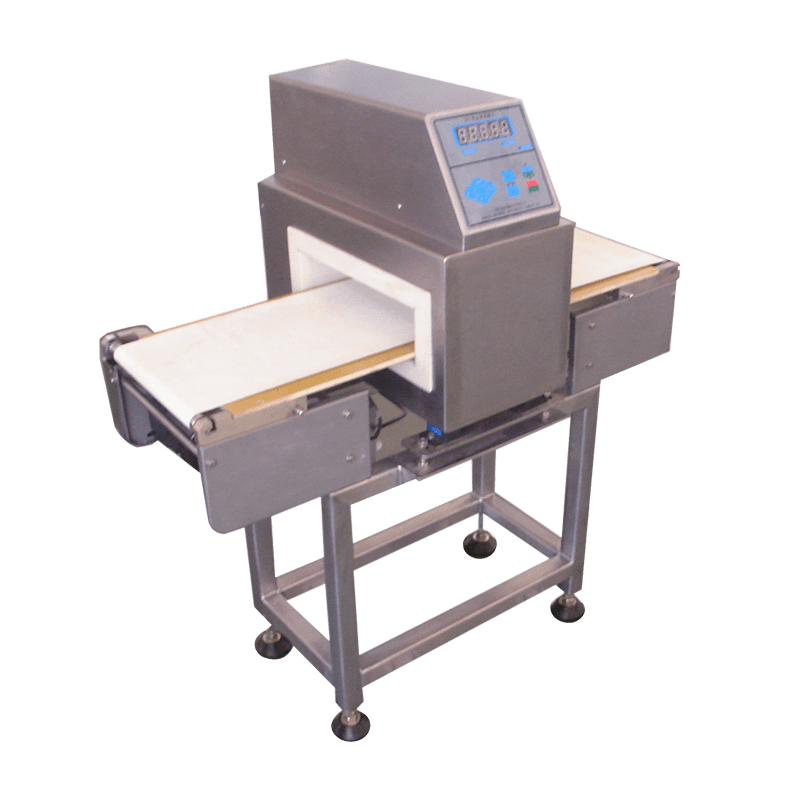
- Metal Detection and Foreign Body Rejection: Inline metal detectors — and in some applications, X-ray inspection systems — should be positioned immediately after the filling machine to detect and reject any packages containing metal fragments, glass, stone, or dense foreign material introduced during production. Metal detection is a mandatory critical control point in most food safety HACCP plans and is increasingly required in pharmaceutical and nutraceutical GMP environments as well.
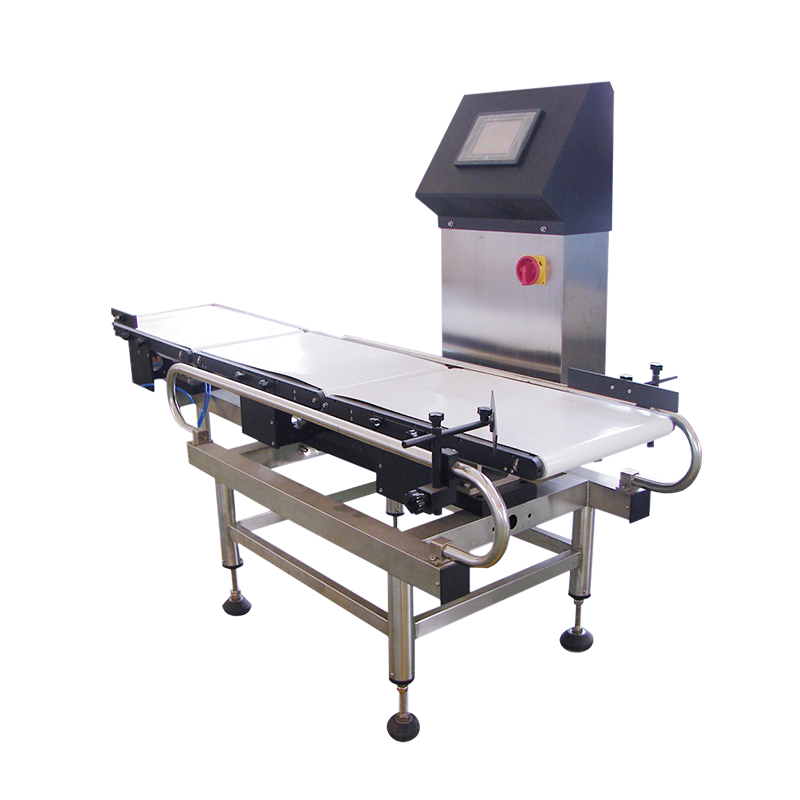
- Checkweigher Integration: A dynamic checkweigher downstream of the filler verifies that every filled package falls within the declared net weight tolerance, automatically rejecting underweight and overweight packages. Statistical process control (SPC) data from the checkweigher feeds back to the filler controller to enable automatic fill weight correction in real time — a closed-loop control system that maintains fill accuracy over production runs without manual intervention.
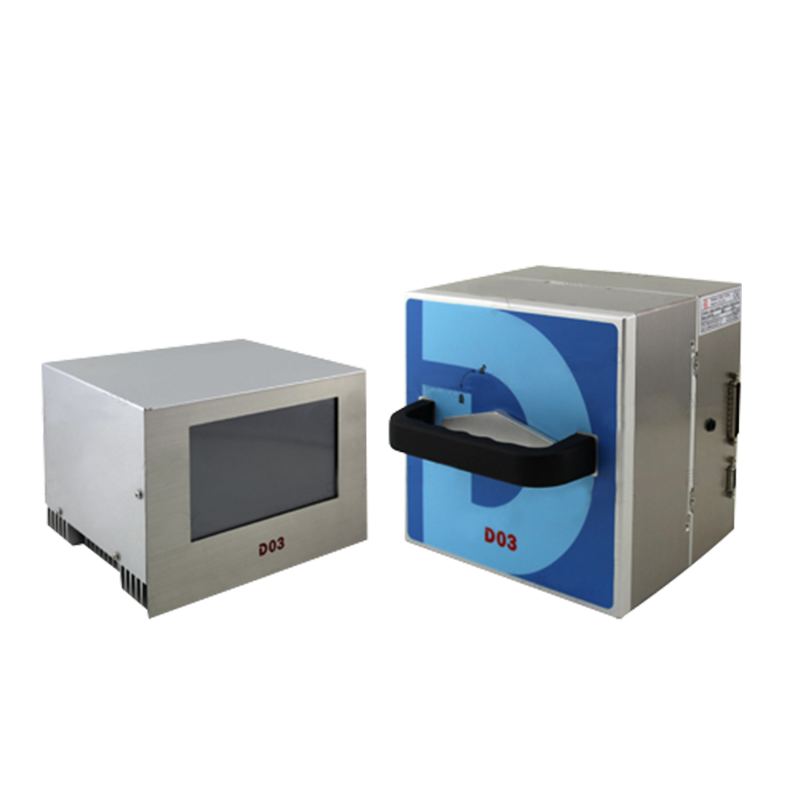
- Coding and Labeling: Date coding, batch number printing, and barcode or QR code application are applied inline by inkjet, thermal transfer, or laser coding systems integrated with the packaging line PLC. Correct, legible coding on every package is a regulatory requirement in food, pharmaceutical, and chemical markets, and the coding system must be verified and included in the machine's IQ/OQ documentation for regulated industries.
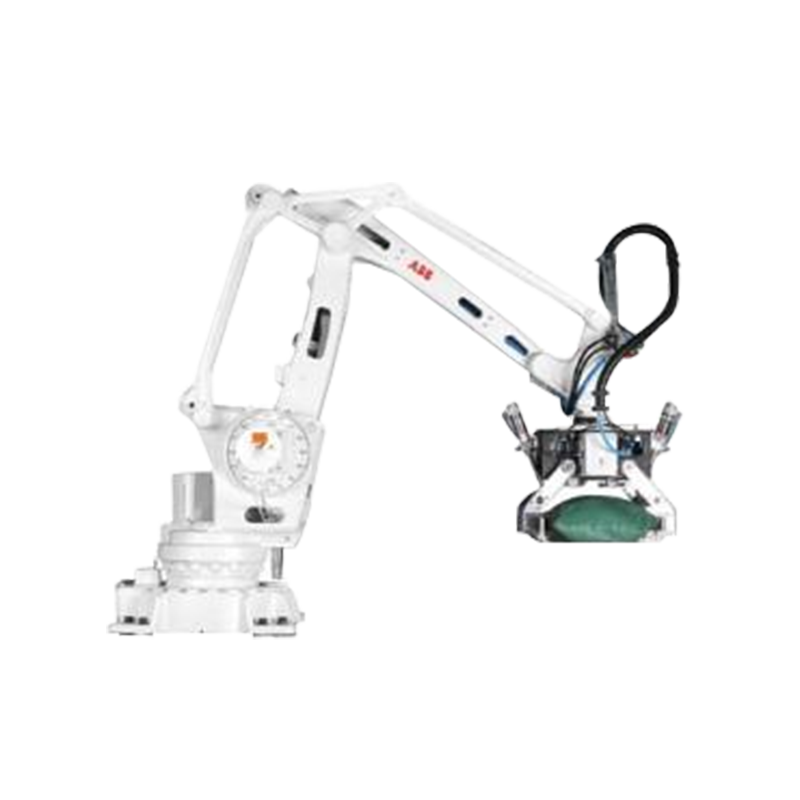
- Secondary and Tertiary Packaging: Filled and sealed primary powder packages are conveyed to cartoning, case packing, and palletizing systems for secondary and tertiary packaging. Automated robotic case packers and pallet stackers maximize throughput and minimize manual handling, reducing ergonomic injury risk from lifting heavy powder packages. Integration of all line components under a single SCADA or MES platform enables centralized production monitoring, OEE tracking, and batch documentation across the complete line.
Maintenance Best Practices to Maximize Powder Packaging Machine Uptime
Powder packaging machines operate in demanding conditions — abrasive powders, dust-laden atmospheres, frequent cleaning cycles, and high-speed mechanical operation — that accelerate wear on critical components. A structured preventive maintenance program is essential to sustaining fill accuracy, production speed, and equipment longevity.
Daily and Shift-End Maintenance Tasks
At the end of each production shift or product changeover, operators should clean all product contact surfaces thoroughly to prevent cross-contamination and powder build-up that can harden and affect fill accuracy or hygiene. Inspect auger flights and fill cones for wear, damage, or product build-up that could affect dispensing consistency. Check all seals, O-rings, and gaskets in the powder contact zone for integrity. Verify that dust extraction systems are operating correctly and that filter bags or cartridges are not blocked — restricted dust extraction causes powder to escape into the machine interior and ambient environment, creating both hygiene and safety risks.
Scheduled Preventive Maintenance Intervals
- Weekly: Lubricate auger drive bearings per the manufacturer's schedule using food-grade grease where applicable. Check and adjust horizontal and vertical sealing jaw alignment and temperature on VFFS machines. Inspect film tracking and tension on form-fill-seal machines. Verify PLC battery backup status and back up current recipe files.
- Monthly: Calibrate load cells and weigh systems against certified reference weights. Inspect and clean hopper agitator and vibrator mechanisms. Check all pneumatic cylinder seals and air filter-regulator-lubricator (FRL) units. Inspect conveyor belts and drive chains for wear and tension. Clean and inspect all electrical cabinets and control panels for dust accumulation and connection integrity.
- Annually: Replace auger drive gearbox oil. Perform full calibration and certification of all weighing and measurement systems. Inspect and replace worn sealing elements, cutting blades, and film drive rollers on VFFS machines. Conduct a full safety audit including guarding integrity, emergency stop function, and ATEX component inspection where applicable. Review and update the machine's preventive maintenance schedule based on actual wear patterns observed over the year.
Fill Weight Monitoring and Statistical Process Control
Maintaining fill weight accuracy over production runs requires systematic monitoring beyond the automatic checkweigher rejection system. Operators should perform manual weight checks at defined intervals — typically every 30–60 minutes on regulated lines — using a calibrated bench scale, and record results in a process control chart. Trends showing gradual drift toward under or overfill indicate developing issues such as auger wear, powder bulk density change, or hopper level variation that can be corrected proactively before rejection rates increase. SPC analysis of checkweigher data streams provides real-time process capability metrics (Cpk) that quantify fill accuracy performance and highlight when process adjustment is required.
Cost Considerations and ROI When Investing in a Powder Packaging Machine
The capital investment in a powder packaging machine ranges enormously — from under $10,000 for a basic semi-automatic auger filler to $500,000 or more for a fully integrated high-speed pharmaceutical powder packaging line with isolation and containment systems. Evaluating the return on investment requires a total cost of ownership analysis that goes well beyond the initial purchase price.
- Product Giveaway Reduction: Improving fill accuracy from ±3% (manual or cup filling) to ±0.5% (gravimetric auger filler) on a 500g product at $10/kg production cost and 1 million units per year reduces product giveaway cost by approximately $12,500 annually — a recurring saving that contributes directly to ROI calculation and often justifies the incremental cost of a gravimetric versus volumetric system.
- Labor Savings: Automating a manual or semi-automatic powder filling operation with a fully automatic machine typically reduces direct labor requirements by 2–4 operators per shift. At fully loaded labor costs of $30,000–$60,000 per operator per year including benefits, the labor saving component of ROI alone can justify the machine investment within 1–3 years for medium-volume operations.
- Packaging Material Efficiency: Modern VFFS powder packaging machines with servo-driven film drives and electronic registration control minimize film waste from seal jaw misalignment, registration errors, and startup scrap — typically reducing film waste by 3–8% compared to older mechanical cam-driven machines, with material savings that contribute meaningfully to operating cost on high-volume lines.
- Total Cost of Ownership: Include spare parts inventory investment, annual maintenance labor, consumables (sealing elements, augers, filter cartridges), energy consumption, and training costs in the TCO analysis. A higher-specification machine from a reputable manufacturer with strong local service support often delivers lower TCO than a lower-priced machine with limited spare parts availability and poor technical support — factors that become painfully apparent during unplanned breakdowns on a high-volume production line.


 English
 Español
 عربى
عربى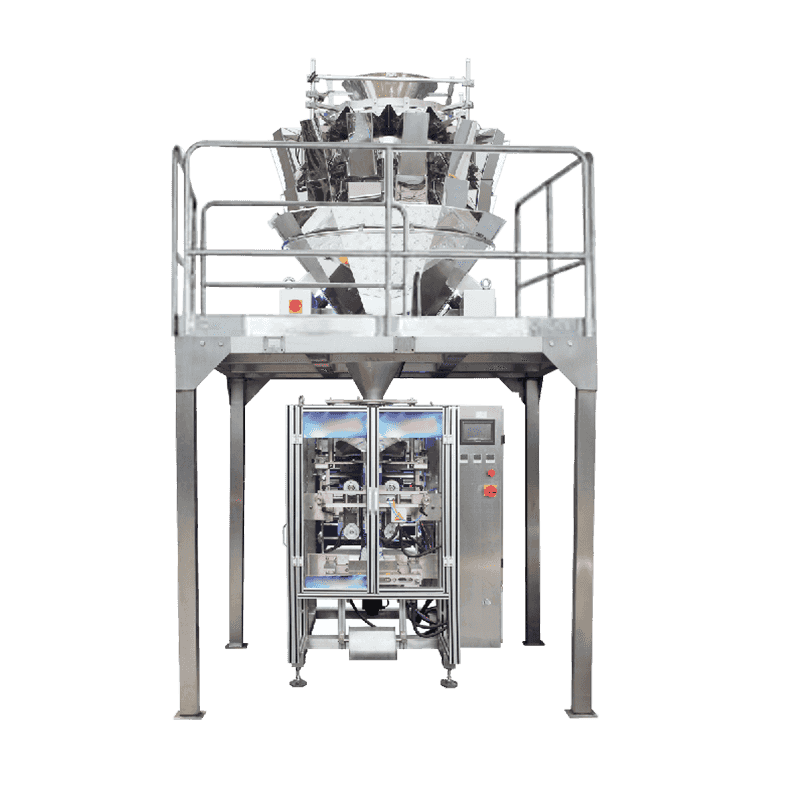



Contact Us