Understanding the Core Mechanisms of Auger and Volumetric Filling
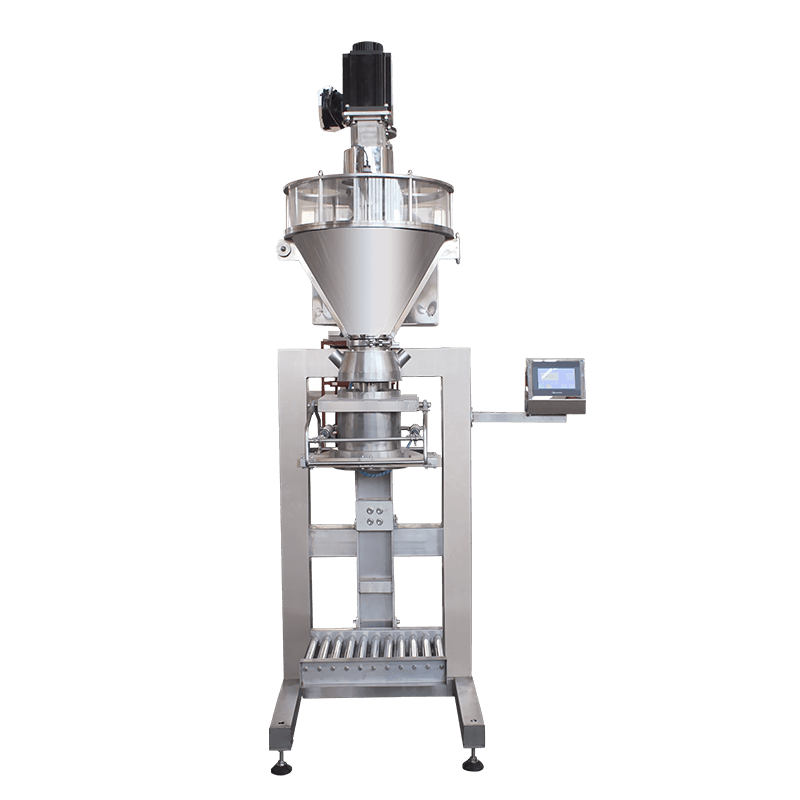
The efficiency of an automatic powder filling machine is primarily dictated by its dosing mechanism. For most fine powders, such as flour, milk powder, or chemical additives, the auger filler is the industry standard. This system utilizes a vertical screw that rotates to move a specific volume of product into the container. The precision of an auger filler depends on the consistency of the screw’s rotation and the density of the powder. Conversely, volumetric cup fillers are often employed for free-flowing, granular powders where the material is measured by volume in a pre-sized cavity before being discharged.
Modern machines integrate servo-motor technology to drive these mechanisms, allowing for micro-adjustments that traditional mechanical drives cannot achieve. This level of control is essential for high-value products where even a 1% overfill can lead to significant financial loss over a long production run. Furthermore, the integration of agitation blades within the hopper ensures that the powder remains "conditioned," preventing bridging or rat-holing that could lead to inconsistent fills.
Key Components of a High-Speed Powder Packaging System
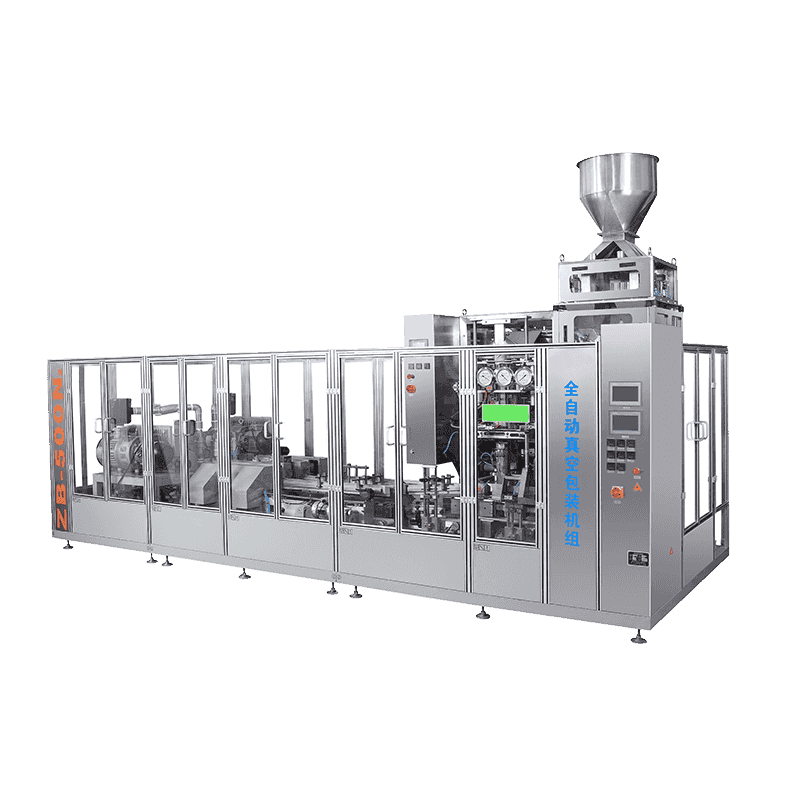
A fully integrated automatic powder filling machine consists of several synchronized components designed to maintain a seamless flow from bulk storage to the final sealed container. Understanding these components helps operators troubleshoot issues and optimize throughput.
- Bulk Hopper and Level Sensors: These maintain a consistent head pressure of material, which is vital for dosing accuracy.
- Conveyor and Indexing System: Star wheels or timing screws ensure that containers are perfectly centered under the filling nozzle.
- Dust Extraction Shrouds: Essential for maintaining a clean environment and preventing powder from interfering with the container sealing process.
- PLC Control Interface: A centralized HMI where operators can store recipes for different products and container sizes.
Technical Specifications and Selection Criteria
When selecting an automatic powder filling machine, the technical specifications must align with the physical properties of your product. Factors such as bulk density, flowability (angle of repose), and particle size distribution will determine the necessary machine configuration. Below is a comparison of typical machine configurations based on production needs:
| Feature |
Single-Head Auger |
Multi-Head Rotary |
| Filling Speed |
20 - 50 BPM |
80 - 200+ BPM |
| Accuracy Range |
± 0.3% to 1% |
± 0.2% to 0.5% |
| Common Use Case |
Boutique/Small Scale |
Industrial/High Volume |
| Changeover Time |
15 - 20 Minutes |
30 - 60 Minutes |
Advanced Features for Quality Control and Compliance
Check-Weighing Feedback Loops
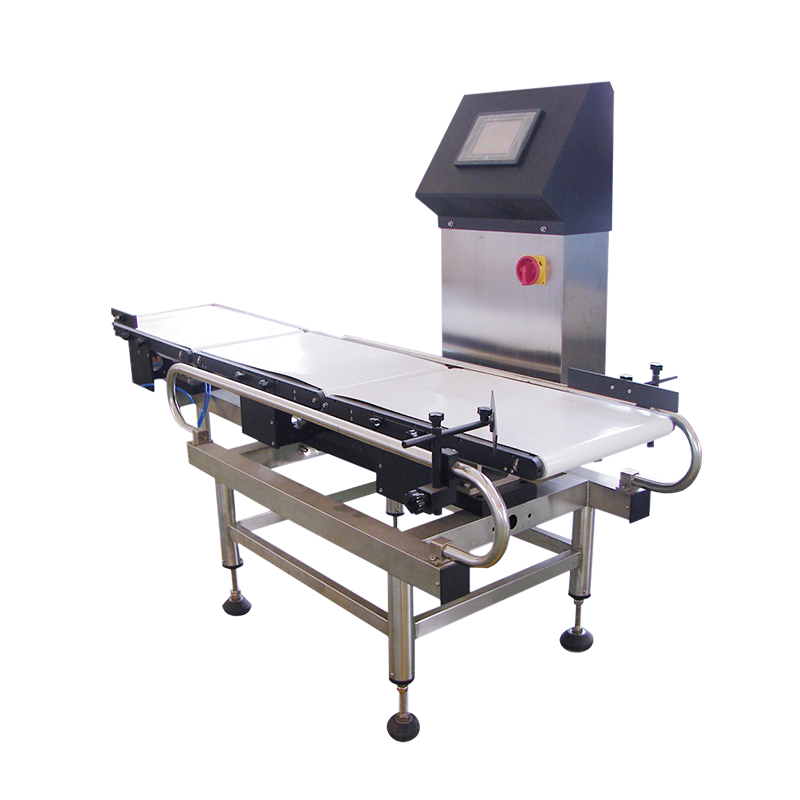
Modern automatic systems often feature a "gross-tare-net" weighing sequence. A check-weigher located immediately after the filling station sends real-time data back to the PLC. If the machine detects a trend toward underfilling or overfilling due to changes in powder density, the auger automatically adjusts its rotation count for the next cycle. This closed-loop system is vital for meeting strict pharmaceutical and food safety regulations.
Dust Management and Clean-in-Place (CIP)
Airborne dust is a significant challenge in powder filling, posing health risks and potential explosion hazards (ATEX compliance). High-end machines utilize vacuum-assisted filling heads and "bottom-up" filling techniques, where the container is raised to the nozzle and lowered during the fill to minimize the distance the powder falls. Additionally, many machines now feature tool-less disassembly or CIP systems to facilitate rapid cleaning and prevent cross-contamination between different product batches.
Maximizing Machine Longevity and Operational Efficiency
To ensure the long-term ROI of an automatic powder filling machine, a proactive maintenance schedule is required. Powders are inherently abrasive; over time, the friction between the auger screw and the funnel can cause wear that affects dosing precision. Regular calibration of load cells and inspection of seals prevent mechanical drift and product leakage.
- Daily: Clean the filling head and check for any buildup in the dust extraction ports.
- Weekly: Inspect drive belts and lubricate moving parts according to the manufacturer's manual.
- Monthly: Conduct a deep calibration of the weight sensors and verify PLC software updates.


 English
 Español
 عربى
عربى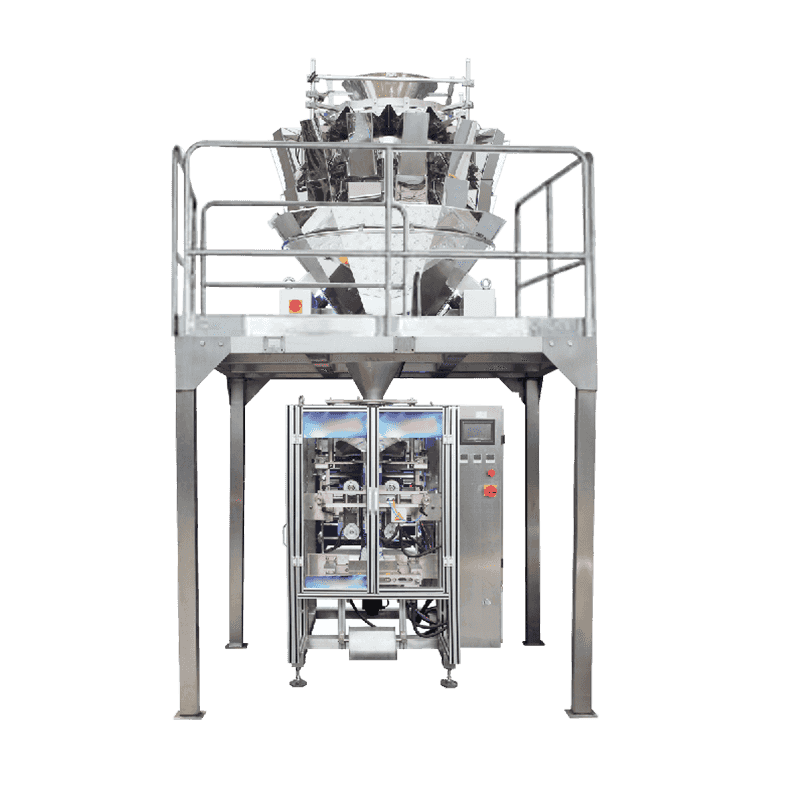



Contact Us