Core Working Principles of Powder Packaging Systems
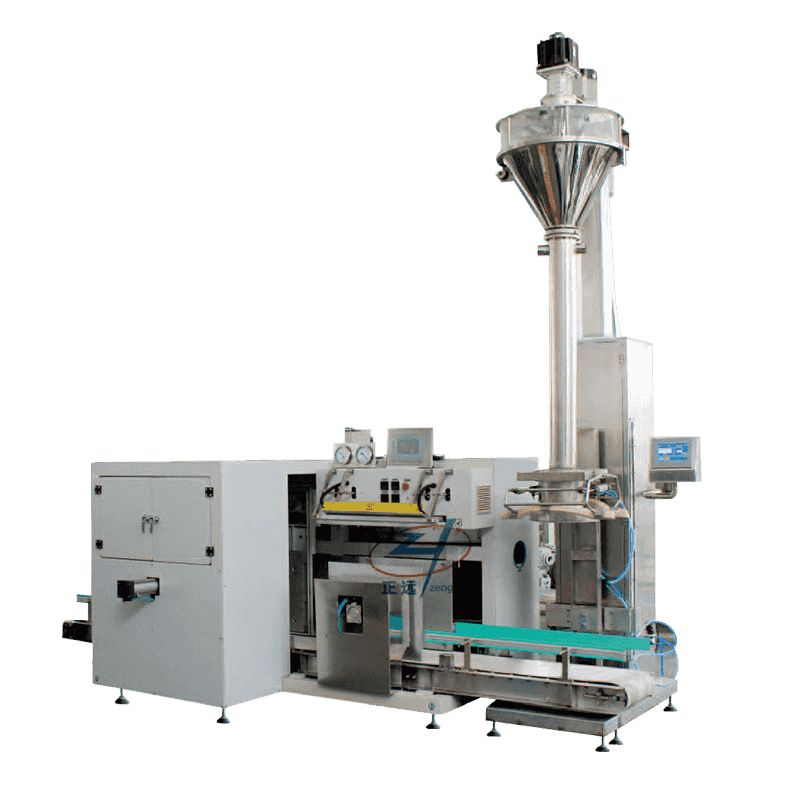
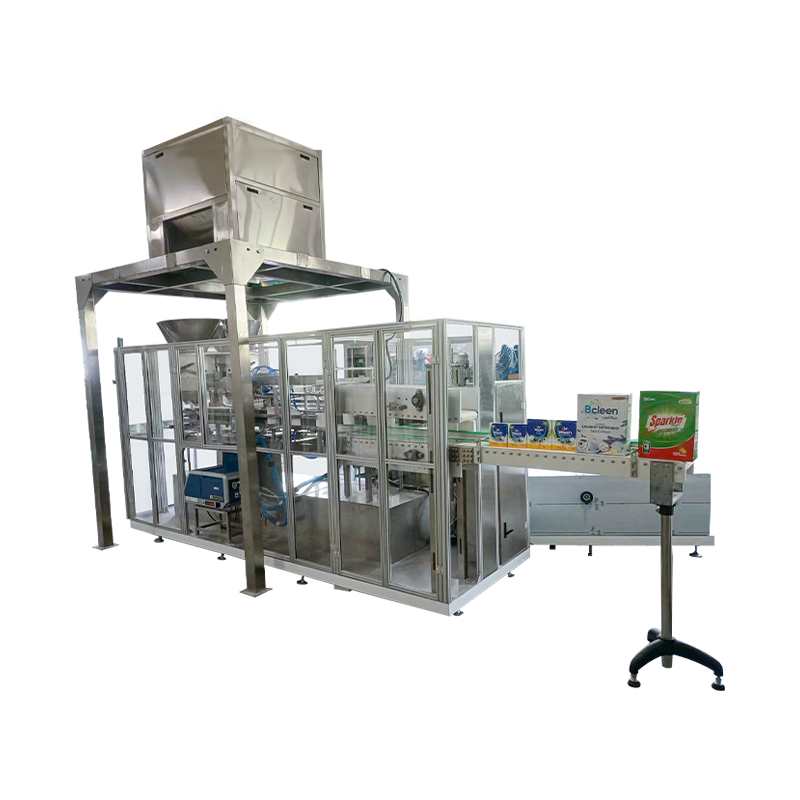
The fundamental objective of a powder packaging machine is to convert bulk materials into precise, sealed units with minimal product waste. These machines operate through a synchronized process of feeding, measuring, bag forming, and sealing. Because powders vary significantly in flowability—ranging from free-flowing granules like salt to non-free-flowing cohesive powders like flour—the mechanism for measurement is critical. Most industrial systems utilize an auger filler, which employs a vertical screw to displace a specific volume of product into the packaging material, ensuring high accuracy even with dusty or fine materials.
Automation plays a central role in modern systems, where PLC (Programmable Logic Controller) units manage the timing of the film pull and the temperature of the sealing bars. This ensures that the integrity of the package remains consistent across thousands of cycles. By integrating sensors, these machines can detect "no bag, no fill" scenarios, which significantly reduces material loss and prevents machine downtime caused by product spillage.
Selecting the Right Dosing Mechanism
Auger Filling Systems
Auger fillers are the industry standard for fine powders. They consist of a hopper, a stirring bar to prevent "bridging," and a precision-engineered screw. The volume of the powder delivered is determined by the number of rotations the screw completes. This method is ideal for products that are prone to creating dust, as the closed system keeps the powder contained.
Volumetric Cup Fillers
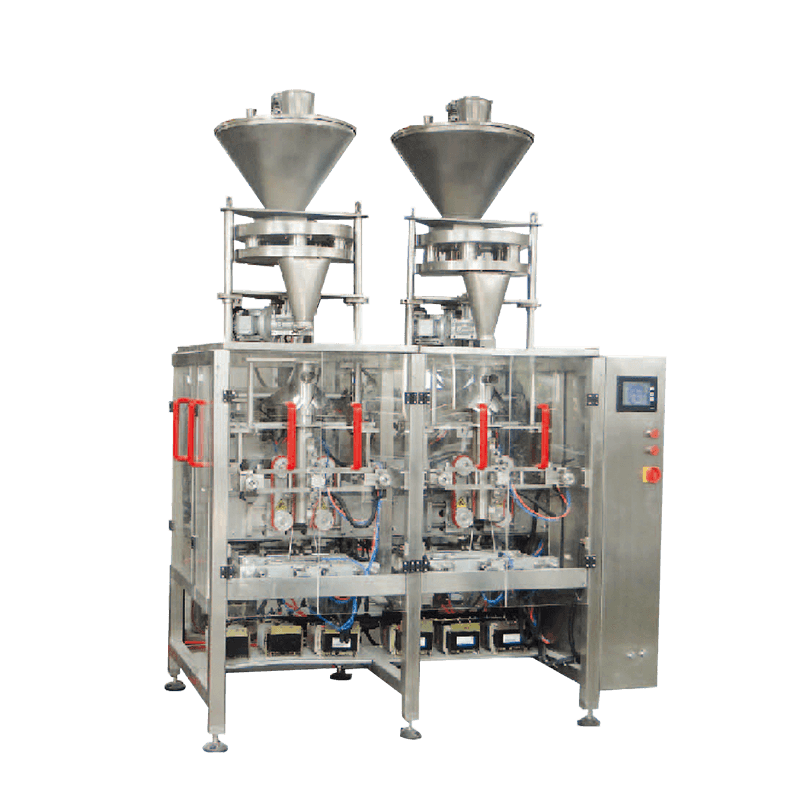
For free-flowing powders such as sugar or chemical detergents, volumetric cup fillers offer a cost-effective and high-speed alternative. These machines use pre-measured cups that fill as they pass under the hopper and then discharge into the packaging. While less precise for varied densities, they are exceptionally fast for uniform products.
Comparison of Common Powder Packaging Formats
The choice of packaging format influences both consumer convenience and the mechanical requirements of the machine. Below is a comparison of the most common bag styles produced by powder packaging equipment:
| Bag Type |
Best Use Case |
Machine Complexity |
| Pillow Bag |
Bulk flours, spices, detergents |
Low |
| Gusseted Bag |
Coffee, large volume powders |
Medium |
| Sachet / Stick Pack |
Single-serve drinks, pharmaceuticals |
High |
| Premade Pouch |
Premium protein powders |
Moderate (Rotary) |
Critical Technical Features for Operational Success
When evaluating a powder packaging machine, certain technical specifications dictate the long-term ROI and maintenance requirements. A high-quality machine should balance speed with the delicate nature of the product being handled.
- Dust Extraction Systems: Fine powders can settle on the sealing area, preventing a proper hermetic seal. Integrated dust collectors or vacuum nozzles are essential for maintaining seal integrity.
- Stainless Steel Construction: For food and pharmaceutical applications, SS304 or SS316L grades are necessary to meet hygiene standards and resist corrosion during cleaning.
- Tool-less Changeover: Modern machines allow operators to change the forming tube or the auger screw without heavy tools, reducing downtime between different product runs.
- Gas Flushing Capabilities: For products sensitive to oxidation (like whole milk powder), injecting nitrogen into the bag before sealing extends shelf life significantly.
Maintenance and Longevity Protocols
The longevity of a powder packaging machine depends heavily on a strict maintenance schedule. Because powders are inherently abrasive and invasive, they can penetrate mechanical bearings or interfere with electrical components if not managed properly. Daily cleaning of the hopper and discharge nozzle prevents cross-contamination and ensures that the dosing accuracy remains within the specified tolerances.
Furthermore, the sealing jaws must be inspected regularly for "carbonization"—the buildup of burnt plastic or product residue. Utilizing Teflon-coated sealing bars can mitigate this, but routine wiping and replacement of the heating elements are required to avoid cold seals or bag leaks. Implementing a digital maintenance log through the machine's HMI can help operators track service intervals for motor lubrication and belt tensioning.


 English
 Español
 عربى
عربى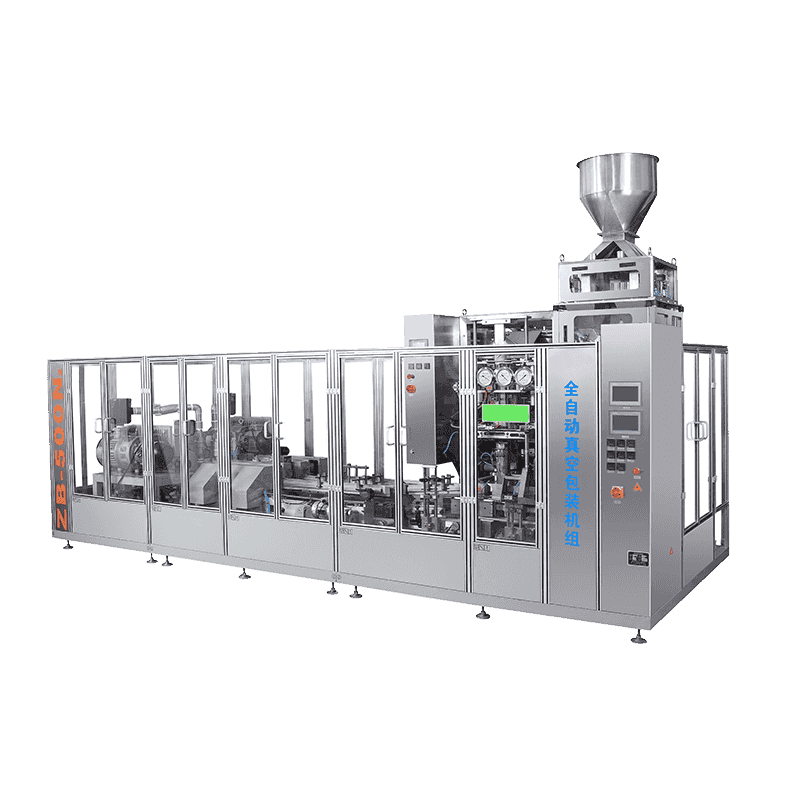



Contact Us