What Is a Valve Bag Filling Machine and Why Does It Matter?
A valve bag filling machine — also called a valve bag packer or valve bag filler — is industrial equipment designed to fill pre-formed bags that seal themselves through a self-closing valve rather than requiring an open top to be folded and stitched shut. The valve is a short sleeve built into one corner of the bag. During filling, the machine inserts a spout into this sleeve and discharges a measured quantity of product. When the spout withdraws, the internal pressure of the filled bag forces the valve closed, creating a near-airtight seal without any additional sealing step.
This design makes valve bag filling machines the dominant packaging solution for dry bulk powders and granules across a wide range of industries. Cement, sand, gypsum, fertilizer, flour, milk powder, carbon black, starch, and plastic pellets are all routinely packed in valve bags using this type of equipment. The closed filling process keeps dust contained, protects the product from moisture and contamination during filling, and produces a neat, dense bag that stacks efficiently on pallets — a significant logistical advantage over open-mouth bags.
Choosing the right valve bag filling machine directly affects packaging line throughput, fill-weight accuracy, product waste, operator safety, and the overall cost-per-bag. A machine that is poorly matched to the product's bulk density, particle size, or flow characteristics will produce inconsistent fills, generate excessive dust, and require constant intervention. Getting this decision right from the outset is far more economical than retrofitting equipment after installation.
How a Valve Bag Filling Machine Works
Understanding the filling cycle helps you evaluate whether a given machine design is suited to your product and production requirements. Although specific mechanisms vary between machine types, the core sequence of a valve bag packing machine follows the same fundamental steps.
- Bag placement: The operator — or an automated bag placer on high-speed lines — slides a valve bag onto the filling spout. The spout inserts into the valve sleeve, creating a sealed connection between the machine's discharge and the bag interior. On rotary machines, this step happens at one station while filling occurs simultaneously at another.
- Filling: The machine begins discharging product into the bag. Depending on the filling principle used (impeller, air fluidization, screw auger, or gravity), the product is fed at a controlled rate. Most machines use a two-stage fill — a fast coarse-fill phase that delivers the bulk of the target weight, followed by a slow fine-fill phase that tops up the bag precisely to the set weight, improving accuracy.
- Weight check and cutoff: A load cell or scale integrated into the filling spout or the bag support continuously monitors the bag weight. When the target weight is reached, the feed mechanism stops and the spout retracts from the valve. The self-closing valve seals under the pressure of the product inside the bag.
- Discharge: The filled bag is released from the spout — either dropping onto a discharge conveyor or being pushed off by a bag pusher mechanism. From here, bags typically move to a flattening conveyor, check weigher, and palletizer downstream.
The entire cycle takes between 3 and 15 seconds per bag depending on the machine type, target fill weight, and product flow characteristics. Rotary machines with multiple filling stations achieve higher throughput by overlapping stages of the cycle, while single-spout inline machines are simpler and more suitable for lower-volume operations.
Main Types of Valve Bag Filling Machines
Valve bag filling machines are categorized primarily by their filling mechanism — the method by which product is transferred from the storage hopper into the bag. Each mechanism suits different product characteristics, and selecting the wrong type for your material leads to poor fill accuracy, excessive product degradation, or unacceptable dust generation.
Impeller (Turbine) Valve Bag Packers
Impeller-type valve bag filling machines use a high-speed rotating impeller inside the filling spout to aerate and propel powder into the bag. The impeller fluidizes the product, reducing its bulk density temporarily and enabling it to flow freely into the bag through a relatively small valve opening. This approach is fast — impeller packers can fill 25 kg bags of cement at rates of 1,200 to 3,600 bags per hour on multi-spout rotary machines — and works extremely well for fine, cohesive powders like cement, lime, and gypsum that would otherwise bridge or compact in a gravity-fed system.
The main limitation of impeller valve bag packers is product sensitivity. The mechanical action of the impeller can degrade fragile granules, break up agglomerates, or generate excessive fines in products that are not robust enough to withstand the shear forces. They are also not ideal for products with coarse or abrasive particles that would rapidly wear the impeller blades.
Air-Gravity (Fluidization) Valve Bag Fillers
Air-gravity or fluidized valve bag filling machines pass compressed air through a porous membrane at the bottom of the filling hopper, creating a fluidized bed of powder that behaves almost like a liquid and flows by gravity through the filling spout into the bag. This principle is extremely gentle on the product — no mechanical agitation occurs — making it the preferred choice for fragile, friable, or heat-sensitive powders such as milk powder, flour, fine chemicals, and pigments.
Fill rates are lower than impeller machines for the same product, and air-gravity systems require the product to be sufficiently fine and free-flowing to fluidize effectively. Coarser granules or hygroscopic products that absorb moisture from the fluidizing air are not well suited to this filling method without specific modifications to the air supply system.
Screw Auger Valve Bag Fillers
Screw auger valve bag filling machines use a rotating screw conveyor to meter product from the hopper into the filling spout. The auger provides positive displacement control, making these machines excellent for products with variable bulk density or inconsistent flow characteristics that would cause inaccuracy in gravity or pressure-based systems. They handle a wider particle size range than impeller or fluidized machines and can manage slightly moist or cohesive materials that would otherwise bridge or segregate.
Throughput is typically lower than impeller-type machines, and the auger introduces some mechanical shear — less than an impeller, but still a consideration for fragile products. Screw auger valve bag fillers are common in the chemical, food, and agricultural sectors where product variety and flow inconsistency are common challenges.
Gravity Feed Valve Bag Packers
Gravity-feed valve bag filling machines rely entirely on the weight of the product falling through the spout into the bag. They are the simplest design, with the fewest mechanical components and the lowest purchase and maintenance costs. However, they are only practical for free-flowing granular materials — plastic pellets, coarse salt, large seeds, or similar products — that flow consistently without bridging, ratholing, or packing in the hopper. Fine powders and cohesive materials will not discharge reliably under gravity alone and require one of the active filling mechanisms described above.
Inline vs. Rotary Valve Bag Filling Machines: Which Layout Fits Your Line?
Beyond the filling mechanism, valve bag packers are also distinguished by their mechanical layout — specifically whether the machine has a single filling station (inline) or multiple stations arranged around a rotating carousel (rotary). This choice has a major impact on throughput capacity, footprint, capital cost, and operational complexity.
| Feature |
Inline (Single-Spout) Machine |
Rotary (Multi-Spout) Machine |
| Typical throughput |
100–600 bags/hour |
600–3,600+ bags/hour |
| Number of filling spouts |
1–2 |
4–16 (typically 6–12) |
| Floor footprint |
Compact |
Large (circular carousel) |
| Capital cost |
Lower |
Higher |
| Automation level |
Semi-automatic to automatic |
Fully automatic |
| Best for |
Small to mid-size operations, product variety |
High-volume single-product lines |
| Bag changeover ease |
Easier — fewer components to adjust |
More complex — all spouts must be adjusted |
| Operator requirement |
1–2 operators |
1 operator (with bag placer) |
For most cement, lime, and building materials plants running a single product at high volumes, a rotary impeller valve bag packer is the standard choice. For food, chemical, or specialty material operations with multiple products, smaller batch sizes, and frequent changeovers, an inline machine typically offers a better balance of flexibility and cost.
Key Selection Criteria for a Valve Bag Filling Machine
Matching a valve bag filling machine to your specific application requires evaluating several interconnected factors. Working through each of these systematically before approaching equipment suppliers prevents costly mismatches and ensures the machine you receive performs as expected from day one.
Product Characteristics
The physical properties of your product are the most fundamental input to machine selection. You need to know the bulk density (both loose and tapped), particle size distribution, moisture content, flowability (measured by angle of repose or flow factor), abrasiveness, and whether the product is hygroscopic, toxic, or regulated as a food or pharmaceutical material. Fine cohesive powders with high moisture sensitivity need a very different machine to coarse, free-flowing granules. Share a product sample with potential equipment suppliers and request filling trials before committing to a purchase — reputable manufacturers operate test centers for exactly this purpose.
Required Throughput and Bag Size Range
Define your target output in bags per hour and ensure the machine specification comfortably exceeds this with a headroom of at least 15–20% to account for minor stoppages, changeovers, and future production growth. Also specify the full range of bag sizes and fill weights you intend to run — not just your primary product. A machine that handles 25 kg bags efficiently but struggles with 10 kg or 50 kg bags will limit your flexibility. Check that the spout, scale, and feed rate settings can be adjusted across your full weight range without requiring dedicated tooling changes.
Fill Weight Accuracy Requirements
Fill weight accuracy is expressed as a standard deviation or as a percentage of target weight. Most regulatory frameworks for pre-packaged goods require the mean fill weight to equal or exceed the nominal weight on the bag, with limits on the proportion of bags below the stated weight. For a 25 kg cement bag, a typical accuracy target is ±100–200 g (±0.4–0.8%). High-value products like specialty chemicals or food ingredients justify tighter tolerances, and machine selection, scale specification, and two-stage filling control all contribute to achieving them. Ask suppliers for documented accuracy data from filling trials with a similar product — not theoretical specifications alone.
Dust Control and Environmental Requirements
Any valve bag filling operation generates some level of airborne dust, particularly at the bag connection and disconnection points. The degree of dust control built into the machine design matters both for operator health and for regulatory compliance. Standard machines include a dust extraction connection at the filling spout. More demanding products or stricter workplace air quality regulations require enclosed filling spouts with active dust collection, sealed bag connection mechanisms, and sometimes full enclosure of the filling zone. For toxic or respirable dusts, confirm that the machine meets ATEX or OSHA requirements appropriate to your jurisdiction and product classification.
Bag Material and Valve Type Compatibility
Valve bags come in several constructions — multi-ply paper, woven polypropylene (PP), polyethylene (PE) lined paper, and laminated film — and the valve sleeve itself varies in diameter, length, and stiffness. The filling spout on the machine must be sized and shaped to match the valve opening on the bags you intend to use. If you plan to run bags from multiple suppliers or switch between paper and plastic valve bags, confirm that the machine's spout is compatible with all variants or that quick-change spout options are available.
Improving Fill Accuracy on a Valve Bag Filling Machine
Even a well-specified valve bag packer will underperform its theoretical accuracy if the installation, calibration, and operating conditions are not properly managed. The following practical measures make the biggest difference to real-world fill weight consistency.
- Maintain consistent hopper fill level. Most filling mechanisms are sensitive to head pressure — the weight of product above the discharge point. If the hopper level fluctuates significantly between full and nearly empty during a production run, the fill rate and therefore the fill weight will vary. Use a level sensor and automatic refill control to keep the hopper within a defined band throughout the shift.
- Calibrate the scale regularly. Load cells drift over time due to temperature changes, mechanical shock, and accumulated product residue on the weighing surfaces. Calibrate the integrated scale at the start of each shift using certified test weights and recheck after any maintenance intervention. Even a 0.1% scale error on a 25 kg fill represents 25 g per bag — significant at high production volumes.
- Optimize the coarse/fine fill transition point. Setting the transition from fast coarse fill to slow fine fill at the right percentage of target weight is critical. Too early a transition slows the overall cycle unnecessarily; too late leaves insufficient time for the fine feed to correct the weight before cutoff. A transition at 90–95% of target weight is a common starting point, but the optimal setting depends on your product's flow rate and the responsiveness of the feed cutoff mechanism.
- Account for in-flight product. When the feed mechanism stops, product already in the air or in the filling spout continues into the bag — this is called "in-flight" weight. The machine's controller must compensate by stopping the feed at a point below the target weight equal to the average in-flight amount. This compensation value changes with product flow rate, spout geometry, and product bulk density, and needs to be re-tuned when any of these variables change.
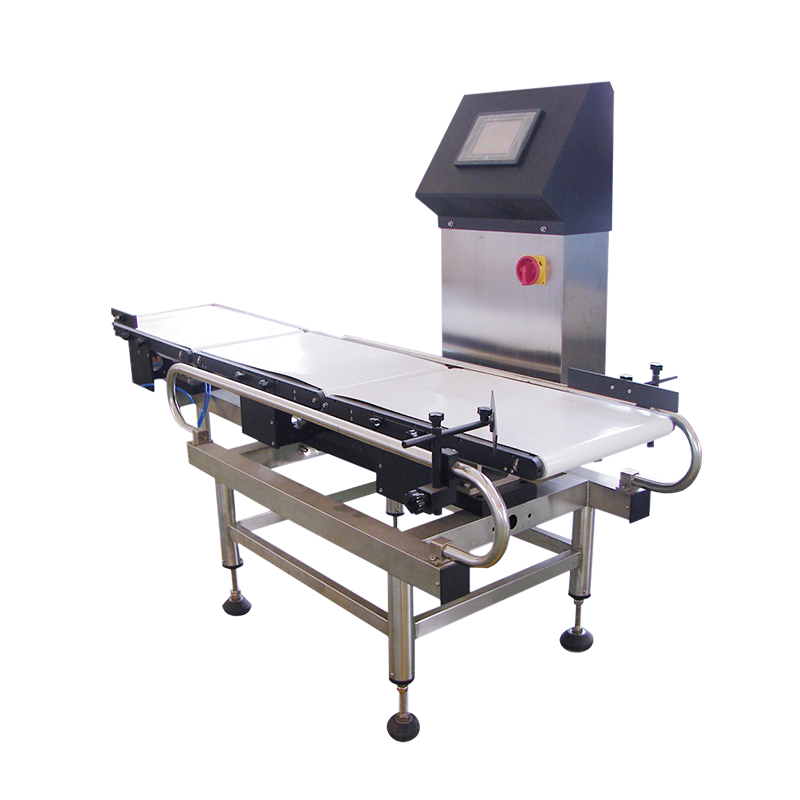
- Use a downstream check weigher. No filling machine is perfectly accurate on every single bag. Installing a check weigher immediately after the filler provides 100% weight verification, triggers rejection of out-of-tolerance bags, and generates statistical data that allows the operator to fine-tune the machine's setpoints to keep the fill distribution centered on the target weight.
- Control product temperature and humidity. Many powders — particularly hygroscopic materials like cement, flour, and fertilizers — change their bulk density and flow characteristics with temperature and humidity variations. If your plant environment is subject to significant seasonal or diurnal changes, consider enclosing the hopper and feed system and monitoring ambient conditions, adjusting machine settings as needed when conditions shift.
Routine Maintenance Tasks for Valve Bag Filling Equipment
A valve bag filling machine is a mechanical and electromechanical system that requires structured preventive maintenance to sustain its throughput, accuracy, and service life. Deferred maintenance on a valve bag packer typically manifests first as declining fill accuracy, then as increased downtime frequency, and ultimately as costly component failures. The following maintenance schedule covers the most critical tasks across daily, weekly, and monthly intervals.
Daily Maintenance Checks
- Inspect the filling spout for product buildup, wear, or damage to the seal surfaces. Clean and replace worn spout components before they affect valve bag engagement.
- Check the dust extraction filter condition and empty collection bins. A blocked dust filter reduces suction at the filling point and increases ambient dust levels.
- Verify scale zero and calibration using a test weight. Document the reading and compare to the previous shift's calibration record.
- Check compressed air pressure and moisture separator condition. Contaminated or low-pressure air causes erratic fluidization in air-gravity machines and unreliable pneumatic actuator operation in all types.
- Inspect the bag discharge conveyor for product spillage, belt alignment, and drive function.
Weekly Maintenance Tasks
- Lubricate all specified grease points on the filling head, carousel drive (if rotary), and conveyor bearings according to the manufacturer's lubrication chart.
- Inspect impeller blades (on impeller machines) for wear and erosion. Worn impeller blades reduce aeration efficiency and increase fill time variability.
- Check all pneumatic cylinder seals for leakage by listening for air leaks and observing actuator speed consistency.
- Clean the fluidization membrane on air-gravity machines. A partially blocked membrane creates uneven fluidization and fill weight variation.
- Review the check weigher data log from the previous week and identify any trends toward over or under-filling that require setpoint adjustment.
Monthly and Scheduled Preventive Maintenance
- Perform a full load cell verification and recertify the integrated scale using traceable calibration weights.
- Inspect all drive belts, chains, and gearboxes for wear, tension, and oil level. Replace any components approaching the end of their service interval rather than waiting for failure.
- Check all electrical connections at the control panel, load cells, and motor terminals for corrosion or looseness caused by vibration.
- Conduct a full safety system test — confirm that emergency stops, interlocks, and safety guards function correctly and are not bypassed.
- Review consumable spare parts stock — spout seals, filter bags, impeller blades, and pneumatic seals should be kept on hand in sufficient quantity to avoid production stoppages while waiting for deliveries.
What to Look for When Buying a Valve Bag Packer — New vs. Used
Valve bag filling machines represent a significant capital investment — a new inline machine typically costs $20,000 to $80,000 USD, while a new high-speed rotary machine can exceed $500,000. Used equipment can reduce upfront costs by 40–70% but introduces risks that must be carefully evaluated before purchase.
Buying New: What to Demand from the Supplier
- Factory acceptance test (FAT): Insist on witnessing a FAT at the manufacturer's facility using your actual product and bags before the machine ships. This confirms that the machine meets the agreed throughput and accuracy specifications before you accept delivery.
- Site acceptance test (SAT): Negotiate an SAT clause in the purchase contract that ties final payment to the machine achieving its specified performance at your site. Conditions at your plant — electrical supply quality, compressed air pressure, ambient temperature — can affect performance differently than at the factory.
- Spare parts availability and lead times: Confirm that critical wear parts — spout seals, impeller assemblies, filter elements — are held in stock by the supplier or by a local distributor. Long lead times for spares translate directly to extended downtime when components fail.
- Operator and maintenance training: Require on-site training for your operators and maintenance team as part of the installation package, not as an optional extra. A machine is only as reliable as the people operating and maintaining it.
Buying Used: Key Inspection Points
- Hours of operation and maintenance history: Request full maintenance records. A machine with 50,000 hours of operation and no documented preventive maintenance is a very different proposition from the same model with 20,000 hours and complete service records. High hours are not automatically disqualifying, but they require more careful mechanical inspection.
- Impeller and wear part condition: On used impeller machines, inspect the impeller blades, wear plates inside the filling head, and the spout seal surfaces for erosion and pitting. These are the highest-wear components and replacement costs should be factored into the purchase price negotiation.
- Control system age and compatibility: Older PLCs and HMI systems may use proprietary software or obsolete hardware that is difficult to support. Check whether the control system is still supported by the manufacturer and whether spare electronic components are available.
- Running demonstration: Never purchase a used valve bag filling machine without witnessing it running at speed with bags and product — either the original product or a comparable substitute. Static inspection alone cannot reveal intermittent mechanical faults, scale drift, or pneumatic system leaks that only manifest under operating conditions.
Leading Applications and Industries Using Valve Bag Filling Machines
Valve bag filling machines are deployed across a remarkably diverse range of industries, united by the common requirement to package dry bulk materials efficiently, cleanly, and at commercial scale. The following overview highlights the most significant application sectors and the specific machine configurations they typically favor.
| Industry |
Typical Products |
Preferred Machine Type |
| Building materials |
Cement, lime, gypsum, dry mortar |
Rotary impeller packer |
| Food processing |
Flour, starch, milk powder, sugar, salt |
Air-gravity or screw auger filler |
| Agriculture |
Fertilizers, pesticide granules, animal feed |
Inline or rotary impeller/screw |
| Chemicals |
Carbon black, titanium dioxide, silica, resins |
Enclosed impeller or air-gravity with dust control |
| Plastics |
PE/PP pellets, PVC powder, masterbatch |
Gravity or screw auger filler |
| Mining and minerals |
Silica sand, calcium carbonate, talc, kaolin |
Heavy-duty impeller or screw packer |
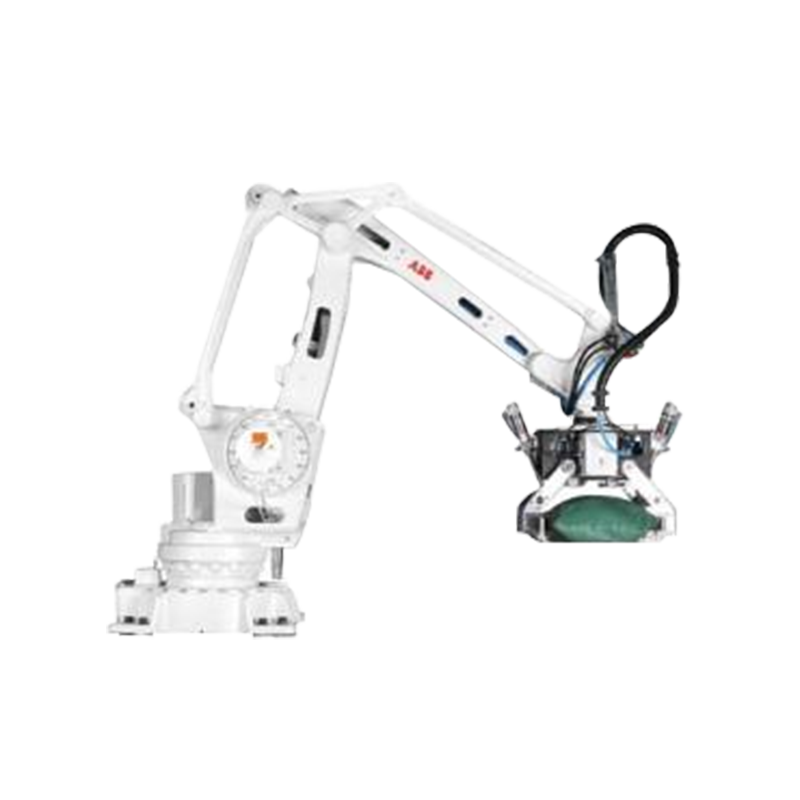
In each of these sectors, the valve bag filling machine is typically integrated into a broader automated packaging line that includes a bag magazine or automatic bag placer upstream, and a check weigher, bag flattener, conveyor, and robotic or conventional palletizer downstream. Evaluating the valve bag filler in the context of the complete line — rather than as a standalone piece of equipment — ensures that throughput, footprint, and automation level are consistent across all components and that bottlenecks are identified before installation rather than after.


 English
 Español
 عربى
عربى


Contact Us