One of the most common complaints on a packaging floor is not that the machine stops, but that the fill weight drifts. A powder that ran within ±1% this morning is running at +3% after lunch, and the production manager starts questioning every bag that left the line. In practice, this drift is rarely a mechanical failure. It is usually a mismatch between the powder's actual behavior and the filling principle selected for it.
What an Automatic Powder Filling Machine Actually Solves
An automatic powder filling machine takes loose bulk material from a hopper, meters it into a target weight or volume, and discharges it into a bag, pouch, bottle, or valve bag. The job sounds simple. The difficulty is that powder is not a stable material. It changes with humidity, temperature, static charge, storage time, and the way it is fed into the hopper.
Unlike granules, which tumble and settle predictably, powders can bridge over an auger, empty as a plug, or fluidize in a feed system. That is why the selection process must start with the powder, not with the machine. If a powder has been stored for weeks in a humid warehouse, its bulk density shifts, and every volumetric fill you set on Monday will produce a different weight by Friday.
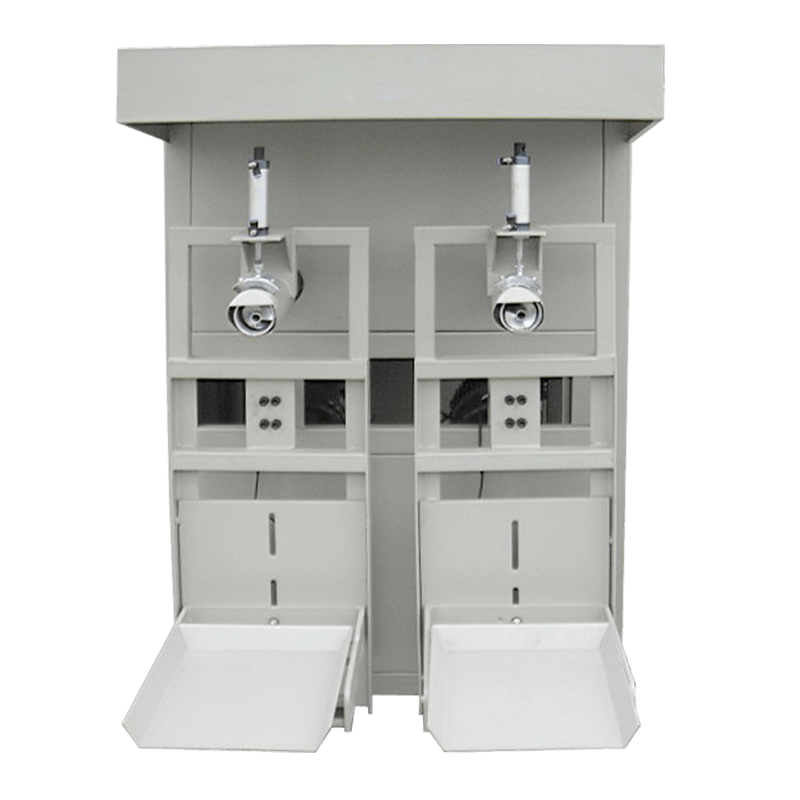
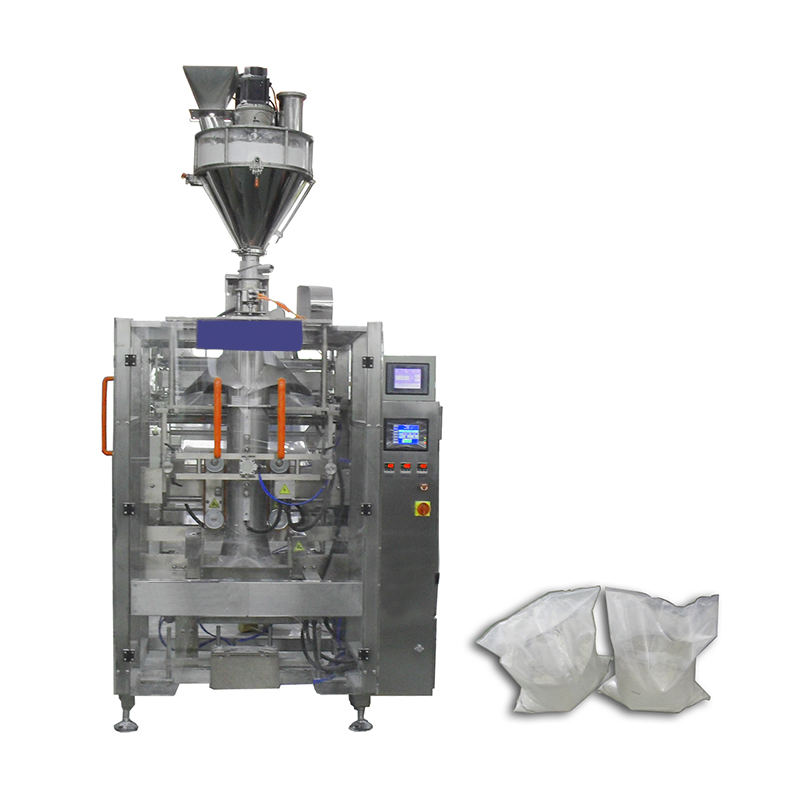 Powder Packaging Machine with Anti-Static and Dust RemovalDesigned for fine powders prone to dust and static, this automatic filler ensures stable weight accuracy across batch sizes while reducing fill drift and improving workplace safety.View Product →
For manufacturers handling fine powders that create dust or static charge, a machine with antistatic and dust-removal features can prevent both fill drift and safety problems. The powder's tendency to cling to metal surfaces or form airborne clouds is a real production variable, not a theoretical one. Antistatic grounding and dust extraction make the difference between a machine that drifts and a machine that holds its tolerance shift after shift.
Comparing the Main Filling Mechanisms
Three mechanisms account for most automatic powder filling machines on the market: auger filling, weighing filling, and vacuum filling. Each one solves a different aspect of the powder problem.
Auger Filling
An auger filler uses a rotating screw in a tube to advance powder from the hopper to the container. The number of screw revolutions determines the dispensed volume. Auger filling is especially effective for fine, non-free-flowing powders because the flight geometry pushes powder forward even when gravity alone is not enough. The main risk is that fill weight depends partly on bulk density and screw speed, so density variations influence accuracy. A typical auger system holds weight tolerance in the ±1% to ±2% range for stable powders, but that can widen to ±3% or more when the powder absorbs moisture or changes particle size distribution.
Weighing Filling
Weighing filling follows a different logic. A load cell and a feedback loop feed powder into a weigh hopper, stop at a preset target, and discharge the batch. This gives higher accuracy for powders with more stable flow, but the cycle time includes filling and settling, which limits throughput. In practice, weighing systems can reach ±0.5% on a consistent product, but only if the powder flows freely enough to avoid bridging in the feed hopper. Bridging voids the weighing logic: the load cell sees no material arriving, the machine waits, and the cycle time stretches.
Vacuum Filling
Vacuum filling draws powder into the package under controlled vacuum. It is useful when the powder contains entrained air, because filling under vacuum compacts the powder and prevents pillows of air in the finished bag. This approach can increase density and reduce bag size. For milk powder, pharmaceutical powders, and other fine agents that tend to trap air, vacuum filling produces a denser package that stays stable in storage and transport.
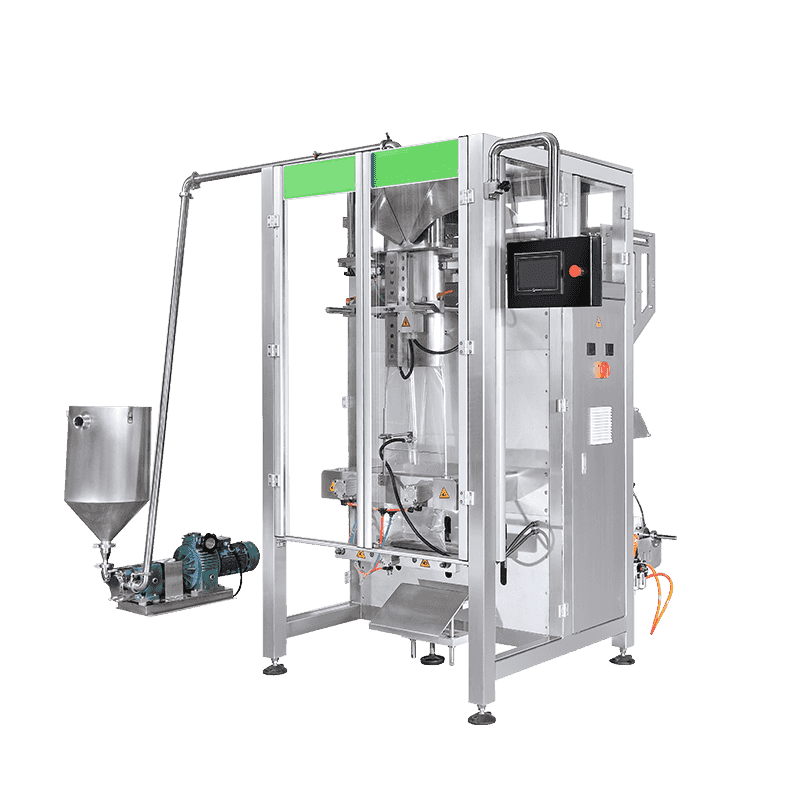
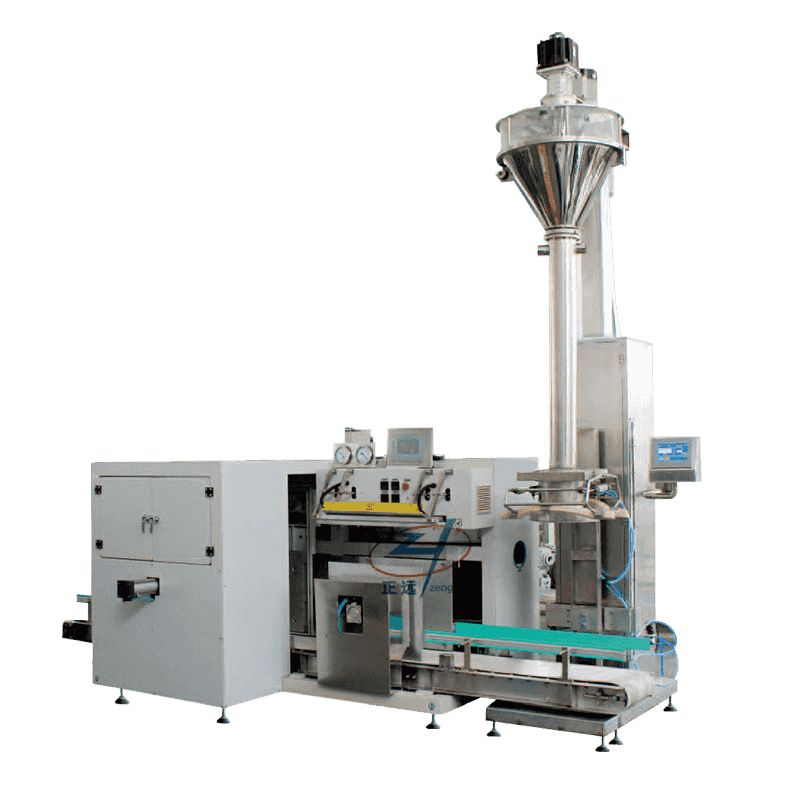 High-Speed Vacuum Packaging Machine for PowdersUtilizes vacuum filling to compact air-entrained powders, increasing density and reducing bag size. Suitable for fine agents like milk or pharmaceutical powders, it produces stable packages for storage and transport.View Product →
Different filling mechanisms trade accuracy, speed, and powder suitability differently. The right choice depends on your powder and production target.
| Mechanism |
Best Suited For |
Accuracy Advantage |
Speed Advantage |
Main Risk |
| Auger Filling |
Fine, non-free-flowing powders |
Moderate, depends on density stability |
High |
Density fluctuation affects weight |
| Weighing Filling |
Stable-flow powders |
High |
Moderate |
Cycle time limits output |
| Vacuum Filling |
Powders with entrained air |
Moderate to high |
Moderate |
Requires vacuum source |
The Short Checklist Before You Shortlist a Machine
Before you compare models, write down five parameters from your actual production. Bulking density at the hopper, flow behavior under vibration, target fill weight range, acceptable weight tolerance, and cycles per minute. These numbers matter more than the brochure.
Powder with wide density variation will always be a challenge for volumetric metering. That is why the first question to ask a supplier is not "how many bags per minute" but "how does your machine handle my powder when the humidity changes." A supplier who has tested similar powders will quote a realistic accuracy range, not a maximum speed that only applies to a free-flowing standard powder.
Also verify the contact parts material. Food and pharmaceutical powders require stainless steel and a design that allows quick cleaning. Chemical powders may require antistatic grounding and dust extraction. The machine you shortlist must match your cleaning and safety protocols, not just your output target.
If a machine is easy to pull apart for daily cleaning, operators will actually do it. If the tooling is buried behind panels that take twenty minutes to remove, cleaning gets deferred, and the next product changeover becomes a contamination risk. Check the machine's tooling layout with that specific concern in mind.
Integration: The Filler Is Only One Part of the Line
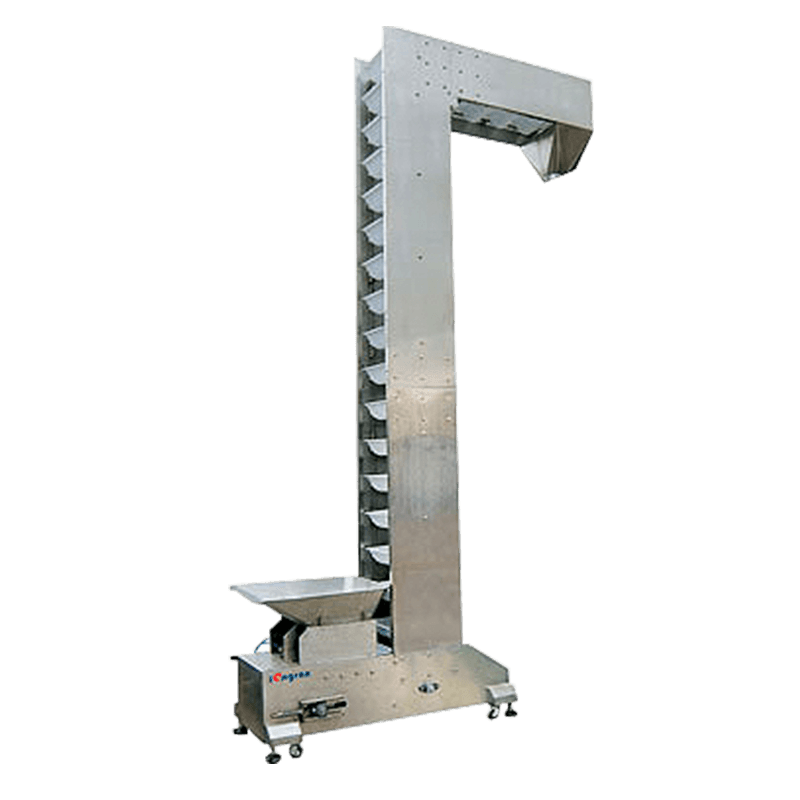
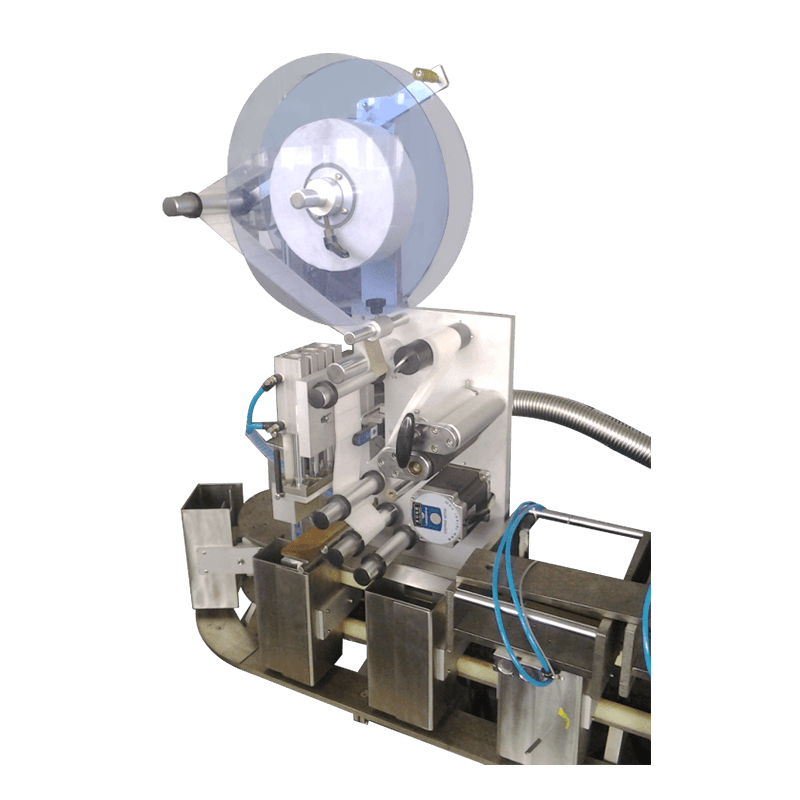
The filling machine does not work in isolation. Powder comes from an upstream conveyor, and the filled bags move to checkweighing, metal detection, printing, labeling, and palletizing. A filler that is accurate on its own can still create problems downstream if its discharge height, bag support design, or refusal to handle different bag sizes slows the rest of the line.
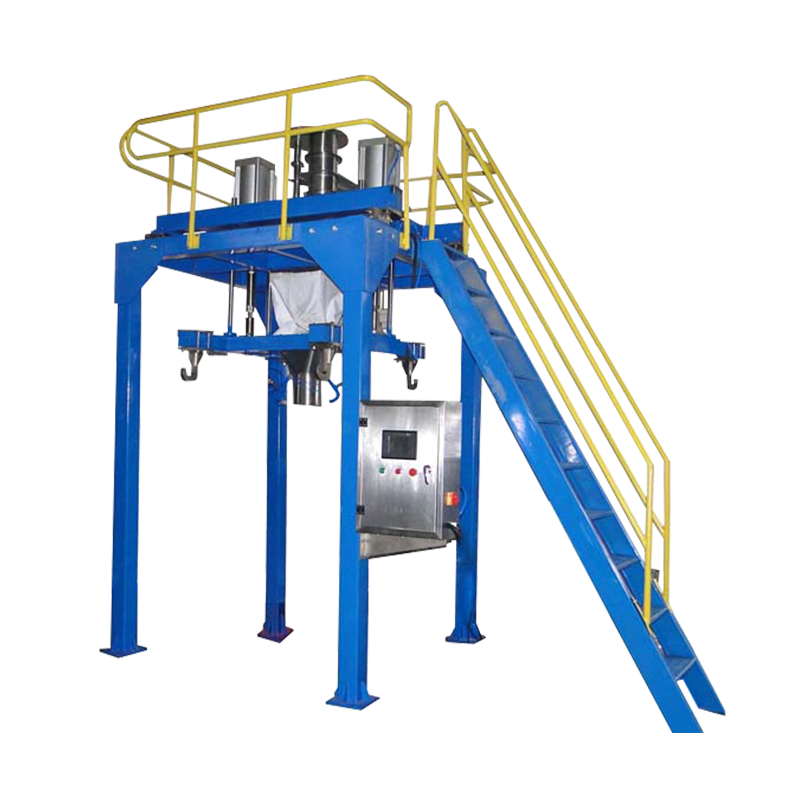
Before choosing a model, confirm how the bag or pouch is handled after the fill cycle. For valve bag applications, for example, the filling nozzle and bag spout must form a secure connection to keep dust inside. This matters for both product retention and workplace air quality. A dust leak at the valve spout causes product loss, slows the filling cycle, and forces operators into personal protective equipment more often than necessary.
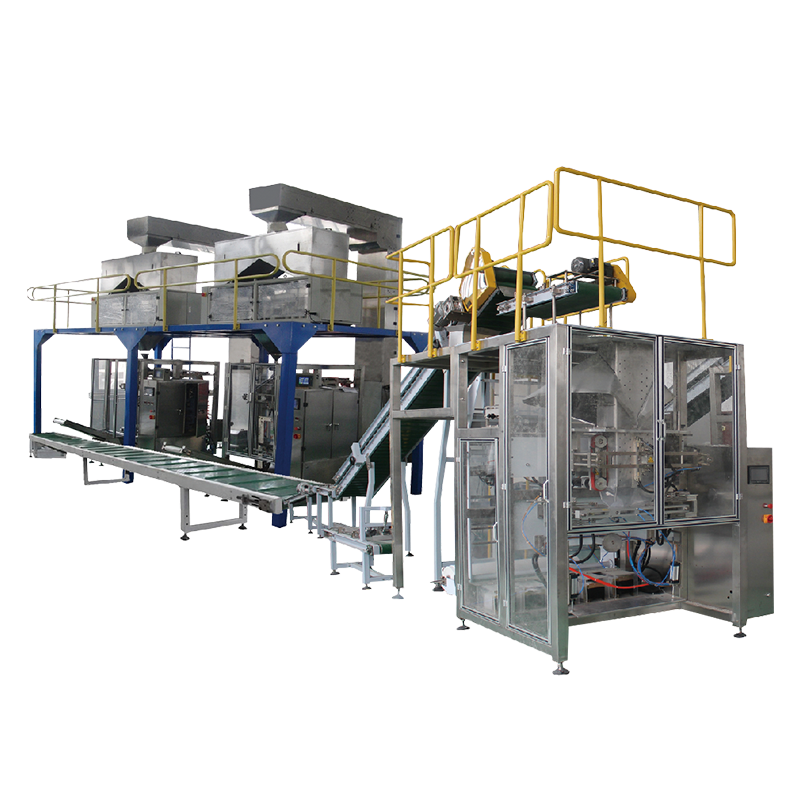
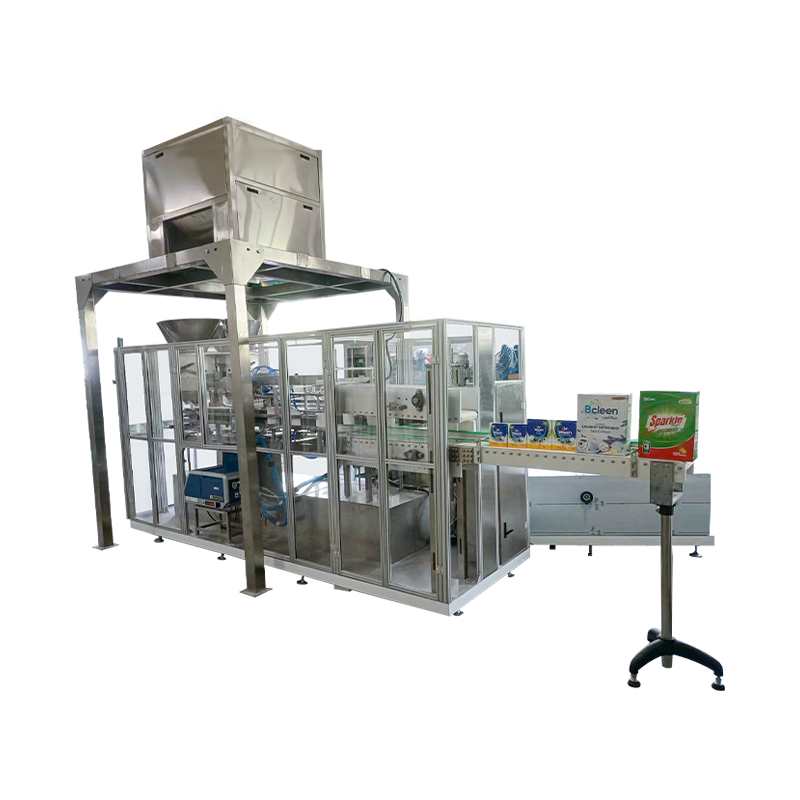
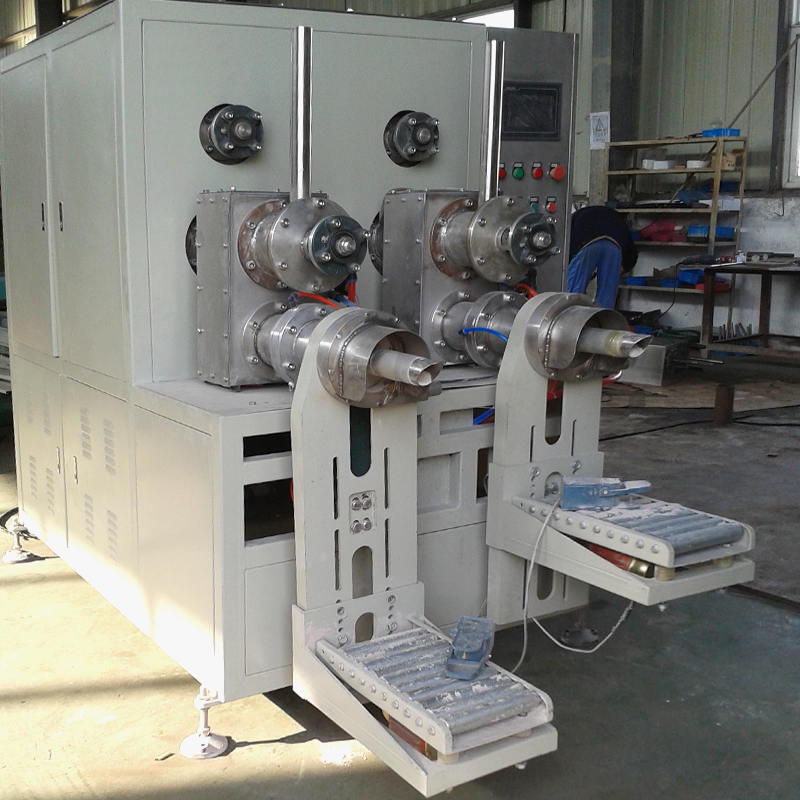 Automatic Valve Bag Weighing and Filling MachineHandles valve bag applications securely, minimizing dust leaks and product loss. With 3-5 bags per minute for 25kg bags, it balances throughput with accurate weighing and clean operation.View Product →
For a broader view of how automatic powder filling machines differ by type and feature set, this guide to automatic powder filling machine types and features covers the practical differences in more detail. It walks through the tradeoffs between semi-automatic and fully automatic designs, and where each one makes economic sense depending on annual production volume.
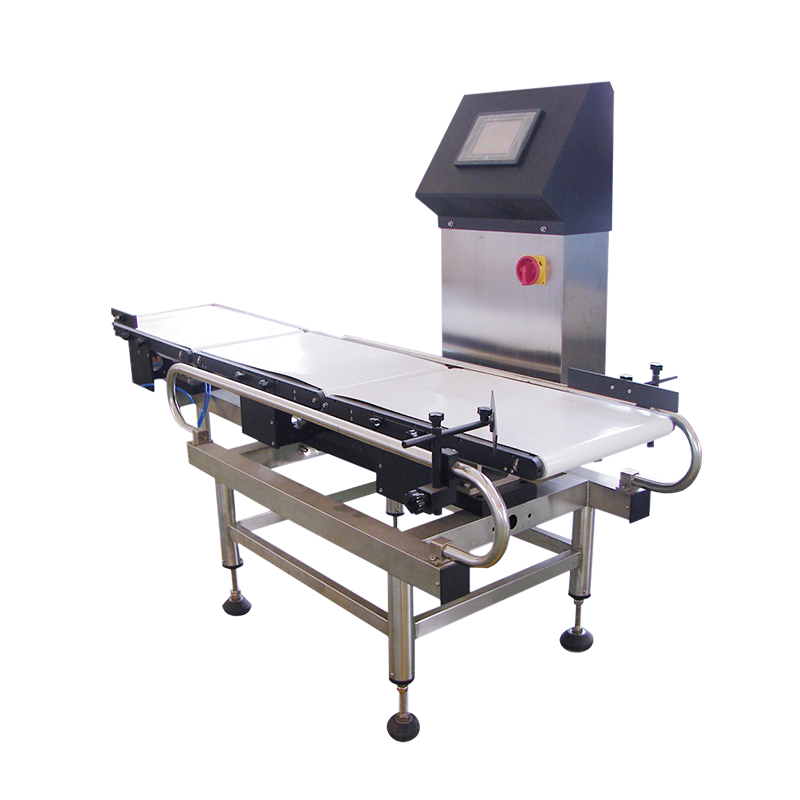
The most efficient line is the one where upstream feeding, filling, and downstream quality control are planned together. That plan starts with knowing how your powder behaves and how many bag formats you truly need to run. Palletizing also matters: if the filler runs 60 bags per minute but the palletizer handles 30, the line half-stops. A quality checkweigher positioned right after the filler catches drift early and gives the operator an alarm before the next shift takes over.
Purchase Risks Nobody Tells You About
Three risks tend to appear after the machine arrives. The first is that the acceptance test was run under ideal conditions. If the trial powder is dry and free flowing, but your production powder arrives from a warehouse with 70% humidity, accuracy will change. Ask the supplier to test with your material, not a stand-in.
The second risk is the changeover time. A machine that runs 60 bags per minute on one product can take forty minutes to clean and reconfigure for another powder. If you switch products frequently, the real throughput is lower than the brochure suggests. Ask for a documented changeover procedure with time estimates before you buy, and keep that number in your realistic capacity calculation.
The third risk is the service support. Powder filling machines wear out screws, seals, and filters. Know where the spare parts come from, how fast they ship, and whether a technician can reach your site within an acceptable window. That conversation is part of the purchase decision, not an afterthought. If the supplier cannot confirm filter seal availability for the model you are buying, treat the quote with caution.
Precision and speed are often presented as a tradeoff, but they can be balanced if the machine is matched to the powder. Manufacturers that design their machines with a specific powder range in mind usually deliver more consistent results over a longer production run. A machine that is only rated for its maximum speed, without reference to powder type, will not tell you what you need to know before you sign the order.
Selecting an automatic powder filling machine is a matching exercise. You need to match the powder to the metering principle, the metering principle to the speed requirement, and both to the downstream equipment and the cleaning workflow. Do that, and the fill weight drift that started this conversation becomes a maintenance note rather than a production emergency. If you are not sure how your powder behaves under different humidity conditions, ask the supplier for a test. A good manufacturer will want to know your powder before quoting a machine, not the other way around.


 English
 Español
 عربى
عربى



Contact Us