Granular packaging equipment is a broad phrase, and it means something slightly different to almost every plant that uses it. For a salt producer it may mean a high-speed cup filler running dozens of bags a minute. For a chemical processor it may mean a heavy-bag line filling 25 kg sacks of plastic pellets. For a pharmaceutical manufacturer it could be a vacuum packer keeping sensitive granules dry and stable. We build all of these machines, and after years of standing beside filling lines on customer sites, the lesson stays the same: start with the product, then choose the equipment.
We are Anhui Mach Packing Machinery Co., Ltd., known to most of our customers simply as Mach Packing. We are a packaging machinery manufacturer serving food, pharmaceutical and chemical producers, and our catalog runs from a single granule filler to a fully integrated packing line. This guide is our attempt to explain the category the way we would explain it across a table at a trade show.
What Granular Packaging Equipment Actually Covers
Search results often blur three different things: the machine that doses the product, the machine that makes the bag, and the complete line that surrounds both. It helps to separate them.
- Volumetric vertical form fill seal machines that form a bag from roll film, dose granules and seal it in one continuous motion.
- Weigh-based fillers using linear or combination scales when accuracy matters more than raw speed.
- Vacuum packaging machines for granules and powders where oxygen, moisture or dust causes problems.
- Premade pouch and small-bag lines for retail formats, sample packs and multi-pack collection.
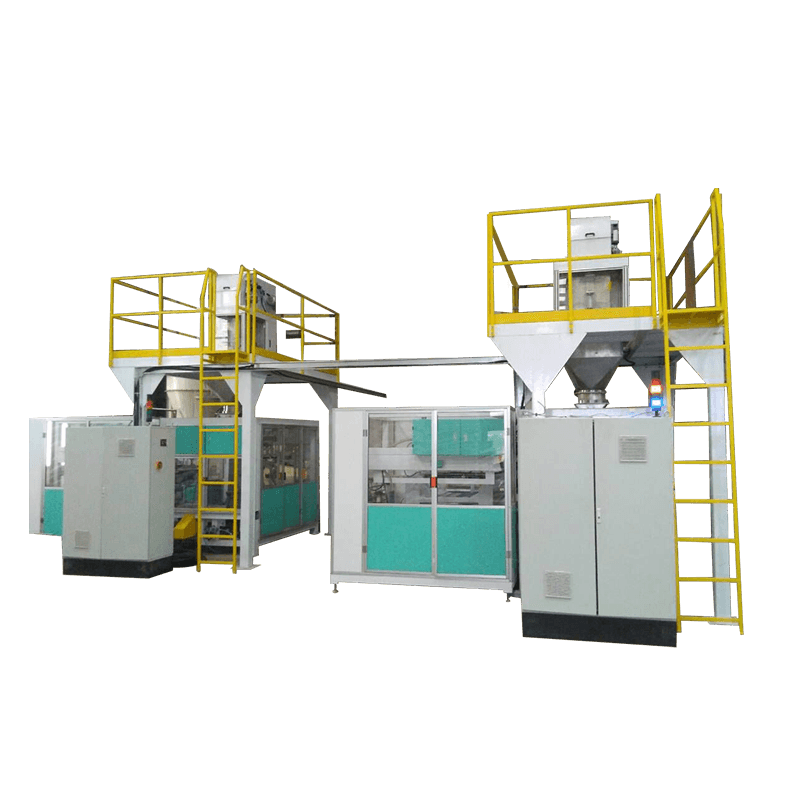
- Heavy bag, valve bag and ton bag lines for bulk granule, chip and pellet products.
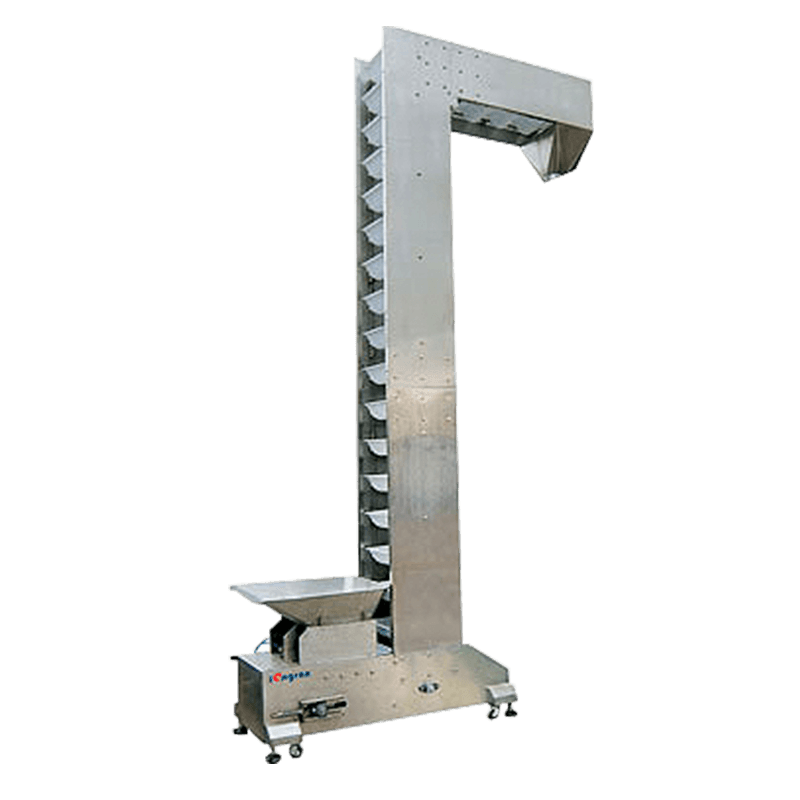
- Material conveying equipment such as chain drive bucket elevators that lift granules to the dosing hopper.
- Auxiliary systems — checkweighers, metal detectors, printers, labelers and palletizers — that turn a filler into a compliant production line.
One practical warning: the border between granule and powder equipment is thinner than most catalogs suggest. A vacuum machine rated for granules often handles free-flowing powders, and a powder filler with the right dosing head can run coarse granules without trouble. If your product sits somewhere in between, describe it honestly to the manufacturer instead of forcing it into a category. If you want a longer comparison of machine types side by side, our team has put together a complete buyer's guide to granular packaging equipment that walks through the same categories in more detail.
How Granular Packaging Equipment Meters Your Product
Dosing is where the money is made or lost. Everything downstream — bag quality, weight compliance, product giveaway — depends on how precisely the machine measures each charge of granules.
Dosing methods compared: speeds and accuracy are indicative and vary with product, bag size and line configuration.
| Dosing Method |
Typical Products |
Speed |
Accuracy |
| Volumetric cup |
Salt, sugar, rice, beans |
High |
Good for uniform granules |
| Linear or combination weighing |
Nuts, snacks, frozen granules |
Medium to high |
Highest |
| Vacuum dosing |
Fine granules, dusty blends |
Medium |
Good, low dust |
| Servo auger |
Ground granules, mixes |
Medium |
Good for non-free-flowing products |
Uniform, free-flowing granules reward volumetric dosing because the volume of each cup is consistent. Blended or fragile products usually justify a weighing system, where each charge is measured rather than assumed. The trade-off is speed against precision, and the right answer depends on your package size, your legal weight tolerance and how much product you can afford to give away over a year.
The Machines You Will See on Most Granule Lines
Integrated vertical form fill seal machines
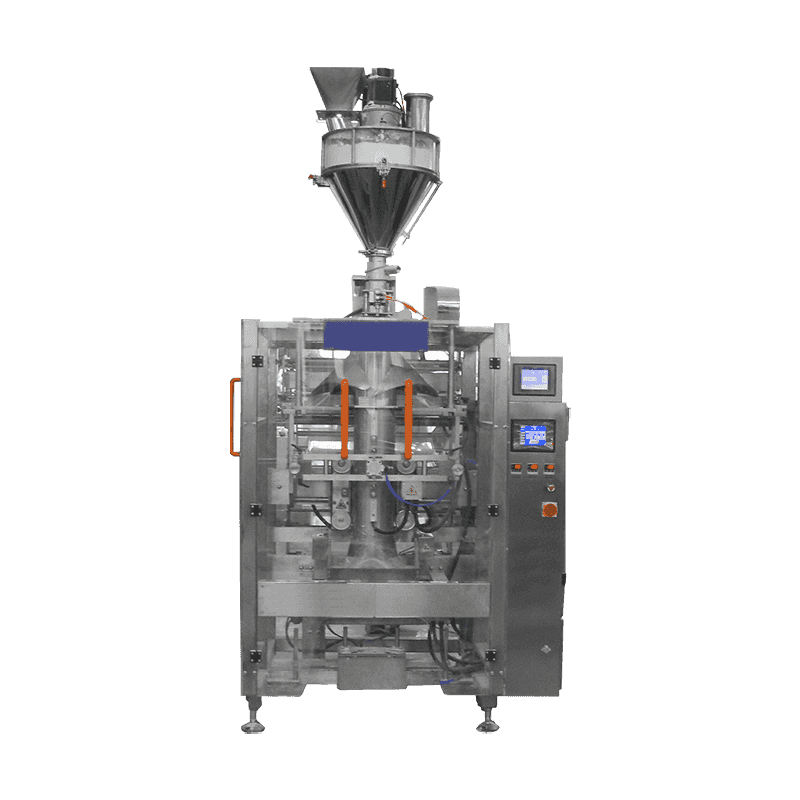
A vertical form fill seal machine is the backbone of most granule packaging operations. Film comes off a roll, a tube forms it into a bag, the dosing head drops a measured charge of product into the bag, and the sealing jaws close it — all within a few seconds. The MP5000D, MP5000B, MP7300 and MP1100 series we build follow that structure, with different frame sizes, film widths and dosing heads depending on whether you are packing 5 g sachets of seasoning or 1 kg bags of rice. They accept laminated films, PE and paper-based structures, and switching between bag styles is mostly a matter of changing the former and loading a new recipe.
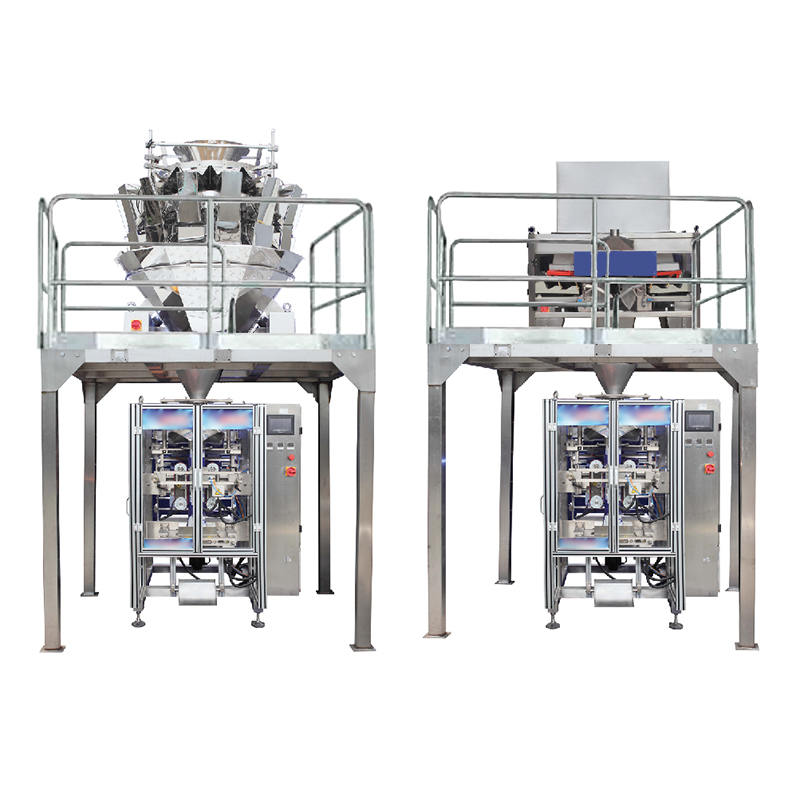 MP-5000D/5000B/7300/1100 Integrated Automatic Granule Vertical Packaging MachineMP-5000D/5000B/7300/1100 Integrated Automatic Granule Vertical Packaging MachineView Product →
High-speed cup quantitative packers
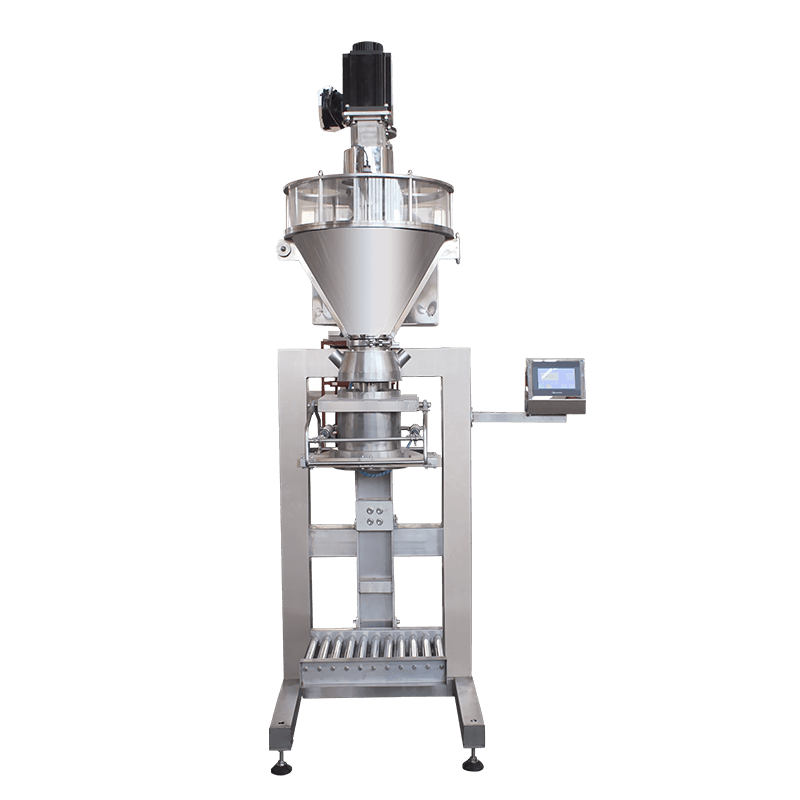
When the product is uniform and the target is throughput, a volumetric cup system is hard to beat. A cup of fixed volume rotates under the hopper, fills by gravity and discharges into the bag former. Fine salt, sugar and similar free-flowing granules run quickly and repeatably this way. What separates a good cup machine from a mediocre one is the consistency of the cup fill, the stability of the sealing jaws at speed, and how quickly the whole unit can be stripped down for cleaning between products.
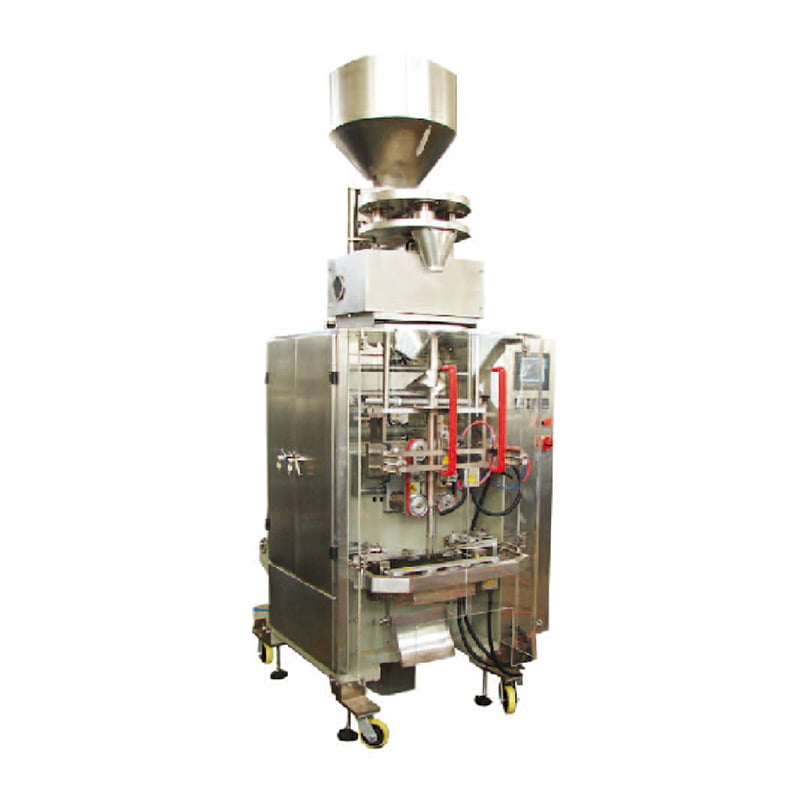 MP-5000DS High Speed Cup Quantitative Packaging Machine(Other weight is customizable)View Product →
Vacuum Packaging for Granules and Dusty Products
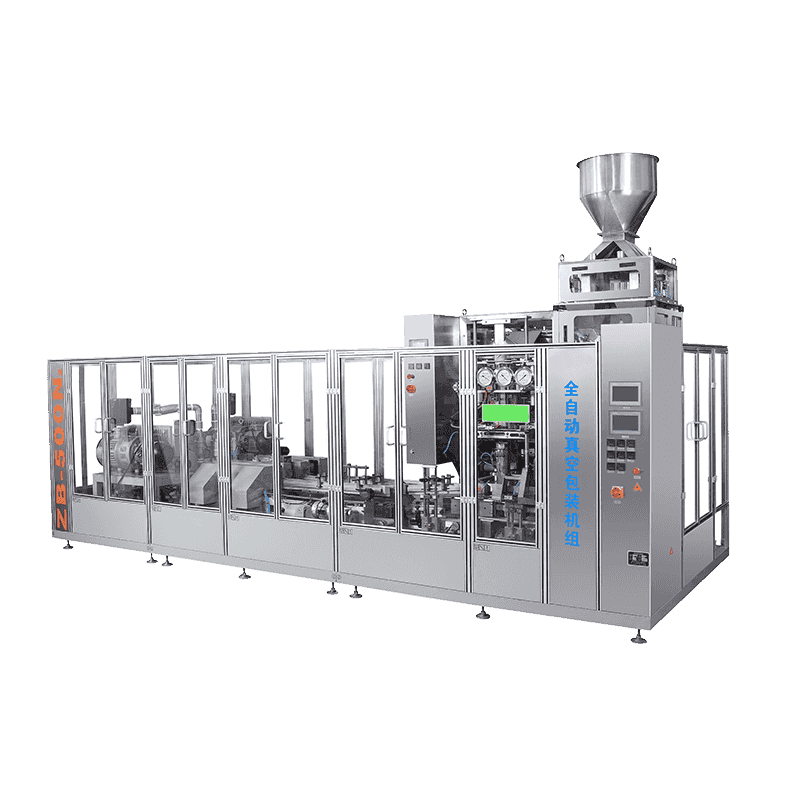
Some granule products simply cannot tolerate air. Coffee, milk powder blends, pharmaceutical granules and certain chemical products age faster when oxygen and moisture stay inside the pack, and fine dust makes conventional sealing less reliable. A vacuum machine pulls the air out before sealing, which extends shelf life, reduces pack volume and produces a firm, compact brick that stacks and ships more efficiently.
Vacuum granule packaging is technically more demanding than a standard form fill seal application, because the product has to be dosed into a chamber, held still while the air is removed, and sealed before any granules migrate into the seal area. Machines in the MP500N and MP500N2 family are built for granules and powders specifically, with dust control around the dosing head and a chamber design that keeps the sealing zone clean run after run.
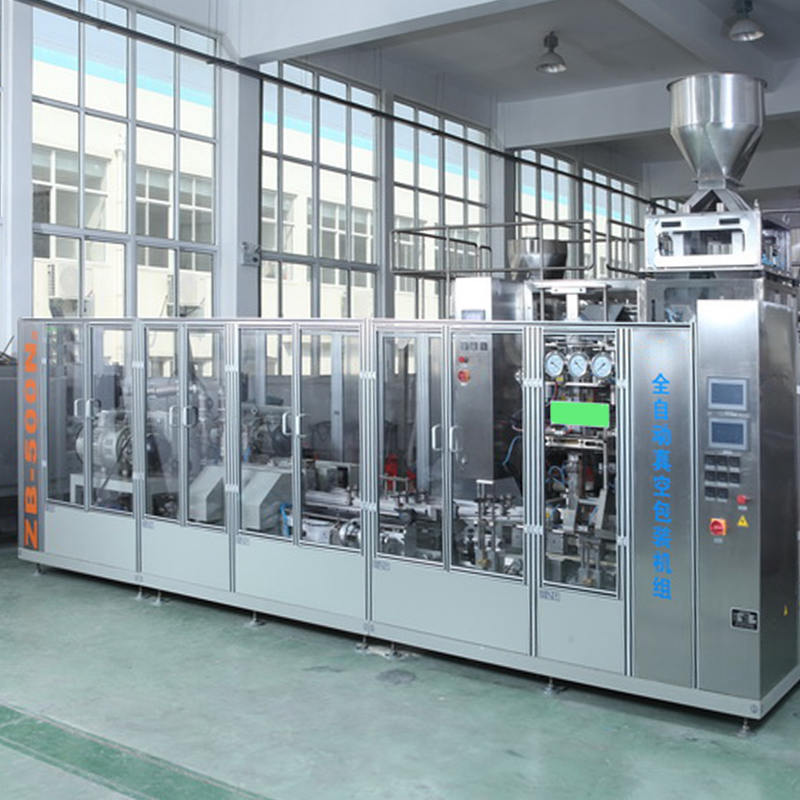 MP-500N/500N2 Automatic Vacuum Packaging Machine For Granules And PowdersPowdery material (e.g. coffee, yeast, milk cream, food additive, metal powder, chemical product)View Product →
Building a Complete Granular Packaging Line
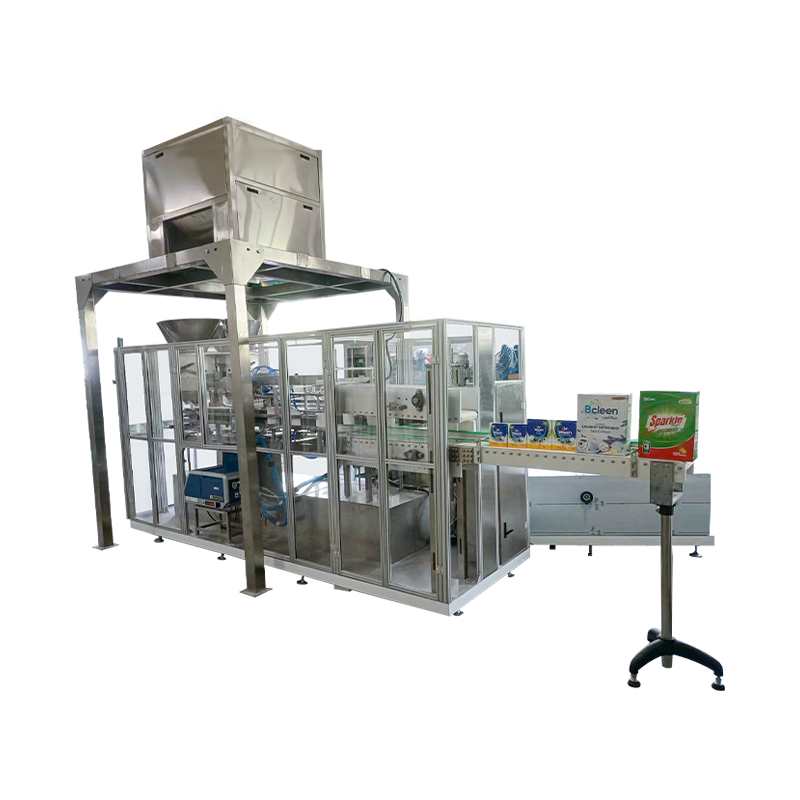
Once volumes grow, buyers usually stop thinking about individual machines and start thinking about flow. A typical granule line we deliver looks like this:
- Bulk granules arrive in sacks or from a silo and are lifted to the dosing hopper by a bucket elevator or screw conveyor.
- A dosing and filling machine forms the primary package — bag, pouch, sachet or vacuum brick.
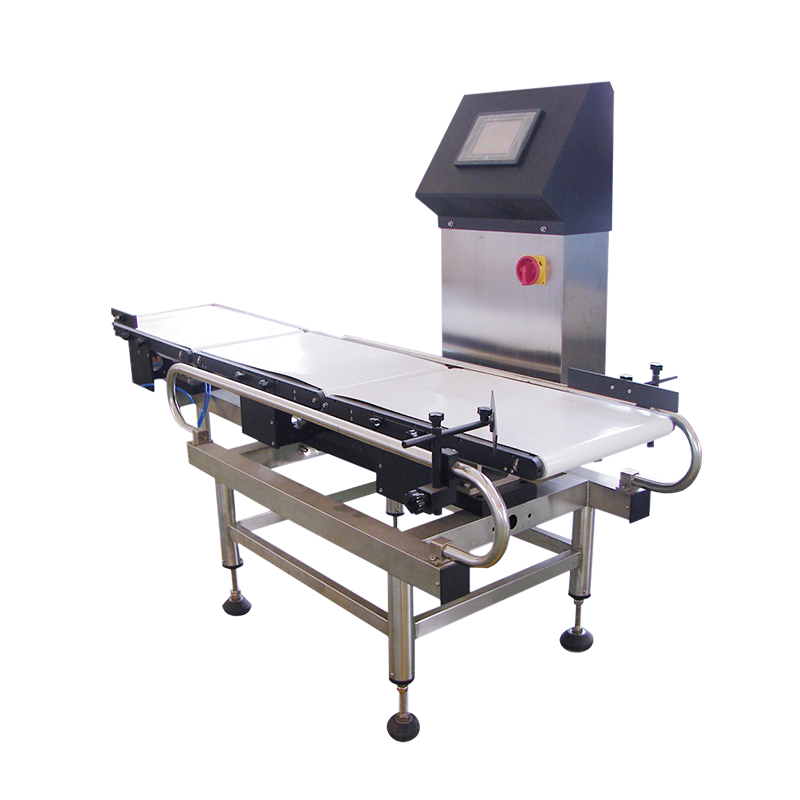
- A checkweigher verifies every pack and rejects anything outside the weight window.
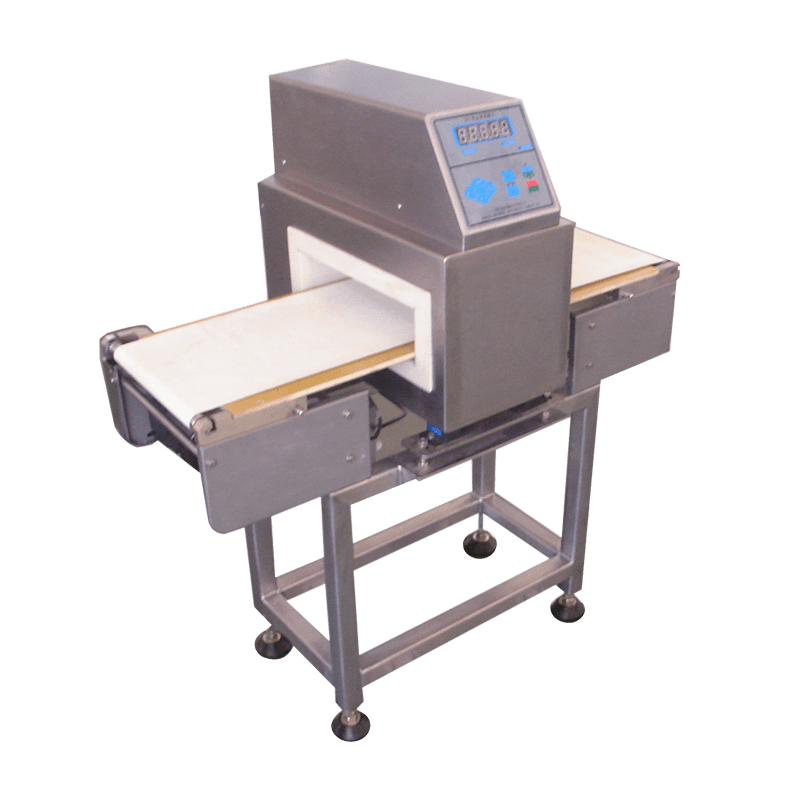
- A metal detector scans the pack for foreign material and removes contaminated units.
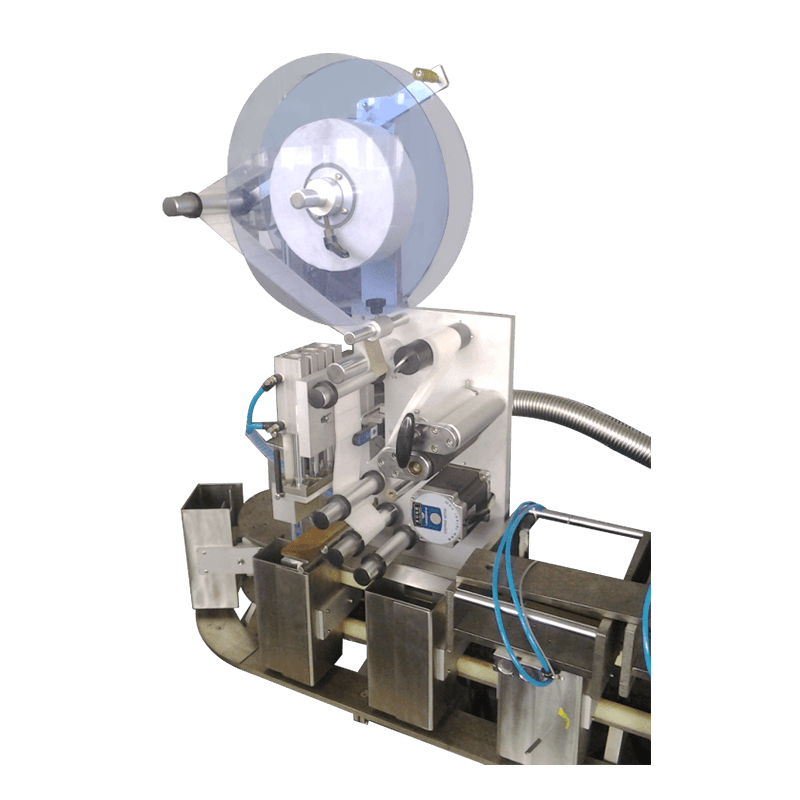
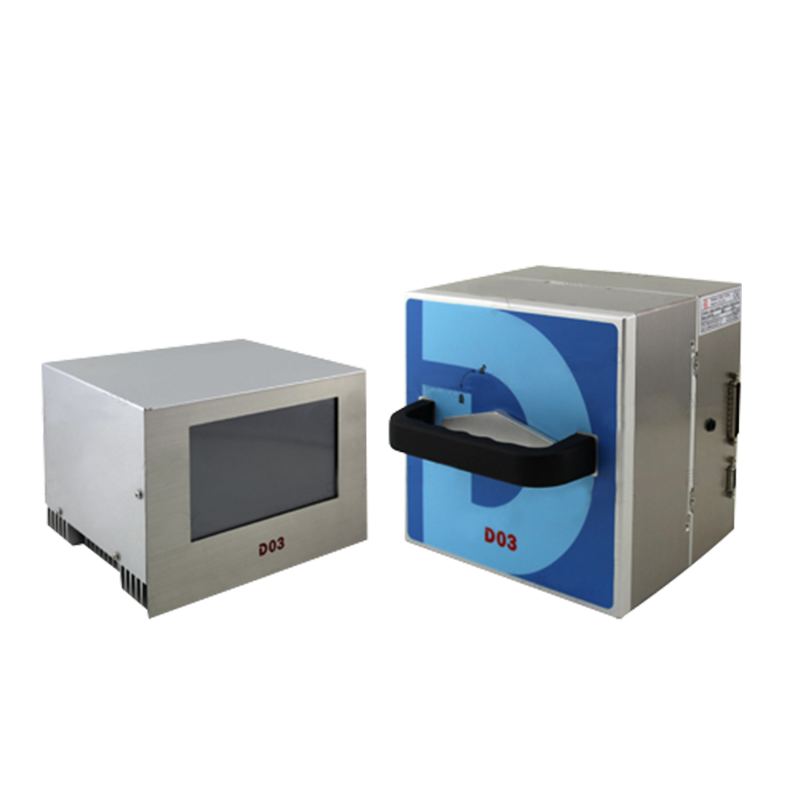
- A thermal transfer printer or labeling machine applies date codes, batch numbers and barcodes.
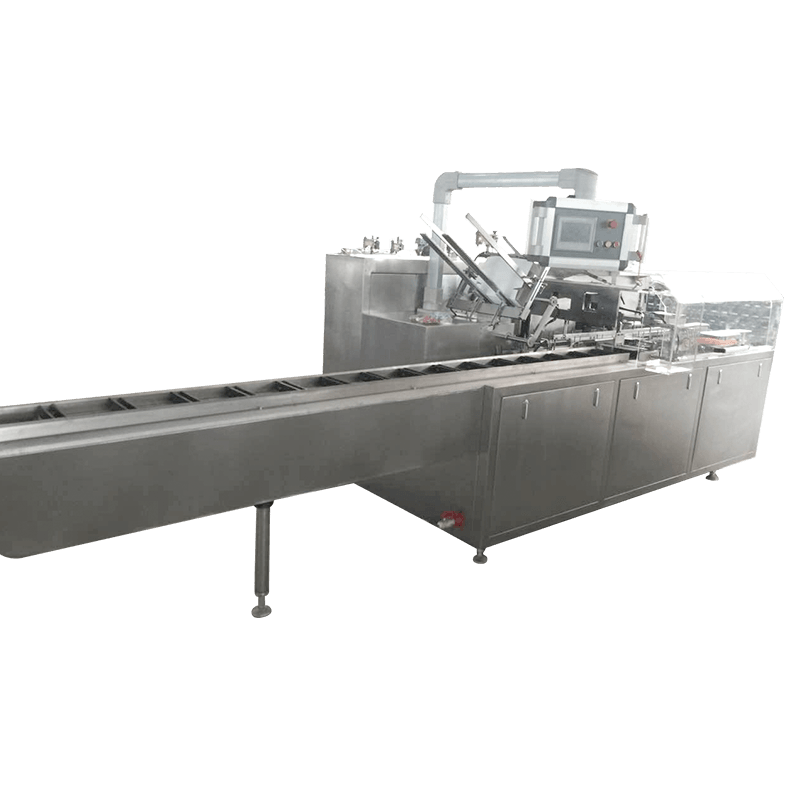
- A cartoning machine or small-bag collecting line groups packs into retail or shipping units.
- A robotic palletizer stacks finished cases onto pallets for dispatch.
Each step is a place where a line can stall. That is why we prefer to design the line as a whole rather than sell machines one at a time: conveyor speeds, buffer capacity and rejection handling have to match, or the fastest machine on the floor ends up waiting for the slowest one.
Matching Equipment to Your Industry
The same granule can demand very different equipment depending on who is packing it and what the finished pack has to prove.
- Food: high output, tight weight compliance and easy cleaning dominate. Stainless surfaces, fast changeovers and washdown-friendly design matter more than raw speed alone.
- Pharmaceutical: containment, traceability and coding accuracy come first. Dust control, gentle handling and reliable print quality are essential.
- Chemical: antistatic and dust removal features, sealed dosing areas and heavy-duty construction protect both the product and the operators.
If your product is dusty, hygroscopic, abrasive or prone to caking, say so early. A small detail at the dosing head can save a great deal of time later.
Maintenance Habits That Protect Output
Most granule line problems we are called about are not design failures; they are small maintenance gaps that grew. A few habits keep equipment running:
- Clean dosing cups, augers and forming tubes at every product change, not just at the end of the shift.
- Check sealing jaw temperature and pressure weekly, and replace worn PTFE tape before it affects seal integrity.
- Keep film tension consistent; a loose roll produces wrinkles, and wrinkles become leakers.
- Verify checkweigher and metal detector calibration on a fixed schedule and record the results.
- Follow the lubrication plan for chains, bearings and the vertical sealing drive.
- Hold a small stock of consumables — jaws, tapes, belts and filters — so a minor fault never stops a shift.
Questions We Hear Before Every Granule Project
How accurate is granular packaging equipment?
Volumetric systems typically hold within one to two percent of the target weight, while weighing systems can reach well under one percent depending on product and pack size. The acceptable figure comes from your own regulations and your cost of giveaway, not from a catalog.
Can one machine handle several bag sizes?
Yes. Most modern form fill seal machines store recipes for bag length, film speed and seal parameters, so changing from a 200 g to a 500 g pack is a matter of minutes rather than hours, provided the forming set matches the new format.
How much floor space should we plan for?
A single filler with a feeding elevator fits comfortably in a small room. A full line with a checkweigher, metal detector, cartoner and palletizer needs clear zoning for product flow, rejected packs and operator access — plan the layout before you order, not after.
Granular packaging equipment rewards buyers who think about their product first, their line second and the machine last. If you can describe your granule, your target pack, your output and your compliance requirements, we can match the right dosing method and the right machine family to that picture — and tell you honestly when a simpler option will do the job just as well.


 English
 Español
 عربى
عربى


Contact Us